Posts in Technology
Privacy Policies

I recently made a time consuming (and kinda boring) decision. Last week, I elected to delete ALL of the apps on my iPhone (except for the built in ones). This wasn’t a permanent decision, but I told myself that I wouldn’t download another app without first reading the privacy policy of the company that built it. It’s time to start actually understanding all the legal jargon we’re hastily clicking through and agreeing to.

This whole process has been enlightening in a few ways. About a week later, I still only have nine apps on my phone; I’m learning that most of the 70+ apps on my phone were just taking up space, because I’m doing just fine without most of them. I do intend to keep downloading more as I read their privacy policies, but I’m not in a hurry.

A lot of the privacy policies I’ve read so far have surprised me; some companies were way more protective of their users than I expected, and some were worse than I had dared to imagine. Check out the whole list of privacy policies I’ve read, and make your own decisions about which companies you’re comfortable giving your information to.

Playing Chicken

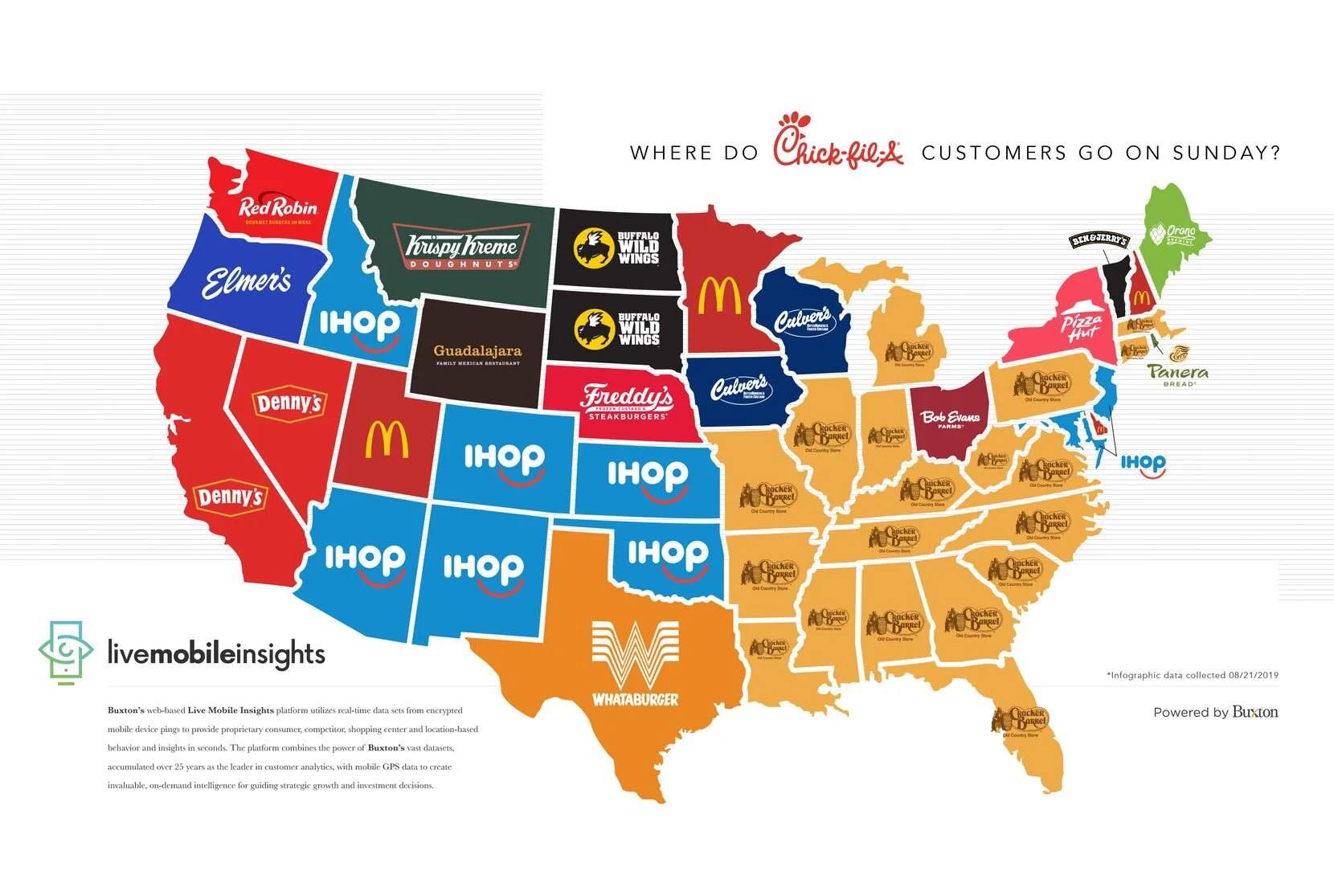
John Gruber has a great, succinct take over on Daring Fireball on this story about marketing firms using purchased location data to map out where fried chicken fans eat on Sundays when they can’t get Chick-fil-a.

It’s time to get scared. The sale of consumer location data between companies should be illegal. It’s a Pandora’s box; even if you only share your location once, you’ll never be able to track down all the companies that have access to the data you shared, much less know how they’re exploiting it. We need to call on our legislators to put an end to this.

#deletefacebook

Apple Card
rxOJijMKSrGm8nuKGs9xlg_thumb_340a.png

Ugh. I waited a long time before writing anything about this, hoping my opinions would lighten up a bit, but they haven’t and I don’t think they will.

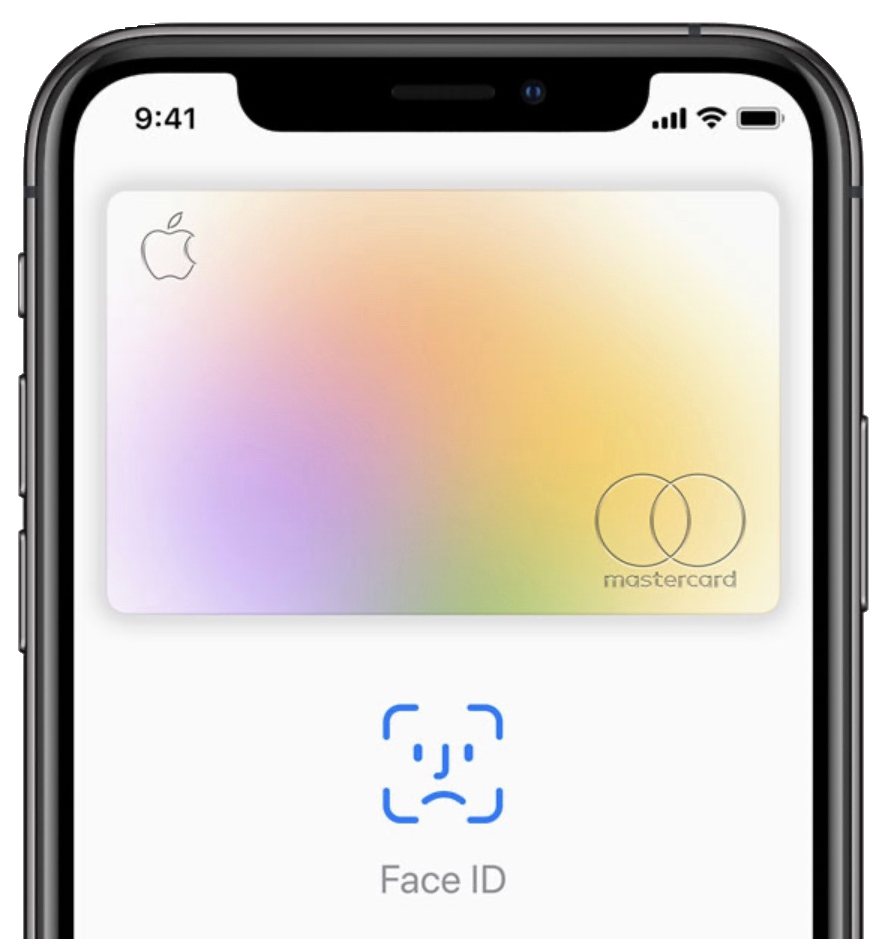
The Apple Card is one of the most un-Apple-y things Apple has ever done. I’m not one of those Steve Jobs idolizers who thinks that the company is circling the drain without him, and I’m not one of those people who, every time Apple does something new or different, starts shouting about how “STEVE WOULD’VE NEVER…” But I seriously can’t imagine Steve letting this out the door.

My only hope for the Apple Card was that Apple is good at disrupting industries, and the credit card industry is truly an industry that needs to be disrupted because all those companies are very predatory and generally bad news for consumers. Unfortunately, it doesn’t look like Apple is actually doing anything different. Sure, the digital-first approach is neat, and the titanium card looks cool. Also, its nice that it doesn’t carry any fees and it encourages you to pay your balance off every month, and I’ll even say that the daily cash reward system is nice. But at the end of the day, what kills consumers in the credit card industry is the interest rates, and Apple hasn't done anything revolutionary here, despite having claimed to. The lowest APR offered, 12.99%, is not low. And the high end, 23.99%, is absurd. Also, Goldman Sachs: Is that the best they could do? Partnering with a company that asks if curing disease is a sustainable business model? Gross.

If Apple truly wanted to disrupt a financial industry, they would’ve set their sights on the checking account. They could’ve rolled it up nicely with Apple Pay Cash and given out a nice titanium card. They could’ve chosen to get rid of the absurd overdraft fees (taking $37 from someone who literally has no money is wrong and borderline criminal, even if they agreed to it in the fine print), and instead monetize it with a simple, flat, monthly account fee; I’d happily pay ten bucks a month for an Apple checking account with a cool titanium card. Best of all, it would’ve been something that they could’ve offered to all of their customers. Of course, they didn’t do this because it would’ve been more difficult to monetize than a credit card with ridiculous interest rates, and the Apple Card only exists because Apple is trying to expand their revenue from services.

The Apple Card feels extremely corporate and greedy. It’s elitist, and it’s the first Apple product that isn’t available to everyone for a price. Some people simply cannot have one, especially younger folks like myself who haven’t had a ton of time to establish a fantastic credit score. Apple products are supposed to feel premium but not elitist; there’s a line there, and Apple Card falls decisively on the wrong side. I am not a fan.

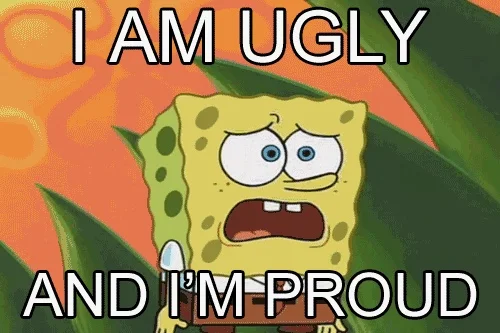
Samsung is Ugly and Proud

Anyone with eyes can see that iMessage is superior to SMS texting in just about every way imaginable. From an encryption/privacy standpoint alone, if you don’t use iMessage, I’m probably just not going to text you.

Samsung’s latest shitty marketing ploy is remarkably, well, shitty. Honestly, it’s pitiful, and it doesn’t even make any sense. If you’re an Android user considering using one of these GIFs, just go ahead and save some time by sending this one instead.

public.jpeg
Big Brother, Ellen, and Alexa: Sitting in a Tree?

Well, this article from Tiffany FitzHenry is really something. There’s a lot of information to process here, and while FitzHenry does offer a lot more evidence to support her claims that Ellen is in cahoots with the C.I.A. than I would’ve believed possible, I’m still left with more questions than answers.

Maybe I’m the only one who wasn’t paying attention back in 2013 when this news first broke, but the fact that the C.I.A. has a $600 million contract with Amazon is terrifying. It’s allegedly for cloud services via Amazon Web Services, but still, Amazon seems quite eager to appease the C.I.A., and as FitzHenry suggests, we would be foolish to believe that the C.I.A. has no interest in the massive amount of data Amazon posses about their customers. I’ve long been skeptical of Amazon’s Alexa products, and my position remains firm: only a fool would put an Alexa device in their home.

Developers Call Apple Privacy Changes Anti-Competitive

Aaron Tilley, writing for The Information:

In an email to Apple CEO Tim Cook last Friday, the leaders of seven app developers outlined their concerns about the company’s new restrictions on location-tracking apps in a forthcoming version of the iOS operating system, according to a copy of the email reviewed by The Information. They accuse Apple of having a “double standard” for how apps can use location data in its new operating system.

This isn’t anticompetitive, it’s anti-abusive. Very few companies truly need access to your location all the time, and we should be extremely judicious when deciding whether or not to grant such permissions.

And of course, Life360, one my most despised apps on the App Store, is one of the seven companies complaining about this change.

Also on the list: Tile (this one has a reasonable argument for always wanting location access, but that still doesn’t make this move anticompetitive), Happn (a dating app with a unique approach but tiny user base), Arity (an insurance company who is in bed with the Life360 folks), Zenly (Snap’s location sharing app), Zendrive (a company that makes driver assessment apps) and Twenty (a social network for finding friends nearby).

‘The Great Hack’

Netflix’s ”The Great Hack” is one of the best documentaries I’ve ever seen. It explains what happened with the whole Cambridge Analytica/Facebook scandal, and makes it easy to understand for those with little prior knowledge. They take a largely nonpartisan look at how these companies were able to influence the 2016 U.S. General Election, the Brexit Referendum in the U.K., and dozens of other elections in smaller countries.

It has never been clearer that the technology we all take for granted has been taking advantage of us; it is evident that data aggregated by Facebook and exploited by Cambridge Analytica has been used to effectively brainwash the public, and the tactics they’ve used were even more efficient and dangerous than the ones utilized by the propagandists of the Third Reich. Nearly all of the blame for the explosively divisive nature of those elections belongs at the feet of Alexander Nix and Mark Zuckerberg.

“The Great Hack” very well may be the most important film of the decade, and I urge everyone to watch it. Make a concerted effort to be open minded, and don’t immediately rule out the possibility that these companies may have pulled one over on you—it’s easy to dismiss their alleged wrongdoings on the basis of “well if anyone had convinced me to think one way or the other, I think I would know.” The problem is that many people do dismiss it on those grounds, but by the very nature of what they’ve done, nobody could know until it’s too late. These are companies with billions of dollars at their disposal and a team of scientists who possess deep knowledge of how the human brain works—there is no shame in admitting they may have duped you. They certainly got me. What’s most important is what we do now that we know what they’ve done.

I’ve been pounding the #deletefacebook drum since well before the scandal broke, and there has never been a better time to get out of their corrosive network: delete your Facebook account. However, even that isn’t enough at this point.

The safety and integrity of every democracy on earth depends on everyone understanding what these companies did and calling upon our representatives to finally limit the boundless power that big tech companies have over our data. If those things don’t happen, the world will never see another free and fair election.

#deletefacebook

See also: “The Social Dilemma”

PSA: Disable Automatic Remote Image Loading in Your Email Client

The issue of digital privacy and security will always be a moving target, because no matter how many bugs are squashed or patches get pushed, bad actors and greedy corporations will continue to scope out vulnerabilities that they can use to exploit people. It is more important than ever to do what you can to protect yourself.

Lately, a lot of attention has been given to a big privacy issue that affects pretty much all email users. The problem lies in the use of something called surveillance pixels, a type of nonconsensual technology where someone who sends you an email can put something in the message that will provide them with a shocking amount of strikingly private information about the email recipient, including the dates, times, and locations for each time they open the sender’s email. This became a hot topic a couple weeks ago after a shady company called Superhuman was exposed for utilizing surveillance pixels to provide their users with access to this data for every email they send. Superhuman isn’t the only company to do this however, companies like MailChimp and other mass marketing email providers do it as well (though I believe its use for business purposes doesn’t negate the fact that it is still a breach of privacy and should be condemned just as strongly), but Superhuman does seem to be the first to make it so easily available to non-business users.

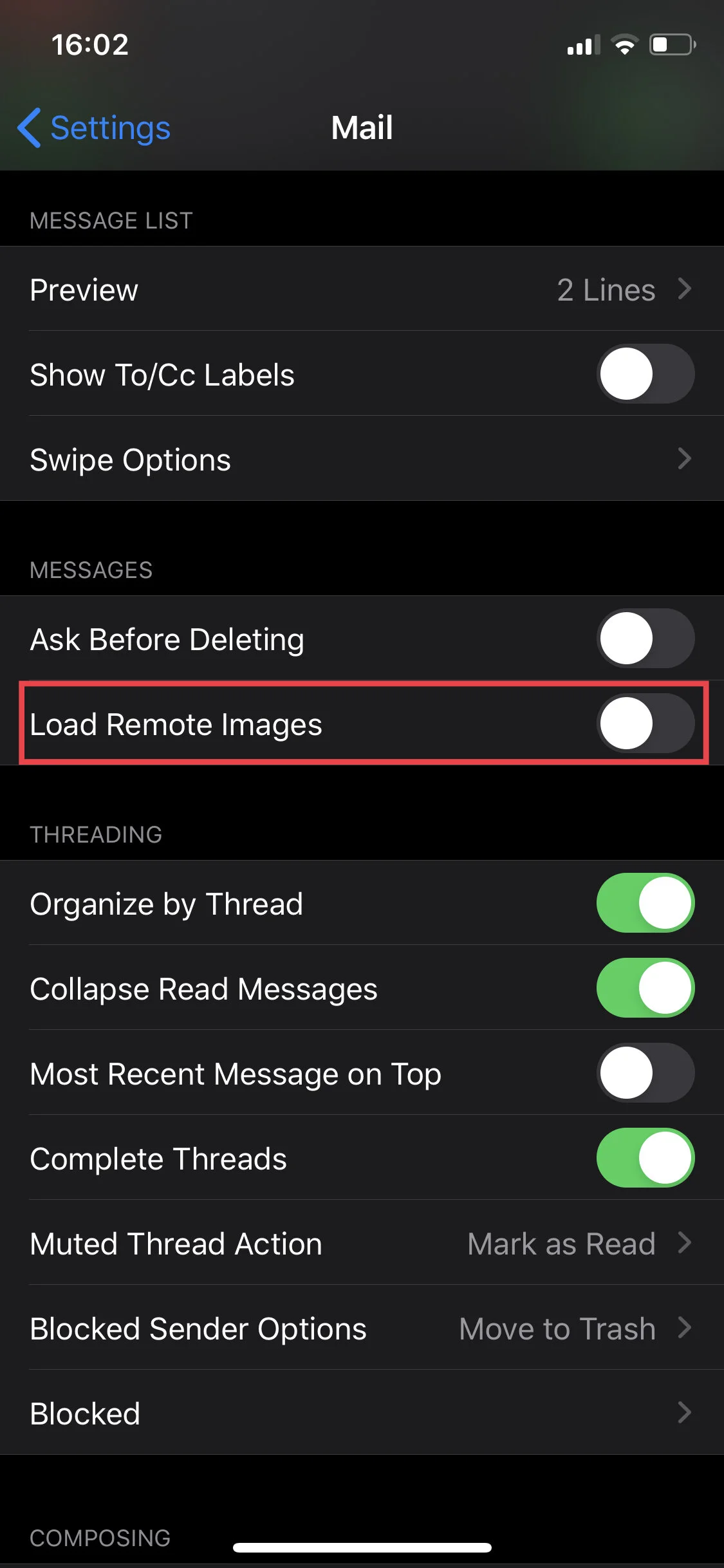
Fortunately, there is a way you can protect yourself from this privacy violation, and you should. Most mail clients offer an option to disable automatic remote content or remote image loading. Adjusting this setting will prevent your device from downloading the surveillance pixels in these emails automatically so that senders won’t be able to use them to collect this data. If you have an iPhone or iPad and you use the Apple Mail app, go to the “Settings” app, tap “Mail,” and then toggle off the switch labeled “Load Remote Images.”

After learning of how companies use this technology to take advantage of users about a year ago, I decided to disable remote image loading on my own devices, and I’m glad I did. To be clear, there is a slight downside because this will prevent some other images in emails from loading, but it is easy to chose to load the images for any individual email with a single tap if you do want to see what was attached; just know that you could also be enabling a surveillance pixel in that email if you do chose to load the images. Overall though, this is definitely a setting you should adjust if you don’t want everyone who sends you email to be able to know exactly when, where, and how many times you open their messages.

F.T.C. Approves Facebook Fine of About $5 Billion

Five billion dollars is more than a slap on the wrist, even for Facebook. That’s a ton of money, and I’m glad the FTC has approved a serious fine and not just a measly couple million bucks, as I was afraid would be the case. However, this is not significant enough to change Facebook’s business model. At the least, Facebook needs to be punished so severely that they MUST change their business model in order to remain profitable (I want them to be fined out of existence, personally). Cases like this must continue to be brought against them, because they make the same privacy violations day after day. Legislation must be enacted that safeguards the American people from such egregious privacy violations in the future.


I think the best way to fix the whole Facebook mess is to break up the company, throw Mark Zuckerberg and Sheryl Sandberg in prison, and throw away the key. They have been intentionally dishonest and immeasurably greedy. Maybe have a ceremonial Hunger Games with the rest of the company’s executives.

As far as the company’s stockpile of cash, I think it should be doled out evenly to everyone who ever had an account. Facebook has been deceitfully profiting off of our information, so I don’t think its going too far to suggest that we put a stop to this nonsense and try to compensate the citizens of the world for the data Facebook stole from them and weaponized.

As far as the actual platform, pull the plug and shut it down. Facebook makes people increasingly hostile and drives them further to the edges of the political spectrum. It upsets people, and it wastes their time. It’s a toxic wasteland of clickbait ads that serve no purpose other than to confuse, captivate, and enrage people, and it’s making “journalists” lazier by the day; we’re in dangerous territory where people on different sides of the aisle can rarely agree on facts and truth, and we need to address these issues sooner rather than later, or we’re going to lose all common understanding of truth as technology progresses and deep fake videos get more and more realistic. I know there are a lot of people whose small businesses rely on Facebook; not to be too harsh, but they should have done more work to understand the platform and the dangers of it before putting all of their digital eggs in that basket. If their businesses are providing legitimate value to consumers, they will find a way to continue doing business with them; hoorah, capitalism.

#deletefacebook

Apple Discontinues the MacBook
iu-1.png

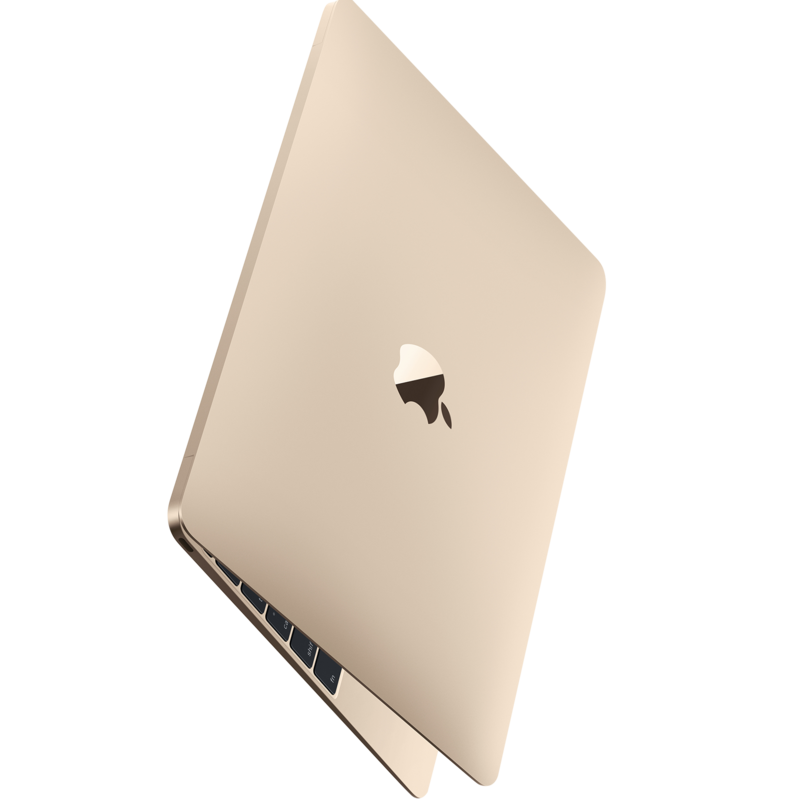
I was very sad to hear that Apple has discontinued my favorite notebook.

When the 12” MacBook was first announced in March of 2015, it was largely overlooked because it was announced alongside the Apple Watch, which cast a huge shadow over this astonishingly tiny notebook. My original thoughts were that while the MacBook was beautiful, I didn’t know who would realistically buy it, given that it was more expensive than the MacBook Air and also less powerful. Because I was working for Apple and could get a significant discount, after a few months of vain longing for such a remarkably thin and light notebook, I convinced myself to try it, and if it was too underpowered, I could always return it. I did not return it—I loved it, and I became the biggest proponent of the MacBook in the whole store.


The 12” MacBook was the first to feature the Force Touch Trackpad, which was a game changer as an input device, offering depth to the way you could interact with OS X. It was the first to feature the butterfly keyboard, and it didn’t suffer from the issues that would later devastate the MacBook Pro and MacBook Air when they adopted the second and third generation Butterly keyboards; in fact, I thought it was terrific—it offered larger, more stable keys that were evenly backlit and felt crisp. It also offered a Retina display, which was previously only available in the MacBook Pro. It was the first to make the switch to USB-C for charging, data transfer, connecting external displays, etc. To boot, it such a well designed thermal architecture with an effective enough heat sink that allowed it to operate without a fan, which meant it was the first notebook Apple had ever made that could run completely silently.

Getting into the nitty gritty, the MacBook cost $1,299, and the base model had a 1.1GHz Intel Core M processor (a point of concern for some customers, though mostly for those who didn’t know what to look for when buying a computer), 8gb of RAM, and 256gb of storage. In my mind, it was an obviously superior machine compared to the current MacBook Air, which at the time started at $999 for 4gb of RAM and 128gb of storage, with a 1.4GHz Intel Core i5 processor, if my memory serves me. The MB had a slightly less powerful chip that was designed to power ultra-portable devices, but the RAM and storage were both double what the MBA offered. AND you got all the aforementioned benefits (better keyboard, better trackpad, better display, thinner and lighter form factor, and color choices) for only $300 more.

Despite these seemingly obvious advantages, it was still a difficult sell (not that I made commission or was expected to meet any sort of sales quotas). It was particularly hard to convince the demographic to which it was best suited: college students. Most college students have a few basic needs from their laptops that the MB was beautifully equipped to handle: the new form factor facilitated extreme portability, the new keyboard provided a more stable typing experience that resulted in less typos in papers and reports, the Force Touch Trackpad with lookup feature made defining unknown words and previewing links a one click process, and the Retina display made reading and watching Netflix a much more pleasurable experience with significantly higher quality and therefore less eye strain. Unfortunately thought, many 18 year olds buying their first Mac had heard that the MBA was the way to go because it was cheaper and had more name recognition than the plain sounding MacBook, so they weren’t keen on spending an extra $300 for a machine with a smaller display. They often didn’t understand that the difference between a standard display and a Retina display meant that the MB actually had far more pixels that the MBA, and that the display could be scaled to replicate a much larger screen if necessary. The way they saw it, they hadn’t used a Force Touch Trackpad or the new keyboard before, and they had been getting along okay without them. They didn’t really understand the significance of what all the tech spec numbers meant, and parents usually only really cared about one number: the price. The fact that the MB had far smaller bezels and looked tiny next to the MBA also hurt its case by making it feel too little, even though the screen size was only one inch smaller and the increase in portability should have been a blessing to college students or business travelers. I still believe there was a bit of vanity involved in the decision making process for most people who decided against the MB—it was the first modern Mac notebook that didn’t have an illuminated Apple logo, and for young men in particular, they often didn’t like the idea of having a laptop that seemed small (despite the fact that the keys and trackpad were actually larger than on any other model).

Customers were also surprisingly unwilling to invest in a $19 USB-A to USB-C adapter, when they could just take the older MBA that already had their precious USB-A ports, despite the fact that when I asked them how they usually stored and transferred files, most were already using iCloud or Google Drive, which pretty much knocks out the need for USB-A ports for flash drives, only leaving the issue of how they would charge their phones, which I admittedly didn’t have a great solution for without purchasing an adapter or a USB-C to lightning cable. But still, what’s $19 when you’re already spending $1,000+?

All that said, I concede that the MB was not right for everyone, and I would tell customers that if I thought they would be better off with a different model. For example, l didn’t hype up the MB when talking to people who needed more processing power for something like photo editing or gaming. But generally, anyone who would have been okay with the MBA would have been great with the MB. For example, if you were just typing papers, watching Netflix, checking email, or browsing the web, I would steer you towards the MB every time.


I absolutely loved my MacBook, and I’m sad that Apple never gave it the promotional attention it deserved to help customers understand what a fantastic little machine it really was. It was simply ahead of its time.

PSA: No, You Shouldn't Cover Your Phone's Selfie Camera

The Mashable author whose article I wrote about earlier this month, Jack Morse, is back with yet another terrible piece highlighting his inept understanding of digital privacy and security. You do NOT need to cover your phone’s front facing camera (at least not if you have an iPhone, which you probably do if you care about decent selfies in the first place). The only decent reason he gives for suggesting you do this is the FaceTime bug from earlier this year, which was patched in just a few days and extremely obvious when it happened to you; it was definitely a cause for concern, but not a reason to carve up a post-it note with an X-Acto knife to make yourself a selfie cam cover as he ludicrously suggests. Seems like Jack Morse has a habit of shameless fear mongering to drive clicks, which is NOT how we’re going to make the digital world safe for consumers again.

Messy Privacy Recommendations, Courtesy of Mashable

I think this Mashable writer was probably trying to do something positive, but his article sucks. 7 iPhone Privacy Settings You Should Enable Now is an absolute mess, and it’s clear that he doesn’t know enough about iOS as a platform to be making recommendations on how you manage your privacy settings. Some of his suggestions are good, but the majority are either insufficiently mild or far too extreme. For example, yes, some weather apps are abusing the “always allow” location permission setting, but changing it to “never,” as he suggests, would mean that you’re not going to get any weather notifications. At the same time, he turned off microphone access for Facebook, but left it turned on for all of his Google apps and Instagram, which are some of the biggest privacy offenders. His recommendation of turning off Live Photos, as if the 1.5 second snippet of video is causing a privacy debacle, is absurd; if it really bothers you, you can disable the “live” aspect of an individual photo after it’s taken, there’s no need to abandon a great feature that adds a delightful amount of context to your photos. 

This whole piece is disturbingly inconsistent, and that’s the opposite of what we need when trying to address the avalanche of privacy issues we face today. People who write articles like this have a responsibility to do a lot more research before publishing an article that could influence tens of thousands of people. 

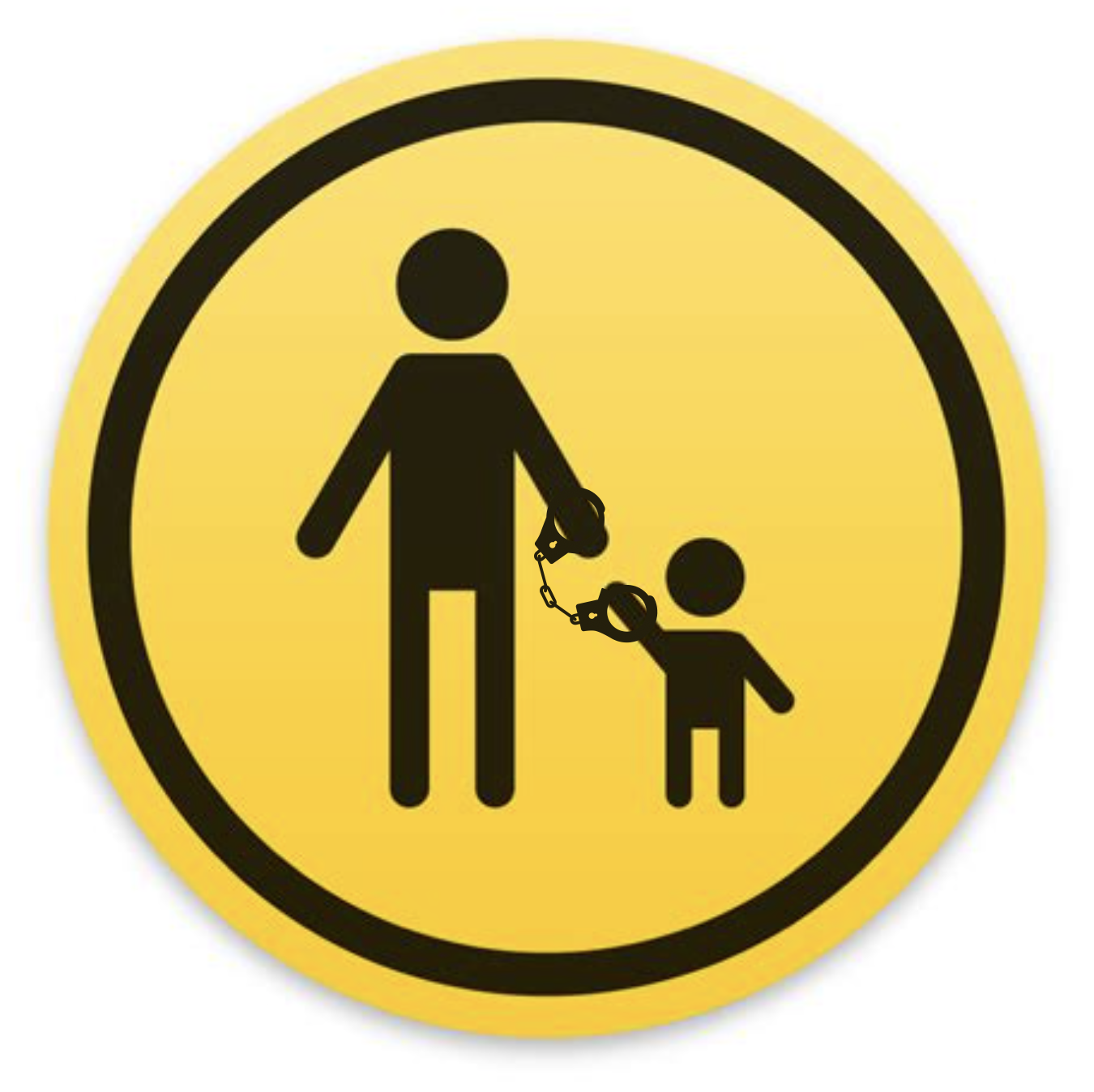
PSA: Parental Control Apps and Devices are Harmful to Your Child

I have a lot of thoughts about the abundance of parental control apps and devices on the market today, and my belief is that they do more harm than good.

Devices and apps that block access to certain sites and restrict times when your child can use the internet (like the Circle device) are frighteningly authoritarian. People generally don’t understand the wealth of information that these sorts of devices have access to, and companies are all too willing to abuse that access because they know parents don’t know the extent of it, and thus they can get away with it. Even worse are the plethora of these apps that take far more data than they need, and give (or sell) it to other companies that you’ve never heard of. Life360 is one such app that shares your child’s location and other sensitive data with third party companies for advertising and other purposes, but parents don’t realize this because they were too lazy to read the privacy policy, and subsequently too quick to install it on their kid’s iPhone after hearing about it from their parent-friends (if you have the Life360 app on your child’s device, I urge you to delete it immediately).

Parents get caught up on all the “benefits” of apps like this, and usually don’t realize that most of the features they enjoy most (such as screen-time management, location tracking, and age-based website filtering) have already been implemented in one way or another by Apple. I know my viewpoint is one-sided in presuming that everyone uses Apple devices, but research shows that 83% of U.S. teenagers use iPhones. And come on, if you’re buying your kid an Android phone, you clearly don’t care about their privacy anyway, so this article isn’t for you.

To be clear, I don’t just have a problem with companies violating children’s privacy; I think its bad when their parents do it too. Some people might say that because it’s their child and it’s their responsibility to care for them, that the child’s privacy is not relevant, but I emphatically disagree. Just because a person is young doesn’t mean that they don’t have a right to a certain amount of privacy, and I believe it is essential for children to have this to start exploring their own ideas and become confident in their ability to do some things independently, and this becomes far more true when we start talking about teenagers. My opinion is that you should’ve raised your child well enough that by the time you’re giving them a device with an internet browser (wether it’s an old iPad when they’re six or their first iPhone at thirteen), you trust them not to look for things that you consider inappropriate. It is one thing to try to prevent your eight year-old from stumbling across daddy’s PornHub history when they’re using the computer, but it’s another thing to be intercepting all of your fifteen year-old’s private messages. Apps that scour text messages, photos, browser history, etc. and send alerts to a parent any time something even questionably inappropriate is found go too far and violate their privacy.

Censorship and pervasive surveillance are tactics implemented by governments who are fearful that they cannot keep their citizens under control, not methods that should be utilized by any decent parent in the free world. Parents should be very cautious and do a lot of thinking before they install any sort of hardware or software with the intent of controlling or keeping tabs on their children. Furthermore, it is extremely irresponsible to use any device or app for this purpose if you haven’t legitimately read the privacy policy.

At the end of the day, I don’t think these apps and devices should be used anyway; the small benefit does not outweigh the massive risks. Plus, your kid probably understands the technology better than you do anyway, and most of these systems aren’t difficult to get around. If your son or daughter is trying to talk to someone or find something on the internet, you probably won’t impede them for very long. You can raise your kids how you want, but doing things like this puts them at more risk than simply leaving them to their own devices (no pun intended).


WWDC 2019 Thoughts

I’ll break this up by platform:

tvOS:

  • The multi-user support is cool.

  • The control center panel is brilliant and overdue.

watchOS:

  • The menstrual cycle tracking prediction was correct, though of course I wasn’t the only one predicting it.

  • The noise level notifications are interesting and definitely not something anyone saw coming.

  • I really like some of the new faces and complication styles.

  • I doubt anyone uses the on-watch App Store.

iOS:

  • Dark mode (no surprise).

  • I love the focus on privacy; I had it on my wish list, and they delivered. I am absolutely stoked about the “Sign in with Apple” button (and especially that it’s mandatory).

  • The ability to buy fonts in the AppStore is great. I’ve wanted custom fonts in Pages on iOS for a long time.

  • I am disappointed about the lack of meaningful Siri updates.

  • Handoff for HomePod is great, and the whole Siri-reading-incoming-messages thing on AirPods is a great feature.

  • The video editing features are very appreciated, but why did it take so long?

  • The new maps look delightful. The Look Around feature will be really helpful.

  • I’m glad there are more Memoji customization options. I’ve always thought they weren’t quite as user-specific as Bitmojis. 

iPadOS:

  • As I mentioned in my predictions, I don’t think this year’s improvements will lead to the iPad replacing your laptop, but it is a huge step in that direction.

  • The full page option for marking up screenshots is great.

  • The new text editing features are going to be a big deal.

  • The files app will be a lot more useful, and I’m particularly excited about iCloud Drive Folder Sharing.

macOS:

  • I like the name Catalina.

  • Sidecar is super handy.

  • I’m not sure how I feel about the new Music, TV, and Podcasts app. Seems like they could’ve simplified iTunes a bit and it would’ve been alright. But the new music app doesn’t look much better than the current Apple Music implementation in iTunes—way too much of a focus on the useless recommended content rather than on your library.

  • The Voice Control feature is incredible. I’m proud to have been a part of a company that cares so much about making products that are accessible for everyone.

 Developer tools:

  • The ARKit improvements were more substantial than I’d predicted, but I still don’t think we’re going to see much meaningful implementation in apps we use everyday.

  • The Catalyst framework is interesting. The marzipan apps generally sucked, and Apple said they’ve learned a lot from them, but the Apple apps they built last year using this technology don’t seemed to have changed much, so I wonder how useful it will really be in making Mac apps, as opposed to iPad apps running in a Mac window.

Mac Pro:


All in all, I’m more excited after this one than I expected to be. I am still disappointed that they didn’t do anything to improve the layout of the iOS Music app, but that wasn’t a surprise. There were a few surprises though, and they were good ones.

WWDC 2019: Wish List and Predictions

WWDC is always a fun time for the Apple nerds out there, and a much bigger deal for most regular people than they realize. Here are my thoughts about this year’s keynote, which is set for Monday, June 3rd, at 10AM (pacific time).

First off, my wish list:

  1. Fix the atrocious Apple Music app. Get rid of the useless Browse, For You, and Radio tabs at the bottom, and replace them with Playlists, Artists, and Albums. Work in better sorting. Streamline the search feature. 

  2. I want to see more Apple Watch health features with extensive backwards compatibility, at least back to the series one models, if not the original models. Apple has such a huge opportunity with the watch to impact people’s lives in a very real, physical, measurable way, and I want to see them continue the great work they’ve done the past few years. 

  3. It is HIGH TIME for some Siri improvements. We have been waiting and watching for years, every year expecting this to be the keynote where Apple rolls out a badass new Siri. They’ve teased us a few times with things like Siri suggestions and other minor voice improvements, but at the end of the day, I don’t give a shit about having Siri tell me hockey scores.  I’m talking Iron Man-style, JARVIS-level intelligence. I know that Apple is behind the curve on this as a result of their focus on privacy, but they’ve gotta figure out a way to at least get Siri up to speed with the Google Assistant. 

  4. HomePod improvements. This flows in the same vein as the Siri thing, but a $300 speaker should be able to do more than a flip phone’s voice control can do.

  5. The rumored, Tile-like tracking devices sound like a very interesting product, and I’d love to see how Apple may work those into their product lineup.

  6. I want more privacy features. Apple has really been flexing on the rest of the industry as far as privacy and security goes, and I don’t want it to stop any time soon. I would love to see an Apple VPN service, or dare I say… a social network.

  7. I would really like for them to revamp the Apple Watch UI in a meaningful way, and finally give the side button a distinct, useful role in controlling the device.

Some Predictions:

  1. This is hardly a prediction, given the leaks, but I’m sure we’ll see an iOS dark mode (finally).

  2. I’d be surprised if we don’t get some new Apple Watch health features, whether that’s sleep tracking, menstrual cycle tracking, more heart-related features, or something else. 

  3. I do think we’ll get some new privacy features; I believe there have been a few rumors of Safari-related privacy features.

  4. I think we’re finally going to get some more substantial iPad updates. Will it finally be able to replace your laptop? Probably not. But I think this year will be an important stepping stone along that path. 

  5. Given the recent MacBook Pro updates and the new iPod Touches that were just released, it seems like Apple doesn’t want to talk too much about hardware this year. I’d say the odds are 60/40 that we’ll see a preview of the new Mac Pro, but I’ll be very surprised if we get anything more than that. 

  6. I predict that Apple will, once again, disappoint me by leaving the Music app practically untouched.

  7. I’m sure we’ll see some heavy touting for new artificial reality features that nobody will really care about. They make it look great on stage, but the technology just isn’t good enough to be useful yet. The truth is I don’t need to play an obviously fake looking LEGO video game through my iPhone’s viewfinder, I don’t need to use the stupid Measure app to find out that a 12-inch ruler sitting on a flat surface is apparently 13.5 inches long, and I don’t need to see what an ugly, yellow, cartoonish-looking chair from IKEA would look like in my living room.

All in all, this WWDC isn’t really as exciting as the past few have been, but maybe they’ll surprise me and check off a couple items from my wish list that I’m not expecting. I miss the days of watching the keynote and not being able to think of anything else for days, but the past two or three years have been really lackluster; if anything, I’d find that I had forgotten half of what they’d announced by the next day. Hopefully they’ll recapture my attention this year like they were able to do in the iOS 7 era. 

Sen. Richard Burr Doesn’t Understand What 5G Networks Do

North Carolina senator Richard Burr has demonstrated his disregard for the constituents he serves multiple times, and his ignorance related to technology issues proves that he doesn’t care enough about those he represents enough to educate himself on important issues. The most striking example of this was his prominent role in trying to force Apple to write a new, parasitic version of iOS that would’ve allowed the FBI access to the San Bernardino shooter’s iPhone, but would have come at the expense of every iPhone and iPad user’s privacy, as it would’ve created the possibility of unauthorized backdoor access for every modern iOS device in the world.

Contributing to his prior displays of technological ignorance is this pandering tweet:

As 5G networks become a reality, it’s critical we get them right. I appreciate @AjitPaiFCC working with Sprint and T-Mobile to make sure rural areas will be widely connected under 5G and that America continues to lead on this next frontier.

It’s clear based on his tweet that he does not understand 5G technology on a fundamental level. While it will increase upload/download speeds, the primary benefit of 5G is that these networks will be capable of delivering fast internet connections to enormous groups of people in the same area: think of times where your phone is practically incapacitated by the number of other devices trying to connect to the internet. Some good examples where 5G would be most helpful include times when you’re at a concert, or in the middle of Manhattan, or at a football game. These are the instances where 5G will shine—when there are thousands of devices in the same spot all vying for a connection.

While it will help everyone, the 5G rollout should absolutely NOT focus on rural areas, because that is exactly the opposite of where its deployment will be most beneficial; they should give top priority to urban areas, because to do anything else would be to ignore the true nature of the technology they’re racing* to implement.

*A race which, despite Mr. Burr’s nationalistic allusion, we are losing.

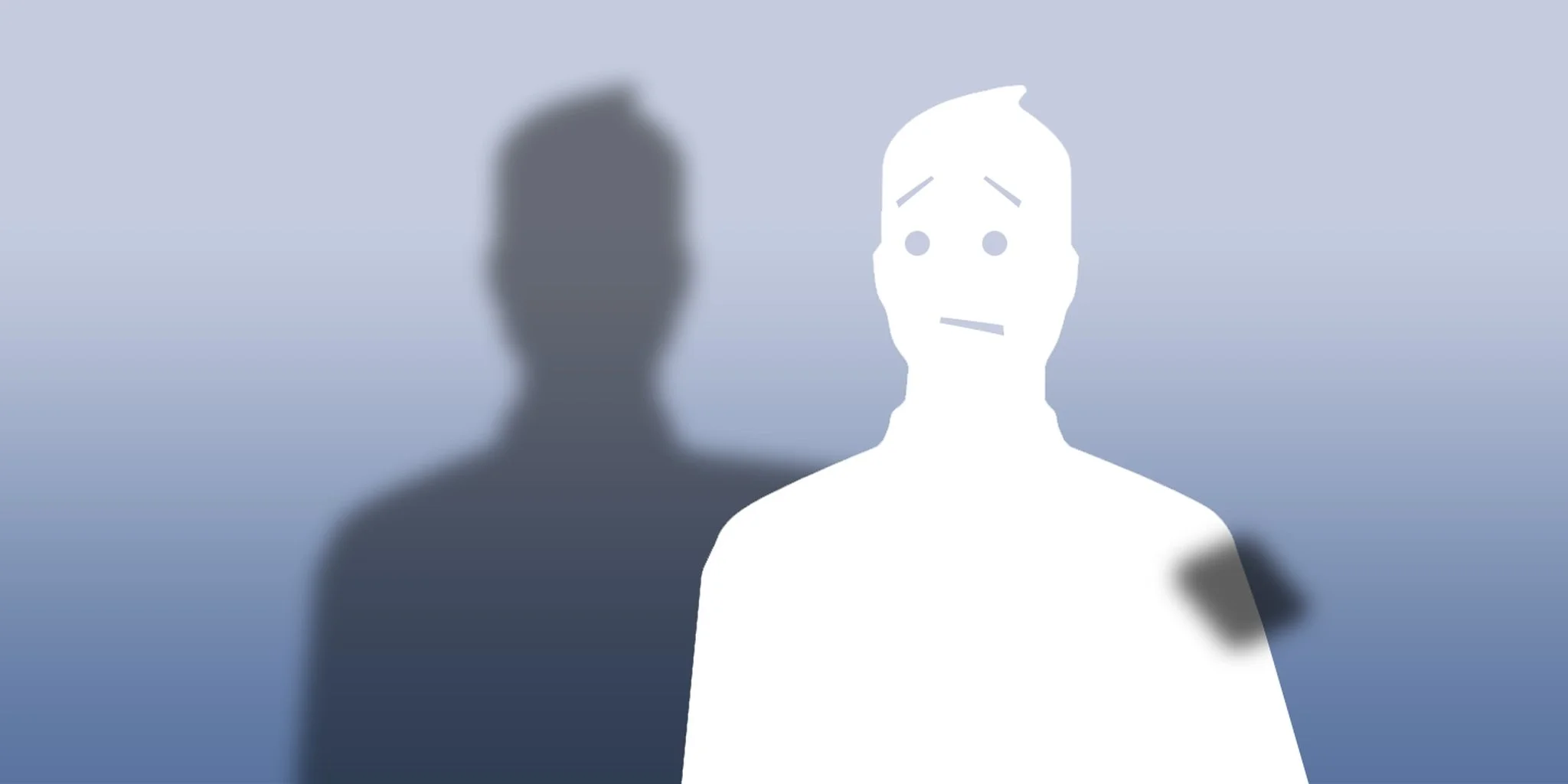
The Shady Reality of Facebook's Shadow Profiles

Most people who know me have heard me complain relentlessly about Facebook at some point, and anyone who doesn’t know me will recognize quickly upon meeting me that I believe Facebook is one of the most dangerous, corrupt, malicious companies in the world. This is a personal account that will help to illustrate why.

I deleted my Facebook account in 2017 after reading a series of articles that pulled back the curtain on their dishonest, predatory practices in regards to mishandling user data and disregarding privacy, often in undeniably intentional ways. One of these many ways included the use of “shadow profiles”,  which are unseen profiles with a wealth of information created internally by Facebook. They are created not only for people who use their services, but also for people who have never used Facebook before. These shadow profiles help Facebook improve their network of users to recommend more relevant friend requests, ads, timeline posts, etc. The problem with this was that nobody had any idea Facebook had made these shadow profiles, as they intentionally kept it a secret. Additionally, they provide no opt-out option or any way to truly remove your data from these shadow profiles; they are entirely beyond consumer access, and were created and maintained regardless of consumer consent.

This all sounds a bit Orwellian, but before you recommend I get fitted for a tinfoil hat, consider this very personal, very true account that proves the existence of Facebook’s shadow profiles.

After I deleted my Facebook account in 2017, they promised to delete my account and the associated data within 90 days. Seeing as I had no way to verify that this would happen, I tried to forget about it, and eventually made peace with the fact that even if they didn’t delete my information, I had done all I could do. Fast forward two years to the present, and I am only more distressed about how Facebook is operating. From the Cambridge Analytica scandal, to the multitude of uncovered lies and privacy debacles, I truly think they’re a criminal enterprise ran by a few greedy people who are so obsessed with their own corporate and personal wellbeing, that they are willing to destroy free speech and democracy in order to preserve themselves. I’ve increasingly felt like I should be doing more to start conversations about how corrupt they are, and I have tried diligently to get others to delete their accounts, too. In fact, CopyrightBro exists largely because I wanted a place to share my ideas, but couldn’t stomach the idea of contributing to the overall success of their operation by publishing (what I consider to be) meaningful ideas in a place where they would get mixed in with useless gender reveal videos and cat memes as a way to placate, entertain, and enslave the millions of ignorant people on whom Facebook relies for advertisement revenue.

Nevertheless, I decided it would be worth it to create a Facebook page for CopyrightBro so that people could see my (specifically anti-Facebook) posts, and I just wouldn’t create a page for Broc Gantt. It turns out, Facebook won’t let you make a business page without first creating a personal profile, so I begrudgingly entered my name and phone number, but refused ALL of the optional information (profile photo, email, etc). Despite this, the third screen Facebook showed me during the account creation process was a screen where they explained how to add friends, followed by a scrolling list of people I know from every area of my life. Family members, high school friends, old work friends, people from college, previous church members, and folks from the local community. They conveniently offered to fill in my high school and college information, as well as offered up my hometown as a suggested location to add to my profile. I knew almost every single person they recommended, and all of the other information about my schools and hometown was spot on. Ultimately, I have decided not to create an account for myself or CopyrightBro.

The bottom line is this: there is no way Facebook could recommend all of that information solely based on the name and phone number of a new user (remember, my account had been permanently deleted two years prior, and they promised to delete all the associated data). The evidence for their utilization of shadow profiles is incontrovertible, and it is a practice that absolutely must come to an end. It is mass-market stalking.

If you’d like to learn more about shadow profiles, I’d recommend checking out this article from The Verge. Of course, I’d also recommend deleting your Facebook profile, but if you can’t yet bring yourself to delete it, share this post, and maybe you can help someone else make the decision. If you’d like help making your decision, spend some more time on CopyrightBro, and I’ll do my best to convince you. Start with my comments on this article about all of Facebook’s lies and coverups.

#deletefacebook