Posts tagged june19
The First 2020 Democratic Primary Debates
IMG_0105.JPG

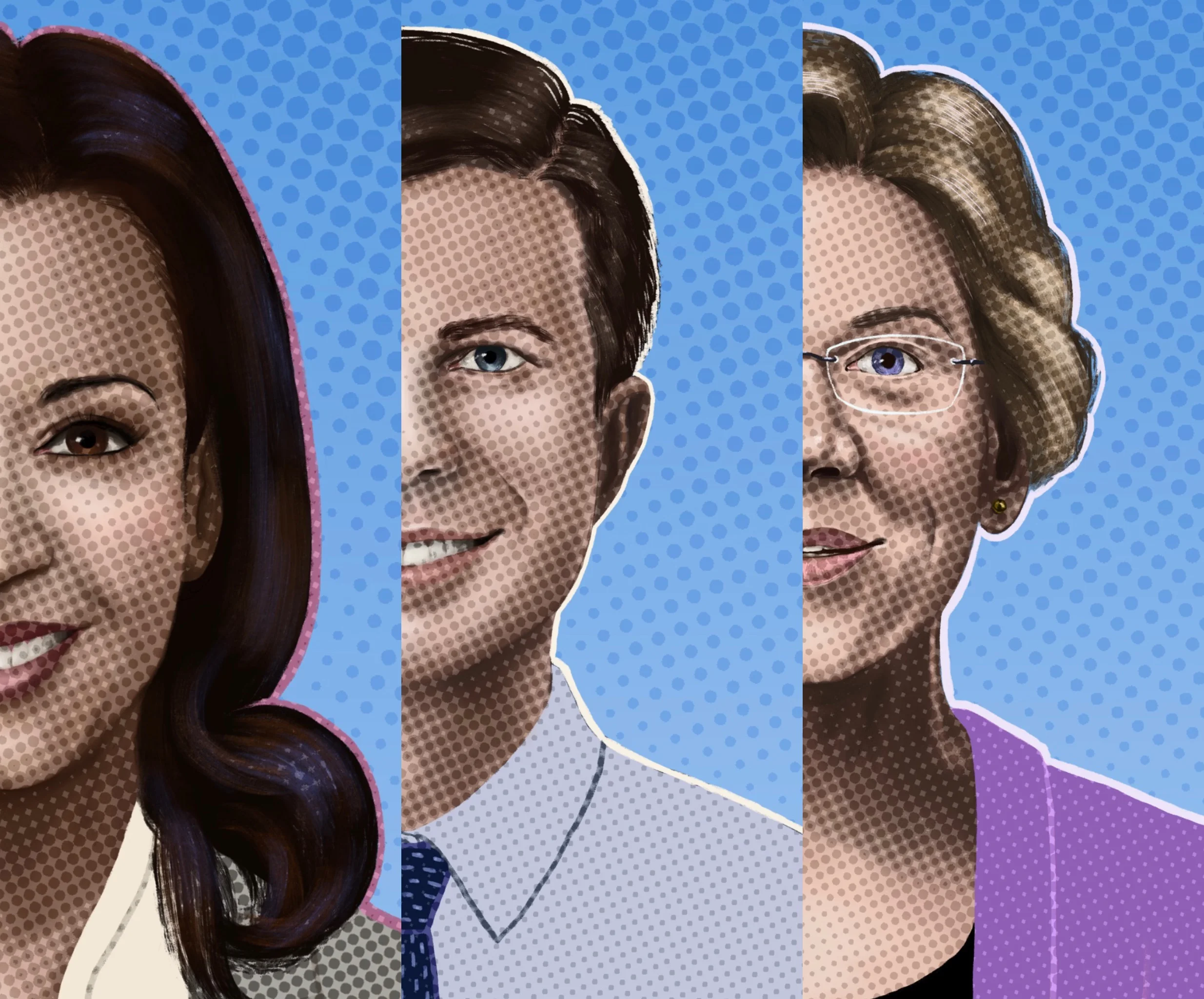
The debates sure proved to be interesting. I stand by my original post saying that they could’ve easily narrowed it down by half, but I’ll concede that doing it over two nights gave more of the serious contenders more chances to speak. The ten I would’ve cut before the debate are, for the most part, the same ten I’d cut after watching them, though I’m ready to make even more cuts now. Two days ago I’d have said they should’ve gone ahead and gotten rid of Delaney, Ryan, Inslee, Swalwell, Williamson, Bennett, Hickenlooper, Castro, Gillibrand, and Klobuchar. My post-debate thoughts on each candidate are as follows.
 

First up, the Nobodies:

Delaney: Sir, this is a Wendy’s. For real though, he seems like a lunatic, who even invited him?

Ryan: This dumbass is really arguing FOR endless war. Bye.

Inslee: You’re here for your grandkids? Cool. You’re too old.

Swalwell: I have nothing to say other than he was extraordinarily unmemorable.

Williamson: The closing remarks about love were interesting but she also seemed a little out of it.

Bennet: Again, very unmemorable.

Hickenlooper: Funny name.
 

Next, the Maybe Potential Contenders who should’ve just quit while they were ahead:

O’Rourke: The Spanish thing was cringeworthy, but he managed to dodge questions in two languages, so I guess that’s cool. Why were we considering him in the first place, given that he couldn’t even beat one of the most despised senators in the country?

Booker: The Spanish thing was even more cringeworthy this time, and somehow the whitest thing I’ve ever seen (which is notable, given that Cory Booker is a black man who was speaking Spanish). He somehow had the most speaking time yet said nothing of substance.

Yang: If people take him seriously, it’s only because he offered them $1k a month for free (and apparently thinks that’s gonna solve climate change or anything else).

Castro: People are giving him more credit than I think he deserves. He did well coming out against Beto, but aside from that and his “Adios Trump” line, he just seemed to be taking angry swipes for no reason.

Biden: Crazy Uncle Joe has GOT to go. He went toe to toe with Kamala Harris to defend an inarguably racist position.

Sanders: I believe Bernie is turning 143 this year, and he is happy to croak to you about how he’s held the exact same political beliefs for 141 of those years.


Better than expected: 

Gillibrand: She really went all in with a passion a lot of other candidates simply lacked, especially in regards to reproductive health.

De Blasio: He wasn’t terribly exciting, but he did have a few answers that impressed me.

Klobuchar: Also had some solid answers, and seemed more genuine than a lot of the others. Her debate performance definitely made her seem like more of a contender than her cringy Twitter videos.

Gabbard: I was originally rooting for Tulsi, but my interest in her had waned a bit. The debate revived that interest; I thought she seemed dedicated and presidential, and she really held Tim Ryan to task on the endless war-front.


Top 3:

Warren: I think Elizabeth Warren conducted herself well. She wasn’t too ambitious and she’s a little older than I’d prefer, but her policy positions are very thorough. Her debate performance wasn’t out of this world, but it was enough to cement her place as a top contender.

Harris: I was mildly interested in Kamala a few months ago, but the debate showed that she’s ready to play hard ball.

Buttigieg: Mayor Pete is my favorite, and he has been since I learned who he was a few months ago. He is calm, but confident. He takes responsibility for his mistakes and shows that he can learn from them. He calls out hypocrisy, and he talks to the people. I believe he is the best candidate for 2020, and I would encourage you to donate to his campaign

The Next Step for Gay Pride

This is a pretty good article. I have a few qualms with it (like how the second half is completely irrelevant to the first half and the title) but overall I think it’s well informed. The second half provides some good insight on the Trump Administration and recent world events, but it’s pretty long already so if I were you I’d stop reading when you get to the subtitle “The Trump Code.”

However, the first half is terrific; it provides a great analysis of the the massive progress that our society has made in the past decade in regards to LGB rights and trans rights, as well as some great ideas about how we can continue to make progress without victimizing ourselves.

There has never been a better time or place in the history of the world to be gay than in 2019 and in the West.

I think it’s worth repeating that — especially in front of the younger generation — because it gives us critical perspective on where we are now and where we are headed. If you glance at media aimed at gays, lesbians, and transgender people, you might imagine we are living in a state of siege. Gay students arriving in college in 2019 will be told instantly that they are oppressed in countless ways, and trans students will be told that they can be oppressed by gay people, as well. Check out the website for the biggest gay lobbying group, the Human Rights Campaign, and you will find that gays and lesbians and transgender people “have been under constant attack” since Trump became president.

… look at what remains: marriage equality, even in Alabama; corporate America competing to brand itself as pro-gay (sometimes to an excruciating degree); full integration of gay service members; a lesbian mayor of Chicago and, in Corey Johnson, a future gay mayor of New York; a married gay man among the main contenders for the Democratic presidential nomination; a cornucopia of media-affirming gay and trans equality; openly gay and lesbian figures in almost every sphere of American life; a preventative pill for HIV and a pill to all but eradicate it from the living; and explicit legal protection from discrimination for half of the gay people in the country.

It is, I know, sometimes hard to take “yes” for an answer. It is also prudent, given human history, to be vigilant in defending the gains. But this level of openness and equality was unimaginable only a decade ago. Compared with the 1950s, when “sodomy” was illegal in every state, when the government hounded gay men and women in public service out of their jobs and demonized them as inherently treasonous, when gay people were barred from entering the country, and when psychiatrists believed them to be mentally ill, this is close to utopia. Compared with the 1980s and early 1990s, when gay men found themselves circling the drain of their own extinction, and witnessed horrors and pain and stigma as never before, this is incredible. Compared with the 1880s, or 1780s, when gay people were assumed to be merely deviant straights and were subject to execution under the law, it is an entirely different universe.

People my age really don’t realize how good they’ve got it.

Because gay men and women are almost always brought up by straight parents, this history is hard to pass on. And so perspectives can be warped. Those whose livelihoods are built on defending victims have an interest in sustaining a victim paradigm for gay America, in which they are the saviors. And victim narratives are comfortable. They allow us to avoid responsibility for our own problems, while transferring it to others. They evoke cheap but satisfying empathy. They seem to cast us as somehow noble for being “oppressed.” They actually provide status among today’s elites — and can help you advance your own career solely on the basis of your orientation if you want to go to college or get a job at a major corporation.

I think it’s time to shuck off this narrative, because it is a crude simplification of the gay experience, because it is profoundly out of date, and because it focuses us on other people we cannot always change while ignoring things closer to home that we can. What we need now, I think, is a narrative more productive and constructive, less about the harm the world can do to us, and more about the good we can give back to the world.

For many, I hope, that will mean just getting on with our lives, without our sexual orientation getting in the way. It’s the sanest approach to being gay, seeing it as an integral but by no means exhaustive way of being human. It will mean earning a living, raising kids in some cases, pursuing careers, sustaining marriages, and everything every straight person does without thinking twice about it. Being gay is not a political act; it is about deeper things than politics: love, above all, but sex and relationships as well.

My own view is that a gay politics was necessary only so that we could eventually get beyond politics, and live as our straight brothers and sisters do, with our sexual orientation being a nonissue in our wider lives. We seek, in this sense, a kind of irrelevance for our sexual orientation — a world in which the hetero and homo categories define none of us, straight or gay, and the category of human includes us all.

I love this part. The best way to normalize something is to act like it’s already normal, rather than drawing unnecessary attention to differences that shouldn’t define you — it’s the societal equivalent of fake it ‘til you make it, and this is exactly why I’m trying to avoid labeling myself as “gay.” Differentiating and victimizing ourselves has gotten us as far as it’s going to; the next step for gay pride is to look at how we can contribute to society, rather than asking what society can do for us.

PSA: No, You Shouldn't Cover Your Phone's Selfie Camera

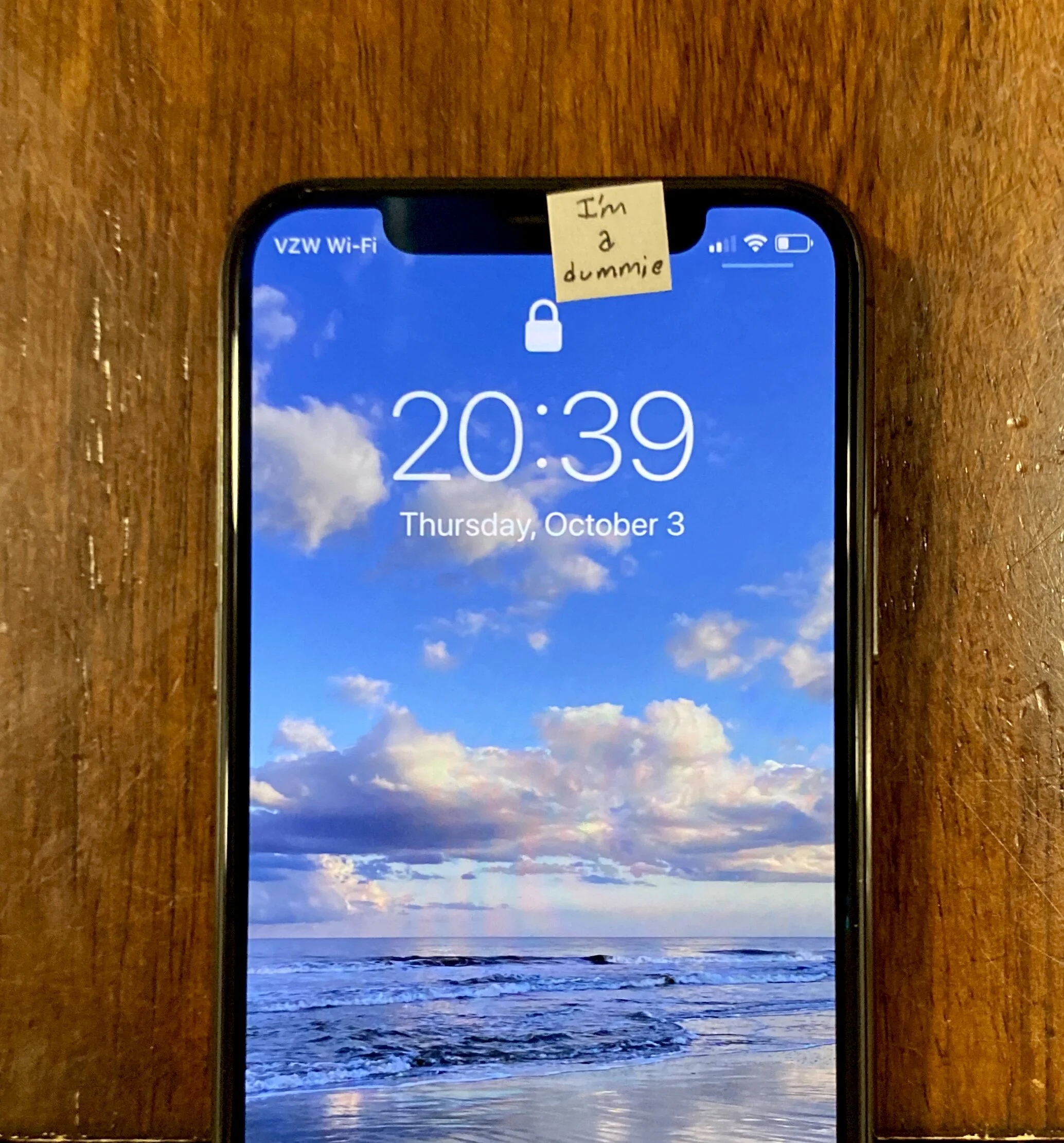
The Mashable author whose article I wrote about earlier this month, Jack Morse, is back with yet another terrible piece highlighting his inept understanding of digital privacy and security. You do NOT need to cover your phone’s front facing camera (at least not if you have an iPhone, which you probably do if you care about decent selfies in the first place). The only decent reason he gives for suggesting you do this is the FaceTime bug from earlier this year, which was patched in just a few days and extremely obvious when it happened to you; it was definitely a cause for concern, but not a reason to carve up a post-it note with an X-Acto knife to make yourself a selfie cam cover as he ludicrously suggests. Seems like Jack Morse has a habit of shameless fear mongering to drive clicks, which is NOT how we’re going to make the digital world safe for consumers again.

A Borrowed Playbook

The parallels between Nazi Germany and the United States are growing stronger by the day.

Donald Trump and Adolf Hitler both:

  • capitalized on decades worth of escalating feelings of white supremacy and perverse nationalism to get elected

  • sought to remove a particular race of people from their nations

  • attempted to censor/discredit press coverage that negatively portrayed their administrations

  • declared national emergencies as a way to circumvent legal systems

  • established detention facilities for people they wished to expel

  • allowed for horrendous living conditions in those detention facilities

  • escalated to using physical force to quell peaceful protestors

  • attacked the press and allowed law enforcement agents to use physical force against them

  • utilized secret police forces

  • deployed chemical agents against their citizens

  • intended to skirt the electoral process and install themselves as permanent leaders

  • had specific days that kicked off their extreme persecution of the groups they sough to expel from their nations

  • used war as a political tool

  • utilized downward pointing red triangles as a symbol to identify political opponents

Americans have got to wake up. Donald Trump needs to be removed from office, and the Republican Party (as well as the Democratic Party) needs to be dismantled.

History doesn’t repeat itself, but it does rhyme.

UPDATED: 06/18/20, 14:17

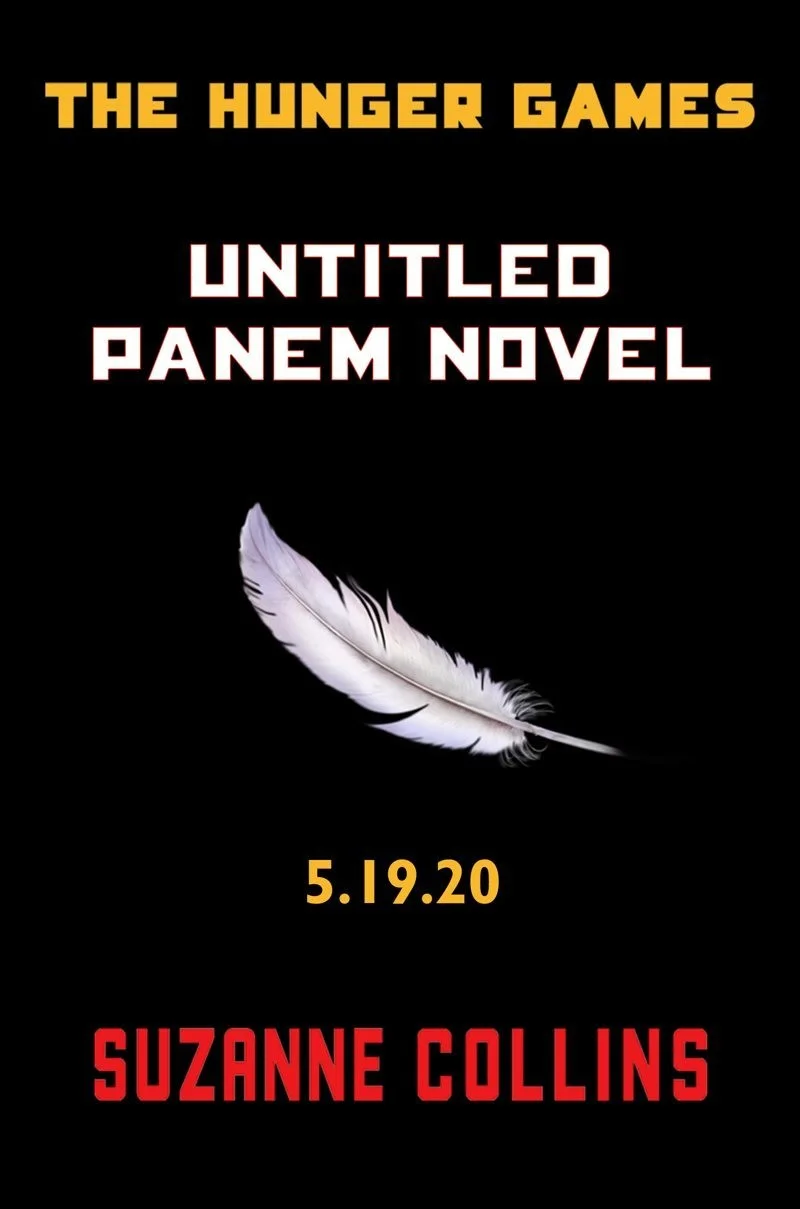
Suzanne Collins Announces ‘Hunger Games’ Prequel Coming in 2020

 This is exciting. I love the Hunger Games—stories that have the ability to make you think critically about the world are the best kind. I’d been thinking recently that I wanted a reason to get excited about the Hunger Games again, so this is perfect. Hopefully they can produce a spinoff a bit more gracefully than the Harry Potter franchise was able to do (despite multiple attempts).

Grayson Fritts Deserves to Be Fired

Grayson Fritts absolutely deserves to be fired. By citing fears of free-speech lawsuits as their reason for offering him an early buyout instead of terminating his employment, the Knox County Sheriff’s Department is demonstrating how spineless they are, they’re demonstrating their disregard for gay Knoxvillians, and they’re demonstrating a lack of understanding of how free speech actually works. 

Grayson Fritts is a Knox County Sheriff’s Department detective who is currently on administrative leave for shooting an unarmed shoplifter in the neck as they ran away. He also happens to be a fire and brimstone, bible thumping lunatic who apparently pastors a church. Recently, a video surfaced of Fritts “evangelizing” to his “congregation” in a venue that looks like it very well could have been a poorly renovated DMV office. During the five minutes of his recorded tirade, he refers to gay people as “animals,” “sodomites,” and “freaks.” He also declares multiple times that gay people should be executed for their “transgressions,” and that police officers have a commitment to carry out those “sentences.” His absurd “sermon” has garnered national attention, having been picked up by publications such as USA Today and The Washington Post.

Grayson Fritts is obviously way out of line here, and so is the KCSD. Inciting violence and hate speech are not types of speech that are protected by the first amendment, and calling for the extermination of a minority group undeniably fits those categories. Knox County Sheriff Tom Spangler needs to do his due diligence in protecting the community he serves, rather than protecting the homophobic officers that serve him. 

Grayson Fritts also called out Taylor Swift for her outspoken support of the Equality Act. Criticizing my girl is enough to make me want to choke anybody, but this desperately closeted faggot clearly offers plenty of other reasons as well.  

Grayson Fritts is a disgusting human being; hopefully he soon suffers a stress induced heart attack behind his Office Depot lectern. There’s no guarantee that will happen, so if you’d like to contact the Knox County Sheriff’s Office to advocate for Fritts’s termination without compensation, you can call them at (865) 215-2444, or you can submit this contact form.

I NEED TO CALM DOWN
FullSizeRender.jpg

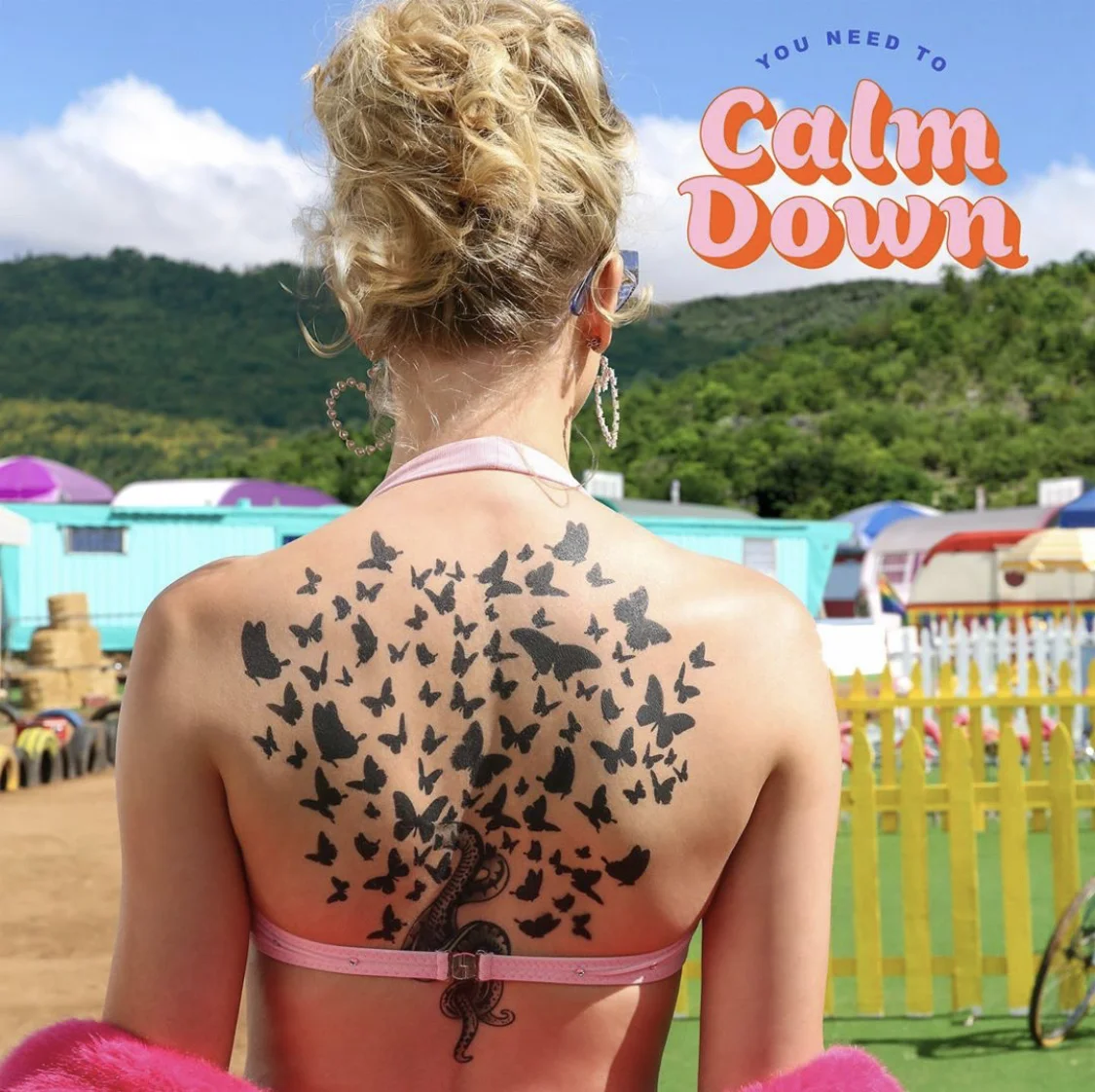
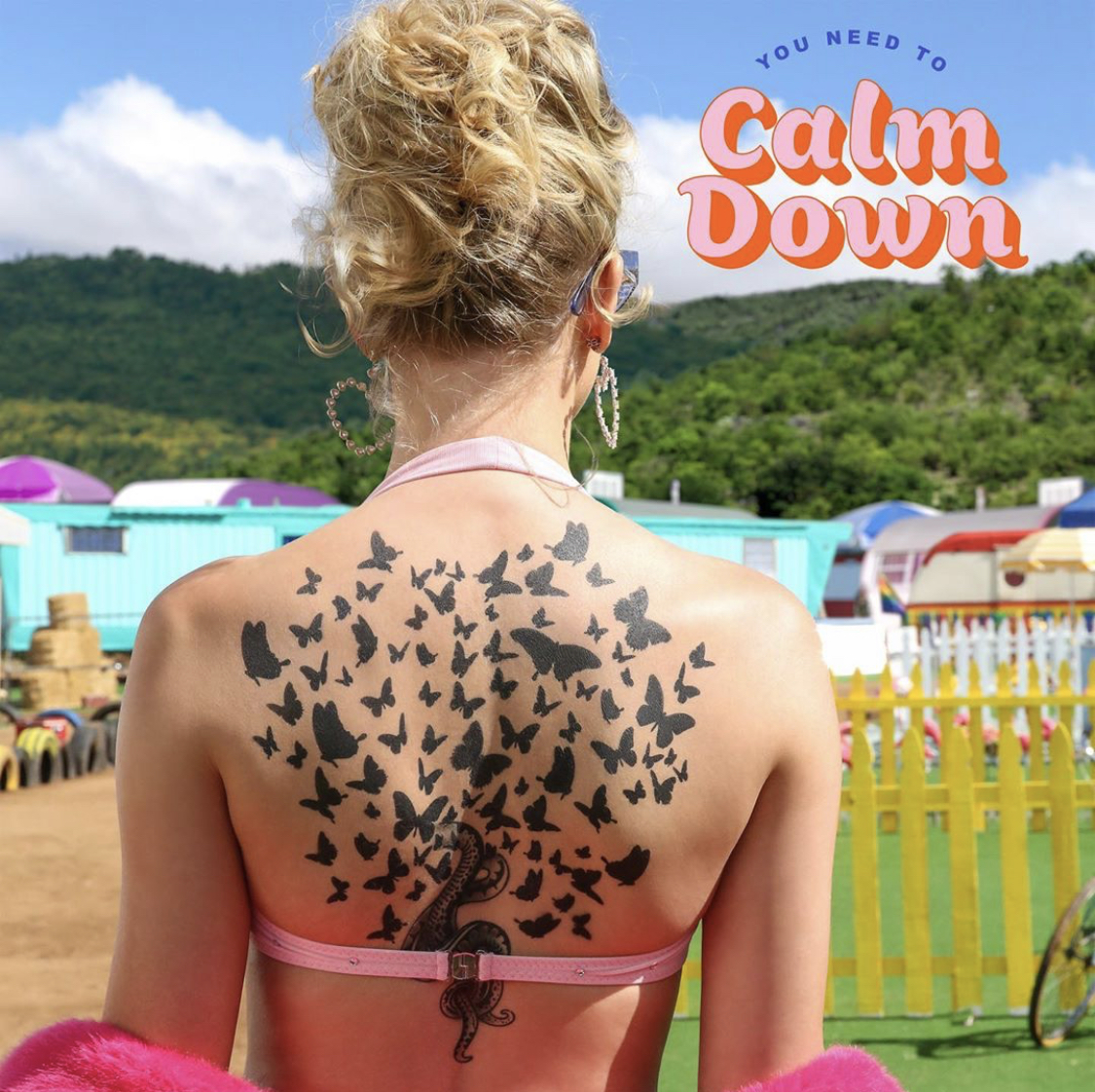
Taylor Swift’s latest single, “You Need To Calm Down,” dropped less than 30 minutes ago (I’m writing this at 00:28, 6/14/19) and my first impression after listening to it 7 times is that it absolutely SLAPS.

Like, Cal vs. Rose in Titanic-SLAP. Hermione vs. Draco in Prisoner of Azkaban-SLAP. Friday night, frat house-ballsack SLAPPIN’ (no homo bro*). “You Need To Calm Down” is ONE COMPLETE AND TOTAL SLAP.🖐🏼

IMG_1224.GIF

Man. Anyway. YNTCD has a different sound than most of Taylor’s previous music, but I think she pulls it off gracefully. It also has a few GREAT lyrics that have probably been in Taylor’s back pocket for a while. I think it’s terrific, and I think we’re in for an incredible album, come August 23rd.

*It’s absolutely worth noting that YNTCD is an instant gay anthem and a loud “fuck you” to homophobic pricks everywhere. So, thanks sis.😏 

Apparently, 20 Democrats Qualified for the First DNC Debate

Let me start this angry post by saying I am not a Democrat. I generally think that people who cling to political parties, whether Republican or Democrat, have a tendency to be uninformed followers. It’s 2019, and it’s time for us to educate ourselves so that we’re equipped to make our own decisions on individual issues rather than relying on political parties to tell us what our beliefs are. Regardless of whether you’re more liberal or conservative, you need to be paying attention to the political landscape on both sides of the aisle in the run up to the 2020 election, and you also need to be seriously asking yourself whether your beliefs are ones that you’ve forged on your own, or whether they were a predetermined collection of beliefs bestowed to you by a political party, religious organization, or other group.

Getting back to the topic at hand, the Democratic Party needs to get their shit together if they want to challenge Trump in 2020. Some of these candidates are absolutely laughable. Most of them aren’t polling higher than 2%. Bernie is about 900 years old these days. Everyone sees Biden as “Crazy Uncle Joe.” There are really only a few viable options here—in my opinion, the best two democratic candidates are Pete Buttigieg (who is polling at 14% in Iowa) and Elizabeth Warren. Arguments could be made for Beto O’Rourke and Kamala Harris. Ultimately however, I think the DNC could’ve cut the number of candidates in half, and we’d probably have a much more informative debate that will showcase the talents of those who deserve to be there, unlike some of them who seem to have been gifted their spots.

I know there’s a certain amount of strategy behind not letting a front runner emerge this early for the sake of limiting the time their opponents have to pick them apart, but it’s almost as if they want to drag this out and keep all these irrelevant names on the table until the point when none of them can get ahead enough to gain any notoriety, just so they can all keep complaining about Trump for four more years.

‘Never Sever Us’ – A Corny, Sexy Fanfiction
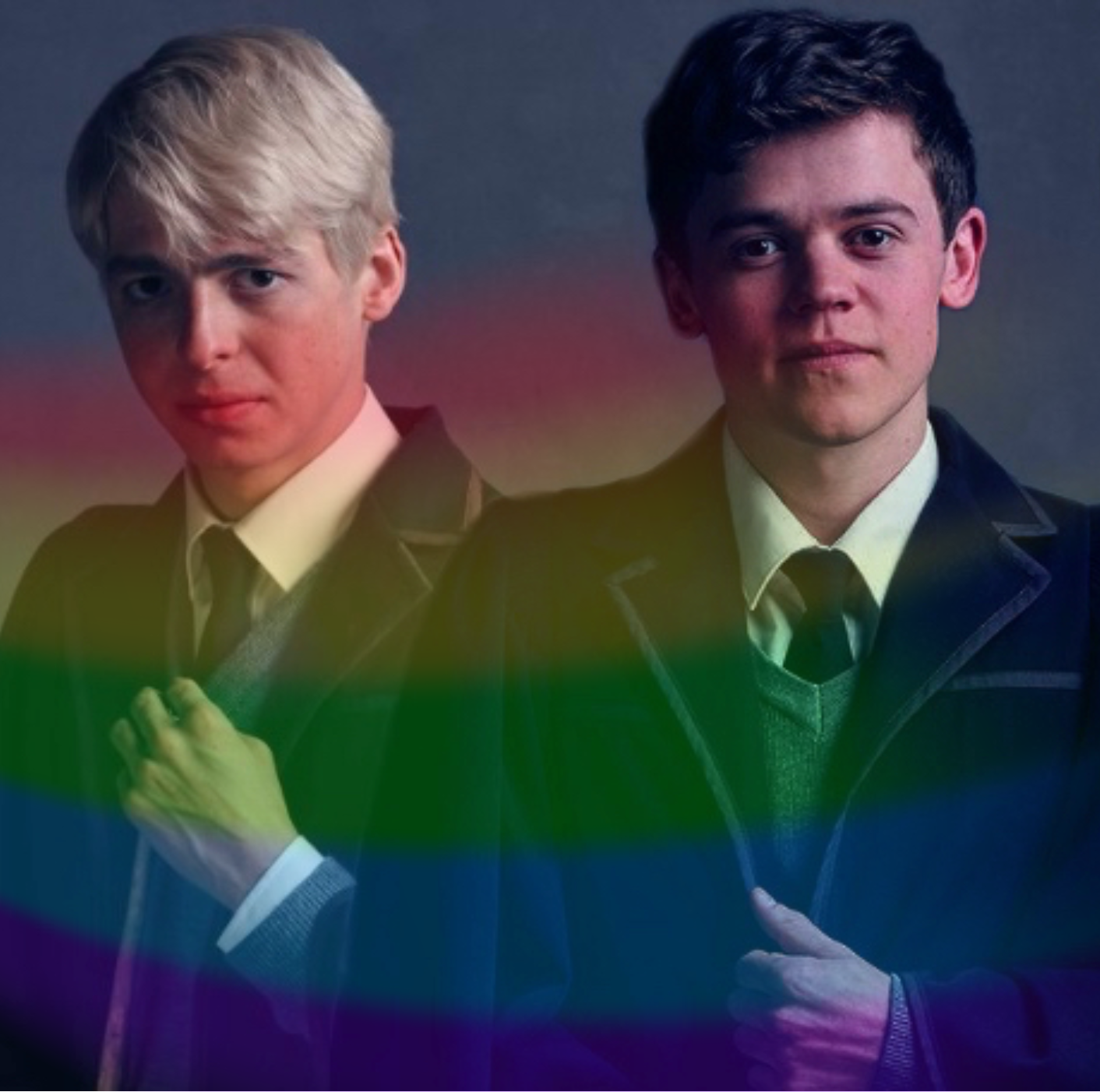
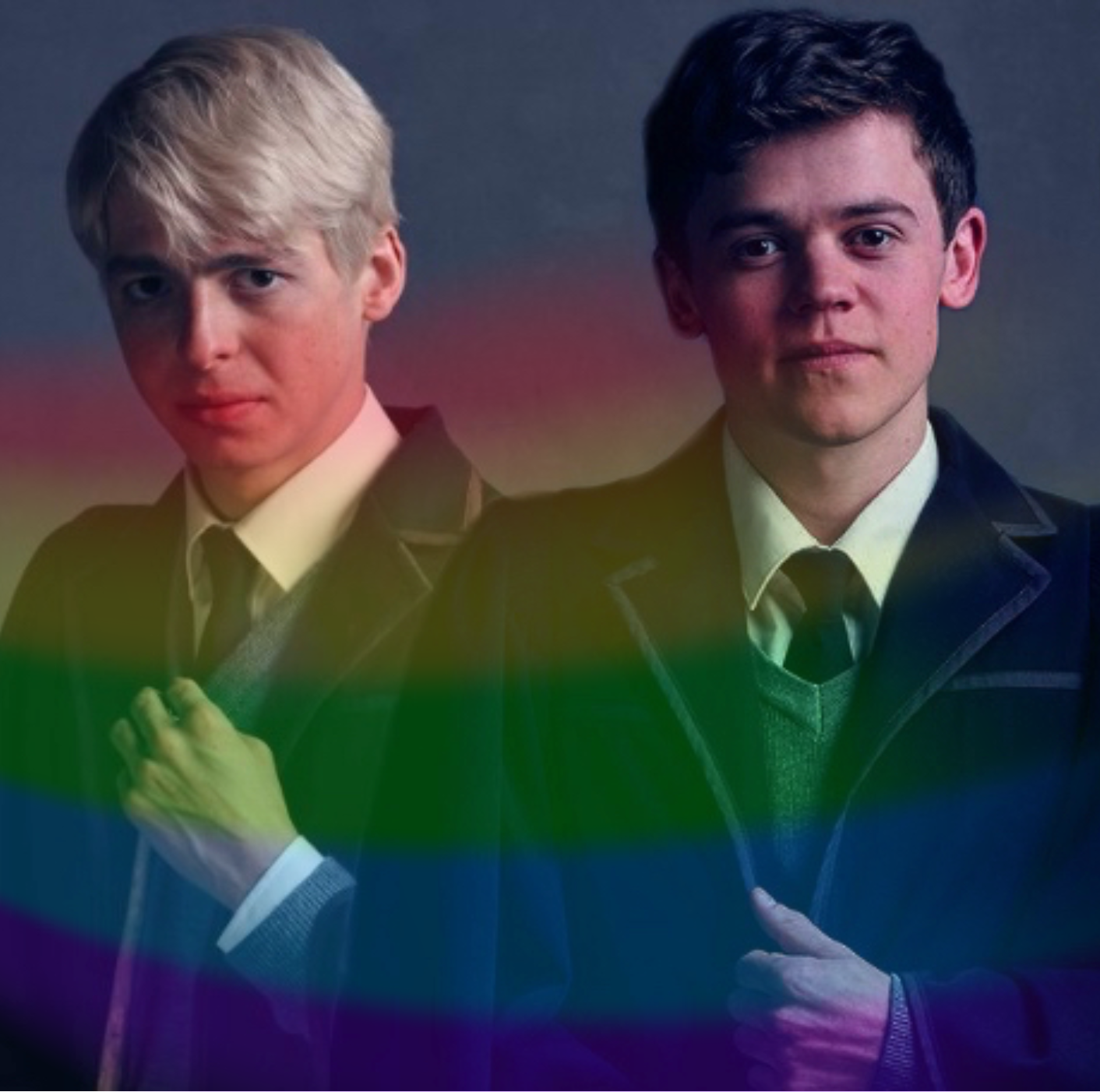
Image 14.png

This story is basically an erotica-style alternate ending for Harry Potter and the Cursed Child. I generally don’t care for fan fiction at all—I think it’s a very overrated medium. I read this because I wanted a laugh and I love the guy who wrote it (Andrew Sims, a longtime leader of the Harry Potter fandom and host of MuggleCast, one of my favorite podcasts), and for better or for worse, it seems more like canon than the actual ending of CC. It is undeniably smutty at some points (hey, if that’s what you’re into, go for it), but when it’s not being E.L. James-y, it’s actually pretty charming.

TS7 Gets a Title
5A3515F2-F50E-4F57-9C44-09F39A42D473.JPG

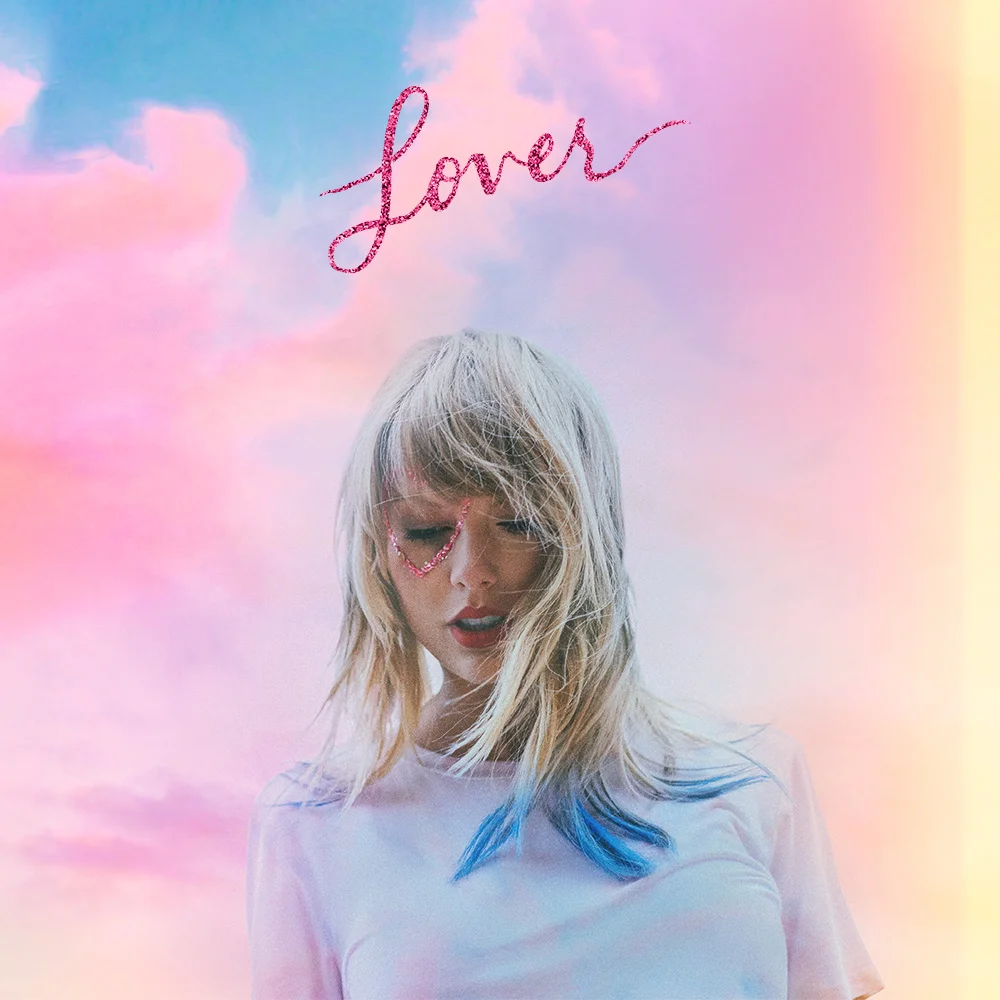
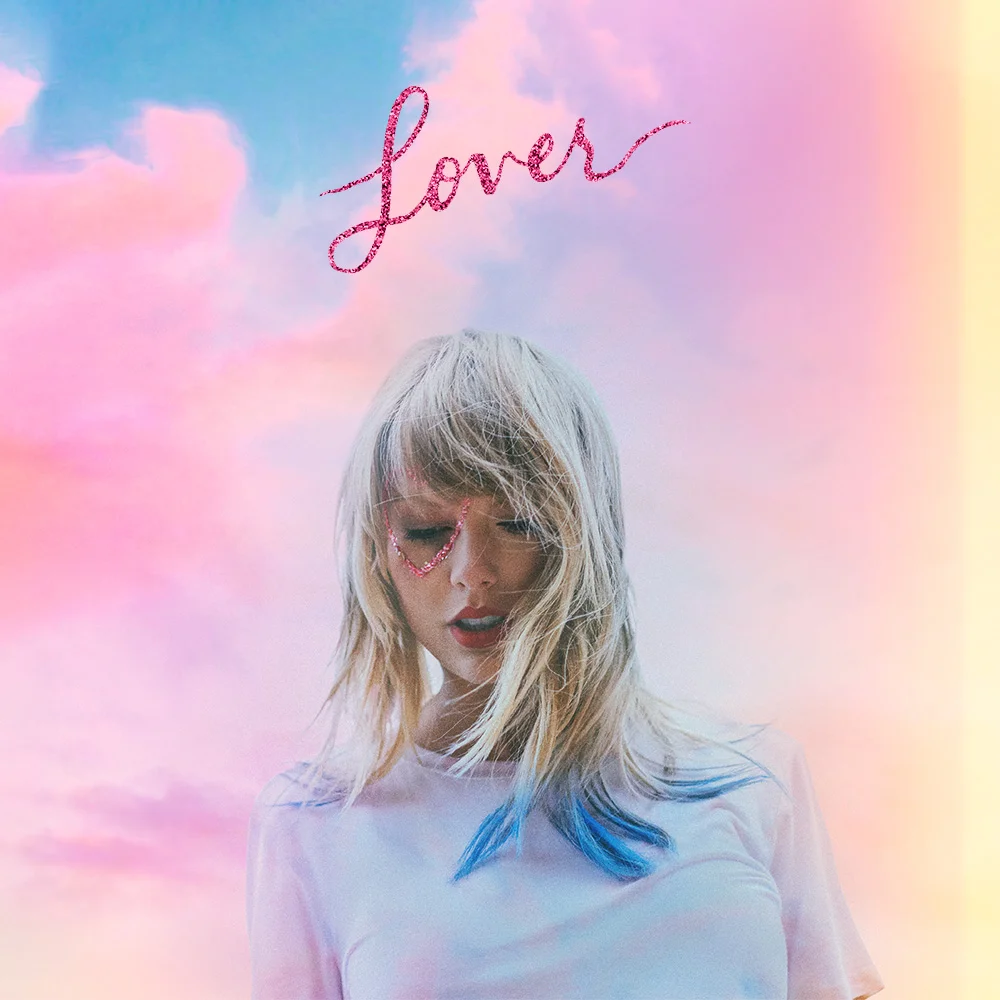
Taylor Swift just announced via an Instagram post that her upcoming 7th album will be titled Lover, and will be released on August 23rd; I am very excited. 💗

She had previously said that the ”ME!” music video subtly revealed the titles of both this upcoming album and the next single to be released. I think most people, myself included, assumed that the next single would be called “Lover,” not the album (which I had guessed would be called Kaleidoscope). The “Lover”-guess originated from this scene at 1:57–I thought it seemed a bit too obvious to be the album title, but here we are. The next single is going to be called “You Need To Calm Down,” and I hope it is every bit as sassy as it sounds.

I think the album artwork is gorgeous; it’s colorful and fun, and I appreciate that it gives equal weight to the primary colors rather than just focusing on unbalanced pastel shades (I was afraid it would be seafoam green, light purple, and pink).

Also of note, the album has a whopping 18 songs, and is already available to pre-add or pre-order from all the big digital music stores and streaming companies. 

Trump Administration Takes Huge Step Toward Ending AIDS
Trump w Pride Flag.png

I am pretty critical of Donald Trump and his administration, but credit must be given where credit is due. Yesterday evening, Trump retweeted a series of tweets from early May by Sec. Alex Azar (the secretary of the U.S. Department of Health & Human Services), which announced a huge step along the path of ending AIDS in the United States. The official statement from HHS.gov explains that the Trump Administration has arranged a deal with pharmaceutical company Gilead Sciences, the manufacturer of the drug Truvada (Tenofovir Emtricitabine). The details of the deal include arrangements to provide access to Truvada for PrEP for 200,000 Americans per year for up to eleven years.

Truvada is a once-per-day pill which can be taken as a preventative for those at an elevated risk of HIV exposure, a group which consists largely of men who have sex with men. When taken consistently, Truvada for PrEP (pre-exposure prophylaxis) has been found to be significantly more effective than condoms at preventing HIV infections that result from anal sex with an HIV-positive partner.

The Department of Health and Human Services website explains that this initiative by the Trump Administration to end the AIDS epidemic could reduce new HIV infections by 90% by 2030. This is absolutely groundbreaking news.

I am a big proponent of PrEP; I personally use Truvada and can attest to its effectiveness. If you are interested in learning more about PrEP or how you can get it for free (with or without insurance), please feel free to reach out to me and/or check out this info packet from the CDC.


It is also worth pointing out that Alexandria Ocasio-Cortez recently received a lot of well-deserved media attention for calling out Gilead Sciences CEO, Daniel O’Day, for the outrageous price of Truvada in the United States (nearly $2,000 per month, for those without insurance), given that it is available in other countries for dramatically less (just $8 per month in Australia).

Unfortunately, neither the right-wing nor left-wing media outlets decided to give the Trump Administration much recognition for their undeniably positive work in securing access to this drug for Americans who need it, because it doesn’t fit their established models of relying on identity politics to draw in audiences. It must have been unfathomable for Fox News to consider recognizing Donald Trump for doing something to benefit gay people, given that so much of their support of him is founded on his appeal to their largely homophobic audience. Similarly, it would have been nearly impossible for any of the left-wing news outlets to give Trump credit for helping gay people, because so much of their negative coverage of him is predicated on the fear-inducing idea that he is homophobic and poses a threat to LGB Americans. This is a perfect example of why identity politics is so harmful—an unarguably positive story from Washington got practically no airtime because it didn’t benefit the news outlets to present it, even though the story itself is extremely beneficial for their audiences.

Both the left-wing and right-wing media have been on this path for a while, and the LGB people of America have played right into the identity politics. The truth is that Donald Trump is not out to get LGB people. In fact, he promised to protect them:

“As your president, I will to everything in my power to protect our LGBTQ citizens”

(Crowd cheering)

“And I have to say, as a Republican, it is so nice to hear you cheering for what I just said. Thank you.”

—Donald Trump, RNC Nomination Acceptance Speech, Jul. 21, 2016

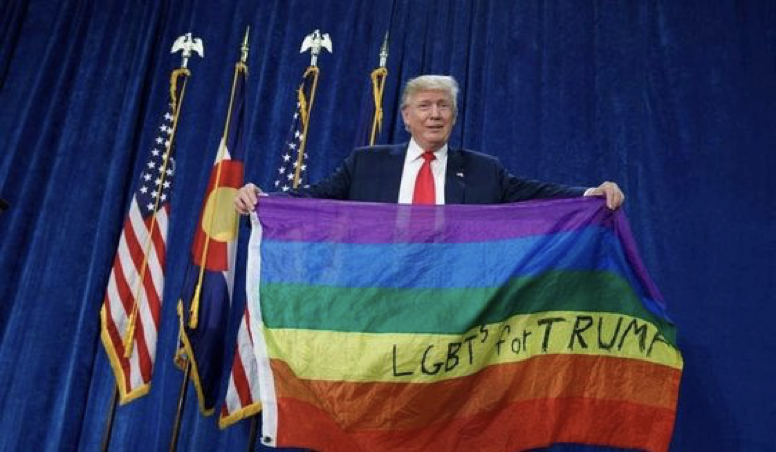
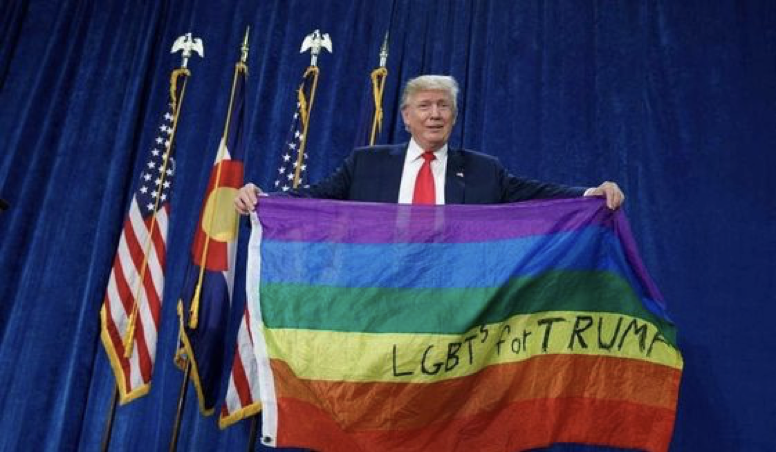
Additionally, there’s this photo of Trump holding a rainbow flag at a campaign rally in Greely, Colorado, adding further support to the idea that Trump genuinely wants to make a positive impact for LGB Americans.

Whether you think his previous claims of supporting LGB people were genuine or not, this latest move is definitive proof. Working to provide Truvada for PrEP for 200,000 people has the potential to be the greatest impact of his term, and it very well could be the nail in the coffin for the AIDS epidemic in the United States.

Messy Privacy Recommendations, Courtesy of Mashable

I think this Mashable writer was probably trying to do something positive, but his article sucks. 7 iPhone Privacy Settings You Should Enable Now is an absolute mess, and it’s clear that he doesn’t know enough about iOS as a platform to be making recommendations on how you manage your privacy settings. Some of his suggestions are good, but the majority are either insufficiently mild or far too extreme. For example, yes, some weather apps are abusing the “always allow” location permission setting, but changing it to “never,” as he suggests, would mean that you’re not going to get any weather notifications. At the same time, he turned off microphone access for Facebook, but left it turned on for all of his Google apps and Instagram, which are some of the biggest privacy offenders. His recommendation of turning off Live Photos, as if the 1.5 second snippet of video is causing a privacy debacle, is absurd; if it really bothers you, you can disable the “live” aspect of an individual photo after it’s taken, there’s no need to abandon a great feature that adds a delightful amount of context to your photos. 

This whole piece is disturbingly inconsistent, and that’s the opposite of what we need when trying to address the avalanche of privacy issues we face today. People who write articles like this have a responsibility to do a lot more research before publishing an article that could influence tens of thousands of people. 

PSA: Parental Control Apps and Devices are Harmful to Your Child

I have a lot of thoughts about the abundance of parental control apps and devices on the market today, and my belief is that they do more harm than good.

Devices and apps that block access to certain sites and restrict times when your child can use the internet (like the Circle device) are frighteningly authoritarian. People generally don’t understand the wealth of information that these sorts of devices have access to, and companies are all too willing to abuse that access because they know parents don’t know the extent of it, and thus they can get away with it. Even worse are the plethora of these apps that take far more data than they need, and give (or sell) it to other companies that you’ve never heard of. Life360 is one such app that shares your child’s location and other sensitive data with third party companies for advertising and other purposes, but parents don’t realize this because they were too lazy to read the privacy policy, and subsequently too quick to install it on their kid’s iPhone after hearing about it from their parent-friends (if you have the Life360 app on your child’s device, I urge you to delete it immediately).

Parents get caught up on all the “benefits” of apps like this, and usually don’t realize that most of the features they enjoy most (such as screen-time management, location tracking, and age-based website filtering) have already been implemented in one way or another by Apple. I know my viewpoint is one-sided in presuming that everyone uses Apple devices, but research shows that 83% of U.S. teenagers use iPhones. And come on, if you’re buying your kid an Android phone, you clearly don’t care about their privacy anyway, so this article isn’t for you.

To be clear, I don’t just have a problem with companies violating children’s privacy; I think its bad when their parents do it too. Some people might say that because it’s their child and it’s their responsibility to care for them, that the child’s privacy is not relevant, but I emphatically disagree. Just because a person is young doesn’t mean that they don’t have a right to a certain amount of privacy, and I believe it is essential for children to have this to start exploring their own ideas and become confident in their ability to do some things independently, and this becomes far more true when we start talking about teenagers. My opinion is that you should’ve raised your child well enough that by the time you’re giving them a device with an internet browser (wether it’s an old iPad when they’re six or their first iPhone at thirteen), you trust them not to look for things that you consider inappropriate. It is one thing to try to prevent your eight year-old from stumbling across daddy’s PornHub history when they’re using the computer, but it’s another thing to be intercepting all of your fifteen year-old’s private messages. Apps that scour text messages, photos, browser history, etc. and send alerts to a parent any time something even questionably inappropriate is found go too far and violate their privacy.

Censorship and pervasive surveillance are tactics implemented by governments who are fearful that they cannot keep their citizens under control, not methods that should be utilized by any decent parent in the free world. Parents should be very cautious and do a lot of thinking before they install any sort of hardware or software with the intent of controlling or keeping tabs on their children. Furthermore, it is extremely irresponsible to use any device or app for this purpose if you haven’t legitimately read the privacy policy.

At the end of the day, I don’t think these apps and devices should be used anyway; the small benefit does not outweigh the massive risks. Plus, your kid probably understands the technology better than you do anyway, and most of these systems aren’t difficult to get around. If your son or daughter is trying to talk to someone or find something on the internet, you probably won’t impede them for very long. You can raise your kids how you want, but doing things like this puts them at more risk than simply leaving them to their own devices (no pun intended).


U.S. Troops to Spend a Month Painting Border Wall

This is an absolutely shameful utilization of our military. Coming on the heels of the story about the USS John McCain, Trump is once again illustrating his lack of respect for our men and women in uniform, this time by having them engage in degrading busy work that serves no practical purpose and is solely intended to make an ugly political proposal more palatable. If you believe painting a wall is a legitimate task for our troops, you are no patriot.

Increased military presence along the southern border, whether our troops are being ordered to paint walls or herd immigrant children into cages, is not what we need to fix our ineffective immigration system. Undocumented immigrants do pose a threat to our economy, and it is a huge problem, but it’s one that needs to be solved with enforceable, effective policy—not by military action. As I wrote last week, it seems clear that this administration has no moral qualm with using our military as a political tool to rile up support from their base, and the American people (on both sides of the aisle) need to do a better job of calling out our leaders and demanding more respect for our military personnel.

Former School Resource Officer at Stoneman Douglas High School Faces 11 Charges

But we need more resource officers to prevent school shootings. Okay.

After the most recent shooting in Virginia Beach, I wrote three letters (one to my representative, Patrick McHenry, and to my two senators, Richard Burr and Thom Tillis) to express my concerns and encourage our leaders to support common sense gun legislation. You should do the same. Find your representative’s and senators’ contact information with this handy app.

Source

WWDC 2019 Thoughts

I’ll break this up by platform:

tvOS:

  • The multi-user support is cool.

  • The control center panel is brilliant and overdue.

watchOS:

  • The menstrual cycle tracking prediction was correct, though of course I wasn’t the only one predicting it.

  • The noise level notifications are interesting and definitely not something anyone saw coming.

  • I really like some of the new faces and complication styles.

  • I doubt anyone uses the on-watch App Store.

iOS:

  • Dark mode (no surprise).

  • I love the focus on privacy; I had it on my wish list, and they delivered. I am absolutely stoked about the “Sign in with Apple” button (and especially that it’s mandatory).

  • The ability to buy fonts in the AppStore is great. I’ve wanted custom fonts in Pages on iOS for a long time.

  • I am disappointed about the lack of meaningful Siri updates.

  • Handoff for HomePod is great, and the whole Siri-reading-incoming-messages thing on AirPods is a great feature.

  • The video editing features are very appreciated, but why did it take so long?

  • The new maps look delightful. The Look Around feature will be really helpful.

  • I’m glad there are more Memoji customization options. I’ve always thought they weren’t quite as user-specific as Bitmojis. 

iPadOS:

  • As I mentioned in my predictions, I don’t think this year’s improvements will lead to the iPad replacing your laptop, but it is a huge step in that direction.

  • The full page option for marking up screenshots is great.

  • The new text editing features are going to be a big deal.

  • The files app will be a lot more useful, and I’m particularly excited about iCloud Drive Folder Sharing.

macOS:

  • I like the name Catalina.

  • Sidecar is super handy.

  • I’m not sure how I feel about the new Music, TV, and Podcasts app. Seems like they could’ve simplified iTunes a bit and it would’ve been alright. But the new music app doesn’t look much better than the current Apple Music implementation in iTunes—way too much of a focus on the useless recommended content rather than on your library.

  • The Voice Control feature is incredible. I’m proud to have been a part of a company that cares so much about making products that are accessible for everyone.

 Developer tools:

  • The ARKit improvements were more substantial than I’d predicted, but I still don’t think we’re going to see much meaningful implementation in apps we use everyday.

  • The Catalyst framework is interesting. The marzipan apps generally sucked, and Apple said they’ve learned a lot from them, but the Apple apps they built last year using this technology don’t seemed to have changed much, so I wonder how useful it will really be in making Mac apps, as opposed to iPad apps running in a Mac window.

Mac Pro:


All in all, I’m more excited after this one than I expected to be. I am still disappointed that they didn’t do anything to improve the layout of the iOS Music app, but that wasn’t a surprise. There were a few surprises though, and they were good ones.

WWDC 2019: Wish List and Predictions

WWDC is always a fun time for the Apple nerds out there, and a much bigger deal for most regular people than they realize. Here are my thoughts about this year’s keynote, which is set for Monday, June 3rd, at 10AM (pacific time).

First off, my wish list:

  1. Fix the atrocious Apple Music app. Get rid of the useless Browse, For You, and Radio tabs at the bottom, and replace them with Playlists, Artists, and Albums. Work in better sorting. Streamline the search feature. 

  2. I want to see more Apple Watch health features with extensive backwards compatibility, at least back to the series one models, if not the original models. Apple has such a huge opportunity with the watch to impact people’s lives in a very real, physical, measurable way, and I want to see them continue the great work they’ve done the past few years. 

  3. It is HIGH TIME for some Siri improvements. We have been waiting and watching for years, every year expecting this to be the keynote where Apple rolls out a badass new Siri. They’ve teased us a few times with things like Siri suggestions and other minor voice improvements, but at the end of the day, I don’t give a shit about having Siri tell me hockey scores.  I’m talking Iron Man-style, JARVIS-level intelligence. I know that Apple is behind the curve on this as a result of their focus on privacy, but they’ve gotta figure out a way to at least get Siri up to speed with the Google Assistant. 

  4. HomePod improvements. This flows in the same vein as the Siri thing, but a $300 speaker should be able to do more than a flip phone’s voice control can do.

  5. The rumored, Tile-like tracking devices sound like a very interesting product, and I’d love to see how Apple may work those into their product lineup.

  6. I want more privacy features. Apple has really been flexing on the rest of the industry as far as privacy and security goes, and I don’t want it to stop any time soon. I would love to see an Apple VPN service, or dare I say… a social network.

  7. I would really like for them to revamp the Apple Watch UI in a meaningful way, and finally give the side button a distinct, useful role in controlling the device.

Some Predictions:

  1. This is hardly a prediction, given the leaks, but I’m sure we’ll see an iOS dark mode (finally).

  2. I’d be surprised if we don’t get some new Apple Watch health features, whether that’s sleep tracking, menstrual cycle tracking, more heart-related features, or something else. 

  3. I do think we’ll get some new privacy features; I believe there have been a few rumors of Safari-related privacy features.

  4. I think we’re finally going to get some more substantial iPad updates. Will it finally be able to replace your laptop? Probably not. But I think this year will be an important stepping stone along that path. 

  5. Given the recent MacBook Pro updates and the new iPod Touches that were just released, it seems like Apple doesn’t want to talk too much about hardware this year. I’d say the odds are 60/40 that we’ll see a preview of the new Mac Pro, but I’ll be very surprised if we get anything more than that. 

  6. I predict that Apple will, once again, disappoint me by leaving the Music app practically untouched.

  7. I’m sure we’ll see some heavy touting for new artificial reality features that nobody will really care about. They make it look great on stage, but the technology just isn’t good enough to be useful yet. The truth is I don’t need to play an obviously fake looking LEGO video game through my iPhone’s viewfinder, I don’t need to use the stupid Measure app to find out that a 12-inch ruler sitting on a flat surface is apparently 13.5 inches long, and I don’t need to see what an ugly, yellow, cartoonish-looking chair from IKEA would look like in my living room.

All in all, this WWDC isn’t really as exciting as the past few have been, but maybe they’ll surprise me and check off a couple items from my wish list that I’m not expecting. I miss the days of watching the keynote and not being able to think of anything else for days, but the past two or three years have been really lackluster; if anything, I’d find that I had forgotten half of what they’d announced by the next day. Hopefully they’ll recapture my attention this year like they were able to do in the iOS 7 era. 

I Have Decided To Stop Being Gay

With the omnipresence of identity politics in today’s society, personal identifiers and labels are playing a larger role than ever in how people understand each other. Personally, I think this is bad in almost all cases, and it’s why I’ve recently been experimenting with the idea of simply refusing to adopt the labels society says I’m supposed to carry. I have decided to stop being “gay.”

Starting now and continuing for the foreseeable future, I am not going to use the word “gay” when describing myself, nor the word “queer,” which I personally have never liked anyway; it’s a phonetically weak word which has such a broad definition that it is hardly useful (and on top of all that, it used to be an insult). Please note that this does not mean that I am now any less attracted to men than I have been since I was three years old; you cannot change your sexuality, and frankly, why would I? Men are the bomb.

Instead of calling myself “gay,” if my sexuality becomes relevant to a conversation, it is easily and more clearly described by short, simple, non-confusing, nonthreatening phrases such as “I prefer men," “I’m into dudes," or “I’m attracted to guys.”

The way I see it, my decision to shed the “gay” label flows in the same vein as the current move to adopt person-first language when referring to individuals with disabilities. For example, it’s considered more appropriate to say “a child with autism” than it is to say “an autistic child.” The point is to literally put the person first in the sentence, so that the first impression is of the individual rather than the condition. It’s the difference between describing and defining.

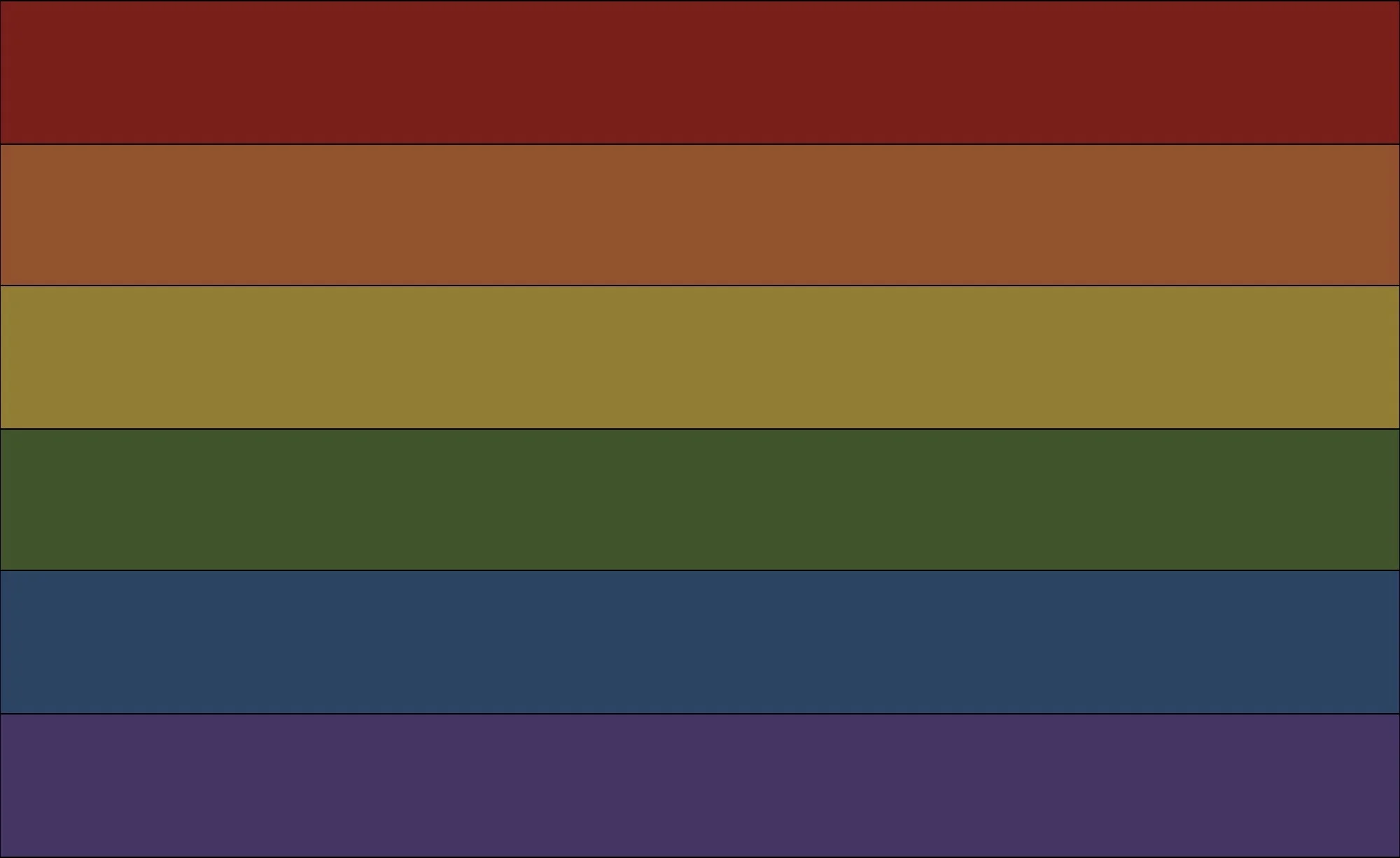
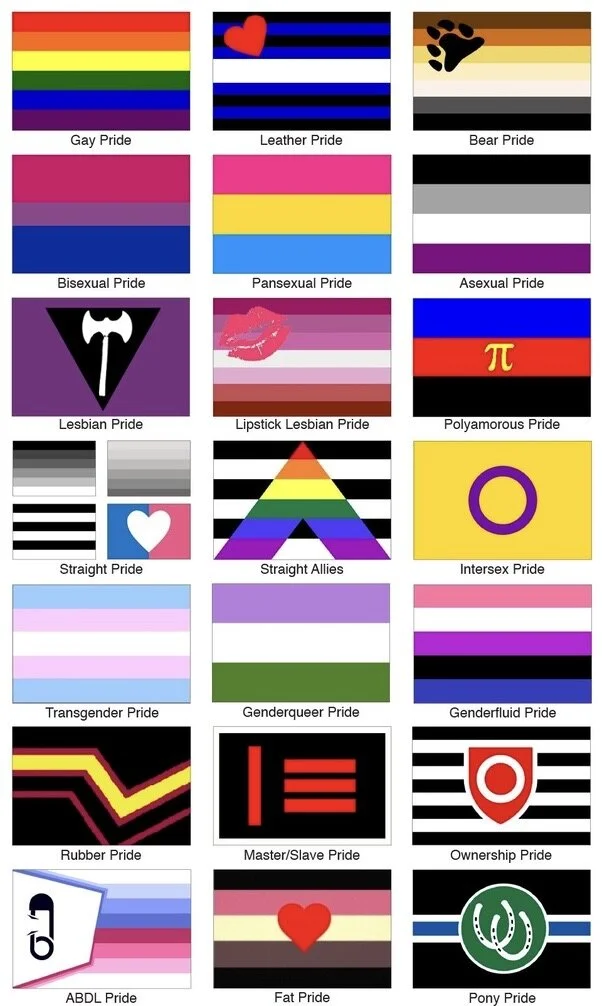
Some of the various “pride” flags adopted by the LGBTQIAPEMDAS+ community.

Some of the various “pride” flags adopted by the LGBTQIAPEMDAS+ community.

Defining is exactly the problem here. The more labels we create for ourselves, the more labels that can be weaponized and used to alienate us from the rest of society. And boy, do we like labeling ourselves—the acronym is like 19 letters long now, while it was only three letters just a few short years ago. We went from LGB to LGBTQIDGAFLMNOP+, or whatever the hell it is this week. Too many people have allowed themselves to be defined by these labels, and in doing so, they’re providing ammunition for those who seek to limit their personal freedoms and civil rights.


Still, there is some amount of criticism that could be made regarding my decision to abandon the “gay” label, but these concerns are easily addressed.

Some of my fans have said that my decision to stop using the words “gay” and “queer” is predicated on years of internalized homophobia and self-hatred, but those people clearly don’t know me well, because in reality I am one cocky son of a bitch who is usually all too pleased with himself.

Another common point brought up when I assert the uselessness of labeling sexuality is a defense of the labels’ abilities to facilitate the forming of communities. This is not a very strong argument for a few reasons. 

  1. The “Gay Community” as we understand it now didn’t exist at all until roughly fifty years ago; it is an extremely new phenomenon in human history. Furthermore, the “gay” identity itself, where someone is characterized by their same-sex attraction, really only began to form in the 1920s.

  2. I personally find no value in the “Gay Community.” Gay men have a terrible habit of becoming catty, dramatic, petty, hateful, spiteful, etc. when they congregate, and this is far from a welcoming environment. If there’s any benefit to being gay, it would be that you get to avoid the drama stereotypically associated with dating women, but nope. The “Gay Community” chews up that idea and spits out tenfold the drama, just with more testosterone. 

  3. If finding a community is so essential to people, they should look for one that will accept them regardless of their sexuality, not because of it. If all you have in common with someone is your sexuality, how much social value does that truly offer?

The last major case made against my decision to drop these labels suggests that by refusing to use the word “gay," I won’t be contributing to the deconstruction of the stereotypes that plague same-sex attracted men—I’ve given this lot of thought, and my conclusion is that it’s horse shit. Words like “gay” and “queer” are nearly synonymous with the stereotype of weak, twinky, feminine, ultra-liberal white boys who are obsessed with their sexuality, and they’re so closely tied that it would take decades to dissociate them. However, the simpler phrases I intend to utilize going forward would allow us to easily shed the negative connotations of the tired “gay” and “queer” labels, which would in turn make the coming out process easier for a lot of the more masculine, straight-seeming guys who are currently choosing to remain closeted because they don’t want to be unfairly labeled as weak or feminine on account of a single unchangeable aspect of their personality (who could blame them?). 

If anything, I think using other terms to describe sexuality WILL help to deconstruct said stereotypes, because it would clearly demonstrate that there is a portion of the same-sex attracted population for whom their same-sex attraction does not define their personality, which would be helpful in quelling stupid assumptions that people chose to be gay for attention (or any other reason). This is essential because it has the potential to have a domino effect, where closeted guys would see more and more men who don’t deny their same-sex attractions but also don’t fit the sassy, limp-wristed stereotype, and would therefore begin to feel more comfortable being open about their own same-sex attractions because they wouldn’t feel pressured to conform to a stereotype that doesn’t truly reflect their personality.

What’s really going to put prejudice and stereotypes to bed is when more of those straight-seeming guys come out, in the process shocking all the ignorant people who don’t think they’ve ever met a same-sex attracted person (all the Bible thumpers whining “dont hate the sinner, hate the sin”), and showing them that far more of us exist around them than they think. This could easily take a turn down a theological path here, but don’t worry, I won’t go there. Yet.


The time has come to retire these labels. They only serve to alienate us from the rest of society, and make it more difficult for a lot of struggling young men to come to terms with their same-sex attractions. 

In conclusion, labels are gay.