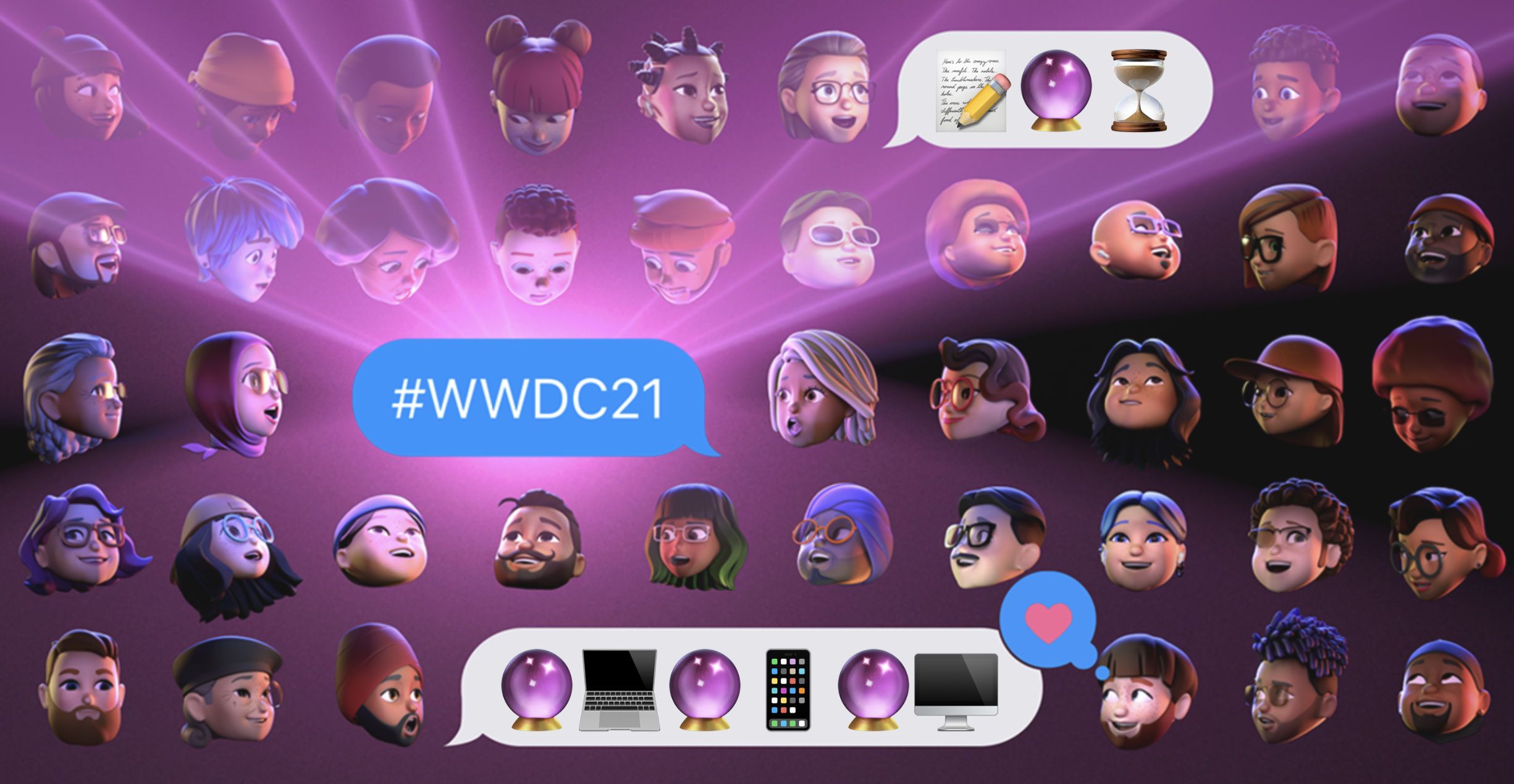
WWDC 2021: Wish List and Predictions

It’s that time of year again, where Apple nerds will gather around their screens for two hours to watch Apple executives tell us what we get to geek out over for the next year. Like last year, this year’s WWDC will be completely online, but for most of us, that’s how we’re used to experiencing it anyway.

My gut feeling is that this is going to be a big year. There have been several large, exciting announcements from Apple in just the past few weeks about new products and new software features. Announcing things like Spatial Audio and lossless Apple Music, the new iMacs and iPads, and impressive new accessibility features a month or two before Dubdub seems to indicate that they didn’t have time to include them in the keynote, which is exciting because it suggests the keynote is chock full of other cool stuff.

Here are the lists of things I’m hoping to see, and then some things I’m expecting to see.

Wish List:

  • [Recycled from 2019’s list.] Fix the atrocious Apple Music app. Get rid of the useless Browse, For You, and Radio tabs at the bottom, and replace them with Playlists, Artists, and Albums. Work in better sorting. Streamline the search feature.

    I’m still sick of Apple Music. All of those problems are still there, and they’ve brought some of the issues from the Music app to the Podcasts app. I’ve recently switched to using Overcast as my podcast app, but as an One subscriber, I'm stuck with the shitty Music app.

  • [Recycled from 2019’s list.] It is HIGH TIME for some Siri improvements. We have been waiting and watching for years, every year expecting this to be the keynote where Apple rolls out a badass new Siri. They’ve teased us a few times with things like Siri suggestions and other minor voice improvements, but at the end of the day, I don’t give a shit about having Siri tell me hockey scores. I’m talking Iron Man-style, JARVIS-level intelligence. I know that Apple is behind the curve on this as a result of their focus on privacy, but they’ve gotta figure out a way to at least get Siri up to speed with the Google Assistant. 

    [Recycled from last year’s list.] Please. Please, please. Puhleeeaaaazeee. PLEASE. PLEASE make this the year that Siri gets a major boost. I would honestly be completely content, nay, happy, if this were the only change they announce this year. It’s so overdue. Siri was the first voice assistant on the scene, and now she’s in last place for speed, accuracy, and general capabilities. There’s so much potential here to make a truly intelligent voice assistant that would really set the iPhone apart from its competitors.

    What do you have to do to get a decent virtual assistant around here? My god. As John Gruber has pointed out, if you hired a personal assistant and she was as stupid and contextually unaware as Siri is, you’d fire her within a week.

  • [Recycled from last year’s list.] I doubt Apple will ever implement this because it would be de facto acknowledging the fact that people use their iPhones to take nudes, but a locked photo album is also overdue.

    Apparently Samsung has something like this. Please copy it, Apple.

  • [Recycled from last year’s list.] New privacy features are always welcome. They didn’t disappoint last year, but a VPN or a social network would still be great.

    I will add to this to say that it isn’t on the list because Apple neglected privacy last year. They gave us some great improvements, I just want them to go even farther.

  • [Recycled from last year’s list.] iPadOS 14 has the potential to send my MacBook packing, if it’s upgraded as it deserves to be. The iPad Pro Magic Keyboard already has me reaching for my iPad more than I reach for my Mac, but there are some relatively basic everyday workflows (word processing, desktop class browsing, etc.) that are still just easier on the Mac. If they can use iPadOS 14 to make some of those processes even marginally easier, it will make the iPad a much more powerful platform and a truly viable option for people in the market for a new laptop.

    Apple didn’t do that last year. Maybe this is the year, now that the iPad Pro has an M1.

  • [Recycled from last year’s list.] In my opinion, macOS just deserves some bug fixes and attention to detail.

  • [Recycled from last year’s list.] As I mentioned in my Apple Card review, I would really like for them to expand the capability of the Cash card to function more like a typical checking account.

    I would really like this. A lot. Give me a nice, black titanium debit card, and then Apple can truly take all my money.

  • [Recycled from 2019’s list.] I would really like for them to revamp the Apple Watch UI in a meaningful way, and finally give the side button a distinct, useful role in controlling the device.

    I think it’s also time for third party watch faces. Apple’s offerings just don’t scratch the itch, anymore.

  • Meaningful updates to the Apple Watch’s sleep tracking functionality would be nice. It’s currently such a mess that it isn’t worth using. The mandatory bedtime “feature” sucks.

  • Some new widget sizes would be nice for the iPhone, as well as the ability to make widgets more interactive. A now playing widget would be great.

  • The Home app is in desperate need of attention. It’s about 70% reliable, which is about 29% below where it needs to be, if it wants you to trust it with the responsibility of controlling your home.

  • I also hope Apple announces that they’re working on new programs for third party companies to build HomeKit support into their products. The market for HomeKit compatible devices is just not diverse enough.

  • I can’t put my finger on what exactly has been wrong with tvOS the past few years, but I think it needs some attention.

  • I think we’re also getting to the point where it’s safe to say the rollout of Look Around on Apple Maps is way too slow. Only a handful of cities in the US support it. It’s a really useful feature that I think is way better than Google’s street view, but not nearly enough people can benefit from it.

  • An option to have your iMessage conversations remain end to end encrypted in ALL scenarios (see: iCloud backups) is very necessary. I hope Apple fixes this, and touts iMessage’s security and privacy features to compete with dedicated secure messaging apps like Signal or Wickr.

  • AirPlay has been a bit less stable lately. I hope they iron out those kinks.

  • Invoking Siri by holding the side button on iOS devices sucks. I hope they’ll figure something else out, but I know they won’t.

  • Did I mention a locked photo album? 🍆

Predictions

  • I think it’s reasonable, given the sheer volume of the rumors, that we may see a new MacBook Pro. I think it would be a little weird for them to introduce a new MBP without introducing a new MacBook Air (or MacBook plain, hopefully; please ditch the “Air” branding!)

  • [Recycled from 2019’s list.] I predict that Apple will, once again, disappoint me by leaving the Music app practically untouched.

  • I think a lot of the updates we’ll get for macOS are going to be performance improvements and bug fixes. It’s hard to imagine them revamping the UI or introducing a bunch of new features this year. For the name, I’m going to throw my hat in the “macOS Monterey” ring.

  • When it comes to iPadOS, I think we will get some decent updates and improvements, but I don’t think they’ll go far enough to make the iPad a real computer. We might be substantially closer if they fix multitasking, but I’ll believe that when I see it. I do think they’ll find a way to bring the App Library to the dock, so that’ll ease some pains with multitasking.

  • Speaking of iPadOS, I bet Apple will tout the ability to add widgets anywhere on the Home Screen this year. They should get no credit for that. It should’ve been there last year, so as far as I’m concerned, they’re a year late.

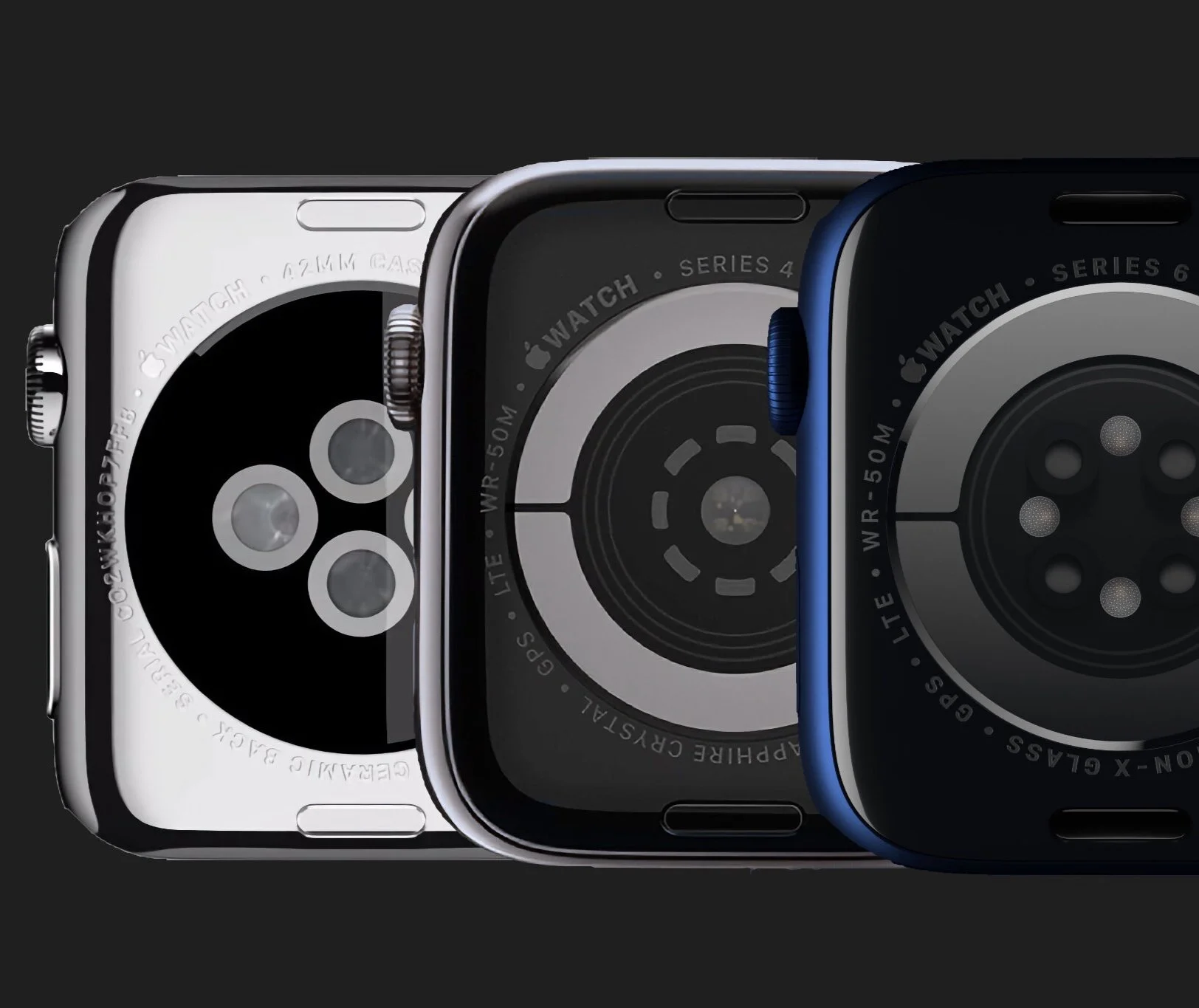
  • I think we could see some more health features for the Apple Watch. The blood oxygen sensor on the Series 6 seems like it could have a few more tricks up its sleeve, and I wouldn’t be shocked if they added something like blood alcohol level measurements through a WatchOS update.

  • I’m sure we’ll get something in the way of privacy, but I don’t think it will go as far as ATT from last year.

All in all, there haven’t been many leaks or rumors about the software we’re going to see this year, so I have a feeling we’re in for a good show with some exciting surprises.

Trump’s Blog Is Dead After Less Than A Month

Kevin Breuninger, reporting for CNBC:

Former President Donald Trump’s blog — a webpage where he shared statements after larger social media companies banned him from their platforms — has been permanently shut down, his spokesman said Wednesday.

The page “From the Desk of Donald J. Trump” has been scrubbed from Trump’s website after going live less than a month earlier.

It “will not be returning,” his senior aide Jason Miller told CNBC.

I’m shocked that this didn’t take off. I mean, it’s not like Trump only acquired an audience because the type of people who wanted to listen to him prefer short, incendiary tweets and were seemingly allergic to any sort of long-form reading. He should write another book, I’m sure his base of voracious readers would tear through a several hundred page volume with glee.

Dan Pfeifer makes an excellent point about this from a largely unconsidered angle on Thursday’s episode of Pod Save America, taking aim at Facebook:

It is a massive indictment of Facebook in particular, because their argument always is that “this is the content people want, we’re just serving it up to you.” But here you have: Trump has content, he’s off Facebook, and no one is going to get it. And so what that shows is that it’s not that Facebook is giving people what they want, Facebook is giving people something pretty dangerous that they think they want. And that has had a very alarming, radicalizing effect on the American people.

#deletefacebook

People Trust Amazon?

John Gruber on Daring Fireball:

Josephine Wolff, writing for Slate:

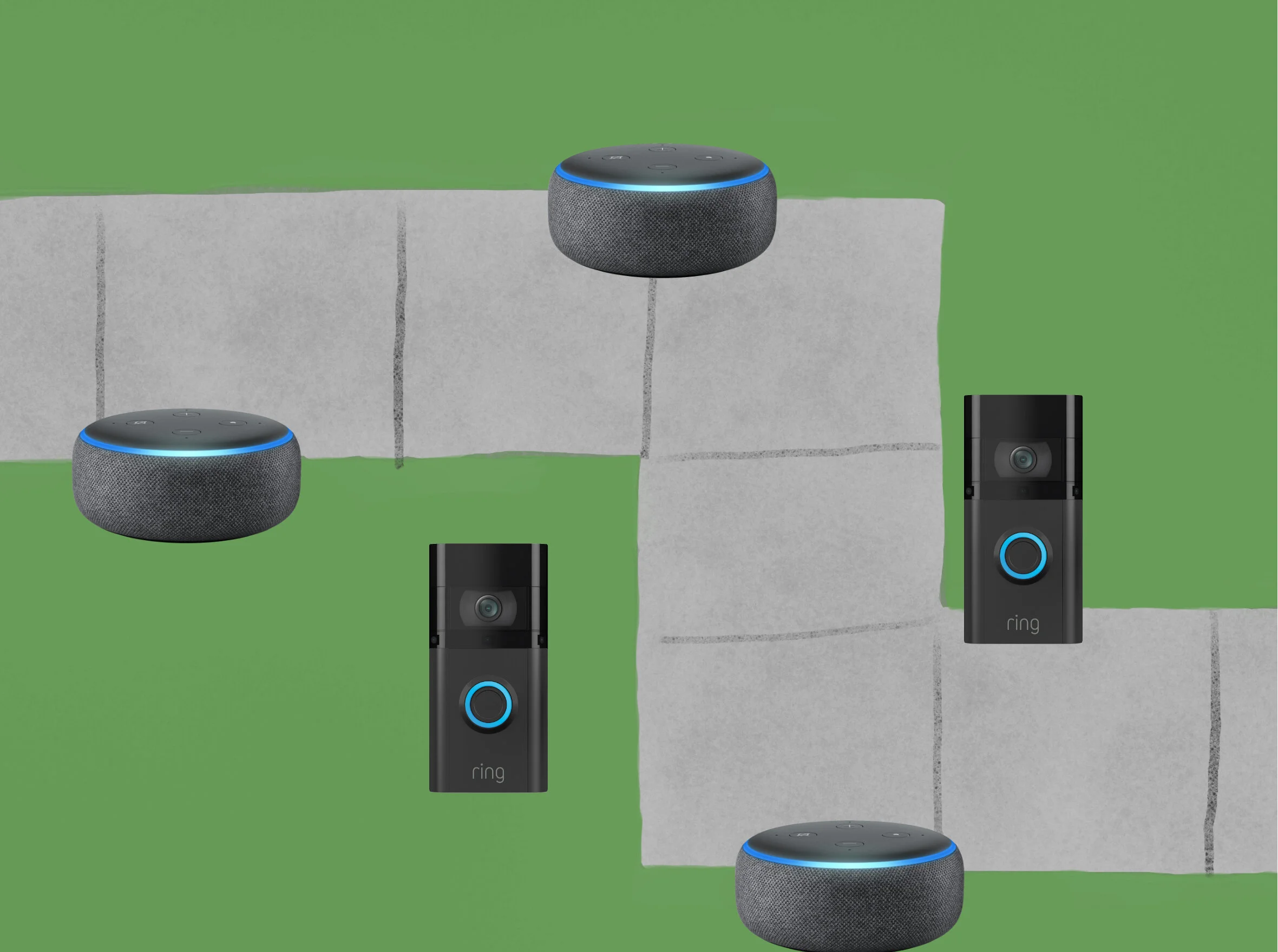
If you’ve already reconciled yourself to the privacy implications of owning an Echo or a Ring, the additional privacy and security drawbacks of participating in Sidewalk seem very limited and the benefits are potentially considerable, for you and for everyone around you.

I like this take. The thing to consider is whether you trust Echo and Ring devices with your privacy. If you do, you might as well participate in Sidewalk. It’s not that different, conceptually, from Apple’s Find My network.

I don’t like this take. There’s absolutely no reason you should trust the Ring or Echo, and you shouldn’t trust Sidewalk, either. In technology especially, trust has to be earned, and Amazon has done nothing to earn anyone’s trust.

Biden Announces Free Beer For Getting Vaccinated

President Joe Biden, giving remarks on the White House’s partnerships in the ongoing COVID-19 vaccination effort:

Anheuser-Busch announced that beer is on them on July the 4th. That’s right, get a shot and have a beer. Free beer for everyone 21 years or over to celebrate the independence from the virus.

What an absolute bro.

Now get your shots, you filthy animal.


Remember the other guy? He wanted you to drink bleach; what a contrast.

The New Siri Remote

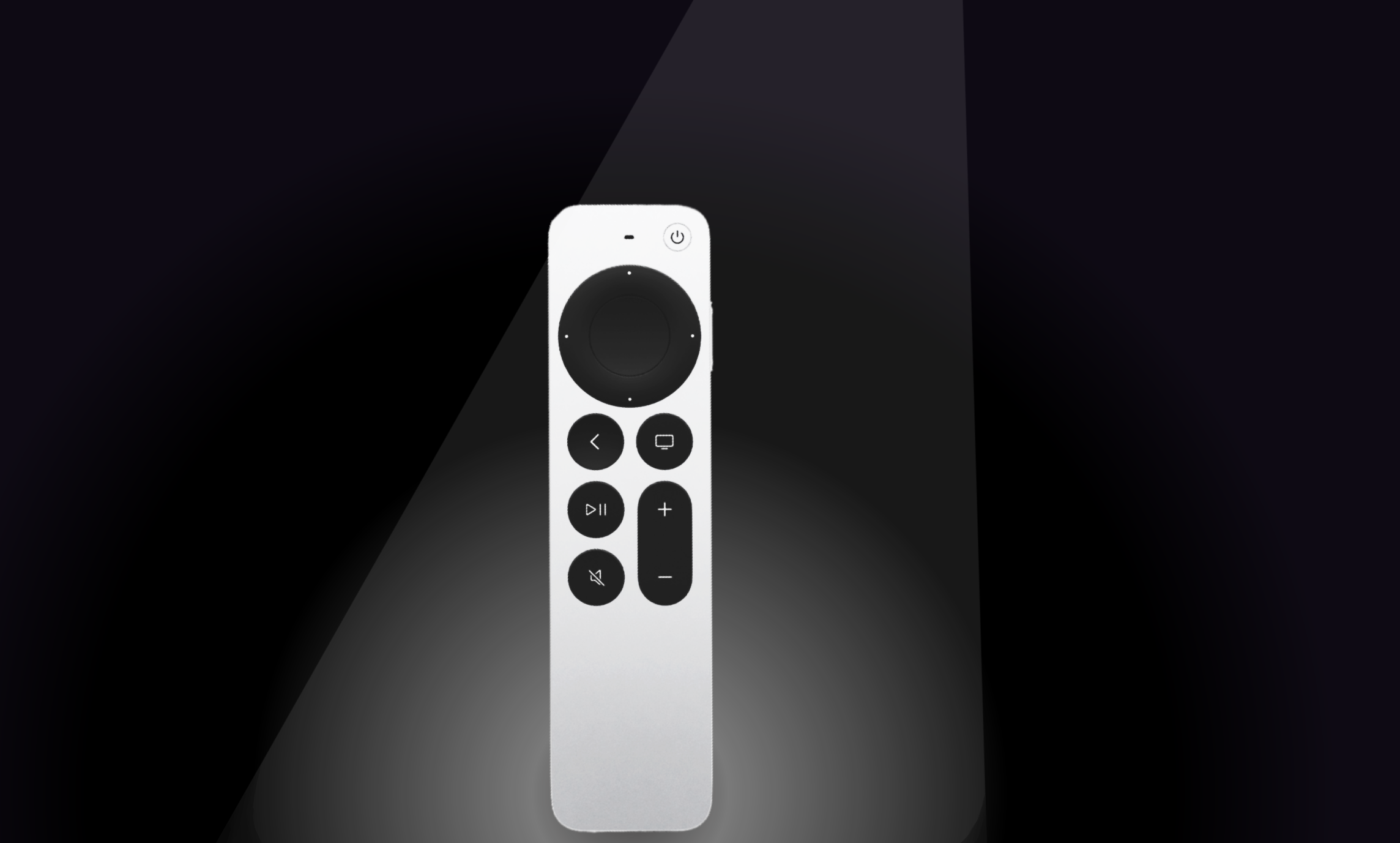
I was frequently annoyed by the old Siri Remote, but I didn’t loathe it like a lot of people did. The trackpad wasn’t all that precise and did occasionally result in unintended input, I did occasionally pick it up upside down, and it was fragile, but overall I thought that Siri and the swiping gestures genuinely added to the tvOS experience. That said, the new Siri Remote is a delight to use, and a vast improvement over its predecessor.

The new design is a lot more robust and sturdy. It’s made out of aluminum, rather than glass on the top, and the design is a bit thicker and heavier. It’s easier to pick up off of a table, and impossible to pick up backwards without realizing it.

There are also some changes to the buttons. The addition of a mute button wasn’t my favorite, and I could’ve done without it (especially since they put it in the same place as the old play/pause button; there have been several times where I mean to pause a show and don’t notice until a few minutes later that I’d just muted it). However, the other button they added was a power button, and while it isn’t very aesthetically pleasing, it works well and it’s simple. No more aimless trackpad clicking or button pressing to turn the tv on, no more pressing and holding and then swiping and clicking to turn it off. You just press the power button and it turns on or off. As for the Siri button, it has been relocated to the side of the remote. At first I didn’t really care either way about this, but in practice, I think this is actually worse. I can see the reasoning behind having the Siri button in a separate location from all the playback control buttons, but it wasn’t a good ergonomic choice to put it on the side. It’s awkward to press with your thumb, and it requires completely changing your grip on the remote.

But let’s talk about the buttons that people care most about: the circular trackpad and directional buttons, which Apple calls the “clickpad with touch surface.” This element makes the new Siri remote perhaps the best TV remote control I’ve ever used. They preserved the ability to quickly swipe through menus, and did it all on top of a functioning, clicky d-pad. The clickpad with touch surface is comprised of two separate surfaces, the outer ring and the center circle. The center circle functions as a “select” button, while the outer ring can be pressed up, down, left, and right for situations where more granular navigation is preferable to quick swipes. As far as the actual swiping goes, you can swipe on any portion of the clickpad with touch surface. The two discrete surfaces act as one large touchpad, meaning you can begin swiping on the far left edge of the outer ring (not touching the center circle), traverse the left side of the ring, then the center circle, and all the way over the right edge of the outer ring, and it will result in the remote recognizing one long swipe, rather than three distinct instances of the different touch surfaces receiving electrostatic input (even though that’s what’s technically happening).

When Apple introduced the new remote, they showed off a feature where you can use the outer ring of the clickpad just like an iPod click wheel to precisely scrub through videos. This works well, but it was a little difficult to discover (you first have to pause the video, then briefly rest your finger on the outer ring before beginning the circular gesture). For some reason, many people believed the outer ring was also capable of quickly scrolling down lists, like a playlist or settings menu, but this just isn’t the case, unfortunately. Trying to do so results in your selection moving up the list while your finger moves up on the outer ring, and then beginning to move back down the list as your finger rounds the top of the ring and begins traveling down the other side again. (This proves that the outer ring is a part of the whole touch surface, which was a point of confusion among many reviewers.)

It sucks that the remote doesn’t include the U1 chip so that you can use precision finding to locate it if it walks off or gets lost in the couch, and there’s really no good reason it couldn’t have included it. It’s also (slightly) disappointing that Apple removed the accelerometer and gyroscope. As much as they’ve focused on Apple Arcade, it’s curious that they would ship a remote that is incompatible with the vast majority of games available for tvOS. Don’t get me wrong, I’m not devastated — most games for Apple TV suck anyway — but if you’re someone who liked them, then this would be frustrating.

Overall, even though it’s not a perfect remote for a few reasons, it’s so much better and more fun than the last one that I would definitely recommend it to anyone with an Apple TV. It costs $59, so if you have an Apple TV HD, you may be better off upgrading your whole system, but if you have the first generation Apple TV 4K, you can’t go wrong by just upgrading to this remote.

Assistive Touch On Apple Watch

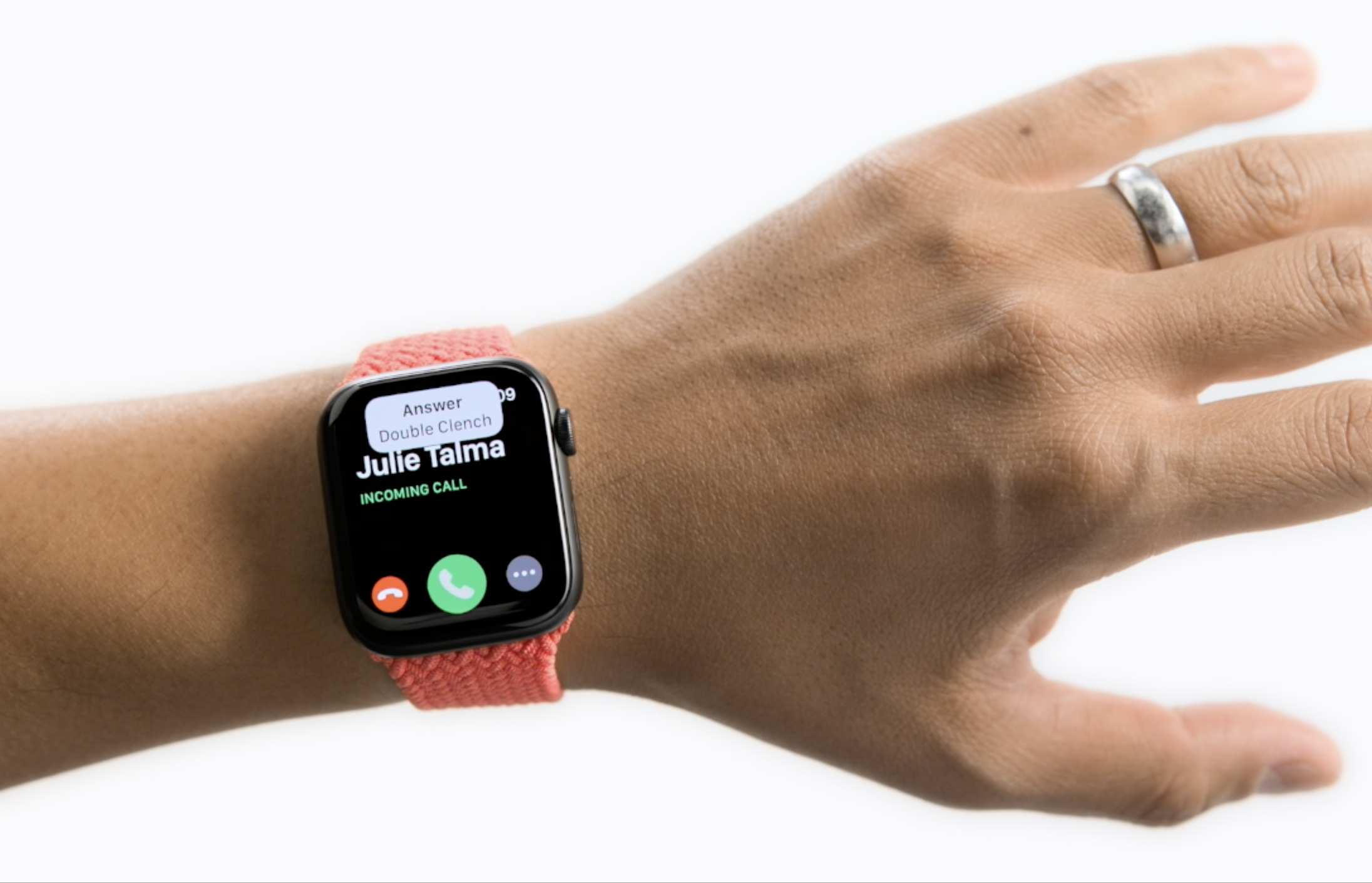
To support users with limited mobility, Apple is introducing a revolutionary new accessibility feature for Apple Watch. AssistiveTouch for watchOS allows users with upper body limb differences to enjoy the benefits of Apple Watch without ever having to touch the display or controls. Using built-in motion sensors like the gyroscope and accelerometer, along with the optical heart rate sensor and on-device machine learning, Apple Watch can detect subtle differences in muscle movement and tendon activity, which lets users navigate a cursor on the display through a series of hand gestures, like a pinch or a clench.

This is technically astonishing. Watch the video. It’s less than two minutes long, and it’s one of the most technically impressive things you’ll watch this year. Seriously, watch it.

Also astonishing, is Apple’s commitment to accessibility. It’s something that is totally unparalleled in the tech industry, and it’s something everyone at Apple should be truly proud of. Features like this don’t make Apple money and they probably take a lot of resources to develop, but for the individuals who rely on them, they really can be life changing. It warms the heart to see Apple continuing to make products that are truly for everyone.

New Blood-Related Health Features Rumored for Apple Watch

Hartley Charlton, writing for MacRumors:

Apple has been revealed to be the largest customer of the British electronics start-up Rockley Photonics, The Telegraph reports.

Rockley Photonics has developed non-invasive optical sensors for detecting multiple blood-related health metrics, including blood pressure, blood glucose, and blood alcohol levels, many of which are only normally detectable with more invasive dedicated medical equipment. Rockley's sensors beam infrared light through a user's skin, much like the existing sensors on the back of the Apple Watch for detecting heart rate and blood oxygen levels.

Rockley's disclosure that its biggest client is Apple came about as the company prepares to go public in New York. The company's filings said that Apple accounted for the majority of its revenue over the last two years and that it has an ongoing "supply and development agreement" with the company, under which it expects to continue to heavily rely on Apple for most of its revenue.

It’s never a great idea to read too much into Apple rumors, but I’m really excited by their strong focus on bringing health features to the Apple Watch, even if none of the individual features are revolutionarily impactful for me personally.

One health feature at a time, Apple is cementing the Apple Watch’s status as the best smartwatch available. They started with a heart rate sensor which is pretty much a given on any smartwatch or fitness tracker, but over time they’ve been adding to what the Apple Watch is able to detect and measure. The Apple Watch was able to not only check your heart rate rate, but alert you if it was unexpectedly high or low. Then they added fall detection so your watch could automatically call for help if you were unresponsive after a hard fall, which was an impressive and welcome feature, especially among older customers. But then the Series 4 came, when they added the ability to take an ECG and recognize signs of atrial fibrillation. This was the first medical function that was more specialized, and I think it marked a turning point in how Apple viewed the watch, adjusting their trajectory to more directly lead them down the health and fitness path. The following year, they added the ability to monitor noise levels to alert you when you could be at risk of damaging your hearing, and they added menstrual cycle tracking for women; both quite specific and not a concern for most wearers, but nice features to have if you want them. The year after that, they added the blood oxygen sensor for the Series 6, which again, was a highly specialized use case that isn’t likely to be used by the majority of wearers. The watch can also now use a variety of metrics to algorithmically calculate your cardio fitness, or VO2max.

Recent studies have even shown that the Apple Watch was able to detect COVID-19 up to a week before it showed up in lab tests based on changes to metrics the watch already measures, though this capability wasn’t rolled out by Apple.

Now, there are rumors that Apple could be eyeing more blood-related features, like blood alcohol levels, blood pressure, and blood sugar. The first of those three would be a fun (and potentially life saving) party trick for younger wearers. The blood pressure monitoring would be great for older people especially, and those with conditions where blood pressure may be a complication or indicator of other issues. But non-invasive blood glucose monitoring (without a finger prick) would be a real game changer for diabetics, and would also be useful in diagnosing new patients early to help them avoid more serious conditions. An ounce of prevention is worth a pound of cure, and Apple is trying to pack as much prevention into the Apple Watch as possible. All three of these rumored features would undoubtedly save lives.

The point isn’t that Apple is adding health features that everyone wants or that everyone will rely on, but that they’re relentlessly focusing on health features. At this rate, within the next five to ten years, the Apple Watch will likely be capable of tracking most if not all major vital signs (I can’t imagine that body temperature is too far down the road), as well as diagnosing (with all the proper legal disclaimers) a wide swath of common medical conditions that someone could be suffering from. It’s a bit of a patchwork now, but if they continue down this path, the Apple Watch Series 15 could be well on its way to becoming a proactive WebMD alternative that tells you what’s wrong, rather than leading you down rabbit holes. Imagine the peace of mind you’d have, knowing that a device you wear for convenience is also on the lookout, ready to alert you to any potential health problems you aren’t capable of noticing for yourself.

The Apple Watch is still a young product, and I’m very excited for its future.

AirTags

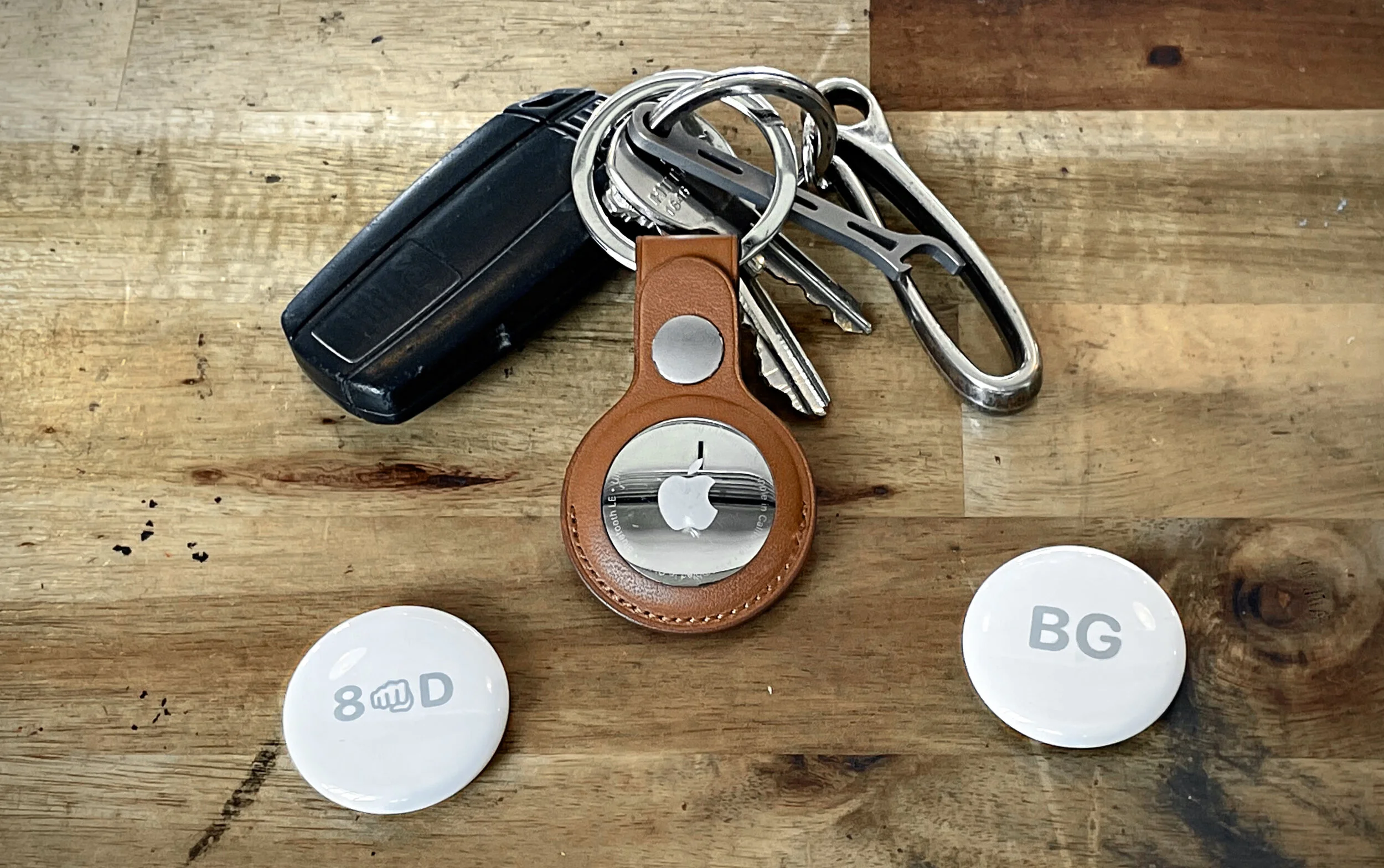
The idea is quite straightforward. An AirTag is a small round tracking device, slightly larger than a peppermint. You can pair an AirTag with your iPhone (which is extremely easy and can be done in just a few seconds) and then attach the it to something you don’t want to misplace. If you do lose that item, your iPhone will be able to lead you back to it.

A Word on Tile

AirTags have been a long time coming (since 2019, actually, according to Apple’s own packaging), and there were several Apple events prior to now where I really thought they were coming, but now they’re finally here. And the Tile company must be feeling a mix of things, validation (for their endless bitching to Congress about Apple “stealing” their (very obvious and destined to be sherlocked) idea), embarrassment (that their product is so much worse), fear (that their business is going to tank).

I was a fan of Tile back around 2015. I had a bad habit of misplacing my keys and wallet, and Tile was (seemingly) the perfect solution. In practice, though, they didn’t work well at all. They didn't connect half the time, the bluetooth range was very limited, and the network of other devices that had the tile app and could find your lost Tile was practically nonexistent. I never once found an item I’d lost because another Tile user had gotten close enough to it to alert me to its location. Their close-proximity finding tool was also extremely weak and inaccurate. The only real way Tiles would help you find your stuff was by beeping (which isn’t nothing, but Tiles on the whole certainly weren't nearly as useful as they had promised to be).

AirTags Versus Tiles

I didn't want to spend too much space in this review talking about Tile, but since this is a new type of accessory for Apple, and Tile happens to be AirTag’s biggest competitor and the only bluetooth tracker people may already be familiar with, it’s actually very useful and illustrative to contrast the two. And there is a lot of contrast, because AirTags have drastically improved everything about Tile’s experience.

When it comes to finding an AirTag that isn’t in close proximity, Apple’s Find My network whoops Tile’s network's ass. I’ve never left an AirTag anywhere that its location wasn’t updated within ten minutes by someone else with an iPhone getting near it. I lost Tiles for days at a time in public places and never saw them updated.

When it comes to finding an AirTag that is in close proximity to you, AirTags are, again, vastly superior to Tiles. Apple’s Precision Finding mode works pretty well. It isn’t perfect, but it gets close, giving you guided directions to your AirTag that are accurate to within about six inches in most instances. Tile’s interface (the last time I used it) gave a three step indicator to show your approximate distance from the lost Tile (and they weren't labeled with distances, they were just abstract circles that basically indicated “you’re cold,” “you’re lukewarm,” and “you’re warm,” but they were never accurate enough to actually get you to “you’re hot”). At best, the Tile would get you within about 8 feet.

One point that can go to Tile is the volume of the speaker used to make the trackers play a sound. Tile’s is technically a little louder if you just look at decibels. That said, I’m convinced Apple does some sort of voodoo with their speaker, like they’re intentionally playing frequencies that travel very well. It’s more difficult for an AirTag’s sound to be muffled than a Tile’s, so in practice, I’ve found the AirTag’s “play a sound” option to be more useful than Tile’s, despite it technically being (very) slightly quieter.

It’s also quite nice that AirTags have replaceable batteries, this was a(n extremely wasteful) mistake Tile made early on. The' batteries are supposed to last for a year, and the specific coin-shaped batteries they use are a pretty common type that will only cost you about $3 or $4 to replace.

The Pets/Kids Issue

A lot of people have been wondering if these can be used to track pets or children.

I don’t have a child, but I do have a dog, and while I haven’t lost him since putting an AirTag on his collar, I can tell you that it seems to work just fine and any time I leave him at home by himself, it only ever takes about 10 minutes at any given point for someone to get close enough for their iPhone to recognize his AirTag and let me know he’s still where I left him. If he ever did escape or get lost, then the AirTag would serve multiple functions. Since I live downtown and there are always a lot of people around, the odds of my dog running somewhere were no iPhones would be in close enough proximity to him to keep me appraised of his location is rather low. Additionally, if someone were to find him, they could use the AirTag to find out how to get in touch with me since you can put a custom message on the screen displayed to anyone to finds your missing AirTag (of course, you can also put your phone number on a normal name tag, but the AirTag allows for a lot more information to be passed on to whoever finds him than just a phone number).

Now, if you are wanting to use an AirTag to track for your kids, I would say you probably don’t need to waste your money. Again, I’m not a parent, but I’d imagine children don’t usually get lost in the same way pets do. I think children are less likely to just dart off by themselves, so I would imagine that if your child goes missing, they’re probably being accompanied by someone with less than pure intentions, and such an individual would probably have them empty their pockets/discard their backpack/etc. And then you’d be down one child and one AirTag, and that’d really suck! If you’re worried about your child going missing to the degree that you feel like you need to put a tracker on them, I’d probably just suggest saving your money and putting it towards some courses on how to be a more responsible parent.

The Stalking Issue

I think this is mostly a nonissue, and that a small kernel of genuine concern has been transformed by bored, Apple-critical tech journalists using clickbait headlines into a debate about human trafficking and stalking that are blown way out of proportion. The basic concern was that bad actors could slip AirTags into the purses (or otherwise) of individuals they wanted to stalk, and then track them around town. Obviously this would be possible, because it’s exactly what AirTags are built to do, but I seriously doubt that many people would do it. After all, it’s a pretty expensive trick, to treat AirTags as thirty bucks-a-pop disposable trackers that would be useless as soon as the victim found it in their bag, anyway. In any case, bluetooth trackers have been around for about a decade and I’m not aware of this ever happening before, this is just the Apple hate machine finding some new (Qanon-ish) bullshit to spout for a while.

Nonetheless, Apple did actually take several measures to prevent unwanted tracking. If an AirTag is separated from its owner and stays around the same person for a while, it will alert that individual that it’s there. It will also play a sound whenever it moves after being disconnected from its owner’s iPhone for a while. You might think “great, now it won’t be a problem at all,” but you’d be wrong. The sound doesn’t start until three days later, and alerts only work for people with iPhones, not Android devices. On top of that, it actually makes the AirTag itself less valuable, because it makes it far less useful to track stolen items. If a thief is going to be warned that whatever they stole could be tracked by you, they’re just going to toss out the AirTag, and with it goes any hope of getting your stuff back.

I wish Apple had just ignored this problem altogether and let a nonissue continue to be a nonissue. The “problem” they’re “solving” was far less likely than the problem their solution creates.

Price & Accessories

AirTags are one of Apple’s most reasonably priced accessories. I wouldn’t have put it past Apple to charge $50+, but they’re only $29 (or $25 each, if you spring for the $99 four pack). They also offer free engraving. If you’re in the market for AirTags and know you want one or two, go ahead and get the four-pack. Once you have them, you’ll find things you want to attach them to (and even if you don’t, they make nice little gifts).

The accessories, though, are a bit pricier. Apple’s AirTag loop and AirTag Leather Loop ($29 and $39, respectively) are nice options if you want to attach an AirTag to something like luggage, but my personal favorite is the Leather Keyring ($35). Of course, it was a bit peculiar and price-grabby that Apple didn’t just put a hole on the AirTag itself to attach a keyring or a cord, but alas, they did not.

Miscellaneous

It would be nice if AirTags had a button which could be used to find your iPhone or something like that (though you can already use your Apple Watch for that), but they did something similar: the NFC coil in AirTags can be used as an automation trigger in the shortcuts app. Basically what that means is that you can set your AirTag up to prompt your iPhone to perform an action (just about anything you want) when you hold the AirTag within an inch or two of your iPhone. For example, I set up the AirTag on my keys to trigger an automation that starts directions to my home. It’s not a button, but in some ways it’s actually more versatile.

Final Word

The bottom line here is that AirTags work well and they’re fairly inexpensive. I have five (one for my keys, wallet, backpack, dog, and car), and when I’ve had to use them, they’ve been able to lead me back to my items in under a minute. If you’re an iPhone user who occasionally misplaces things, a pack of AirTags will probably be a good investment for you.

UPDATED: 06/03/21, 14:00

Vax Up, Mask Down

To the despair of my most liberal friends, I stopped wearing masks indoors weeks ago, about two weeks after my second dose of the Pfizer vaccine, and well before the CDC updated their guidance that vaccinated individuals no longer need masks indoors. Also, I never really wore masks outside. As anyone who followed CopyrightBro throughout 2020 surely knows, this is not because I didn’t take the pandemic seriously, but because I trusted what the science said. I’m now wondering whether some of my friends actually care about the science or whether they used it as a convenient talking point in an elaborate game of identity politics disguised by a public health crisis.

Science is science and facts are facts, regardless of whether the CDC has publicly acknowledged them yet. The CDC obviously wants to be dealing in facts, but the truth is they also have to weigh the political effects and the real world outcomes of any announcements they make. Their credibility has been seriously shaken in the past year, so I think it makes sense for Americans to start making their own decisions based on the science, even if the CDC hasn’t given them those specific directions yet. By March, anyone with eyeballs could see that the vaccination campaign was moving at a good clip and that it wouldn’t be long before a majority of Americans were vaccinated. While it would take a bit longer to reach herd immunity, the risk of any one person catching COVID was quickly falling, and we also knew that the vaccines had extremely high efficacy. Vaccinated individuals who were truly motivated by science had practically nothing to fear, so it makes sense that they would do the math for themselves and decide that it was safe enough to start the process of getting back to normal (and leaving masks behind) even though the CDC hadn’t yet relaxed any of their recommendations.

Experts believe we need roughly 70-90% of adults to be vaccinated to reach herd immunity. My understanding is that we’re currently at about 60%, but we’re fighting an uphill battle because we’re now at the point where supply has outstripped demand; vaccinations rates are slowing because most of the people who wanted vaccines got them early, so we’re now dealing with the slower process of convincing those who were skeptical or hesitant that vaccines are safe and in their best interest. I doubt we’ll ever get more than 80-85% because a significant number of people now believe the rampant disinformation that’s been spread from antivaxxers and the far right (largely on Facebook and Fox News), but I do think there are a number of convincible people out there who just need a little more encouragement or incentive.

My decision to stop wearing a mask isn’t just some libertarian urge to get back to normal and stop letting the government “control my life,” which was a pretty stupid argument to begin with. The best reason for taking the masks off (aside from the fact that it is undeniably safe to do so) is that for those who are hesitant about vaccines, this could be the extra incentive they need to do their research and decide that it may be worth it for them to take the shots, provided that they can then also ditch their masks. Nobody really likes wearing them. They’re uncomfortable, they cause glasses to fog up, they force to you smell your own breath, and generally make breathing a bit less efficient. Seeing vaccinated people go in stores and conduct their lives like normal may be the best incentive we could come up with, for a lot of people.

The only counter argument to using freedom from masks as a vaccination incentive worth considering is that we would have no way to know for sure if someone is fully vaccinated, and whether they’re technically allowed to take their mask off just yet. I think the response to that argument is pretty straightforward: it doesn’t matter. As long as we don’t have any sort of vaccine passport (and that’s something I think the federal government needs to be looking into), it’s true that we can’t verify who’s been vaccinated and are therefore forced to rely on the honor system. But again, it doesn’t matter. The only people who are going to be hurt by people lying about their vaccination status are other people who are lying about their vaccination. If you’ve already been vaccinated, you really have no reason to fear a redneck Trump supporter who lied to the greeter at Walmart: the only people he’s going to hurt by spreading COVID in there are the other unvaccinated morons who lied to get past the greeter.

If you’re a liberal who has been vaccinated and you’re still desperately clinging to your mask despite the fact that the science says you have no realistic chance of getting COVID from the redneck in Walmart, you need to ask yourself if it was ever really about the science for you. I suspect it probably wasn’t. A disappointing number of people on the left seem to have entangled their political identity with mask wearing (as many on the right have done with their refusal to wear one), using masks as a way to virtue signal, wearing them proudly as a badge of their status as good, obedient liberals. If that’s what it’s about for those who claimed to be following the science, then it becomes a lot harder to blame those on the other side and those who are honestly skeptical of the science. The left accused Trump and the right of politicizing masks from the start, and while they were certainly guilty of that, the left wasn’t innocent: they were just more subtle. If you were using the science to shit on Republicans for not wearing mask six months ago, then you should expect them to use that same excuse to shit on you for continuing to wear masks now.

The bottom line: get your shots, ditch your mask.

Israel Versus Palestine: Part… Who Could Count

Seeing as I am an American, my opinion on maters concerning Israel and Palestine are obviously limited and informed by my personal experiences in the United States, and my concerns with the crisis that is unfolding tends to focus on aspects of American involvement (and the avoidance thereof). Though, as a citizen of a nation that is definitely recognized by the international community as a legitimate country (if not one of the premier legitimate countries), I feel pretty secure in the first point I want to make regarding Israeli and Palestinian sovereignty. While the Israelis claim that Palestine isn’t a real country and Palestinians claim that Israel is a made up country, they’re both internationally recognized by the United Nations as sovereign states, and they were BOTH made up and given to the people who live there by the United Nations, more or less out of pity. So I don’t think either side has any ground to be making arguments about the sovereignty of the other.

I’ll get my most unpopular opinion out of the way early: my view on these two countries is that it’s in the best interest for the people who live there and the international community for neither of them to exist. Clearly the one-state solution isn’t working, neither side can agree to terms for a two-state solution, so that leaves a zero-state solution. The U.N. should draw new borders that divvy up the land between Egypt, Jordan, Syria, and Lebanon, then give the people who lived in Egypt and Palestine the option to become citizens of one of those surrounding nations or to take a free plane ticket and U-haul gift card and find somewhere else. I’m sort of joking. Sort of.

Specifically, to hell with Zionism (and whatever the Palestinian equivalent would be, though I don’t really think there is much of a Palestinian equivalent): just because your group of people has historically been persecuted doesn’t mean that you have a God-given right to control a city that has equal significance to multiple other major world religions. To Israel and the Jews specifically, news flash: there have been plenty of persecuted people groups throughout history, and while Hitler’s “final solution” was certainly among the most egregious genocides, that doesn’t give Jews de facto entitlement to Jerusalem. And not to go too far down the rabbit hole of who the Third Reich hated most, but while the Jews were the largest group persecuted by the Nazis, only about half of the people killed in concentration camps were Jewish, roughly six million. Of the eleven million people killed, the other five million was composed of political enemies, people with disabilities, homosexuals, gypsies, and others. Those groups aren’t clamoring for free countries, in fact, their stories are all too often forgotten. The point is, I don’t think anyone has a right to that land, whether based on some alleged ancestral claims, “divine right,” or as a consolation prize for various atrocities suffered by your people throughout history.

Also with regards to Zionism and the basic idea behind it, my general belief is that adhering strongly to labels and organizing your life around one aspect of your identity is just going to make it easier for people to stereotype and persecute you in the future, and that it also leads to groupthink and exclusivity issues. There’s a difference between people making conscious decisions to preserve their culture and choosing to separate themselves from everyone else, whether geographically or metaphorically. Whether you’re saying “all the jews should live in the same place,” “all the gays should wear rainbow colors (or pink triangles),” or “all the black people should ride in the same train car ‘separately but equally,’” separating yourself from the rest of the world is a recipe for disaster, whether it’s enforced by some institution or voluntary on the part of those being labeled. Forcing people into boxes based on their identities just doesn’t work out well.

Speaking of forcing people into boxes, let’s talk more specifically about what’s going on in Palestine and Israel right now. I won’t pretend to be an expert on the sufferings of the Palestinian people, but I think it’s safe to say that they don’t exactly enjoy the benefits of a functioning government that treats them as first class citizens. My understanding is that Hamas, which is undoubtedly a hostile terrorist organization, saw an opportunity in the mid-late 2000s to take control of the Gaza Strip and seized it. Since then, the Palestinian people have been living in a small, densely populated area that they aren’t allowed to leave (literally stuffed into a box), which is severely and intentionally underfunded and neglected by Israel, thanks to the racist, nationalist policies of Benjamin Netanyahoo, who doesn’t want them to have their own country nor be a part of his country.

Some point out that it’s not fair to blame all of Israel for the policies of one corrupt leader, but I would posit that it is certainly fair to note that a majority of the Israeli electorate continue to support Netanyahoo, and therefore must take some responsibility for the actions he takes.

We can’t ignore the large role of Hamas, though. It’s obviously not okay for them to be provoking Israel, even if they know most of their attempts will fail, because the attempts that don’t fail are going to result in rockets falling on civilians who may not have been responsible for Natenyahoo’s rise to power, or upon children who had no say at all. And Hamas also doesn’t have very much to lose: they don’t give a shit about the Palestinians who will die as a result of the Israeli response to their attacks. They’re well insulated by civilians who have nothing to do with Hamas, and they do use them as human shields. Unfortunately for Israel and Netanyahoo, human shields work, and you look like an asshole when you decide to murder a bunch of children because there might be one or two baddies hiding in a basement under their school. When you’re a real country, you have to do better than that. Israel is choosing not to.

So while both sides seem eager to escalate and keep firing shots at one another, it’s worth pointing out that Hamas is pouring red gas cans full of fuel on the fire while Israel is spraying it from a tanker truck. We also can’t forget that the Palestinian citizens don’t even have water balloons filled with gas, they’re almost entirely devoid of agency. You could argue that the Israeli people also don’t get any gasoline-filled water balloons, but they did get to choose who would drive their tanker truck, and they picked a nationalist, racist asshole, so, you know, cool. Still, it’s very difficult to overstate the power imbalance between a nation whose defense budget has been propped up by the American taxpayers for decades (we’re currently giving Israel three billion dollars PER YEAR) and a rag tag terrorist group in a tiny patch of land inhabited by a bunch of civilians who didn’t have a say about who’s in charge. Imagine a fight between Conor McGregor and Madison Cawthorne: Cawthorne is gonna talk mad shit but you know he’s getting his ass whooped easily. It’s not a fair fight. McGregor = Israel, Cawthorne = Palestine. Ha.

So, Israel is starting to look a lot like a fucking bully. Sure, the terrorists who happen to be in Palestine shot a shit ton of bush league missiles at you. How dare they. BUT, the Iron Dome missile defense system (which was paid for mostly by the American taxpayers) does a pretty damn good job of swatting all those missiles away like annoying flies. Sure, every now and again one will get through. That’s about the extent of what you’re allowed to respond to in retaliatory “defense of yourself” and still have your actions be considered proportional by the worldwide community. And if your response isn’t seen as proportional, then the conversation moves to whether you’re committing war crimes, and I don’t think that’s a conversation that a perpetual victim-state wants to be having. But it seems like maybe they do want to have it, because not only are they aggressively trying to take out “Hamas operatives,” they’re using that as an excuse to indiscriminately mow down Palestinian children, apartments, and buildings that house reporters from the Associated Press and Middle Eastern news networks. Donald Trump talked about the press being an enemy of the people, and Netanyahoo clearly drank that Kool-Aid, seeing as he’s now shooting fucking missiles at reporters. Oh yeah, in the name of “both sides,” it’s worth pointing out that the United States did not buy Palestine an Iron Dome.

I started with a pretty American approach to this, so I’ll conclude with my more un-American thoughts:

  1. Even if we don’t have soldiers on the ground (and under no circumstances should we), we contribute to this problem by giving Israel a shit ton of money every year for defense and that needs to be cut off immediately. The American taxpayers don’t want to pay for our own unending wars, much less someone else’s.

  2. History has shown us over and over again that the more time America spends in the sandbox, the worse things get for everyone involved. It’s not America’s job to police the globe, and it would take a massive amount of hubris (lookin’ at you, Kushner) on our part to think we’re going to solve this problem. This is not our business, not our problem, not our prerogative, not our fight. Again, we need to get the hell out of the Middle East and stay out.

  3. Israel is just about as much of a terrorist organization these days as Hamas, what with the whole blowing-up-journalists-and-children thing. Plus apartheid, that’s not ideal. I see no real reason for our alliance with Israel at this point. If they want to act like savages, we don’t need to be friends.

  4. Zionism is stupid, regressive, and unsustainable.

  5. Either the U.N. can step in with a zero-state solution, or there will be no real solution at all and we can just get used to hearing Israel/Palestine drama for the rest of our lives.

April 2021 Apple Event Thoughts

This was a pretty packed event, especially for the spring. Apple announced (or teased) several updates to services, included the ability for users to share an Apple Card account and a new podcasts service. When it comes to hardware, we got updates in four major categories, from Apple TV to iMac, and the introduction of a cool new accessory. Let’s get to it.

iPhone 12

The only update here is that the iPhone 12 and iPhone 12 mini now come in a purple color, which happens to look nicer in photos than it does in person. It’s not the same purple from the iPhone 11, and it isn’t great, in my opinion. It’s a little darker but also a bit dull.

Apple TV

The Apple TV certainly deserved some attention. Unfortunately, it didn’t get much. The only difference in the actual Apple TV hardware seems to be that they swapped 2016’s A10 chip for 2018’s A12. They did update the remote, though, and fortunately you can purchase it separately to use with any Apple TV released since 2015. I particularly like the remote’s iPod-esque click wheel functionality, but it still doesn’t seem like as great of a remote as Apple could come up with. It still has the confusingly similar “back” and “home” buttons that I never know how to choose between when trying to back through the operating system.

iPad Pro

The big story here is that the iPad Pro lineup is now powered by the Apple M1 chip, the same Apple-designed processor used in most of the Mac lineup. The decision to put the M1 chip in the iPad Pro took me a bit by surprise, but it’s not so shocking when you consider how hard Apple has tried in the past few years to convince us that the iPad Pro can replace your computer. It certainly seems to be more powerful, but the 2018 iPad Pro still kicks ass. The 2020 update was just a slight speed bump and a LiDAR Scanner. The 2021 iPad Pro is another speed bump (and an impressive new display, in the 12.9” model) to the same basic device from 2018, which is just as powerful today as it was three years ago.

If Apple wants to make the iPad Pro replace your computer, what they need to do is rejuvenate iPadOS with more powerful capabilities. The reason people aren’t switching to iPads instead of Macs or PCs isn’t because they’re underpowered, it’s because they don’t give you a way to harness all their power like you can with a laptop.

iMac

The new iMacs have an an absolutely stunning form factor. The thinness is incredible: thinner than two iPhones stacked on top of each other. But it isn’t perfect. My biggest complaints are the fact that it still has a chin (with no logo, curiously) and the color choices they made. I’m not mad that it comes in colors, and I like that they roughly tried to match the colors of the retro Apple logo. But the shades are weird; why would they pick a green with so much of a blue tint, a color that’s so dissimilar to the yellow that fits right beside it in the lineup; why is the red one called pink instead of red; why is the orange so similar to the pink; why do they all have that hideous two-tone thing going on where they have a beautiful, vibrant color on the back, and a gross, pale color on the stand, chin, and peripherals? They should’ve stuck with the same color for the whole machine, and picked colors that are a little more equidistant from one another on the color wheel. As far as the lack of a gray or black option, I think we’ll just have to wait for Apple to release a “Pro”-grade desktop for that.

When it comes to the actual performance and specs though, Apple has left nothing to be desired. The M1 blows the old iMacs out of the water, and they have larger displays than the smaller Intel iMacs they replace (I assume we’re going to get a larger “Pro” desktop later this year to replace the 27” Intel iMacs). Touch ID on the keyboard is fantastic and long awaited.

I’m not much of a desktop guy, but these make me wish I were.

AirTags

It’s been a long time coming, but they’re finally here. If you haven’t heard, AirTags are a brand new accessory from Apple that you can attach to items you might lose or misplace, and in that case, you can use your iPhone to locate the AirTag and find your item.

They’re totally private, but they make use of all the iPhones in the world to find your stuff. Basically, if you leave an AirTag somewhere or it gets taken, anytime someone who has an iPhone comes within bluetooth range of your AirTag, their iPhone will (unbeknownst to them) recognize your AirTag and note its location so that you get frequently updated data on where your AirTag is located. You can also use an iPhone 11 or newer to get specific, guided instructions on how to find your nearby AirTag with a mode they call Precision Finding, where your iPhone will tell you exactly how many feet away your AirTag is, and in what direction. If all that doesn’t work, you can make it play a sound to help you find it even faster. Again, Apple has made sure that this all happens in a totally private way, so that AirTag owners, other iPhone owners, nor Apple themselves actually get any location data that can be associated with any of the individuals involved.

They only cost $29 for a single AirTag, or you can get four for $99, and they offer free engraving. They also offer some nice accessories, I really like the saddle brown leather keychain.

Also check out CopyrightBro’s full AirTag review, which will be published later this week.

‘Fearless (Taylor’s Version)’

“Fearless (Taylor’s Version)” was released over a month ago to incredible fanfare, immediately breaking records. Though, at this point, it’s fair to point out that Taylor could release an EP of herself covering some of Barney the dinosaur’s hit musical numbers and probably still manage to break at least one or two records. But alas, “Fearless (Taylor’s Version)” did extremely well in its first week, (though it understandably dropped off a bit the following week; these are, after all, thirteen year old songs that just about everyone on earth has already heard and probably knows the lyrics to), coming at number one on the Billboard 200 chart and claiming the title of biggest country music album release of the past six years.

My Notes

I won’t go song by song for the entire album since we’ve had most of these songs for years, but I will offer a few thoughts on the album as a whole. First off, Taylor’s vocals have really improved and matured a lot. The rerecorded songs sound almost identical to the originals, but they go down smoother. Most people who hear these songs on the radio or in public probably won’t notice a difference, but if you listen for it, you can tell. The song that might be the most noticeably different is “You Belong With Me,” and it’s still pretty true to the original.

On another note, I was really glad she got Colbie Caillat back for “Breathe,” and I hope the rest of the featured artists will come back for the other albums. I’m sure Ed Sheeran will reappear for “Red” and “Reputation,” but I do wonder whether artists like Gary Lightbody, Future, and The Civil Wars will come back around.

It was a really novel idea to give fans new songs “from the vault” that Taylor had from back in the day. Even if they weren’t included 13 years ago because they weren’t great, she’s had plenty of time to rethink them and polish them up a bit, and her fans will still eat them up. It was a fun, unique way to get people excited for an album they’d already heard, and it’s a great example of why her fans are so dedicated and loyal: she really goes out of her way to make them happy.

The Vault, Song by Song:

As usual, I’ve given each song two ratings out of ten, the first rating is how I felt about it after the first time I listened to it, the second is how I feel about it after more listens and some time to process each track. The titles are a little long, but I don’t make the rules. If I’d been through all that shit with the record companies, I’d probably put my name on every song I own, too.

“You All Over Me (Taylor’s Version) (From The Vault) [feat. Maren Morris]”: 8/10, 6.5/10

Maren Morris is more or less nonexistent on this track, which is fine by me. It is a good song, but a little bit more grown up than the rest of “Fearless.” It definitely sounds like Taylor, I just don’t know that it sounds like 2008 Taylor.

“Mr. Perfectly Fine (Taylor’s Version) (From The Vault)”: 7.5/10, 8.5/10

“Mr. Perfectly Fine” just fits with the rest of fearless so… perfectly. It has that youthful naivety that made Taylor’s first few albums feel so genuine. The bridge is phenomenal. It absolutely should’ve made the album in 2008. Really the only thing I don’t like about it is the very last line.

“We Were Happy (Taylor’s Version) (From The Vault)”: 3/10, 4/10

A bit bland, honestly. Quite forgettable. I think it tries too hard to be country, talking about buying a farm and whatnot. Probably my least favorite vault song.

“That’s When (Taylor’s Version) (From The Vault) [feat. Keith Urban]”: 5.5/10, 5.5/10

This one is solid. Keith Urban was a nice touch, though maybe just a little less of him would’ve been fine. The song is good background listening, but I can see why it was left of the original album; I don’t think the lyrics actually make a ton of sense.

“Don’t You (Taylor’s Version) (From The Vault)”: 4/10, 5.5/10

The general theme for the vault songs that weren’t released before the rest of the rerecorded Fearless album (so not including “You All Over Me” and “Mr. Perectly Fine”) is that you can sort of see why they weren’t included in 2008. This one fits that theme. It’s easy listening and it’s good background music, and while the lyrics do sound like something Taylor started writing back in the day, the final version of the song sounds a little too modern to fit with the rest of “Fearless.” I don’t dislike it, though, and I think it has potential to grow on me.

“Bye Bye Baby (Taylor’s Version) (From The Vault)”: 6/10, 4/10

I’m a little bored with the vault songs by the time I get to “Bye Bye Baby.” Again, it’s not bad, it just sort of blends in with the rest of them.

The Bottom Line

This album is absolutely excellent, and the songs from the vault are just icing on the cake. It’s hard to imagine a more faithfully executed re-recording of the original “Fearless” than what Taylor has given us in her version. I will have no problem at all listening to these new tracks instead of the old ones, and I’m glad Taylor chose to make the principled and tedious decision to go through with the re-recordings. I can’t wait for the rest.

Facebook Upholds Trump Ban, For Now

Lauren Feiner and Salvador Rodriguez, reporting for CNBC:

Facebook’s independent oversight board ruled Wednesday to uphold the company’s January decision to suspend the Facebook and Instagram accounts of former President Donald Trump.

Facebook seemingly doing something good? Nah, you know there’s a “but” coming:

But, the board said, the indefinite time frame of the suspension “was not appropriate.” The board effectively punted the decision on the length of the suspension back to Facebook, saying it “insists” the company “review this matter to determine and justify a proportionate response that is consistent with the rules that are applied to other users of its platform.”

This is good news for now, but don’t count on the decision from this “independent oversight board”* to last for very long. I’d bet a thousand dollars that Zuckerberg comes up with some bullshit excuse to allow him back on the platform before 2023, and probably by the end of this year. The only thing that drives Zuck is profit, engagement drives profit, and Donald Trump drives engagement.

*Calling this entity an ”independent oversight board” is laughable. It’s basically a new arm of Facebook, paid by Facebook, to issue faux ethical positions on decisions made by Facebook proper.

#deletefacebook

Another Vulnerability of SMS Text Messaging

Joseph Cox, reporting for Motherboard:

While I was on a Google Hangouts call with a colleague, the hacker sent me screenshots of my Bumble and Postmates accounts, which he had broken into. Then he showed he had received texts that were meant for me that he had intercepted. Later he took over my WhatsApp account, too, and texted a friend pretending to be me.

Looking down at my phone, there was no sign it had been hacked. […] But the hacker had swiftly, stealthily, and largely effortlessly redirected my text messages to themselves. And all for just $16.

I hadn't been SIM swapped, where hackers trick or bribe telecom employees to port a target's phone number to their own SIM card. Instead, the hacker used a service by a company called Sakari, which helps businesses do SMS marketing and mass messaging, to reroute my messages to him. This overlooked attack vector shows not only how unregulated commercial SMS tools are but also how there are gaping holes in our telecommunications infrastructure, with a hacker sometimes just having to pinky swear they have the consent of the target.

Sure, the carriers have patched this flaw now, but how many others exist? SMS is and has always been an inherently unsafe way to communicate.

Two things to take away from this:

  1. Two-factor authentication using SMS is only going to stop the laziest, stupidest “hackers.”

  2. SMS messages are on the verge of being publicly available, and you should use an encrypted messaging service (iMessage, Signal, etc.)

Facebook Finally Ruins WhatsApp

Filipe Espósito, reporting for 9to5Mac:

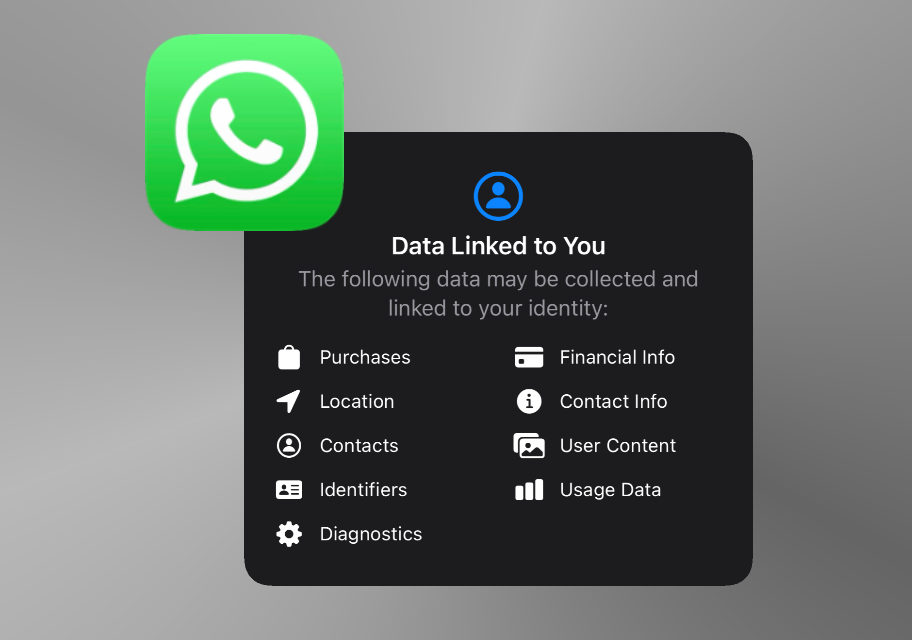
WhatsApp recently introduced new privacy policies for its users, which includes new terms ensuring that the app will share data with Facebook as a condition of use. Although this was postponed at first, WhatsApp will now disable some app functionalities until users accept the new privacy terms.

WhatsApp was the longtime holdout among Facebook’s three main platforms (Facebook, Instagram, WhatsApp) when it came to maintining some of their original identity and palatable privacy practices, but the sun is finally setting on WhatsApp. I’m frankly surprised it took this long, and I’m sure it won’t be too much longer before they start talking about getting rid of end-to-end encryption.

#deletefacebook

Facebook Bans Advertisers For Being Honest

From the Signal blog:

Companies like Facebook aren’t building technology for you, they’re building technology for your data. They collect everything they can from FB, Instagram, and WhatsApp in order to sell visibility into people and their lives.

This isn’t exactly a secret, but the full picture is hazy to most – dimly concealed within complex, opaquely-rendered systems and fine print designed to be scrolled past. The way most of the internet works today would be considered intolerable if translated into comprehensible real world analogs, but it endures because it is invisible.

However, Facebook’s own tools have the potential to divulge what is otherwise unseen. It’s already possible to catch fragments of these truths in the ads you’re shown; they are glimmers that reflect the world of a surveilling stranger who knows you. We wanted to use those same tools to directly highlight how most technology works. We wanted to buy some Instagram ads.

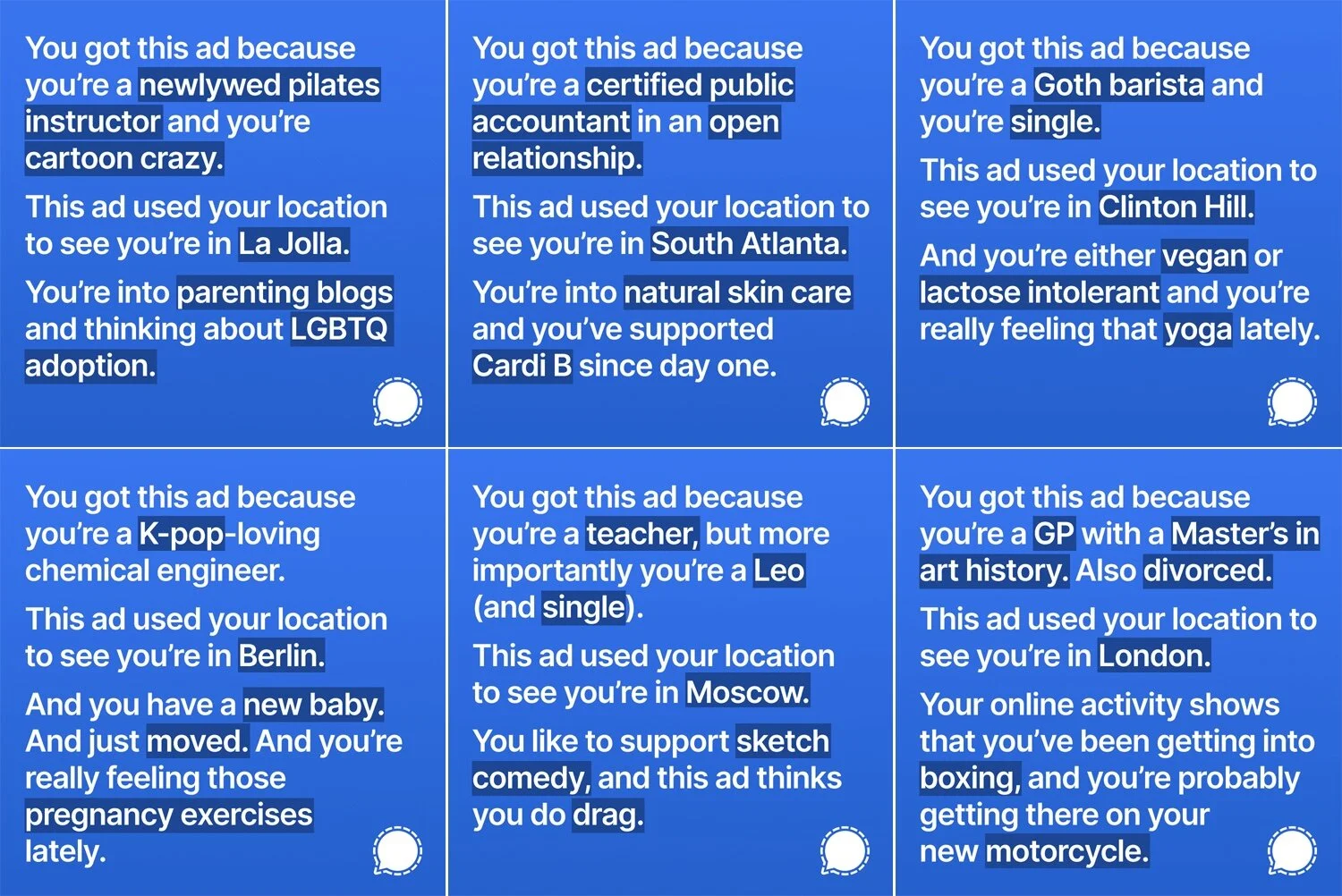
We created a multi-variant targeted ad designed to show you the personal data that Facebook collects about you and sells access to. The ad would simply display some of the information collected about the viewer which the advertising platform uses. Facebook was not into that idea.

Facebook is more than willing to sell visibility into people’s lives, unless it’s to tell people about how their data is being used. Being transparent about how ads use people’s data is apparently enough to get banned; in Facebook’s world, the only acceptable usage is to hide what you’re doing from your audience.

Shamelessly hypocritical. Facebook is fine with your data being distributed, sold, and leaked to just about anyone on the planet, just so long as it isn’t you.

#deletefacebook

Intel Is Flailing

Sami Fathi, reporting for MacRumors:

Over the next two years, Apple will transition its Mac lineup away from Intel processors to its own Apple silicon chips. Apple is already well underway on the transition, having released three Mac computers based on its M1 SoC. Intel in response launched a marketing campaign last week to label Macs and ‌M1‌ as inferior to Intel processors.

Despite the barrage of attacks, Gelsinger has indicated that he hopes to have Apple as a future customer.

Coming on the heels of Apple absolutely eating Intel’s lunch with the M1’s performance and versatility, and then Intel’s tactless ad campaign against Apple, this shit is just embarrassing. It sure looks like Intel is a ship on fire.

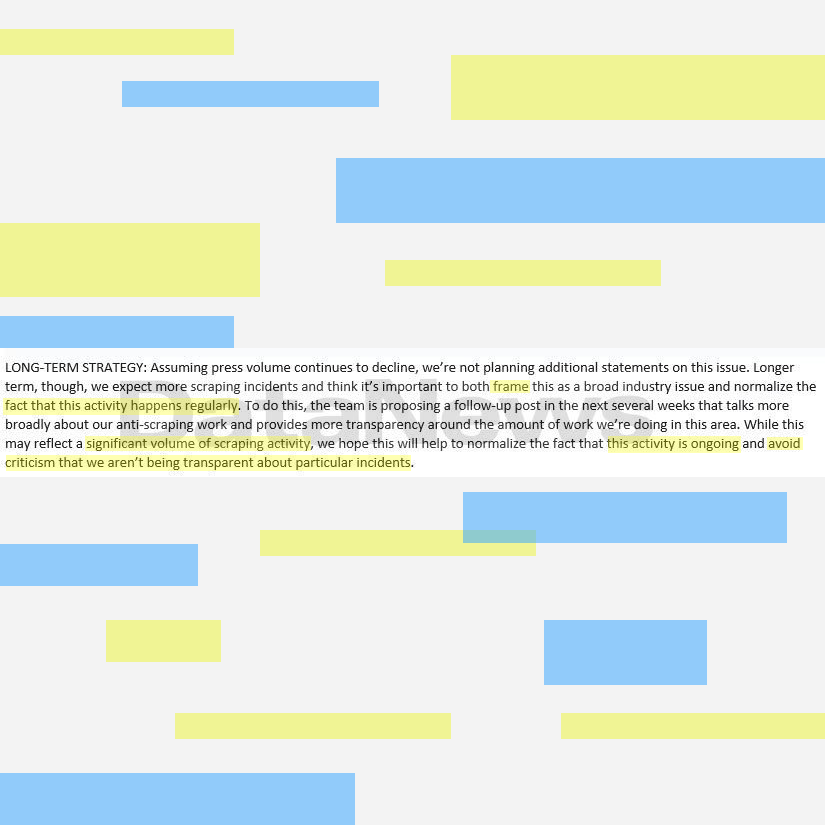
Facebook Accidentally Admits They Won’t Focus on Preventing Future Data Leaks, Instead Hoping To Normalize Them

These fuckers are absolutely shameless. Rather than putting forth any meaningful effort to actually prevent data leaks from their surveillance network, they just want to convince you that it’s something you’ll have to live with and not really a big deal. It’s just a part of their larger to plan to keep user’s from realizing how much value all the data Facebook steals from them really holds.

#deletefacebook

Pardon The Interruption

As you may have noticed, CopyrightBro took the month of April off. It’s not that nothing worth talking about happened, but rather that so much happened that was outside of the scope of what we usually cover on CopyrightBro that the only way for us to process it was to take some time off. But hey, work/life balance is underrated in the U.S. of A.

Don’t worry, we’re now back to our usual sporadic schedule of posting exactly when we want to.

Broc Ganttscoot, april21
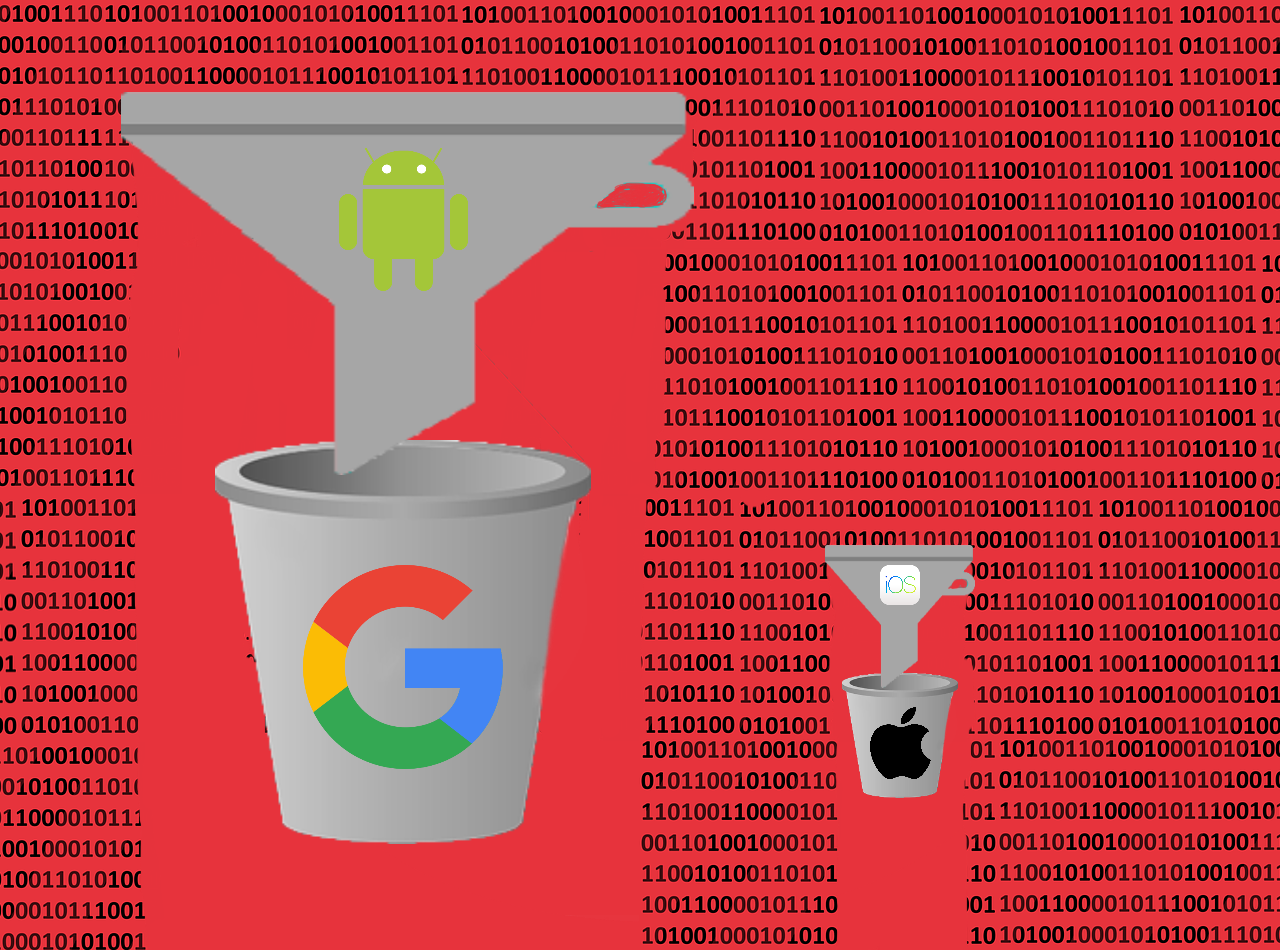
Breaking Olds: Google Is Collecting Way More Data From Android Users Than Apple Collects from iOS Users

Dan Goodin, reporting for Ars Technica:

[…] a researcher has provided a side-by-side comparison that suggests that, while both iOS and Android collect handset data around the clock—even when devices are idle, just out of the box, or after users have opted out—the Google mobile OS collects about 20 times as much data as its Apple competitor.

Google and Apple have both disputed aspects of this “research,” and there are glaringly obvious shortfalls to the methods the researchers used, but the basic findings are still probably pretty close to the truth. Of course Google collects as much data as they can, that’s how they make money. Their statement saying that the research was off by an order of magnitude probably means that they’re underestimating how much data Google scrapes: I wouldn’t be surprised if it were 200x the amount Apple takes.