Apple Training Siri To Understand Users With Atypical Speech

Katie Deighton, reporting for The Wall Street Journal:

Apple Inc. said its Hold to Talk feature, introduced on hand-held devices in 2015, already lets users control how long they want the voice assistant Siri to listen for, preventing the assistant from interrupting users that have a stutter before they have finished speaking.

The company is now researching how to automatically detect if someone speaks with a stutter, and has built a bank of 28,000 audio clips from podcasts featuring stuttering to help do so, according to a research paper due to be published by Apple employees this week that was seen by The Wall Street Journal.

The data aims to help improve voice-recognition systems for people with atypical speech patterns, an Apple spokesman said.

Maybe they can train Siri to understand users with typical speech next.

In all serious, Apple’s commitment to accessibility is a good thing, but you’d think they would start by making Siri work well for the vast majority of the population.

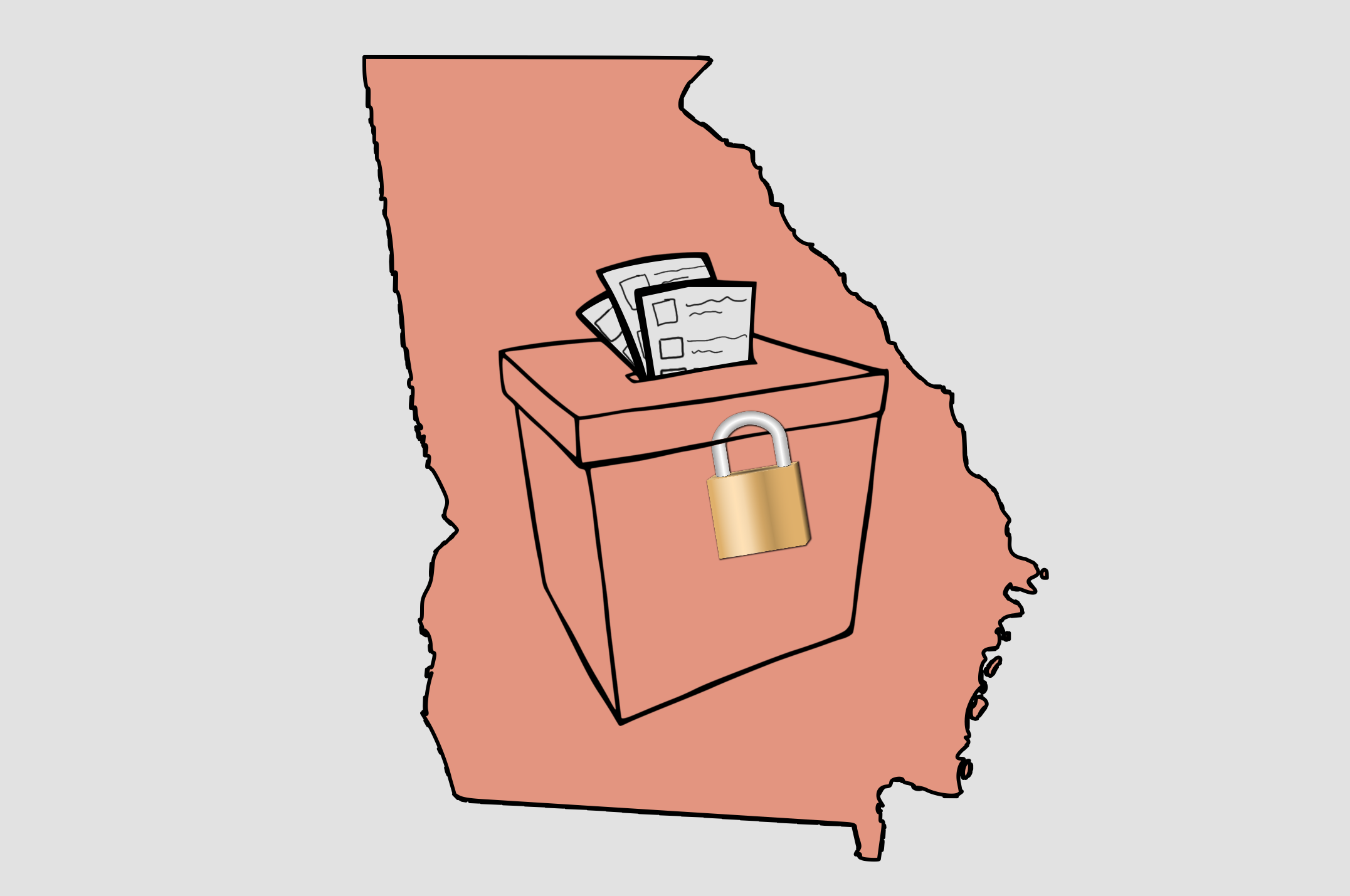
Voter Suppression In Georgia

Stephen Collinson, reporting for CNN:

Former President Donald Trump's campaign of lies about a stolen election just delivered a huge victory with a new Georgia law that could suppress the votes of many of the citizens who helped eject him from the White House.

Republican state lawmakers rushed through a broad law Thursday making it harder to vote that disproportionately targets Democratic and Black voters in a battleground vital to the 2020 election and future presidential and congressional contests.

[…]

The new law in Georgia requires more stringent voter verification requirements for absentee ballots, allows state officials to take over election boards and limits ballot drop boxes that make it easier for people to vote. The law allows any Georgian to make unlimited challenges to voter registrations, and, incredibly, makes it a misdemeanor crime for anyone to offer food and water to voters stuck in long lines to cast ballots.

Black voters hampered by the restrictions of voting in urban areas have often found themselves lining up for hours to vote in inclement weather. The clear targeting of African American voters in Georgia and elsewhere recalls some of the ugliest racial episodes of America's past, and is fueling claims of open Republican racism.

The part of this bill that makes it illegal to give water to voters waiting in lines has easily gotten the most attention, but some pundits have pointed out the scariest parts are the provisions that allow the Georgia state legislature to oversee elections and toss out ballots.

In any case, this should be a warning to southern voters in states that are inching left: don’t split the ticket with your state legislature picks. Even if you vote blue at the national level because you think it’s important to get rid of someone like Trump, that’s not enough. If you don’t get rid of bad faith Republican politicians down the ballot, they’ll come for you with a vengeance. Jim Crow voter suppression is alive and well, and the link between Republicans slowly losing power and Republicans passing voter suppression laws is 100% linear.

I do take issue with Collinson for framing this story as a win for Trump, whom I think should be getting the amount of national media coverage he deserves: none. Let’s not exaggerate his influence here. Yes, there’s a connection between the “big lie” narrative and this bill, but it’s not nearly as direct as the connection to Democrats and their policies simply being more popular among Georgian voters. Republican lawmakers in Georgia don’t really believe the election was stolen, it’s just a convenient cover to pass these laws, but Republicans can create a permission structure for themselves to do horrendous things out of thin air, and I feel certain this would’ve happened without Trump. Let’s not give him undue credit.

The Would-Be Atlanta Publix Shooting

Dakin Andone, reporting for CNN:

An Instacart shopper who entered an Atlanta supermarket bathroom this week told police he saw an AR-15 style rifle and heard what he believed was the sound of someone loading guns in a bathroom stall. 

The witness rushed out of the bathroom and notified staff at the Publix Supermarket. When police arrived soon after, they arrested a suspect as he was exiting the bathroom -- with six loaded guns in his possession.

The suspect, identified as 22-year-old Rico Marley, now faces a slew of charges related to the incident, which came just days after 10 people were killed in a mass shooting at a supermarket in Boulder, Colorado.

It was that tragedy that was fresh in the mind of the Instacart shopper, Charles Russell, he told CNN affiliate WSB.

"I saw an AR-15," he said. "And I was like, you know, this kind of startled me just again with events that recently happened in the grocery store up in Colorado."

Authorities have not said what they believed Marley intended to do with the weapons.

Yeah “authorities,” I fucking wonder.

This might as well count as a mass shooting. Real nice country we got here.

It’s also worth pointing out that rather than do anything about this near miss massacre, Georgia Governor Brian Kemp spent that day passing a modern day Jim Crow voter suppression bill that makes it illegal to give water to someone waiting in line to vote.

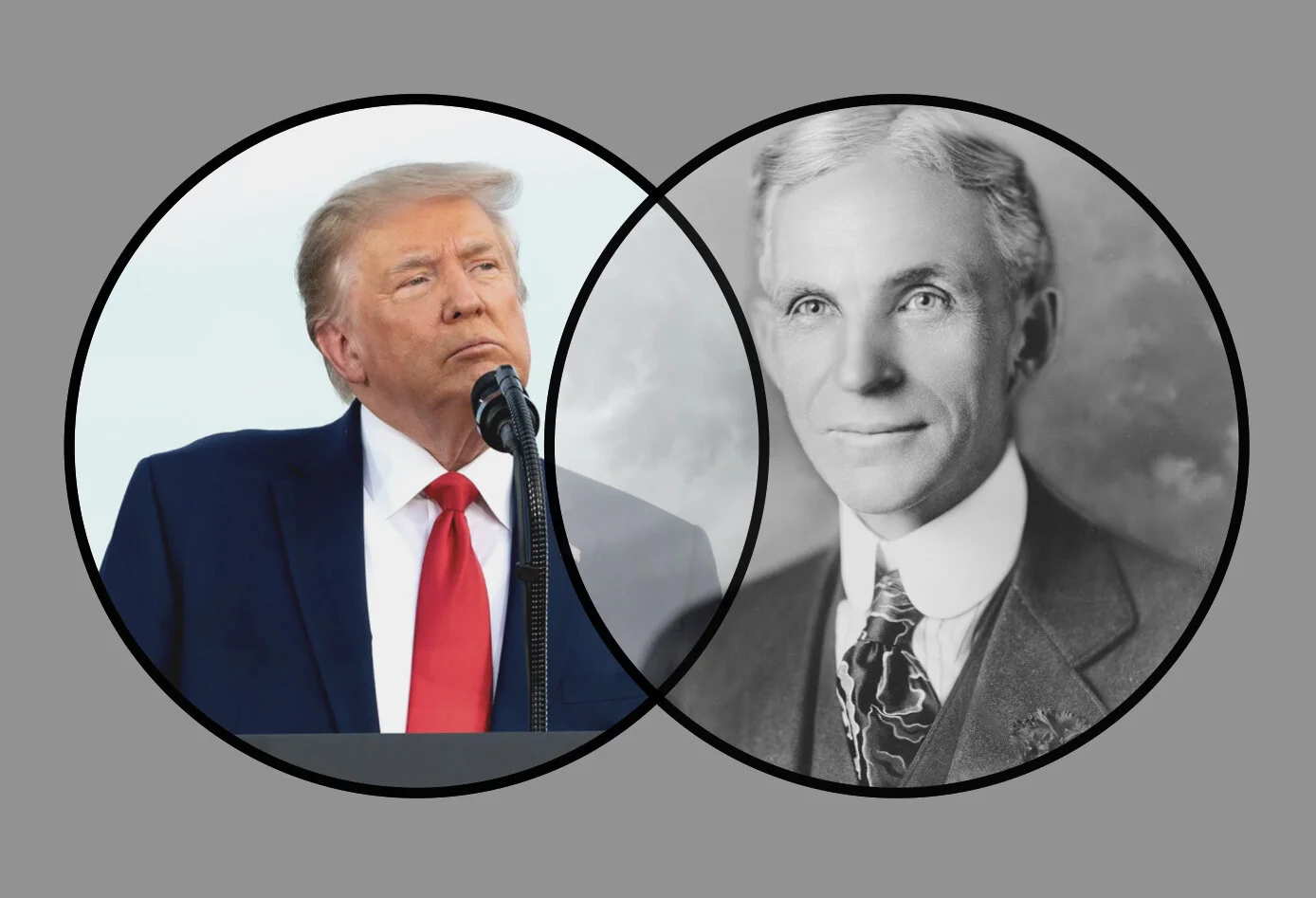
The Trump Vs Henry Ford Comparison

This piece began well before the Biden Administration did, well before the election, even. I thought about this a lot, considered different directions I could go with this article to make my point, but I think it’s actually better off as a short commentary on reputations.

Donald Trump and Henry Ford are two of the most well known businessmen of the past 100 years, both seen as moguls in their fields.

The story with Ford is that while he himself was not an expert at many of the various processes vital to the growth of his company, his management skills and business savvy helped him create one of Americas most famous automobile companies. It’s said that he had a button on his desk that he could press to summon a subject matter expert on any number of topics, bridging the gap between his lack of specific expertise and the needs of his company.

Let’s quickly contrast this with Donald Trump. Trump also had a button on his desk as president, but his button summoned diet cokes, not experts. In fact, Trump’s narcissism often got in the way of him actually taking advantage of the experts he had access to. Remember when he drew his own hurricane map? Or when he said we should drink bleach?

Trump’s arrogance and ignorance led him to be an antithesis to Ford. To suggest anything else is to romanticize Trump beyond recognition.

‘You All Over Me’

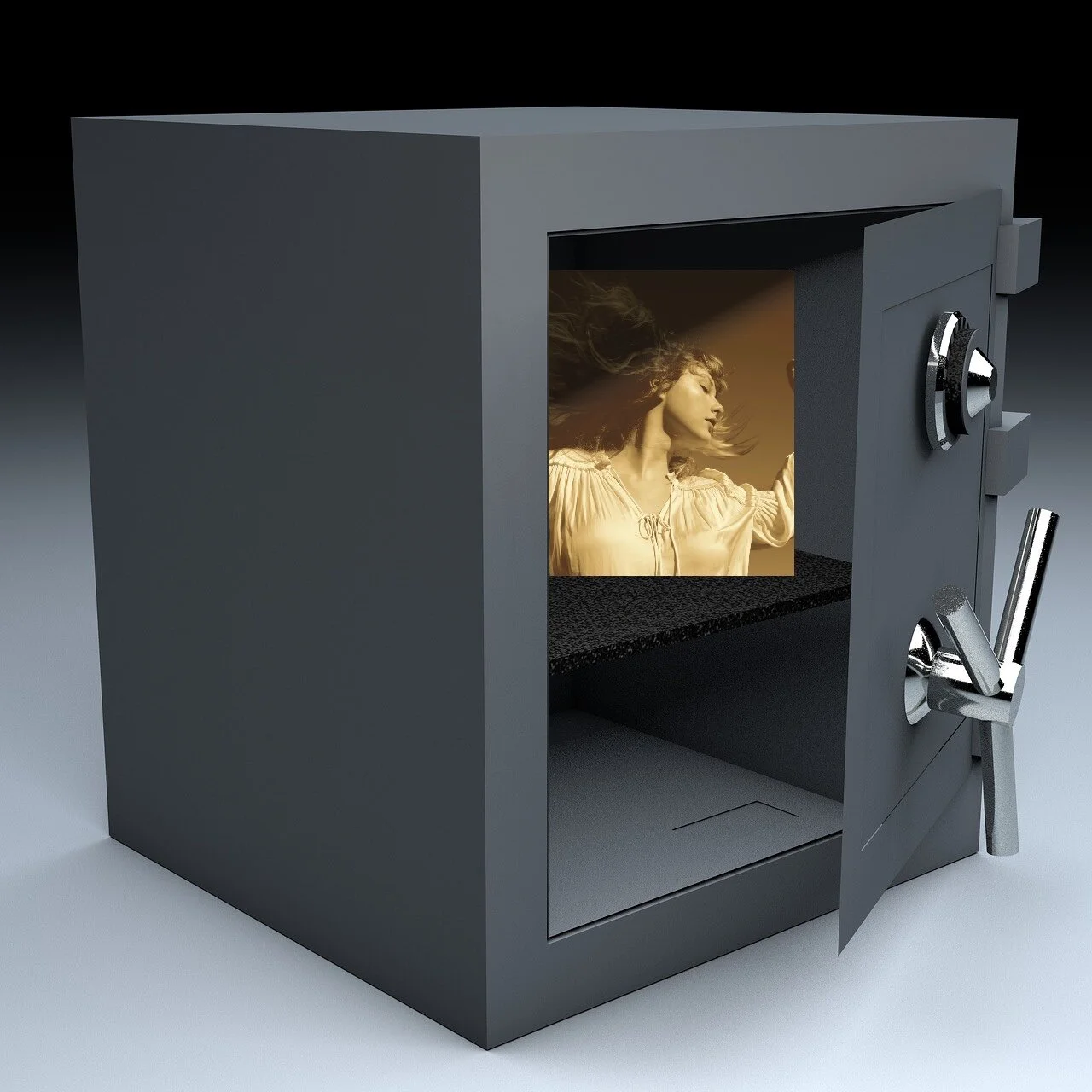
If the rest of the “From the Vault” songs are this good, Taylor could seriously be looking at a second Album-of-The-Year Grammy for “Fearless.” I guess I was expecting 13 year old scraps from the original “Fearless” album, but this is not that. This song is terrific, better than several of the songs that made it on the album. It makes you wonder how much of it was written at the time and how much of it was fleshed out present day.

To me, it doesn’t sound exactly like the rest of “Fearless.” It’s certainly country so the similarities are there, but it doesn’t sound like 2008 country. It sounds like what great country music could be in 2021, if it weren’t for the repetitive pop-hybrid garbage that’s been coming out of Nashville for the past decade. Given the slight changes made to “Love Story,” I wonder if perhaps that’s what she’s going to give us, a timeless country album remade to be just a little more timeless and show the country music industry how off base they’ve been since she left.

Check out “You All Over Me” here.

Thoughts On The Passage of The American Rescue Plan

Joe Biden’s top legislative priority was signed into law last week, and working class Americans are already enjoying the benefits of a loosened financial noose, but they didn’t get as much relief as they could've.

Thanks to peculiarly moderate Democratic Senator Joe Manchin of West Virginia who wanted to appear bipartisan by kowtowing to bad faith Republicans’ cynical demands of reducing the bottom line for the COVID relief package from $1.9T to a smaller figure — their proposal was just $600B, despite the fact that they had no qualms passing Trump’s $2.2T CARES act and a $1.9T tax cut for the wealthy in 2019 — there were several last minute changes to the bill. These changes resulted in fewer people receiving stimulus checks (roughly 17 million people making between $80k-$100k were excluded, a move which saved a paltry total of $12B from the bottom line number) and a 25% decrease in the amount of supplemental unemployment insurance that would be received by those filing unemployment (keep in mind that the current unemployment rate is still roughly double what it was before the pandemic, and also that the unemployment rate disproportionately reflects a healthier workforce than we actually have, since it calculates individuals who work multiple low wage jobs as multiple employed individuals).

It’s worth noting that despite Democrats having made these legislative concessions, not a single Republican in either chamber of Congress voted for the bill. Presumably, they were too preoccupied bitching about Dr. Seuss. Though, in the time since it passed, several Republican congressmen have actually tried to take credit for elements of the bill, despite having voted ‘no.’ The hypocrisy knows no bounds.

Several of the pieces of legislation they chose to limit had broad, bipartisan support among the American electorate. At the time it passed, the bill as a whole was polling very well, with 69% of likely voters supporting it compared to 24% opposing it. When polled on specific elements of the bill, nearly every element had more support than the bill as a whole. According to Data for Progress:

Likely voters continue to overwhelmingly back the bill’s substance, including grants to small businesses (83 percent), additional stimulus checks to most Americans (78 percent), funding to help schools reopen (75 percent), and extensions to unemployment benefits (71 percent).

This should be a lesson to Democrats for the next two years, and it highlights why we need filibuster reform/abolition. They need to use the political power they earned in the 2020 elections with brute force, focusing next on the For The People Act, which aims to protect voting rights from the barrage of hundreds of Republican voter suppression bills snaking through state legislatures across the country by ending partisan gerrymandering and changing campaign finance laws to reduce the influence of money in politics.

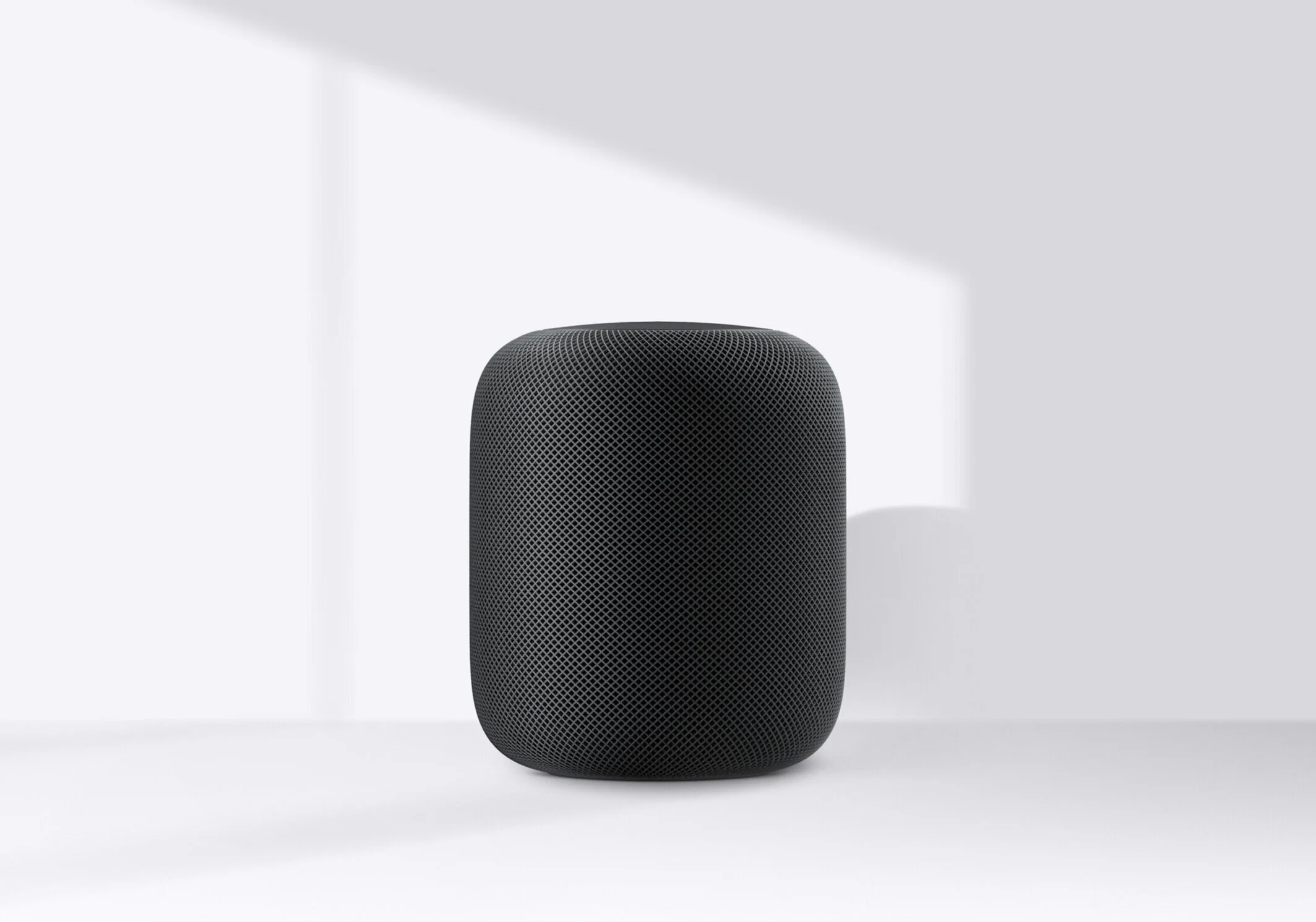
Apple Discontinues The HomePod

Matthew Panzarino, reporting for TechCrunch:

Apple has discontinued its original HomePod after four years. It says that it will continue to produce and focus on the HomePod mini, introduced last year. The larger HomePod offered a beefier sound space but the mini has been very well received and clearly accomplishes many of the duties that the larger version was tasked with. The sound is super solid (especially for the size) and it offers access to Siri, Apple’s assistant feature.

The original HomePod was a feat of audio engineering that Apple spent over five years developing. In order to accomplish its development, the team at Apple built out a full development center near its headquarters in Cupertino, with a world-class development environment with a dozen anechoic chambers, including one of the bigger anechoic chambers outside of academic use in the US. I visited the center before its release, noting that Apple took it the extra mile to get the incredibly complex series of tweeters and woofer that built its soundspace:

But slathered on top of that is a bunch of typically Apple extra-mile jelly. Apple says that its largest test chamber is one of the biggest in the US, on a pad, suspended from the outside world with nothing to pollute its tests of audio purity. Beyond testing for the acoustic qualities of the speaker, these chambers allowed Apple to burrow down to account for and mitigate the issues that typically arise from having a high excursion subwoofer in such a small cabinet. Going even further, there are smaller chambers that allow them to isolate the hum from electronic components (there is a computer on board after all) and make attempts to insulate and control that noise so it doesn’t show up in the final output.

I found it to be one of the best speakers ever made for the home when I reviewed it in 2018. From the booming base and well-shaped nature of the tweeter assembly inside; the cloth cover that was specially shaped to avoid interfering with sound quality in any way; the way that it sensed the way that audio was being shaped by walls and other obstructions and adjusted its output to compensate. It was the definition of ‘no effort spared’ in the speaker department.

I found this news surprising and disappointing, but not shocking. Plenty have tech pundits have already remarked that the HomePod’s demise was almost certainly a direct result of its high price. Not enough consumers care enough about audio quality to pay $300 (or $350, when it first launched) for what they understood to be a smart speaker whose virtual assistant was actually rather dim witted. The public perception was the problem all along: the HomePod was always intended to be an incredible sounding speaker, not an astonishingly intelligent one, but the market was (and still is) captivated by shitty little Amazon pucks that can do about a billion “smart” tasks but have sound quality akin to an iPhone 4 speakerphone inside a Folgers can. Apple wasn’t playing the same game as their competitors, and the market didn’t understand that.

The only thing I do find odd is that Apple was rolling out brand new, meaningful HomePod (proper) features as little as a couple months ago. The ability to use a pair of them as the default audio output for your Apple TV 4K just launched late last year, and it’s a great feature that is easy to set up, works flawlessly most of the time, and makes your tv sound incredible. Perhaps we’ll continue to see new features despite its discontinuation? Maybe they’ll revamp the HomePod, or come out with some sort of HomePod Pro? One can dream.

Twitter Asks Users What They Should've Done About Trump

From a Twitter press release:

[…] we want to hear from the public on whether or not they believe world leaders should be subject to the same rules as others on Twitter. And, should a world leader violate a rule, what type of enforcement action is appropriate.

Starting on March 19, we’ll be calling for responses to a public survey that will help inform the development of our policy framework […]

Crowdsourcing advice for platform rules seems like a great way to quickly sink a social network.

Google Still Tracks Users Who Use Chrome’s ‘Incognito’ Mode

Jonathan Stempel, reporting for Reuters:

Google was sued on Tuesday in a proposed class action accusing the internet search company of illegally invading the privacy of millions of users by pervasively tracking their internet use through browsers set in “private” mode.

The lawsuit seeks at least $5 billion, accusing the Alphabet Inc unit of surreptitiously collecting information about what people view online and where they browse, despite their using what Google calls Incognito mode.

According to the complaint filed in the federal court in San Jose, California, Google gathers data through Google Analytics, Google Ad Manager and other applications and website plug-ins, including smartphone apps, regardless of whether users click on Google-supported ads.

This helps Google learn about users’ friends, hobbies, favorite foods, shopping habits, and even the “most intimate and potentially embarrassing things” they search for online, the complaint said.

Real shocker.

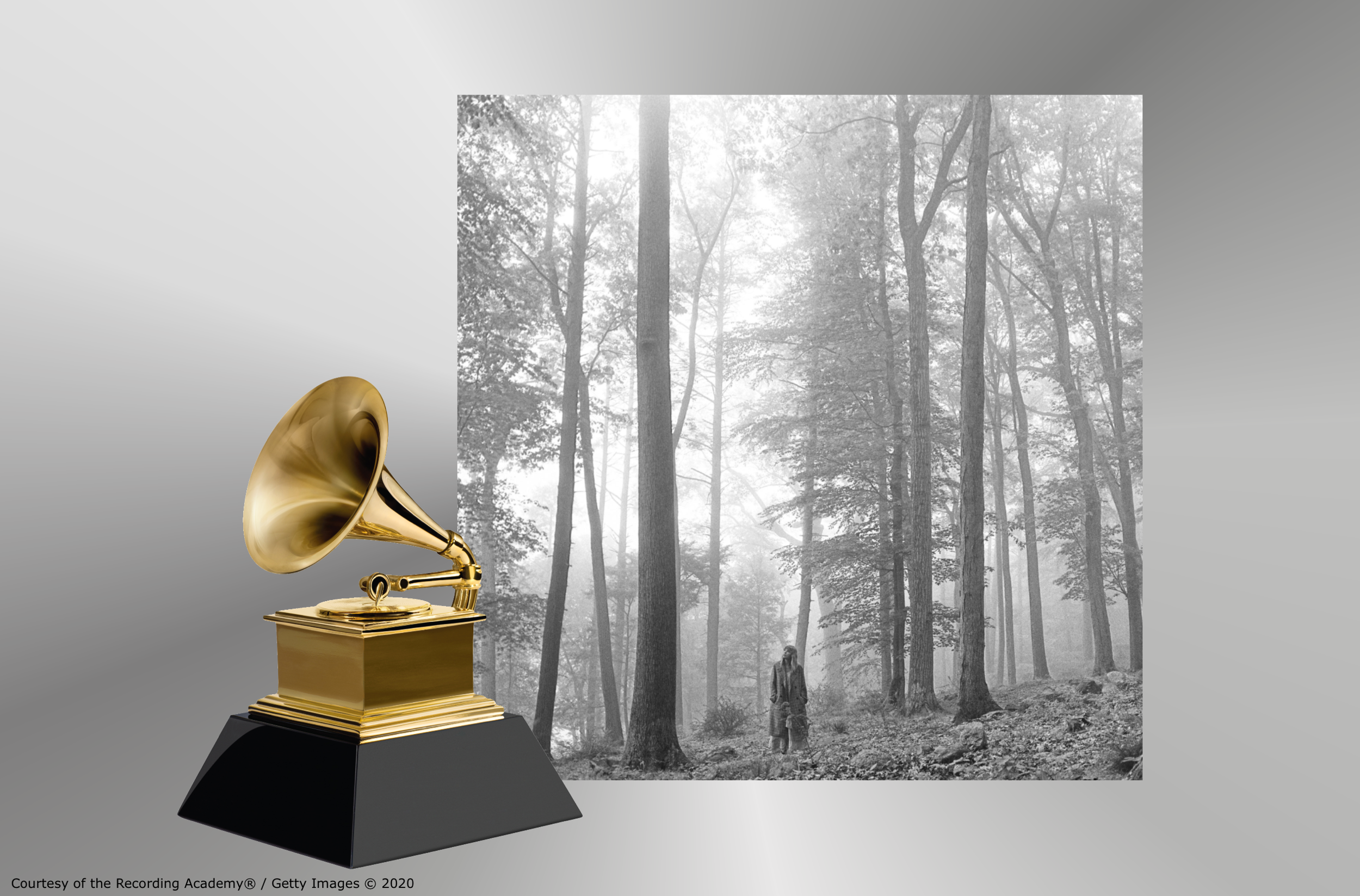
Taylor Swift Makes History as ‘Folklore’ wins Grammy for Album of The Year

Last night at the 63rd Annual Grammy Awards, Taylor Swift took home one of the biggest awards of the night, when her surprise eighth album “folklore” was named album of the year. This honor follows several other album-of-the-year awards for “folklore,” including titles from Rolling Stone and the Apple Music Awards.

Many people were talking about Beyoncé’s record setting wins, but nobody mentioned the historic nature of Swift’s most recent award. Prior to last night, there were only two artists in Grammys history who had won the “album of the year” title three times, and they were Frank Sinatra and Stevie Wonder. But last night, Taylor Swift joined their ranks, as only the third person to ever win the Grammy for album of the year three times, and the only female act ever to do so. She had previously won the title in 2010 (for her second album, “Fearless”) and in 2016 (for her fifth album, “1989”).

Regardless of how you felt about “folklore” and whether or not it was your style of music, it was clear that there was something special about it from the very start, and I’m glad it’s gotten the recognition it deserves. It was the perfect quarantine album, and it was a masterful showcasing of Swift’s talent for songwriting and storytelling.

The Seuss Circus

Robert Schlesinger, writing for NBC News:

Dr. Seuss Enterprises — the very profitable company which controls the estate of the late Theodor Seuss Geisel, the man behind the pen name — has decided of its own free will to stop publishing a half-dozen of his books because, the company told The Associated Press, they “portray people in ways that are hurtful and wrong,” deploying stereotypes about Black and Asian people in a manner that Seuss’s own estate thinks is offensive and inappropriate.

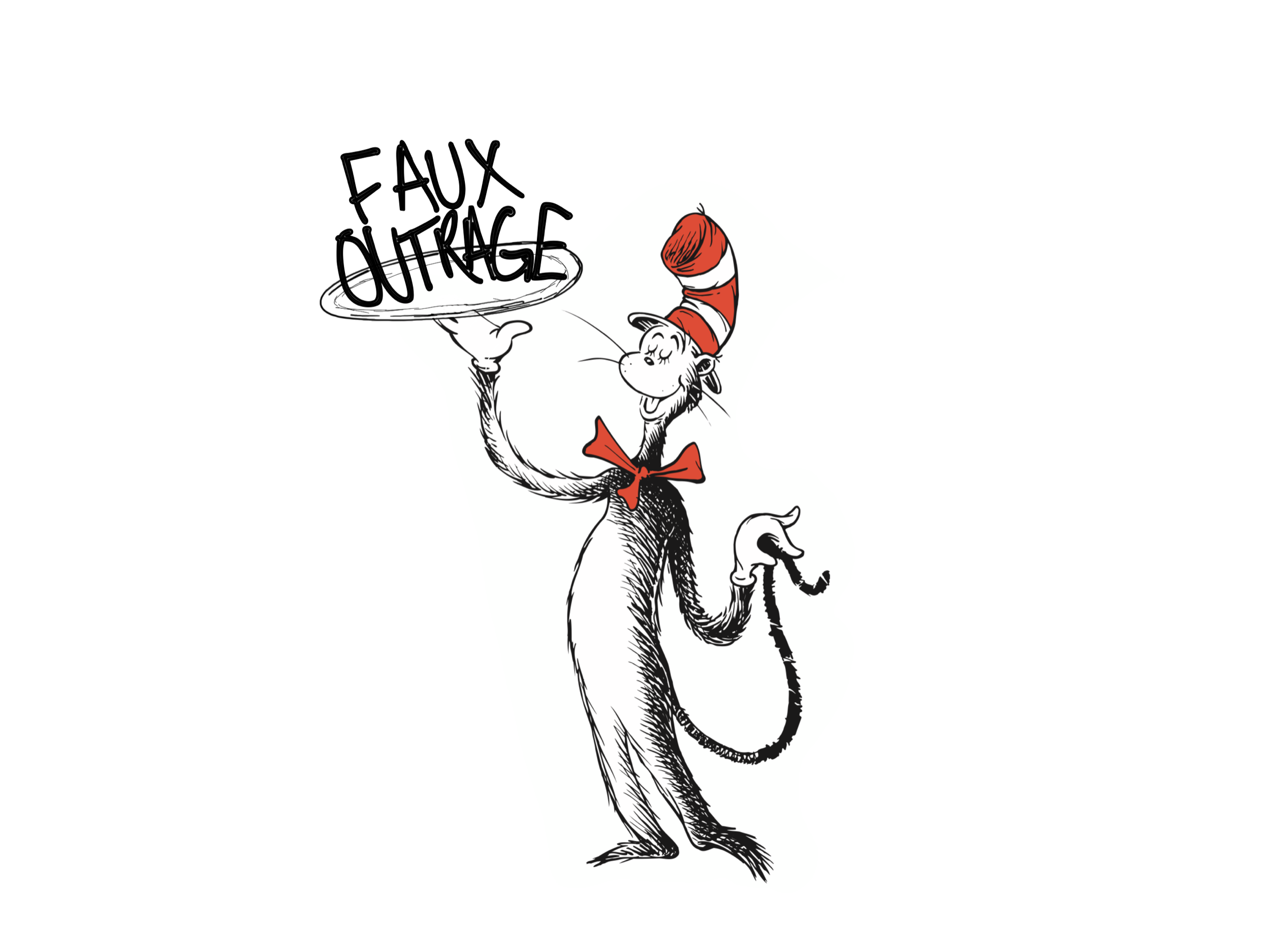
The Fox outrage machine revved itself to high dudgeon over how this private company has decided to conduct its business, bemoaning the Seussian scalp-taking; the GOP’s culture-war ambulance chasers quickly followed suit. “First, they outlaw Dr. Seuss” — mind you, Theodore Geisel died in 1991 and its his own estate taking this action — “and now they want to tell us what to say,” House Minority Leader Kevin McCarthy, R-Calif., said in a mendacious non sequitur while debating proposed election law reforms.

[…]

Let’s get some perspective here: Seuss Enterprises made $33 million last year, more than 650 million of his books have been sold around the world and they’re available in more than 100 countries. There is no significant move — and certainly not from Seuss Enterprises — to ban, burn or otherwise cancel Dr. Seuss. A private company has made a considered business decision by pulling a small fraction of the Seuss catalog (none among its top sellers).

Exactly why is this any of the business of the federal government? Surely Republicans, who supposedly believe the government should interfere in private business decisions as little as possible, don’t think the market should cease to work its infallible will; surely if Seuss Enterprises is erring and catering to a political correctness that nobody wants, market forces will correct it.

Schlesinger hammers his broader point home with a sharp analogy to Republicans’ persistent hard-on for the “free market” and voting rights:

Republicans have long declared their supposedly unwavering obeisance to the great invisible hand of the market; as former House GOP Leader Dick Armey liked to say, “Markets are smart; government is dumb.”

And yet several recent moments have made that commitment seem situational. Whether discussing Dr. Seuss, Mr. Potato Head, voting rights or Twitter, Republicans seem ill at ease with — or just ignorant of — the ways the mighty market actually functions.

[…]

Republicans have lost the presidential popular vote in seven of the last eight elections — or to put it another way, they have been losing political market share. But instead of adjusting their product (their candidates and policies) or how they sell it (their messaging), the GOP increasingly relies on government interference to maintain power, including the distortionary nature of the Electoral College and the U.S. Senate (which is evenly split despite the fact that Democrats represent 41 million more constituents), radical gerrymandering and restrictive voting laws

The whole Seuss issue was just manufactured outrage that actually led ignorant Republican consumers to purchase more Seuss books, directly benefiting the enterprise that made the decision to stop publishing six of his books in the first place.

The Republican Party doesn’t know who they are anymore; they didn’t even put together a party platform last year. Their only agenda is to obstruct real governance and “own the libs” whenever possible, hoping that concocted fury will be enough to hold their voting bloc together because they can no longer sell most of their (racist, homophobic, intolerant, bigoted) “principles” to a majority of the American electorate.

Amen Begging

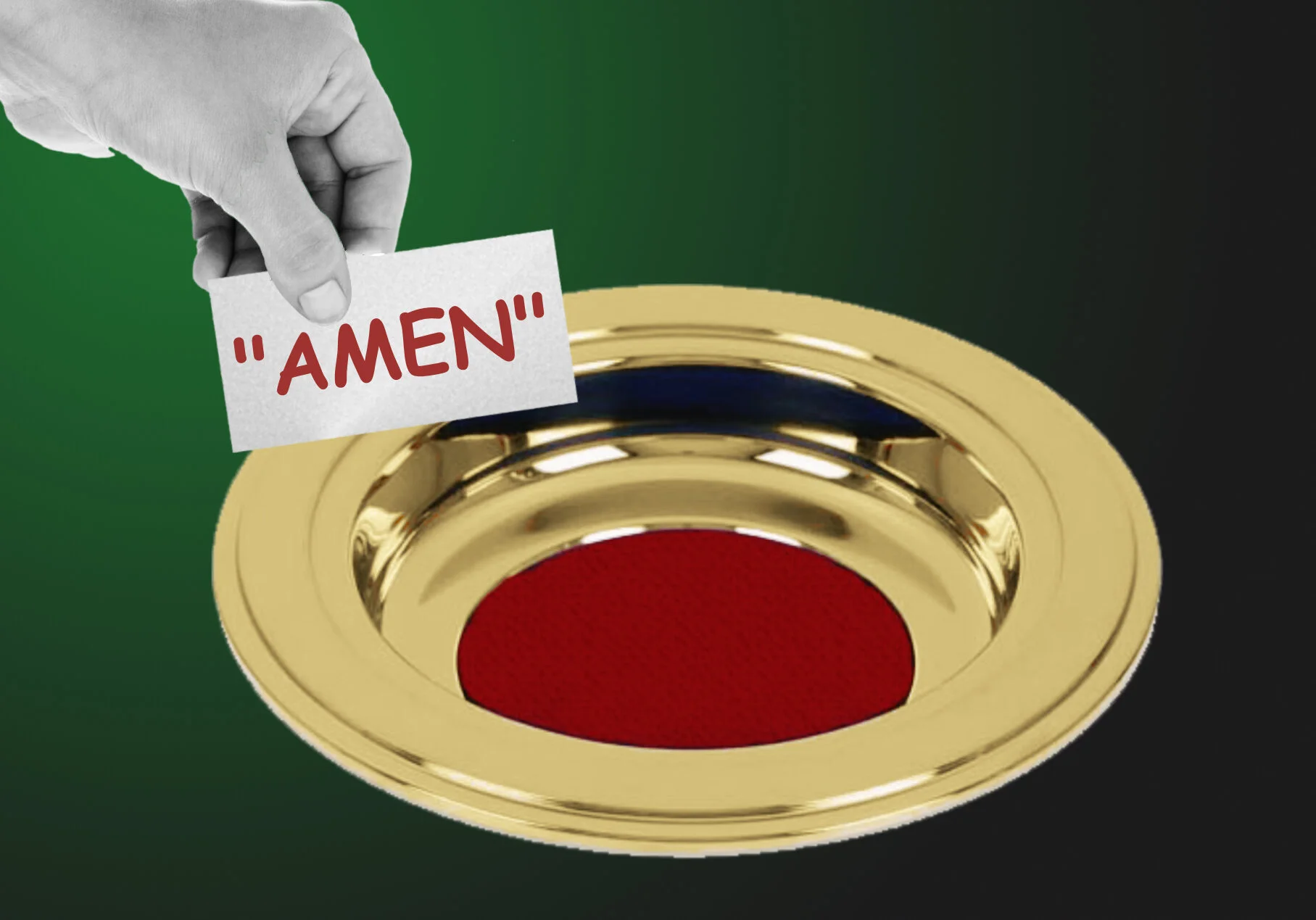
If you haven’t spent much time in an evangelical church, you may not be familiar with a practice I call “amen begging,” but it’s pretty straightforward concept. Essentially, “amen begging” is when a pastor encourages his audience to show support for a statement or claim he’s just made, a bit like a light up “APPLAUSE” sign one might find on the set of a television show filmed in front of a live studio audience. A pastor doing something along the lines of an “APPLAUSE” sign asking people to clap or feign laughter to make a mediocre sitcom joke seem funnier may appear insignificant on the surface, but I believe it has insidious consequences.

I believe what this really does is condition the congregation to respond positively and visibly for others to see when something spicy or controversial is said, when most audiences would respond negatively to such remarks. This allows for a normalization of the heated statement du jour among the congregation, creating a permission structure for less sure audience members to subscribe to whatever belief or idea was just voiced, and positioning them to be accepting of increasingly outlandish remarks, opening the door for complete inoculation and radicalization. The more “amen begging” that goes on in a particular church, the more cult-like that church is likely to be.

Time for an anecdote: I once had a pastor from the church I grew up in say to me “don’t question me, I’m a pastor” when I raised a concern about his interpretation of a particular bible verse. Rather than engage with the interpretation I offered or answer my question, he called me a wicked, deceived sinner. That is not the mark of a caring leader who wants to guide his sheep to the lord, it’s the mark of someone whose authority is illegitimate and whose professions of faith are hypocritical, who is personally benefiting from his leadership position. For what it’s worth, this pastor was someone who very frequently begged his audience for amens.

If a pastor has done his job correctly, his congregation will applaud or “amen” his sermons appropriately without instigation. An honest pastor’s biblically inspired words will serve as a conduit for divine influence amongst a congregation who think for themselves, while the way for a dishonest pastor to legitimize his claims is to rely on a Pavlovian conditioned response from a mindless audience who’ve been trained not to think for themselves.

If you’re a member of a congregation where your pastor frequently tries to spur these inorganic reactions to his words, perhaps you should do some soul searching on whether or not you’re in the right place. A pastor’s role is to lead their congregations in their faith, but we’ve seen countless perversions of this model by corrupt, greedy individuals who benefit from their roles in the church at the expense of their congregations, whom they invariably lead astray. This tendency toward corruption has led many to believe spirituality and religion are best practiced on an individual level, and that argument holds water. However, I don’t necessarily believe that there can’t be healthy groups of people who practice their faith together without resulting in the cult-like, blind following of clergymen, but “amen begging” should be a red flag for those participating in religious organizations that their leaders may not be as genuine as they appear.

But false prophets also arose among the people, just as there will be false teachers among you, who will secretly bring in destructive heresies, even denying the Master who bought them, bringing upon themselves swift destruction.

— 2 Peter 2:1 

For such men are false apostles, deceitful workmen, disguising themselves as apostles of Christ. And no wonder, for even Satan disguises himself as an angel of light. So it is no surprise if his servants, also, disguise themselves as servants of righteousness. Their end will correspond to their deeds.

— 2 Corinthians 11:13-15

Beloved, do not believe every spirit, but test the spirits to see whether they are from God, for many false prophets have gone out into the world.

— 1 John 4:1

Photos of Mars

I know we’ve had pictures of Mars before, but not like this. These images are really breathtaking and hard to comprehend, even though they’re mostly just pictures of the Martian ground. There are already over 5,000, and I’m sure they’re going to keep coming and weI’ll see plenty more wild sights from Mars, but it’s already well worth your time to click through a few pages of the images NASA has made available.

Here are a few I liked:

Mars_Perseverance_ZLF_0003_0667220316_000FDR_N0010052AUT_04096_034085J01.png
Mars_Perseverance_ZRF_0003_0667217600_000FDR_N0010052AUT_04096_034085J01.png
Mars_Perseverance_ZRF_0003_0667218910_000FDR_N0010052AUT_04096_034085J01.png
Mars_Perseverance_ZRF_0003_0667217846_000FDR_N0010052AUT_04096_034085J01.png
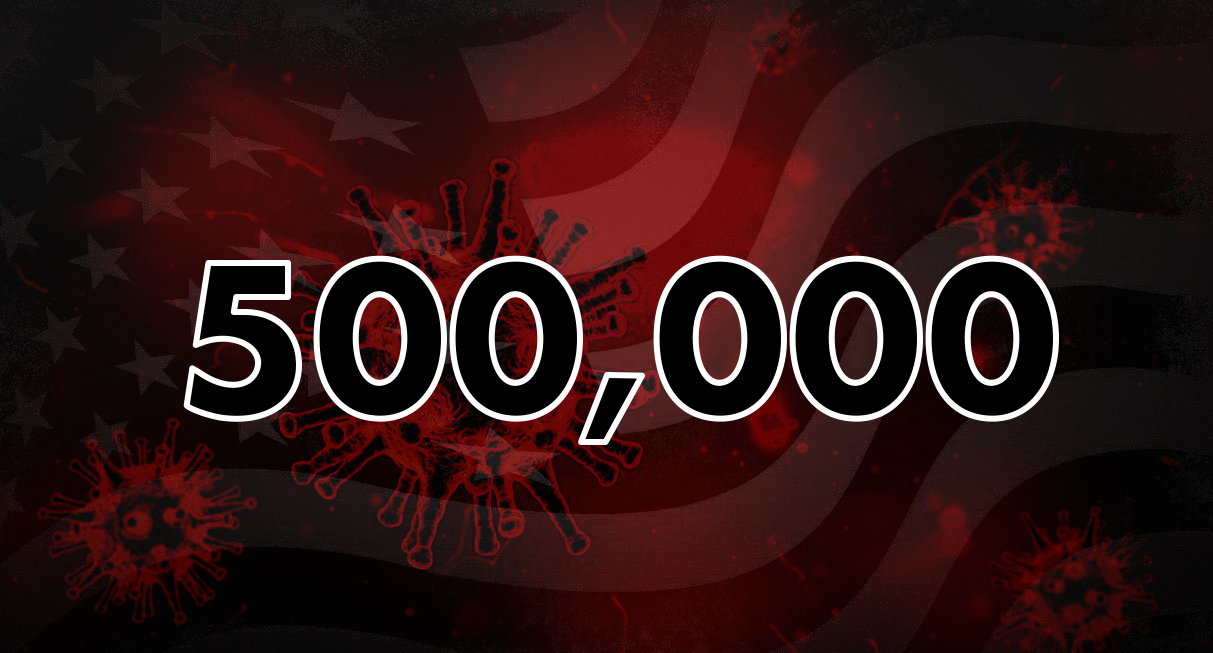
United States Surpasses 500,000 COVID-19 Deaths

Jorge L. Ortiz, reporting for USA Today:

Even as the USA becomes the first country to reach half-a-million COVID deaths – the actual figure was 500,071 as of Monday at 4:40 p.m. EST – there are signs the pandemic may be abating, from the decreasing number of cases, hospitalizations and fatalities to the improved vaccine rollout and production. 

Amid this hopeful scenario, the emergence of coronavirus variants scrambles the picture of what the near future may look like.

[…]

Closing in on the one-year anniversary of the coronavirus outbreak being declared a pandemic – March 11, 2020 – it’s still not clear when the United States, which has reported more than twice as many cases and deaths as any other country, will have a hold on the health crisis.

It’s hard to know who to blame at this point. China? Trump? Ignorant people who refuse to wear masks? State governments who’ve managed to fuck up the response at every step of the way? Take your pick, really. Five hundred thousand deaths leaves plenty of blame to go around.

Thoughts On The Filibuster

Get rid of it. Pretty simple.

Don’t get me wrong, there are good points to be made on both sides of this debate, but I think the right answer is to either get rid of the filibuster entirely, or to at least reform it to the point where it can no longer be used to completely kill popular legislation.

As many have pointed out, the filibuster has not always been a tool in the Senate’s tool belt. It has a long and complex history, but it gained its popularity during the Jim Crow era when southern Senators used it repeatedly to halt legislation that would have benefited black people at the time, like the federal criminalization of lynching or the outlawing of requirements that people pay to be able to vote.

Getting rid of the filibuster entirely is a scary concept, because then a simple majority in the Senate would be able to pass whatever legislation they wanted. However, I think it would also force more cooperation from the minority party, who would have to be less hostile towards their across-the-aisle colleagues in order to have a say in amending the passing legislation to benefit their constituents. You would also see more unique coalitions of senators who could come together to pass legislation that isn’t perfectly aligned with one party’s platform or the other, instead bringing together more specifically focused factions of senators whose aims would be to help their constituents rather than to toe the party line. It would free up a lot of the gridlock in Washington, and even if you don’t agree with everything the party in power wants to do, at least progress could be made, unlike the past several decades of stagnation. If a law were passed that proved to be unpopular or to have negative consequences, then a faction of senators opposing the legislation would be able to remove it from the books the next time they take power (assuming the legislation in question is actually unpopular with voters, and not just the special interest groups who fund the senators’ campaigns). Everyone says they hate Congress because they never get anything done, and the filibuster is to blame for that.

Taylor's Versions

For those who aren’t aware, Taylor Swift is in the process of re-recording her first six albums.

My hope for the re-recordings was that they would be as similar to the originals as possible. I’ve never been a fan of remixes, and Taylor’s old songs in particular hold such a sacred place for so many people. I was very afraid that we’d end up with pop versions of country songs that would just sound like garbage, and that’s probably the worst case scenario. I wanted to be able to listened to the re-recorded songs instead of the originals, not have them as supplemental versions.

While the originals will always hold a special place in my heart, from what we’ve heard so far, I think I’ll be able to make a clean break from them, and leave them in the past to prevent Taylor’s bullies from profiting off of their underhanded deal to buy her music out from under her.

Image 206.png

The first re-recorded song to be released was “Love Story,” and it sounds incredible. It’s so similar to the original that you may not notice it isn’t the original, but once you’re clued in, you can hear subtle differences, like the more present violin in the chorus, and a few words that Swift pronounces ever so slightly differently. On the whole, her voice is smoother and more mature, but the song is just as authentic as ever. It’s nostalgic, it really feels like you’re revisiting a moment in time.

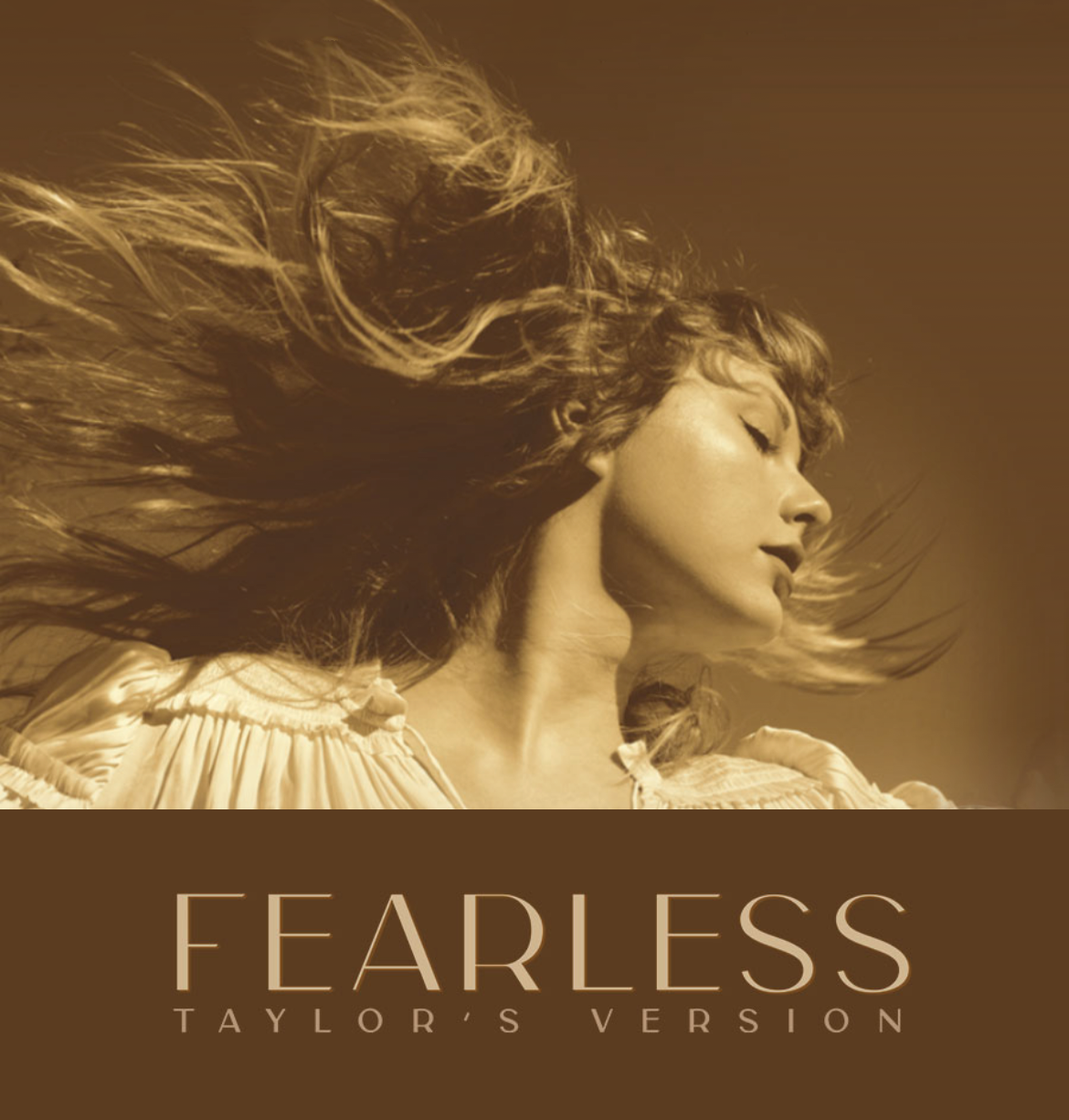
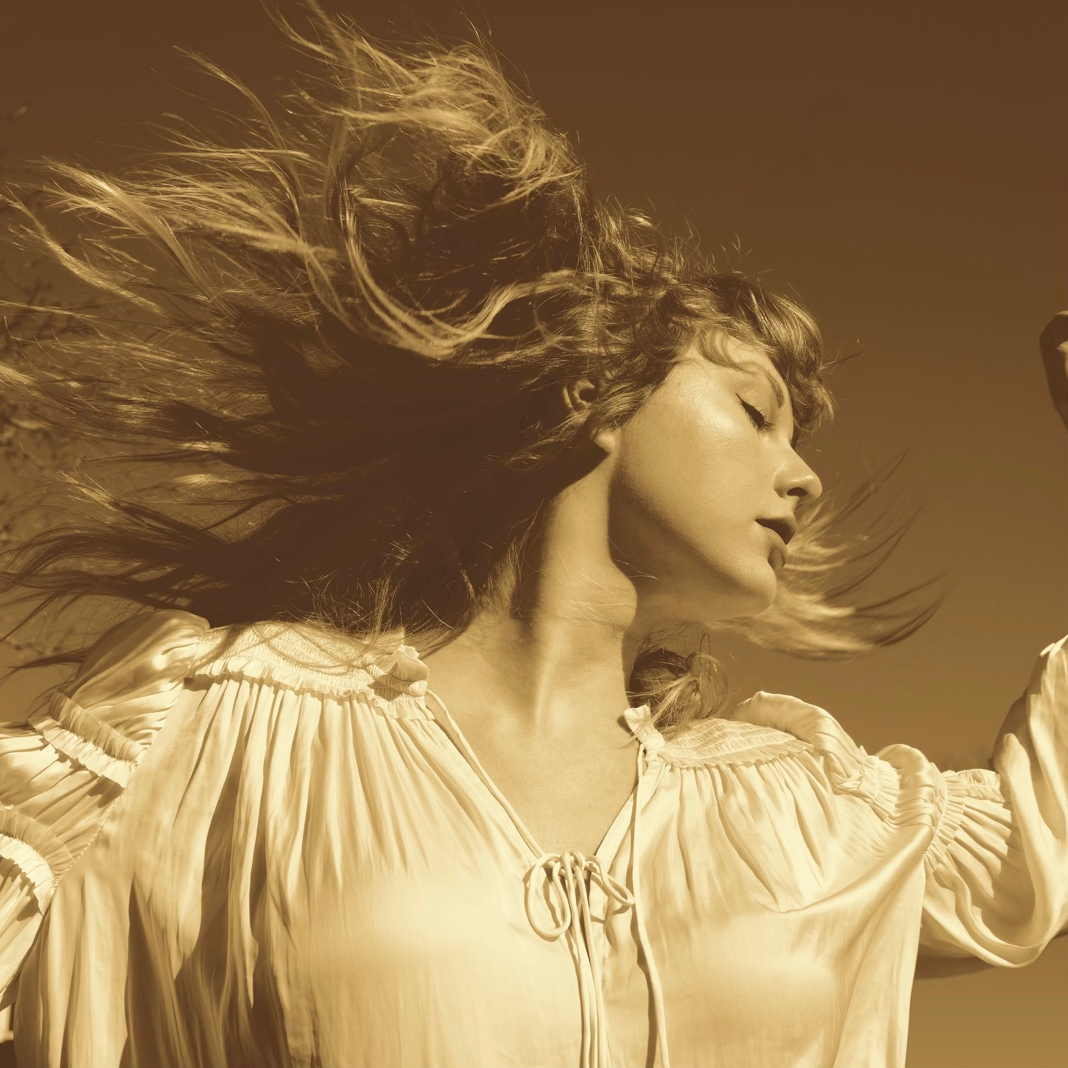
The album artwork is great, it’s a similar pose to the original album, and it makes use of the yellow/gold color, but it too is more mature. Like the other albums Taylor owns, the cover does not feature her name.

The rest of the re-recorded “Fearless” album comes out April ninth, and you can go ahead and pre-order/pre-add it to your library here.

Police Were Warned Nashville Christmas Bomber Was Building A Bomb, Did Nothing About It

Ben Hall, reporting for News Channel 5 Nashville:

Police were warned Anthony Warner was making bombs in his RV more than a year before his Christmas morning attack in downtown Nashville.

The tip came from Warner's distraught girlfriend in August of 2019.

Police went to Warner's home the day of the complaint, but were unable to make contact with him.

The case was later closed as unfounded.

“He’s not home, case closed!”

She told officers that her boyfriend - Anthony Warner - "was building bombs in the RV trailer at his residence."

Yes, completely “unfounded.”

The police report states that an attorney who was also there and represented both the woman and Warner - told police that Warner "frequently talks about the military and bomb making."

Attorney Ray Throckmorton told police that Warner "knows what he is doing and is capable of making a bomb."

"I made a report on the spot for him to get checked out and I did all that I knew I could do," Throckmorton said.

The police suck at everything they do (except lynching black people and getting away with it). Defund the police. Fuck the police.

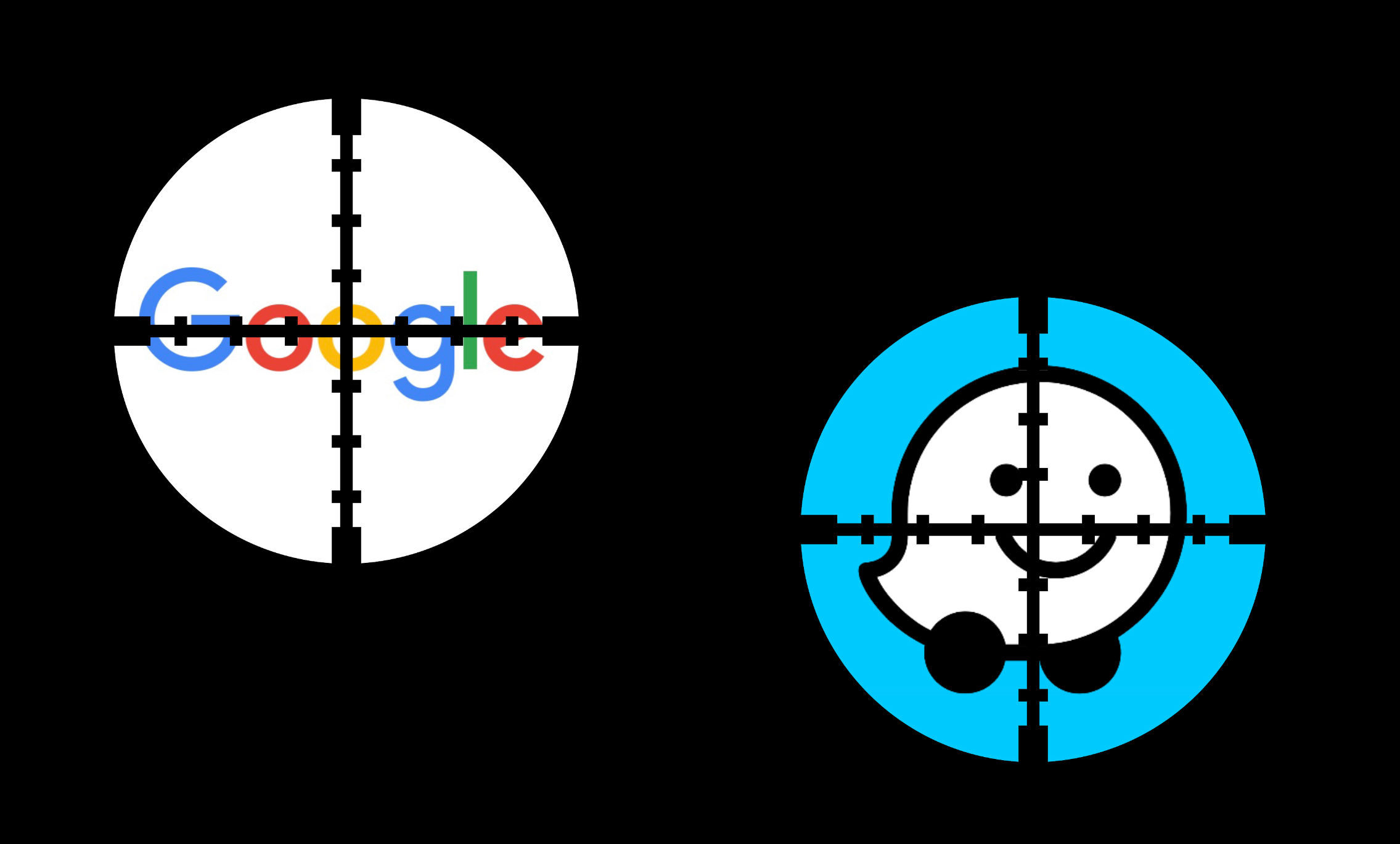
Apple Trains Their Sights on Google (and Waze)

Sami Fathi, also reporting for MacRumors:

Starting with iOS and iPadOS 14.5, Apple will proxy Google's "Safe Browsing" service used in Safari through its own servers instead of relying on Google as a way to limit which personal data Google sees about users.

While Google doesn't know which specific URL you're trying to visit, it may collect your IP address during its interaction with Safari. Now on iOS/iPadOS 14.5, that's no longer the case.

Juli Clover, reporting for MacRumors:

The iOS 14.5 beta, available to developers and public beta testers, adds a new Apple Maps feature that lets you report accidents, hazards, and speed checks along your route when getting directions.

Apple is out for blood with the privacy measures, and I’m here for it.

The change for safe browsing doesn’t seem like a big deal and it isn’t something users will notice, since Google wasn’t getting the URL you were gong to in the first place, but this also prevents them from getting your IP address, and a good rule of thumb is the less information funneled through Google, the better.

However, the change for Maps is huge. If it proves popular, it could effectively kill Waze on iOS. Apple’s implementation of crowdsourced traffic conditions certainly isn't as robust and feature heavy as Waze, but honestly, Waze was a pain to use from a design perspective, and its feature set was bloated. Apple’s option is a lot more straightforward while still conveying most of the data you’d want. I could see them expanding it a little bit in the future (to give more specific options for road hazards, or to indicate heavy traffic without any apparent accidents), but since it is a feature that most people will use while driving, the simpler it is to report conditions, the better.

These are two great steps to reducing iOS users’ reliance on Google, but the most obvious step remains: stripping Google’s status as the default search engine in Safari. That may not be super popular with users at first, but if more people realized that Google remembers every query they make and then uses that data against them, AND the new default search engine is at least 90% as good as Google (which has been getting steadily worse, increasingly bloated with advertisements), I think Apple could throw up a splash screen that would convince people to try the new option (or just don’t even clue users in until they start making queries and notice they aren’t landing on Google). Speaking of that new option, I think the best bet would be for Apple to just build their own search engine, but they could also set DuckDuckGo (the browser I personally use, because it doesn’t track or record your search history and sell you out to companies looking to buy that data) as the out-of-the-box browser and make users change it back to Google if they don’t like DDG, perhaps even explaining the privacy differences in the settings menu or forcing them to tap accept on a pop up acknowledging that they’re choosing to use a search engine that tracks them.


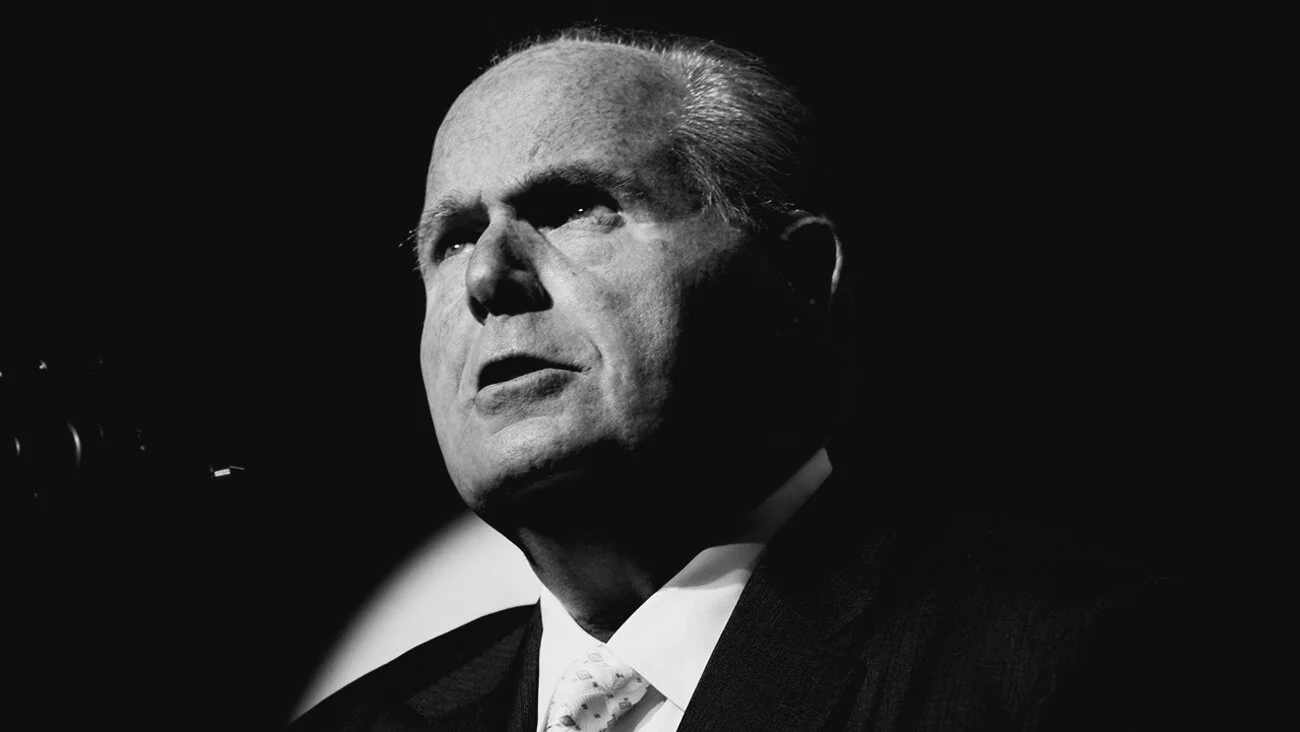
Rush Limbaugh Dead at 70

Be sure to check out the whole list, but here are a few highlights from AZQuotes.com’s list of Rush Limbaugh’s top 25 quotes:

Slavery built the South. I'm not saying we should bring it back; I'm just saying it had its merits. For one thing, the streets were safer after dark.

Ideal women: 36-24-36, five foot seven, flat spot on top of the head, deaf mute. The flat spot on the top of the head is for your drink.

When a gay person turns his back on you, it is anything but an insult; it's an invitation.

There is no conclusive proof that nicotine's addictive... And the same thing with cigarettes causing emphysema, lung cancer, heart disease.

Even when I think I'm wrong I'm right. I am all-knowing.

It wasn’t cancer that killed Rush Limbaugh, it was karma.

While it’s a bit uncouth to relish someone’s death, Rush Limbaugh’s absence from this world is inarguably a net good. Mourning his death would be a bit like mourning for Joseph Goebbels. Speaking of whom, I’m sure those two peas-in-a-pod propagandists will have a splendid time falling in love with each other over brunches in hell.

Don’t miss: Another tally mark in the “Fuck Florida” column, as Governor Ron DeSantis issues a brazenly partisan order to lower flags to half staff for this asshole. Disgusting. Next time Florida threatens to secede, I say we let them.

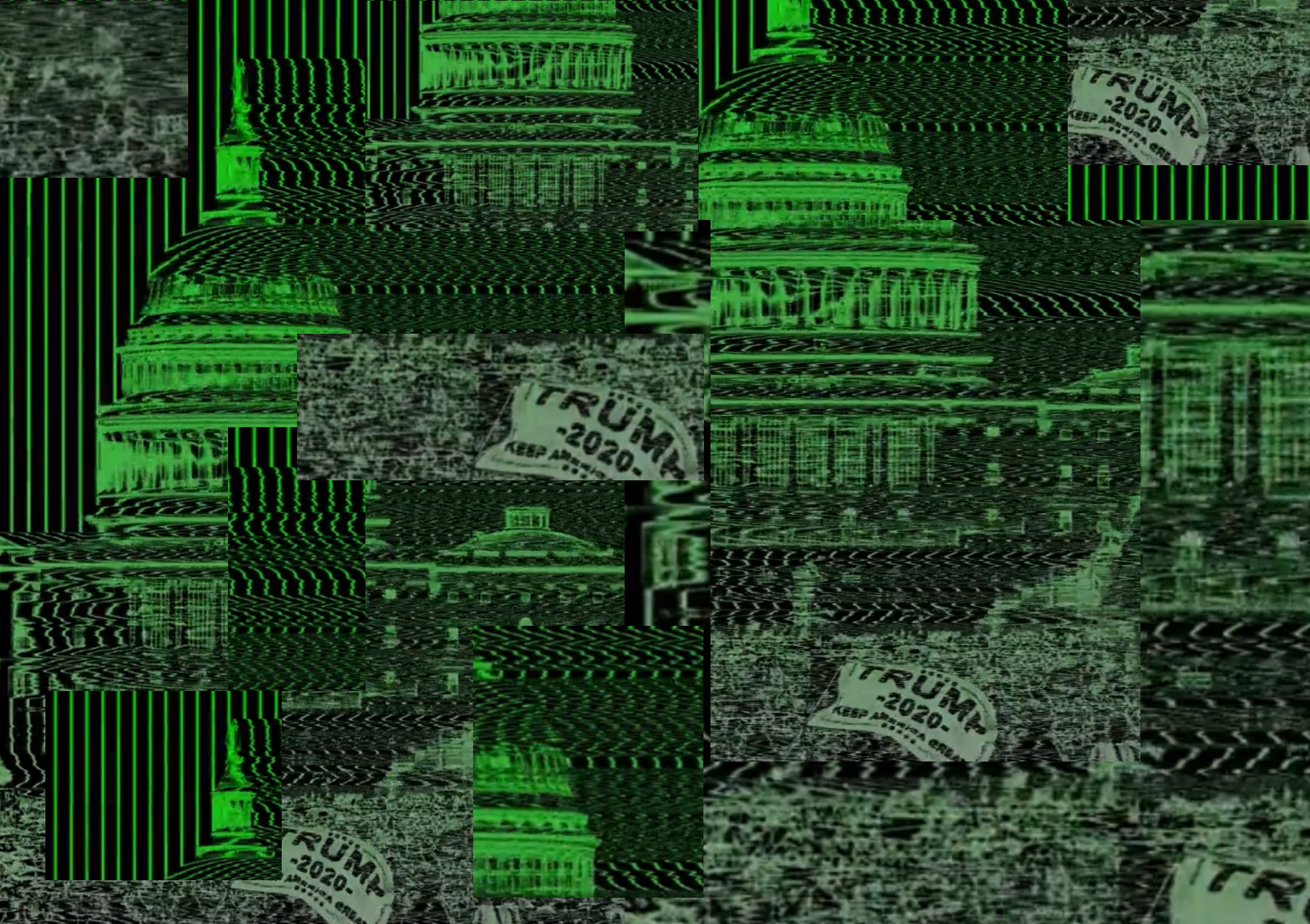
The Insurrection and the Faustian Bargain

Charlie Warzel and Stuart A. Thompson, reporting for The New York Times:

Surrendering our privacy to the government would be foolish enough. But what is more insidious is the Faustian bargain made with the marketing industry, which turns every location ping into currency as it is bought and sold in the marketplace of surveillance advertising.

[…]

A source has provided [The New York Times with] another data set, this time following the smartphones of thousands of Trump supporters, rioters and passers-by in Washington, D.C., on January 6, as Donald Trump’s political rally turned into a violent insurrection.

[…]

The sacking of the Capitol was a shocking assault on the republic and an unwelcome reminder of the fragility of American democracy. But history reminds us that sudden events — Pearl Harbor, the Soviet Union testing an atomic bomb, the Sept. 11 attacks — have led to an overreach in favor of collective security over individual liberty that we’d later regret. And more generally, the data collected on Jan. 6 is a demonstration of the looming threat to our liberties posed by a surveillance economy that monetizes the movements of the righteous and the wicked alike.

The data we were given showed what some in the tech industry might call a God-view vantage of that dark day. It included about 100,000 location pings for thousands of smartphones, revealing around 130 devices inside the Capitol exactly when Trump supporters were storming the building.

[…]

The data presented here is a bird’s-eye view of an event that posed a clear and grave threat to our democracy. But it tells a second story as well: One of a broken, surreptitious industry in desperate need of regulation, and of a tacit agreement we’ve entered into that threatens our individual privacy. None of this data should ever have been collected.

[…]

This collection will only grow more sophisticated. This new data set offers proof that not only is there more interest in location data than before, but it is also easier to deanonymize. It gets easier by the day. As the data from Jan. 6 eerily demonstrates, it does not discriminate. It harvests from the phones of MAGA rioters, police officers, lawmakers and passers-by. There is no evidence, from the past or current day, that the power this data collection offers will be used only to good ends. There is no evidence that if we allow it to continue to happen, the country will be safer or fairer.

In our previous investigation, we wrote that Americans deserve the freedom to choose a life without surveillance and the government regulation that would make that possible. While we continue to believe the sentiment, we fear it may soon be obsolete or irrelevant. We deserve that freedom, but the window to achieve it narrows a little more each day. If we don’t act now, with great urgency, it may very well close for good.

Excellent reporting, you should really read the full article. For additional context, also check out their 2019 piece, “One Nation, Tracked” as well as CopyrightBro’s commentary on it.

The thing to understand here is that it wasn’t just the insurrectionists at the Capitol that were being tracked, and they weren’t specifically targeted for this tracking beforehand. Granted, they’re probably a little bit stupider on average than most Americans, but probably not to the extent that they were more susceptible to the tracking and data collection that made it possible for a private company to compile all this information and recreate minute-by-minute itineraries of their little field trip to D.C.

Everyone’s phones (Android devices to a greater degree than iPhones, but still) are collecting troves of data about their lives and their behavior, practically at all times, and turning it over to creepy companies you’ve never heard of that can sell it or use it themselves to do astoundingly unethical, privacy-invasive shit like what we’ve seen here. Sure, there are some settings you can change to make it harder for them to spy on you, and CopyrightBro is committed to helping you understand what you can do, but this problem is too big to be solved by any amount of accountability journalism, hard hitting exposés from the New York Times, or even attempts by well intentioned companies like Apple to pressure their competitors to play by a fair, understandable set of rules. This problem requires sweeping regulation.

This is so much bigger than any one company, but it bears repeating: #deletefacebook