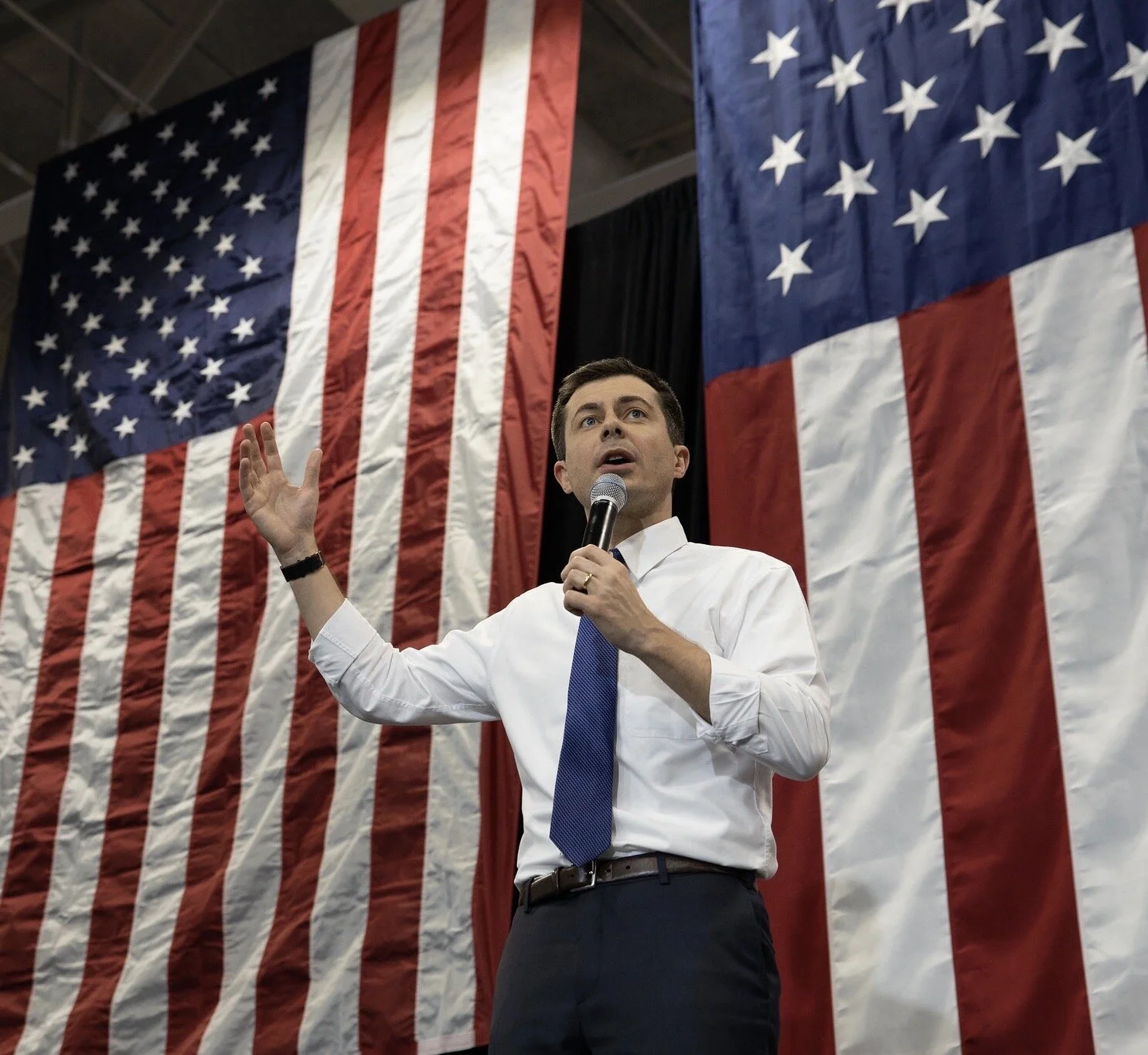
Pete For America

A Primer On Pete

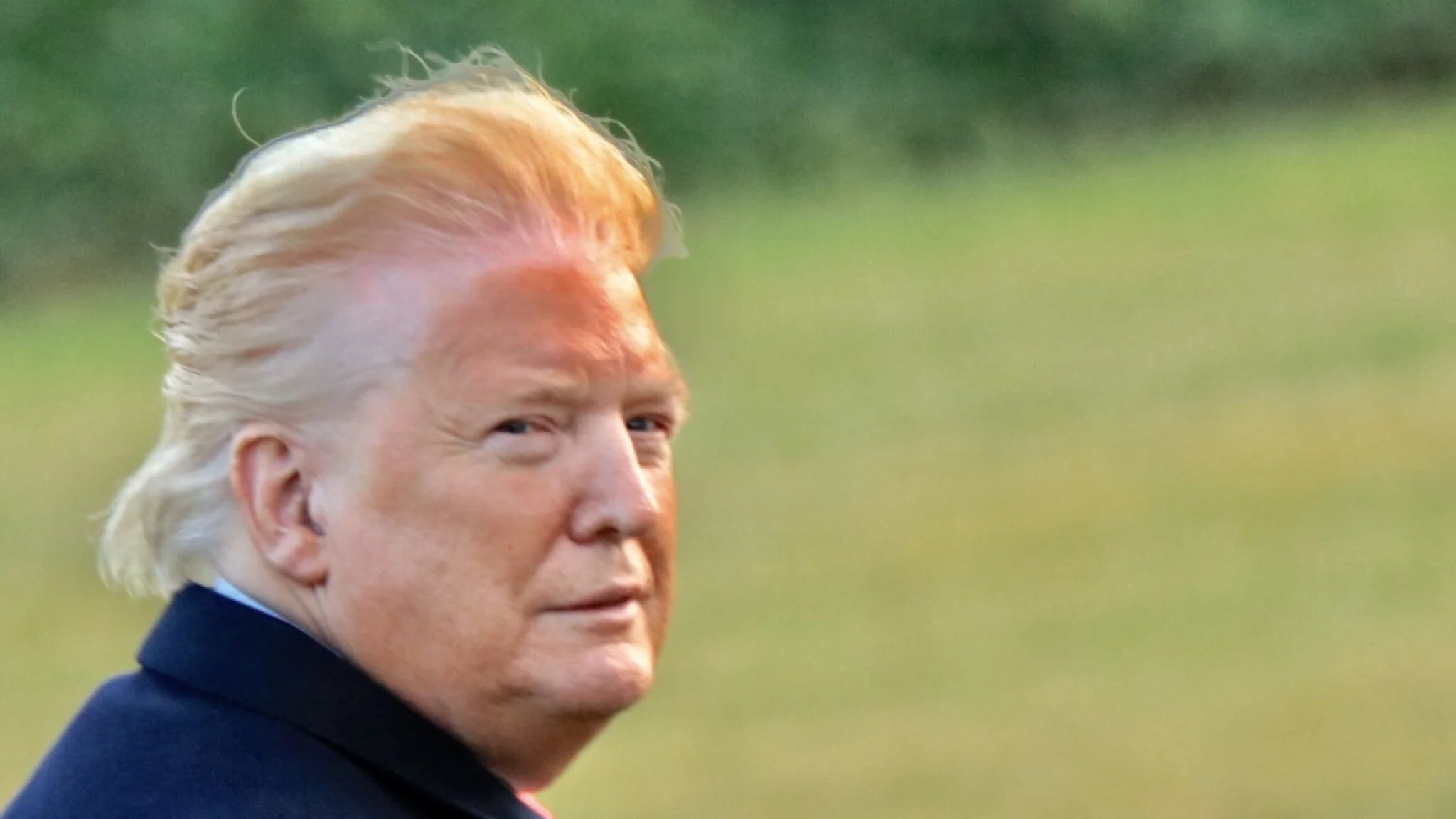
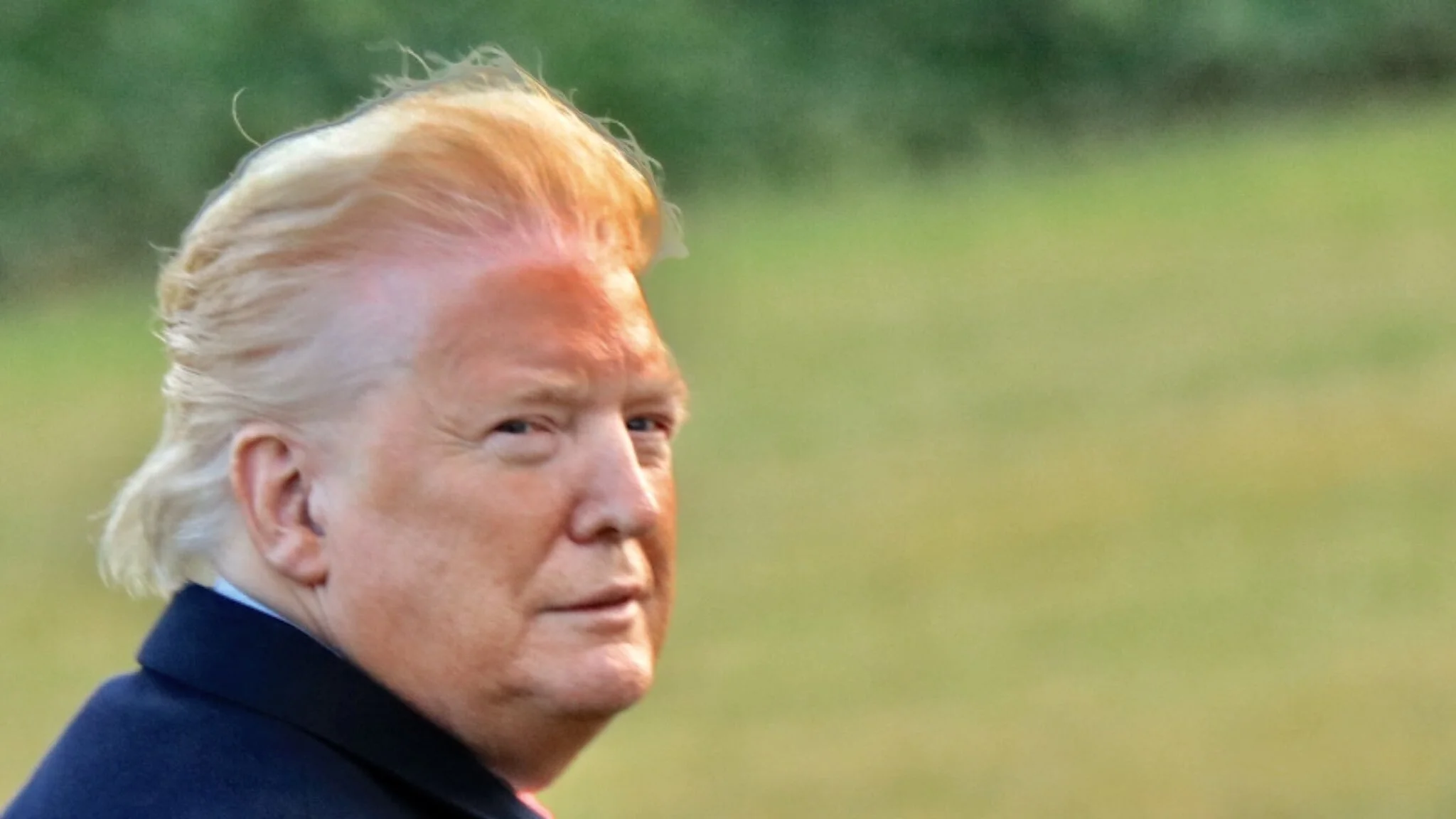
This time last year, like most people, I had no clue who Pete Buttigieg was. I first heard about him when my cousin sent me a tweet from The Hill that linked to a story where Chasten Buttigieg, Pete’s husband, told of making Pete taking the Pottermore sorting quiz (R.I.P. Pottermore), and finding out that he was a Hufflepuff. I thought this was interesting and out of character for a politician (they’re a very Slytherin-y bunch), so I decided to look into him a bit more, and I liked what I found.

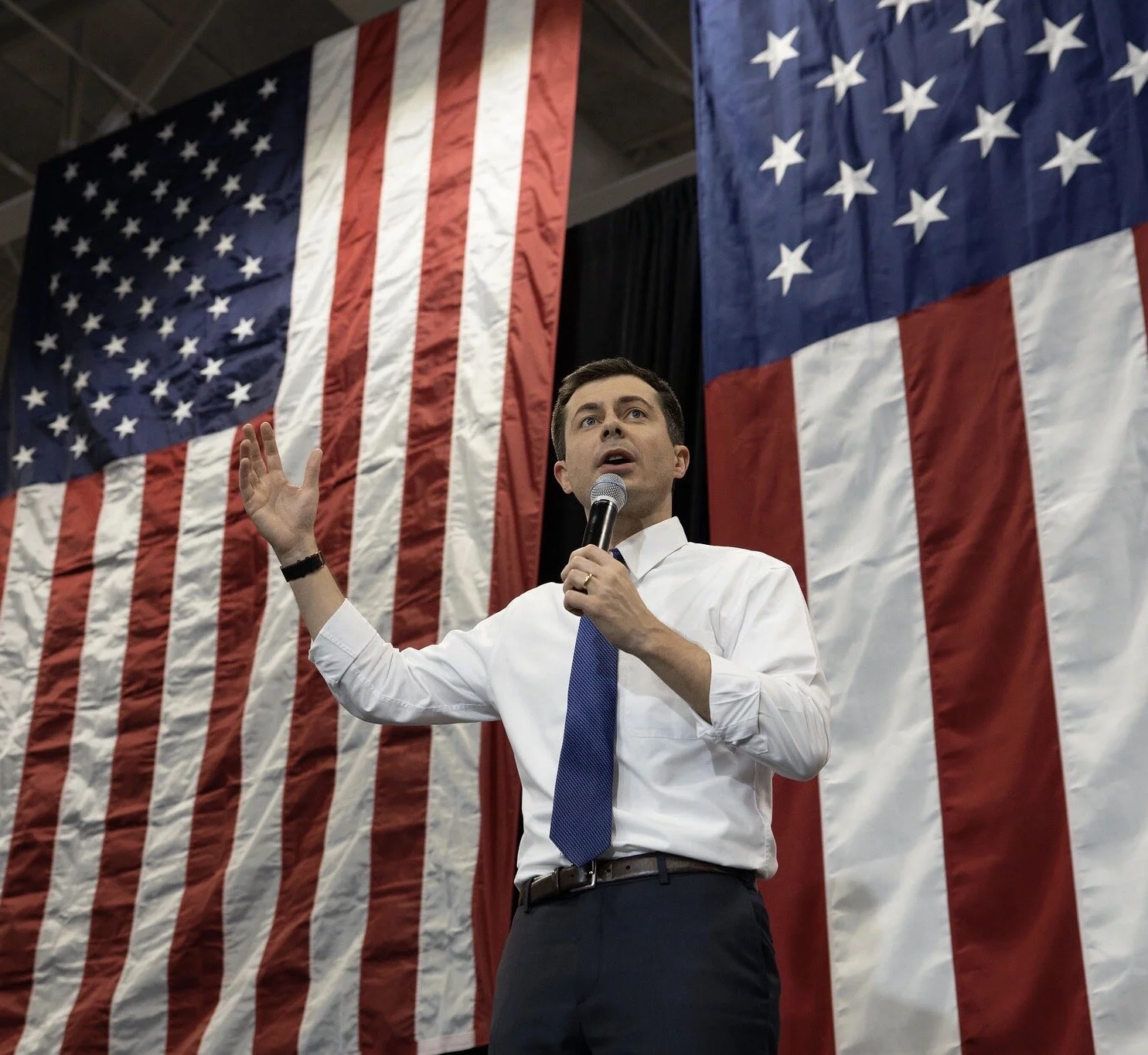
At the time, Pete had very little name recognition, so he was a bit less reserved in sharing his opinions, and he didn’t have to be quite as “on” in all of his interviews. He felt distinctly human, and he wasn’t afraid to opine on weighty topics like court reform and other issues that more standard candidates weren’t enthusiastic to tackle. One of the most interesting aspects of Pete’s campaign early on was his focus on healing the division in our nation through expanded public service programs. He used his military experience to provide anecdotes to illustrate the strength of service to heal wounds and bring people together who may have drastically different political beliefs and world views. Pete remains the only candidate to have put forth such a proposal, and I think it has real potential.
49515624783_87349ce0bd_k.jpeg

I was also encouraged that the first gay candidate to make a serious run for President wasn’t one who relied upon his sexuality to build a base of support; being gay was a part of Pete’s personal story but it’s far from the dominant aspect of his personality. He’s done a good job of not allowing his sexuality to become his personality, as so many openly gay men do.

Pete’s campaign continued to steadily gain steam from when I first learned about him in March, eventually making it to the debate stage in June, where he impressed me again. He didn’t get a ton of talk time, mostly due to the crowded field of hopefuls, but he did well enough to justify the interest I’d had in him for the past few months. After the second debate, I felt a little let down. It was clear that Pete was gaining in popularity, but he still wasn’t performing how I’d have liked in the debates, and his second round seemed a little weaker than the first. Throughout the next several debates, Pete‘s performances had a very “same story, different day” feel that I couldn’t see past. It was as if his gaining popularity had tongue tied him a bit, and he was more afraid to keep up the genuine persona he had brought forth in the interviews that made me like him so much. He stopped talking about his truly new ideas and started relying on cliches about a “new generation” of American politics. In turn, I began to look toward other candidates for a potential favorite, but I kept Mayor Pete in my back pocket.

Fast forward a few months, and Pete has made it farther than I expected, while no other candidate has been able to pique my interest the way he did. We’re now at the point where a Buttigieg presidency is not a pipe dream. After all, from a delegate standpoint, he’s currently winning the race for the Democratic Party’s nomination (delegates aren’t necessarily the best metric and the race is far from over, but still, he’s doing much better than most people predicted in the run up to the Iowa caucuses).

Pete has a wide base of support, in part because he made it a point early on to welcome independents and frustrated Republicans to his campaign. His appeal reaches across demographics like education level, class, and sex, though he struggles mightily with minority voters. His welcoming rhetoric from a year ago has helped him position himself as serious candidate who is diametrically opposed to Donald Trump in almost every way, though without alienating the moderate Republicans and independents he’ll need to win the general election. While Trump is old, steeped in corruption, temperamental, and offensive, Pete is young, a political newcomer, measured, and compassionate, and he knows that’s what a lot of “future former Republicans”, as he calls them, are looking for.

His appeal to Republicans is not negated by the fact that the way he speaks is strikingly reminiscent of Barack Obama. Many have drawn this conclusion, and for better or for worse, he seems to be leaning into it, having ramped up on the cliches and the dramatic-yet-matter of fact tone of voice. Colin Jost called him out for it on SNL last week, and it was a pretty funny sketch.

Buttigieg has his critics though: he seems to be the internet’s favorite person to attack, lately. The air left, social Justice Warriors, and Bernie fans across the Twittersphere jump at the opportunity to lambast Pete whenever they unearth any tiny morsel of a reason for them to dislike him. Some go so far as to call him a “closet Republican” or a “corporate tool”. They accept his decade-ago work with McKinsey and his openness to accepting donations from wealthy individuals as stone cold proof that he’s a conservative double agent. We shouldn’t ignore relevant evidence that provides insight into any candidate’s intentions, but what they've got on Pete is pretty sparse.

While his policies aren’t as progressive as some of the candidates’, to call Pete a “closet Republican” is severely misguided — I’m unaware of any Republican politicians who are calling for any meaningful action to combat the climate crisis, universal healthcare, more affordable college, gun control, or expanding DACA — Pete would have the most progressive agenda of any President, if elected. At the same time, he’s drawn out his policy proposals carefully, and he hasn’t gone as far as some candidates, not only because he doesn’t want to alienate moderates, but because he’s pragmatic, and he knows that some of the proposals coming out of the Bernie and Warren campaigns simply aren’t feasible.

The Elephant In The Room

Contrary to the historical nature of Pete being the first gay candidate to make a serious run for the White House, his sexuality seems to be the aspect of his candidacy that people are most reluctant to discuss. My primary concern with Pete at this point is that he is gay, and I think we’ve got to stop pretending that America is now so progressive that we don’t even need to look at how running a gay guy against Donald Trump may not be a great plan. The issue isn’t that I believe his sexuality would prevent him from winning, though it would be a hurdle with some voters. Instead, I fear that his candidacy, whether he wins the general election or not, would do more harm than good for LGB people, particularly those in less progressive areas: allow me to elaborate.

Despite Donald Trump’s remarks that he thinks Pete’s marriage is “great” and “absolutely fine”, he knows as well as we do that many of his evangelical supporters do not think Pete’s relationship is fine, much less great. While Trump himself may refrain from outright homophobic attacks, his supporters will not, and we know that Trump has no moral qualm with benefiting from dangerous social problems like racism and xenophobia that enflame his base — to assume that he would be above benefitting from homophobia would be a rosy assumption. Given the extreme political division in our country right now, it’s easy to imagine the outrage from the right and the low levels to which they would stoop to tear down and discredit a Democratic presidential candidate who is gay. The smears and attacks that would emanate from the far right nuts and evangelicals would give young people in less progressive areas who are questioning or coming to terms with their sexuality a debilitatingly grim idea of what the future may hold for them. And that’s not even to mention that Trumpism can be clearly associated with significant increases in hate crimes, which could pose a direct threat to LGB people who are already out in regressive communities.

While LGB rights gained traction with historic haste, a gay presidential candidate would drag LGB issues back into the spotlight just a mere handful of years since the legalization of gay marriage. My personal philosophy is that the best way to achieve societal normalcy and acceptance is to, more or less, fake it ‘til you make it. If you act like you’re already the same as everyone else, soon enough, they’ll see you that way. Obviously, there are going to be some homophobic assholes who never get on board, but feather boas and pride parades aren’t going to convince them, it’s just going to validate their misguided beliefs. I don’t think it’s in our best interest to have our individual liberties thrust back into the arena of public opinion for deliberation such a short time after the legal rights have been afforded to us.

Even despite the unease I feel for the future prospects for young men like myself who will have to deal with coming out to unaccepting family members in the south and other regressive places, I still think Mayor Pete is our best option for 2020. Occasionally, what may be best for you personally or people like you isn’t necessarily what’s best for everyone. Even if same sex attracted people have to sustain a few blows to oust Donald Trump, it will have been for the greater good, and I believe Pete Buttigieg has the best chance of defeating Donald Trump.

Decision Time

There are several good democratic candidates, though they each have their own electability hurdles. Bernie Sanders is clearly Pete’s biggest competition for the nomination at this point, but his self proclaimed status as a democratic socialist will hurt him among moderates and more or less guarantee the absence of any noteworthy level of Republican support, if only for the abysmal connotation of the word “socialism” in the United States. Amy Klobuchar, who’s popularity is spiking, hasn’t really had her record scrubbed yet, and she also has extremely low minority support, and she’s a woman (I’m not saying I wouldn’t vote for a woman or that she’s any less qualified or capable on account of her sex, but that there are still plenty of sexists in the United States who may vote for a man but not a woman (a gay man though, who knows?)). Elizabeth Warren’s support is fading fast, and while her policy positions are clear, her position among the field of democratic candidates is not; increasingly few people seem to have an appetite for Diet Bernie®. Joe Biden's support is crumbling at an astonishing rate. Tulsi Gabbard is simply not a viable candidate. Andrew Yang has now dropped out. Mike Bloomberg is a billionaire, and if the left has learned anything over the past three years, is that candidates who buy their way into power are rarely suited for it.

Regardless of which Democrat wins the nomination, anyone who wants rid of Trump should support them wholeheartedly. In any case, throughout the primary process, we should focus on building up our favorite candidate, not tearing down his or her competition or threatening not to vote for them in the general election.

Pete has demonstrated that he has staying power and that he can attract voters from across the political spectrum. He’s the candidate we need. If you agree that Pete Buttigieg is the best candidate to take on Donald Trump, you can support him by donating to his campaign and telling your friends and family about why you think he’s our best bet.
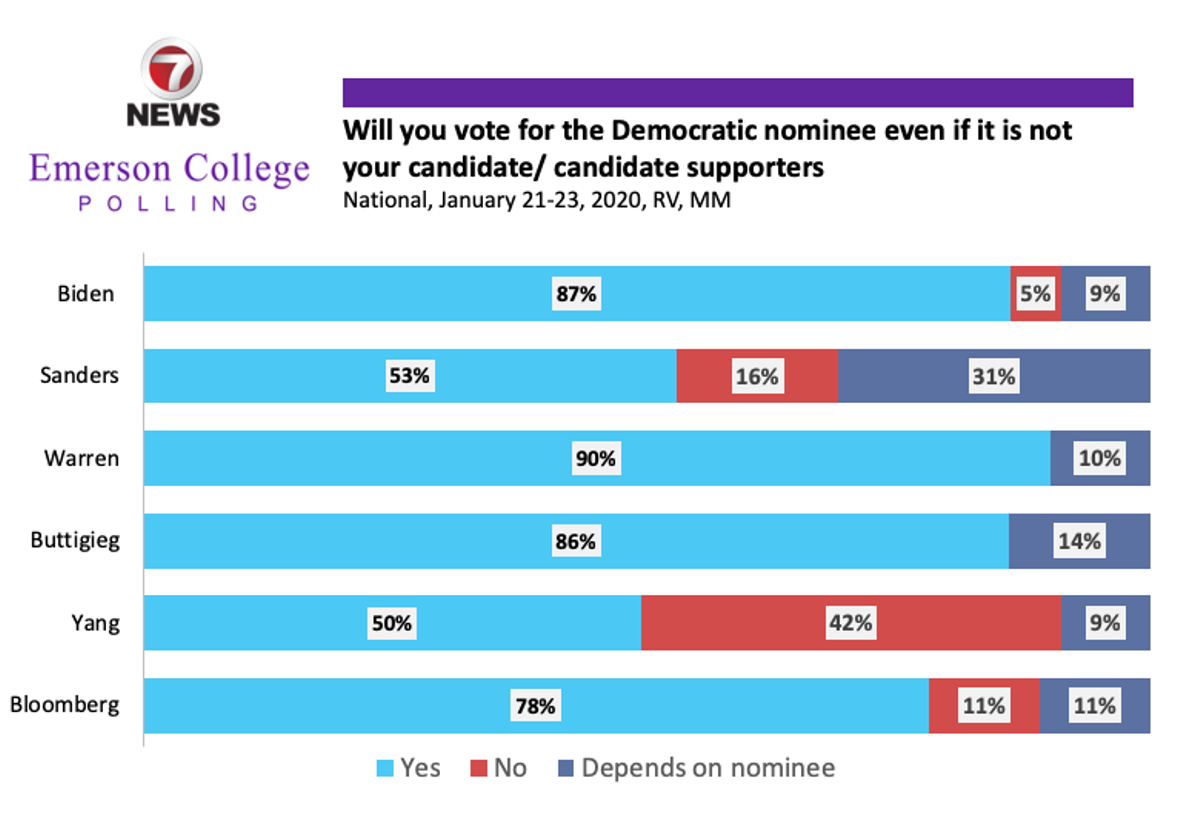
Only 53% of Bernie Supporters Say They'll Support The Democratic Nominee Even If It Isn't Bernie

Emerson College Polling:

Among Sanders supporters, 16% will not vote for the nominee if Sanders doesn’t win, while 30% say it depends on the nominee.

This is clearly an issue among the Sanders campaign, in particular. If you’re one of these “Bernie or bust” people, you have a serious lack of foresight, and you should be ashamed. The time for moral absolutism is not when Donald Trump is the alternative. Stop being selfish and support the nominee, no matter who it is.

AirFly Pro from TwelveSouth
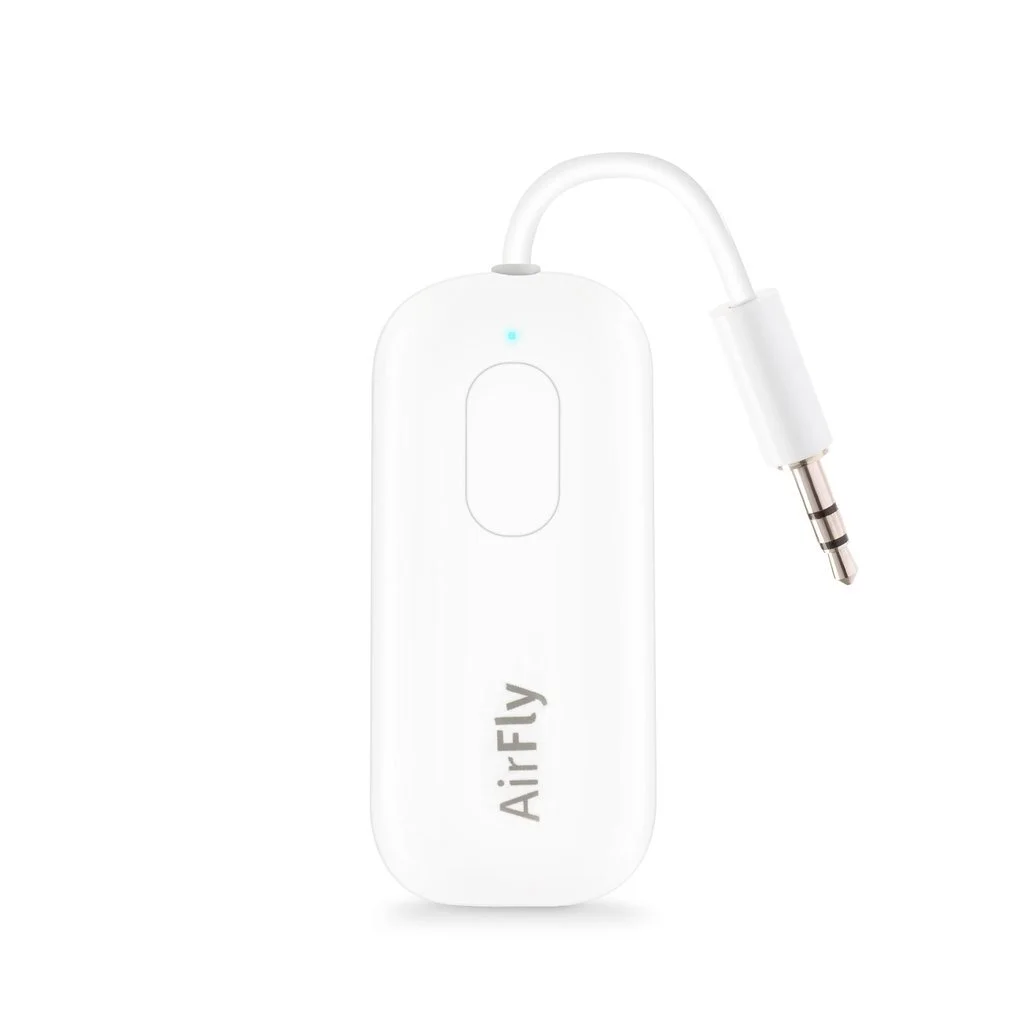
AirFlyPro_QS_Hero_1024x1024.jpg

CopyrightBro has recently partnered with TwelveSouth, a company committed to making the finest accessories available for Apple products, to bring our readers reviews of some of their latest products.

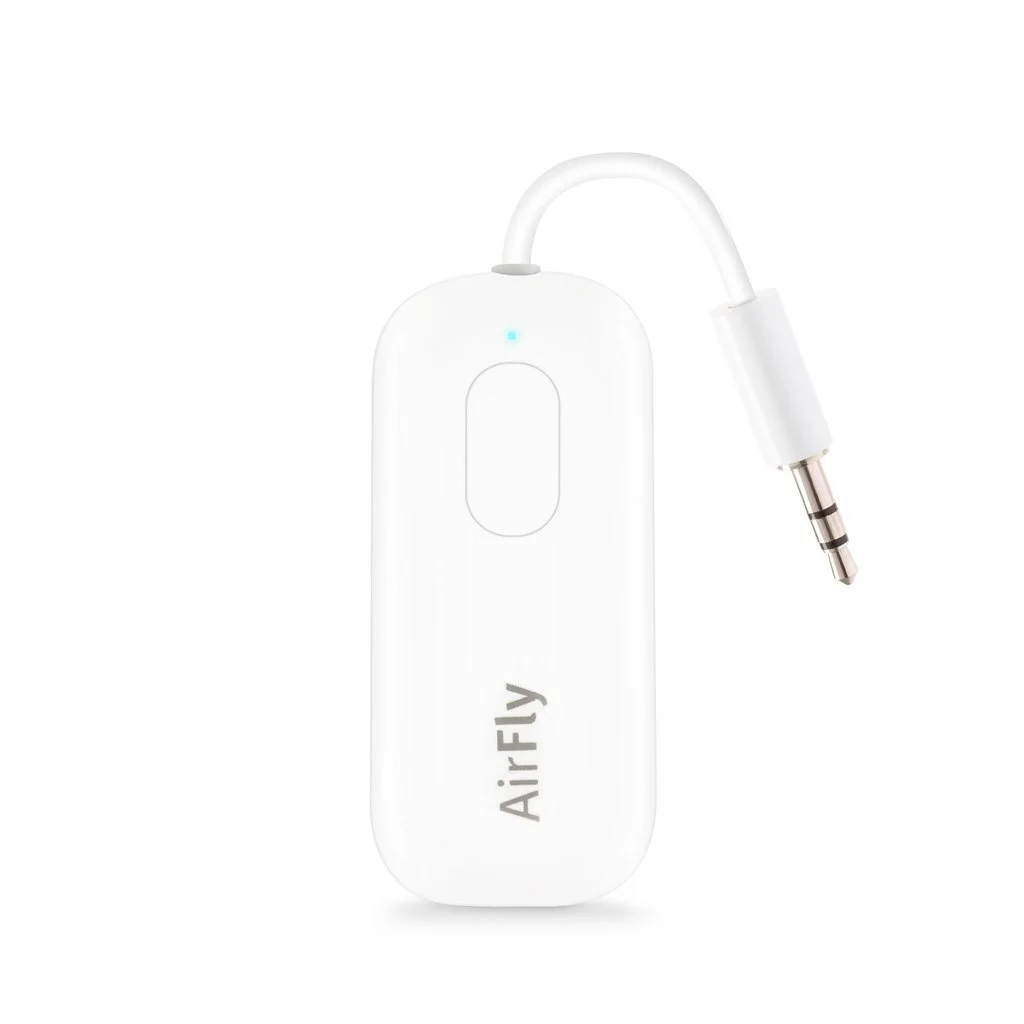
The first product we reviewed was the AirFly Pro, which is a nifty little bluetooth dongle that provides bluetooth input and output functions for devices that otherwise rely on wires. An example of a use case where it would serve as a transmitter for output would be if you have wireless headphones that you want to use with a source that doesn’t support bluetooth output, like machines at the gym or the seatback screens on airplanes. An example of a good use for input is if your car has an AUX port but doesn’t connect to your phone via bluetooth, the AirFly Pro is the missing link that can give you a wireless audio setup.

I was able to test the output functionality at the gym so that I could hear the TVs on my AirPods, and everything went off without a hitch. However, unless you really like listening to whatever is playing on the TV at the gym or you’re a frequent flier who loves their airline’s in-flight infotainment systems, most people are probably just going to connect to their own devices anyway. Despite being marketed more for this use case, I found the input use to be far more handy.

My car has an AUX port but no bluetooth support, so the AirFly Pro has been able to save me from the messy situation I had before, where I was having to use an AUX cord and Apple’s lightning to 3.5mm headphone jack adapter. Now, I have the AirFly Pro connected to my AUX port and also plugged into the charger (it is battery powered, so you have to either take it inside to charge it every couple days, or just leave it connected to power in the car). The actual pairing process is easy: you just press the big button on the dongle for a second or two each time you get in the car, and it connects with no hiccups.

While it works well for input and output, I can’t help but imagine most people are going to use it for input. At $55, it’s not cheap, and there are certainly other options out there that don’t cost as much. However, the one-button simplicity of the AirFly Pro is very convenient, and it’s ability to work for a variety of use cases put it a step ahead of its competition. If you’re only looking for an input solution, you may find something better, but if you care about convenience and versatility, the AirFly Pro is a great option.

Target is All In.. What Are They In?

Target recently launched a new brand, All In Motion, which makes various activewear garments. They seem to be of decent quality, and I like some of the designs for the men’s products. However: the logo.

Yikes.

Yikes.


Surely, I’m not the only one who thinks this looks like “KKK” backwards?! What corporate dunce in Target’s marketing department let this horrible design get past the drawing board?

As I mentioned, I like several of the All In Motion products, but I’m honestly not comfortable buying a product with that logo on it. Hopefully they rebrand sooner rather than later.

Trump Thinks Mayor Pete’s Marriage is ‘Great’ and ‘Absolutely Fine’

Bookmark this for future reference.

"Don't you think it's just great to see the fact that you've got a guy there on the stage with his husband and it's normal?" Fox's Steve Hilton asked. 

"I think it's absolutely fine, I do," Trump said.

He agreed with Hilton’s assessment that Buttigieg’s candidacy “is a sign of great progress,” adding “yeah, I think it’s great. I think that’s something that perhaps some people will have a problem with, I have no problem with it whatsoever.”

This excerpt is from a CNN article*, but you can find the original video here.

Hopefully the day never comes when Trump falls back on attacking Buttigieg’s sexuality, but if it does, we’ll at least have this to sow discord among the homophobic bigots who never question Trump’s commitment to their straight white interests.

*It’s worth pointing out that CNN’s analysis of this story was a bit jaded and poorly informed, despite the fact that this was a rare occasion where they could’ve painted Trump in a positive light. They make the mistake of conflating LGB issues with transgender issues, as well as deploying the tired tactic of bringing up Mike Pence’s alleged historical support for conversion therapy to paint the Trump administration as homophobic. The fact is that while portraying Trump and his cronies as homophobic makes CNN’s more left leaning audience more likely to despise the administration, CNN’s status as a left leaning media outlet criticizing Trump for alleged homophobia is only going to entice Trump’s supporters to be more brazenly homophobic. The leftist media is, once again, throwing gay people under the bus for their own benefit. Division drives ratings.

American Democracy Just Took A Shotgun Shot To The Face

Today is a shameful day to be an American. What happened in the Senate last night offends truth and spits on the constitution.

In case you missed it, the Senate voted against hearing from witnesses in the impeachment trial. The final vote was 51-49, with two Republican senators joining the Democrats who voted for witnesses. Mitt Romney of Utah and Susan Collins of Maine both voted to hear from witnesses. You could call this bravery, or you could call it an effort to save face. Collins is from a purple state and is up for reelection in November. Romney had long been critical of Trump, and wants to seem like he can think for himself. Lisa Murkowski of Alaska and Lamar Alexander of Tennessee, both seen as potential swing votes, sided with republicans in refusing to allow witnesses to testify.

Have you EVER heard of a trial that didn’t have any witnesses? These 51 feckless Republicans are engaging in one of the most democratically damaging, partisan coverups in the history of our nation, for a president that they don’t like deep down anyway. Republicans DON’T like Donald Trump, they’re afraid of him. This vote will be seen as a point of inflection by future historians studying how the great American experiment went wrong. It is a vote that will permanently shift the balance of power from three coequal branches of government towards dictatorship. We are on a slippery slope, and the Senate just tore down the guardrails.

Some important things that happened during the “trial”:

Trump’s lawyer, Alan Dershowitz (who also represented Jeffery Epstein and OJ Simpson, FYI) argued that a president cannot be impeached for doing something to help his own reelection if he believes that his reelection is in the national interest. This is what those of us in the industry refer to as a “blank check”. Basically, this translates to “he can’t be impeached for anything, ever”.

Trump’s defenders also claimed that if the argument against him is so strong, the prosecutors shouldn’t need any witnesses to prove their case. Wild.

Republican Senator Marco Rubio claims that even though the president’s actions do warrant impeachment, he shouldn't necessarily be impeached. Translation: the rules only apply to some people some of the time.

Republican Senator Rand Paul tried to have SCOTUS Chief Justice and presiding officer over the impeachment trial John Roberts read the whistleblower’s name on national television. Roberts refused. Paul then said the alleged whistleblower’s name twice in interviews, because he’s a shitty person.

A bipartisan group of senators asked the president’s team to promise that Trump wouldn’t use private citizens to conduct foreign policy in the future, referring to Rudy Giuliani’s role in the Ukraine scandal. The president’s lawyers responded by saying that Giuliani wasn’t conducting foreign policy, he was just in Ukraine doing personal business for Trump. Which, might I point out, UNDERMINES THE WHOLE FUCKING ARGUMENT THAT TRUMP WASN’T NEGOTIATING WITH UKRAINE FOR PERSONAL GAIN.

Deontologists Vs. Consequentialists

Vox’s Dylan Matthews looks at philosophy to explain why the whole Bernie Sanders, Joe Rogan thing turned into a controversy, and he stumbles into territory of explaining how cancel culture came to be in the first place.

Most liberals have what I would characterize as a deontological opposition to discrimination. That is, they think that discriminating against or maligning someone on the basis of membership in a protected class — women, trans people, black people, and other racially oppressed communities, etc. — violates a rule that should be inviolable. […]

The main rival to deontology is a school of thought known as “consequentialism.” In this view, the morality of actions must be judged by their consequences: The more grievous the consequences (be it in terms of human happiness, or suffering, or human freedom, etc.), the more heinous the action.

To over simplify things, you’ve got the left as the consequentialists, and the radical left as deontologists. Ignoring nuance, these schools of thought line up similarly to idealism versus realism, and they also track well with the left-to-right political spectrum.

The main objection philosophers have raised against deontological restrictions is that they’re overly rigid. Immanuel Kant, the originator of this school of moral philosophy, famously argued that it was immoral to lie in all circumstances, even to a murderer who’s asking for your friend’s whereabouts so he can kill her. Few people today think a rule that rigid is viable. But if we as a society accept more and more forms of discrimination and animus as absolutely unacceptable — adding poverty to the list, say — we are left with an ever-more-restrictive moral code that forces us into ever-thornier moral dilemmas..

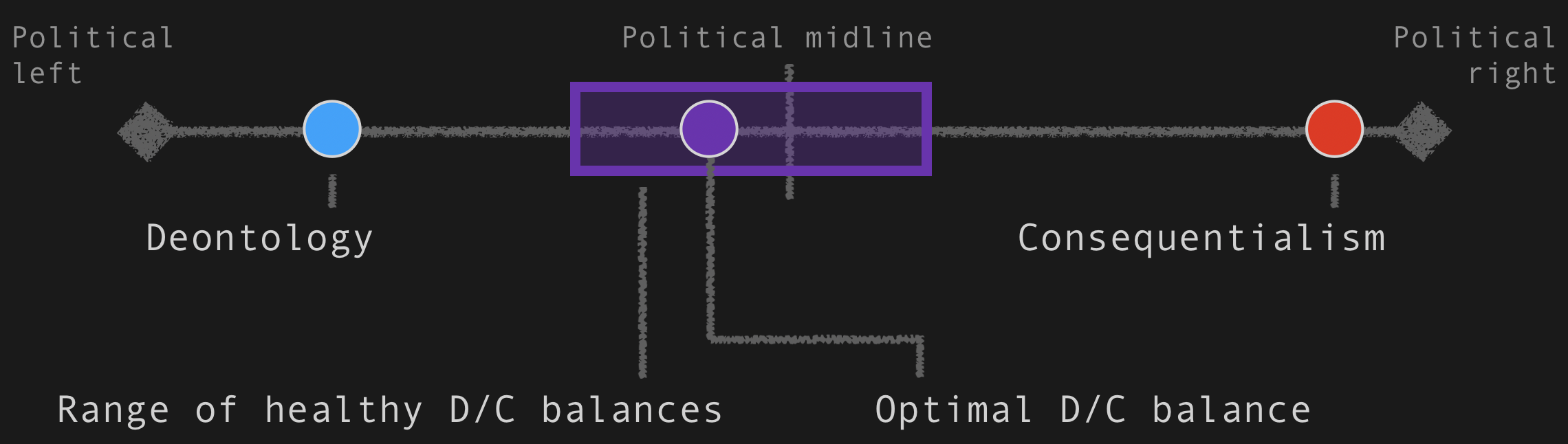
Clearly, there’s a balance to be struck between consequentialism and deontology. Right now in American politics, conservatives are closer to the consequentialist POV. The radical left is balls to the wall for the deontology POV. Moderates and moderate leftists are the ones trying to figure out where that balance lies. Allow me to offer the following modified box and whisker plot as a guide for where we need to be.

Screen Shot 2020-01-29 at 10.58.19 PM.png

While there are more and more people joining the factions at the polar ends of this spectrum, I would assert that there are far more people in the middle than it seems. People who are on the edges (particularly in the deontology camp) are exorbitantly loud, and seem to have a much larger societal presence than they really do. Its also worth noting that the consequentialism point is further to the right than the deontology point is to the left; this placement is intentional, those on the radical left seem to adopt more aggressively deontological belief systems more than those on the equivalently radical right seem to adopt aggressively consequentialist belief systems.

Bernie Faces Cancellation By Trans People After Being Endorsed By Joe Rogan

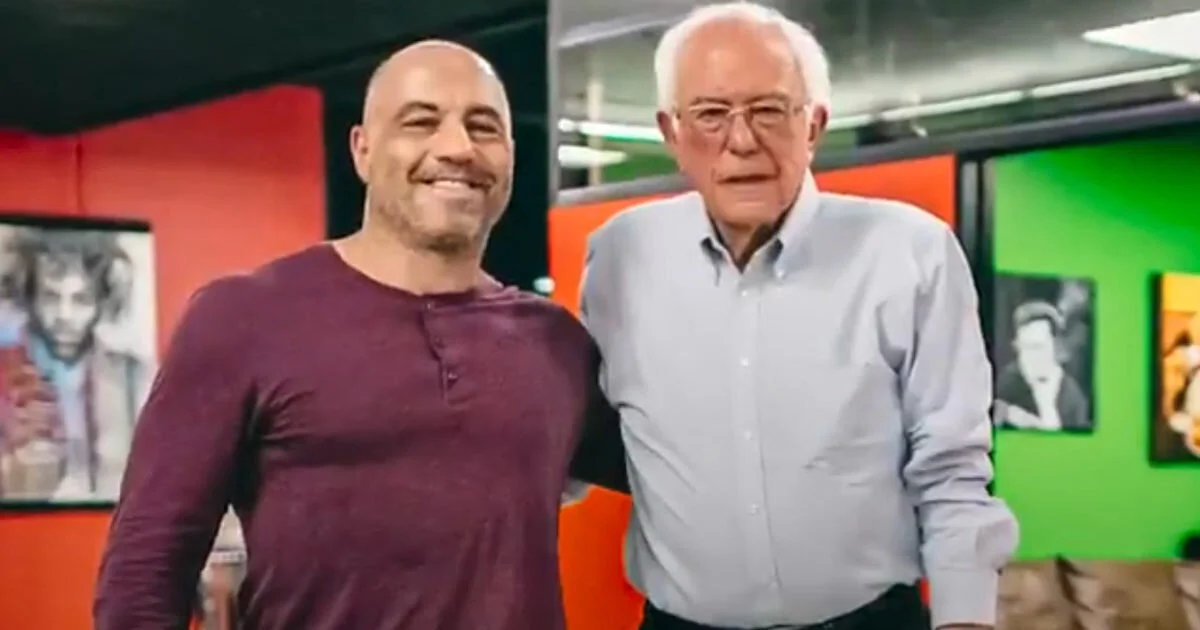
On Tuesday, Joe Rogan more or less endorsed Bernie Sanders on his podcast, The Joe Rogan Experience. He commended Bernie for his consistency and for having a fairly clean record. It was a good episode that touched on a lot of important subjects, I’d recommend giving it a listen.

Anyway, Bernie’s campaign tweeted a clip from the podcast, more or less accepting the endorsement:


This seems like a good thing for anyone who wants Trump out of the White House. Joe Rogan has a huge audience, and he’s not decidedly liberal or conservative. Ezra Klein (@erzaklein on Twitter) offered the following take:

Bernie’s strength is that he can win over some voters who are skeptical of Democrats - like Joe Rogan. If you think getting Trump out of office is actually important, that’s a good thing, and he should lean into it.

People from the radical left, particularly trans people, disagreed. They accuse Rogan of many horrible things, namely they want people to believe that he’s transphobic (a weightless accusation to begin with; Rogan’s take on trans people boils down to treating people equally while acknowledging biological facts). Further, they purport that Bernie’s acceptance of Rogan’s endorsement is just absolutely egregious, and they’re expecting apologies from Bernie, expecting him to denounce the endorsement, and are even claiming that all the truly woke people on the left won’t support Bernie now that he’s accepted this endorsement. To think that Rogan is transphobic is ridiculous, let alone that Bernie’s acceptance of Rogan’s endorsement makes Bernie transphobic by proxy. It’s almost incomprehensibly stupid that real people think this way.

Let’s acknowledge the irony of this situation, wherein pointing out that Bernie had very little that could be used against him, Rogan gave people something to use against Bernie. Of course, Rogan was expecting the opposition to come from the right — the side who would naturally oppose Bernie, a self-proclaimed democratic socialist — but instead, the outrage is pulsing from the radical left.

This is why cancel culture is such a parasite to our society. If you disagree with them at all, they’ll try to cancel you and anyone near you, and not only is it childish and temperamental, it’s self destructive. Klein, again:

This’ll get me ratio’d or whatever but a lot of Twitter seems to want to enforce a politics where you only work or ally with people you agree almost totally with. but to get anything done in our system requires working with people you often disagree with.

Tearing down Bernie (currently the highest polling democratic candidate in Iowa and New Hampshire) will only make it more likely that Trump gets reelected, and he’d certainly be less of a positive force for trans people. The lack of foresight these “progressives” have is absolutely mind boggling.

Donald Trump & Abortion

Christians, listen up. If you voted for Donald Trump because you think he’s such a terrific Christian role model and he wants to overturn Roe v. Wade and criminalize abortion, you’d be pleased to hear that today, Donald Trump is speaking at an anti-abortion rally.

However, you may not be pleased to hear that in 1999, he was asked in an interview with NBC “would President Trump ban partial birth abortion?” to which he replied “I’m very pro-choice.” The interviewer confirmed with him “you would not ban it?” and he reaffirmed “No. I am pro-choice in every respect and as far as it goes”.

I personally have mixed feelings about abortion: I believe we ought to restrict it to cases of incest and danger to the mother. Donald Trump disagrees. The fact that he’s pounding a different drum now is not indicative of a change of heart, it’s indicative of the fact that he knows his audience and knows how to squeeze votes out of his evangelical base. I believe true Christians will ultimately see through his deception on the abortion issue.

What Trump is doing is not motivated by a respect for human life, it’s motivated by greed and a desire to keep himself in Christians’ good graces so that they’ll reelect him. Unfortunately, Trump’s recently adopted stance on abortion won’t do anything to curb the practice in the long run. While his statements and actions have enflamed state legislatures to the point that a few very red states have passed new laws banning abortion, those laws are all too radical and incendiary to make a real difference; they’ll be overturned as soon as the current leaders in those states are replaced. For example, Alabama has now restricted abortion to such a ridiculous extent that if a 10 year old girl were to be raped and impregnated by her father, and she decides to abort the baby, she could be imprisoned for life. Virtually nobody on either side thinks that’s the right way to handle this issue.

The legislation needed to restrict abortion will have to be carefully weighed to ensure that abortion is an option in the very rare cases where it makes sense, but not available as a form of birth control. Donald Trump is hurting the long term prospects of such legislation ever being passed by radicalizing the opposition and leading them to take up positions that make them less supportive of any new laws that would restricting abortion, but we know that ultimately doesn’t matter to him, because as he’s confirmed, he’s “very pro-choice”.

But just because Trump isn’t really pro-life doesn’t mean the rest of us shouldn’t be, and we have another option.

Abortion has been a well-documented practice since the height of the Greek and Roman civilizations millennia ago, and governments have tried making it illegal, without success in reducing the number of abortions. It’s certainly something that we need to address, but broadly criminalizing it is not the best way to actually prevent abortions from happening, it’s just a good way to punish people who have them. And unfortunately, punishing someone after they’ve had an abortion doesn’t undo the loss of life.

There’s a better, more immediate way to reduce abortions than just making it illegal, and that is by improving sex education and increasing access to birth control and contraceptives so that fewer unwanted pregnancies occur in the first place. You can argue for abstinence, but realistically, that’s not a solution: not everyone’s religion requires them to abstain from sex until marriage, and regardless of whether you think they’re wrong or right, we can agree that out of wedlock sex that doesn’t lead to unwanted pregnancy is favorable to out of wedlock sex that does lead to unwanted pregnancy where women may consider abortion.

Donald Trump has no plan to reduce the number of abortions taking place in America, but Joe Biden does. Joe’s plan would provide greater access to birth control and contraceptives. If you truly want to see progress on reducing abortions in the United States, pick Joe Biden.

PoliticsGuest Userjanuary20
Democratic Debates 3-6

You may have noticed that CopyrightBro had lots to say after the first and second democratic debates, but neglected to publish anything about debates 3, 4, 5, and 6. This wasn’t a mistake. Those debates were all rather unmemorable; none of them were groundbreaking, and none of the candidates seemed to evolve much or show new sides of themselves. It was a very “same story, different day” sort of situation. Honestly, I was sick of hearing the same argument about healthcare every. Single. Time. I got burnt out.

I do want to briefly comment on some of the candidates and note how my thoughts on them have changed over the course of the the four debates I haven’t already commented on.

The Defeated

Harris: Kamala also seemed to use her blackness as a tool at times, which I just think is bad form. She dropped out rather suddenly, citing a lack of funding. That’s plausible — she was taking hits in the debates and donations seemed to stall — but I think her exit could potentially be explained by blackmail. She seems like she might have some particularly nasty skeletons in her closet. In any case, she’s demonstrated that she’s a terrific senator and prosecutor during the Kavanaugh hearings, and I think we’re better off having her stay in the Senate.

O’Rourke: He’s gone. Unfortunately, he gave Republicans a terrific sound bite to use to rile up their base when he yelled “hell yes, we’re going to take your AR-15” during a nationally televised debate.

Gilibrand: As predicted, she simply didn’t have enough momentum to get to the White House. I still like her dedication, though, and she’s still memorable months after leaving the debate stage.

Booker: While I was warming up to him, he didn’t seem particularly genuine to me in a lot of scenarios, and he seemed to accentuate his blackness when it was convenient. I don’t think he was a bad guy, but I’m not upset that he’s out of the race.

Gabbard*: Tulsi is no longer one of my top picks. I think she’s a very interesting candidate, but I’m less convinced of her character. Perhaps I’ve been swayed by the negative media coverage she’s received in the wake of being caught up in a twitter storm that accused her of being a Russian asset. In any case, it’s also interesting that she feels so at home on Fox News; I’m not sure what to think of that. It’s worth noting that she was the only candidate to not qualify for a debate, and then qualify for the one that succeeded the one for which she didn’t qualify.

Yang*: He made it farther than I expected, and he was somehow able to hype up his Freedom Dividend plan the whole way.

*It’s worth noting that while these candidates didn’t qualify for the most recent debate and I’ve characterized them as “defeated”, they still haven’t ended their campaigns, so they technically aren’t out of the running.

The Late Boomers Bloomers:

Tom Steyer: Bought his ticket.

Mike Bloomberg: Bought his ticket.

The Pack Leaders

Elizabeth Warren: I think Elizabeth Warren has the best chance of beating Donald Trump. The other serious contenders, Pete, Biden, and Bernie, each have flaws which I think will be enough to keep them from pulling enough Trump voters onboard, despite that they do all boast unique advantages. All in all, I think Warren has a solid set of plans, and if she can truly crack down on corruption to even a tenth of the extent to which she hopes, America will be much better for it.

Pete Buttigieg: I like Pete’s more moderate politics more than I like Warren’s more progressive ideas, and I think Pete has made a good effort to reach out to independents and moderate Republicans. I think it’s more important than ever to try to slow down the swing of the political pendulum, and the best way to do that, in my opinion, is to get people from both sides of the aisle on your team, not just enflame your base against your competition; the enflamatory approach will just make those who lose the election even more angry and the winning side will feel more vindicated, deepening the divide in our country. However, I don’t think Pete is terribly electable because he’s gay. Even though he’s the type of guy whose sexuality doesn't precede him, it will be difficult for a gay man to take votes away from Trump’s evangelical base. All in all, I think that if Pete gets the nomination, the amount of hate that would flow from Trump’s ignorant base would be enough to move gay people back, regardless of whether Pete wins the general election. While I like him the best and would like to see a same-sex attracted president, I don’t think America is ready for that. Give it another ten years, and then I think a same-sex attracted man could make a strong run for the presidency without incurring so much hate that his candidacy ultimately results in a step back for LGB people.

Bernie Sanders: Bernie’s health is a concern, as well as his age. From a policy standpoint, he’s very similar to Elizabeth Warren. I’m not surprised that he’s a serious contender, but I don’t think he’s our best option. The fact that he calls himself a democratic socialist gives the right a lot of ammunition to use against him and convince him that he’s a threat to democracy, even though those same people would likely agree with a decent amount of Bernie’s ideas. The word “socialist” has such strong connotations that I doubt anyone claiming such a label could win against the republican propaganda machine.

Joe Biden: I really had hoped that people wouldn’t still be taking Joe Biden seriously at this point, but here we are. While his name recognition will help him and the nostalgia of the Obama administration may pull a select few undecided voters to his team, I think there’s a solid argument to be made that he’s the most career-y of the career politicians running in 2020. Not to mention the fact that Trump has already gotten a head start on attacking Biden, I don’t think it’s smart to give him the nomination. As far as policy goes, he’s very similar to Pete, except he’s way older, and given the choice, I think we’d be crazy not to install a younger POTUS.

Last But Not Least

Amy Klobuchar: I think Amy is a another very interesting candidate. If you’d asked me four months ago to list the candidates who’d still be around at this stage, I never would’ve guessed Amy would have a place in that group. I still find her to be a very genuine candidate. The facts that her jokes don’t always land is retable yet cringeworthy. I appreciate her moderate take on a lot of issues, and her demonstrated ability to win in purple and red districts is a huge plus. She handles herself well in debates and would wipe the floor with Donald Trump. Unfortunately, I don’t think she has a great chance of getting the nomination due to her low rank in the polls and the fact that she’s facing two stronger candidates who are also occupying that moderate space, but who have the benefit of being male (though one is gay, so that detracts a bit from the male privilege points he receives). It seems unlikely that she’ll be the nominee, but I’ll be very happy if she is.

UPDATED: 1/24/20, 09:27

PoliticsGuest Userjanuary20
Encryption and iCloud Backups

Until recently, I was under the impression that iCloud backups were protected by end-to-end encryption. Devastatingly, this is not the case.

Apple does use end-to-end encryption for some data stored in iCloud, but this does not include device backups, and it also doesn’t include a lot of the information stored separately from your backups — including notes, photos, calendar events, Safari bookmarks and tabs, contacts, or Messages in iCloud — though they do protect the rest of it with standard encryption. The things they do use end-to-end encryption for include home data, health data, stored passwords, payment information, and learned keyboard vocabulary, which are the most sensitive types of data stored in iCloud.

The fact that Apple doesn’t protect all of your data with end-to-end encryption doesn’t necessarily mean your data is at great risk. The standard encryption is strong enough to keep bad actors from accessing it; you don’t need to worry about Apple getting hacked or anything along those lines, but the difference between standard encryption and end-to-end encryption is still a big deal. Put simply, end-to-end encryption means that the only key that can unlock your data resides with you, in the form of a password, while with standard encryption, you have your key, but Apple also keeps a key in case you lose yours. The upside of Apple keeping a key is that if you do lose yours, they can help you get your data back, but the downside is that they could be persuaded to share their key with the government if subpoenaed. With end-to-end encryption, you’re the only one who has a key, so it’s inherently safer, but if you forget your password, then you lose the data and nobody in the world can help you.

Apple apparently considered using end-to-end encryption for iCloud backups a few years ago, but decided not to do so at the time. If this is true, it’s a major loss for consumer privacy. While many people may not care about having fully protected iCloud backups, it would be nice if we at least had the option. You can fully encrypt backups to a Mac or PC, but it’s much more cumbersome to connect your device to a computer to back it up when iCloud could be doing it for you automatically.

As pointed out by John Gruber on Daring Fireball, Tim Cook’s comments in a 2018 interview (with a German publication — here’s a translated copy) indicated that users would soon be able to employ end-to-end encryption to protect their iCloud backups. Hopefully, this is the case, and hopefully that option comes soon.

It’s a shame that Apple has left this door open, and it seems downright irresponsible for them to just ignore it. Though they’re already leagues ahead of all their competition, they need to be doing all they can to differentiate themselves from companies like Google if they’re going to continue to market themselves as the privacy company. Unfortunately, until all iCloud data (backups, notes, photos, etc.) is end-to-end encrypted, true privacy and security are but myths for anyone who uses iCloud.

PSA: You Need A Stronger iPhone Passcode

This story for The New York Times by Jack Nicas is primarily about the Pensacola shooter’s iPhone, (a story that we commented on a few days ago to highlight the danger of the FBI’s public attack on encryption), but it raises another good point about device security. Machines exist that are capable of unlocking Apple devices via a brute force method that tricks the iPhone or iPad into allowing an unlimited number of passcode attempts in quick succession. Essentially, this means that one of these devices could break into your phone in as little as a few minutes.

A four-number passcode, the previous default length, would take on average about seven minutes to guess. If it’s six digits [the current default length], it would take on average about 11 hours. Eight digits: 46 days. Ten digits: 12.5 years.

If the passcode uses both numbers and letters, there are far more possible passcodes — and thus cracking it takes much longer. A six-character alphanumeric passcode would take on average 72 years to guess.

The point is that you need to use a strong passcode if you want to truly protect yourself from brute force threats like those posed by anyone in possession of one of these aggressive little boxes, whether that’s law enforcement or an individual will ill intent who manages to get their hands on one of them. Apple does all they can to fix bugs that allow these devices to work, but there’s only so much they can do: security is a cat and mouse game, and you’ve gotta look out for yourself. I’ve been using a seven digit alphanumeric passcode for about two years, and it hardly takes any longer to punch in than the six digit passcode you’re probably already using. Plus, if you’re using Touch ID or Face ID, you probably don’t type in your passcode most of the time when you unlock your device anyway.

To set up an alphanumeric passcode on your iOS device, open Settings → Face ID & Passcode (it may say “Touch ID & Passcode”, depending on what device you have). It will then prompt you to enter your current password. After you’ve punched it in, tap “Change Passcode”. It will prompt you to enter your passcode again, and then slide to the next screen where you can either enter a new passcode. Above the keypad, tap “Passcode Options”, and select “Custom Alphanumeric Code”. This will allow you to set up a passcode that uses a combination of numbers and letters: be sure to include at least one of each, maybe an uppercase letter, and shoot for at least 6 characters. After you enter the new passcode, it will have you confirm it, and then you’re done! Congrats, you just protected your iPhone for about 70 years worth of underhanded, illegitimate, brute force passcode attempts.

National Archives Pulls Back From Censorship

It’s concerning that the National Archives would have allowed a photo they’re displaying to be censored in the first place, but at least they’re making it right.

 
"Grown Men Playing Soldier"

This tweet perfectly complements my piece on militarized masculinity.

These fat, grown ass men wearing tie dye and tactical gear aren’t protecting anyone, they’re just stroking their own egos and trying to feel important in a world where the weak are less reliant on men to protect them than ever before. This perverts the true courage and sacrifice demonstrated by those who actually put their life on the line to protect and serve our country. Hoarding rifles doesn’t make you a man, especially when the only thing you’re using them to defend is your own manliness.

If you’re reading this and you’re one of these people who thinks you need to stockpile guns for an impending (imaginary) war, you’re a coward. If you’re one of these people but you don’t think you’re a coward, here you go.

PSA: The FBI Wants To Crack Your iPhone's Passcode

This is a classic case of same story, different day. If you recall, in the wake of the San Bernardino shooting in 2015, the FBI had a showdown with Apple where they wanted Apple to give them access to the shooter’s iPhone 5c, which was locked with a passcode. Apple provided what help they could, but stopped short of doing what the FBI ultimately asked them to do, which was build a backdoor that would’ve let them in.

Now, in the wake of the Pensacola shooting, the FBI is again asking Apple to unlock a device for them. Apple has provided all of the data they can, including information from the shooter’s iCloud account, but they are again refusing to build the FBI a backdoor.

The technological aspects of this can be quite confusing, but put simply, the type of encryption that Apple uses to secure iPhones and iPads prevents anyone who doesn’t have that device’s passcode, including the FBI and Apple itself, from being able to access the contents of that device. There is no backdoor, there is no secret key. They do not exist.

While it would be possible for Apple to build a key that would let the FBI in, it would be inexplicably dangerous. It would require Apple to build an altered version of iOS which could then be installed on a device that law enforcement wants to unlock. Apple’s concern is that if such software was created, law enforcement could take advantage of it, a rogue operative could get access to it and then spread it around on the dark corners of the internet, etc. There are an infinite number of ways that the existence of such software could destroy the security of every iPhone and iPad in the world. In essence, if Apple creates software to get around the passcode of this one device, that same software could be used to get around the passcode on YOUR device. Apple CEO Tim Cook described such a version of iOS as the “software equivalent of cancer”.

The FBI is framing this in a way that makes it sound like they don’t want a magic key, they just need into this one device. They keep asserting that they don’t want a backdoor. But the problem is that, essentially, they’re still asking for a backdoor. They’re getting deep into the semantics to try and move public perception to their favor. In any case, what they call it doesn’t matter, because what they want is a master key. Once that master key is created, it’s out there forever, and your device’s passcode has been cracked, too.

Those who would give up essential Liberty, to purchase a little temporary Safety, deserve neither Liberty nor Safety.

— Benjamin Franklin

Breaking Olds: Carriers Don’t Protect Against SIM-Swap Attacks

Breaking Olds, courtesy of Ben Lovejoy from 9to5Mac:

 An alarming test carried out by Princeton shows that the five largest US carriers fail to properly protect their customers against so-called SIM-swap attacks.

This isn’t really alarming unless you haven’t been paying any attention to technology — we’ve been aware of this flaw for years — but it is still a big problem. Lovejoy’s shoddy, clickbait journalism doesn’t detract from the importance of this issue.

The bottom line is that the carriers need to do a better job of protecting their customers. In the mean time, make sure your account is as secure as possible: change your account PIN, update your security questions, change your password, etc.

Guest Userjanuary20