The 2019 Mac Pro & Pro Display XDR
Apple_mac_pro_new_display_final_cut_screen_060319_big.jpg.large_2x.jpg

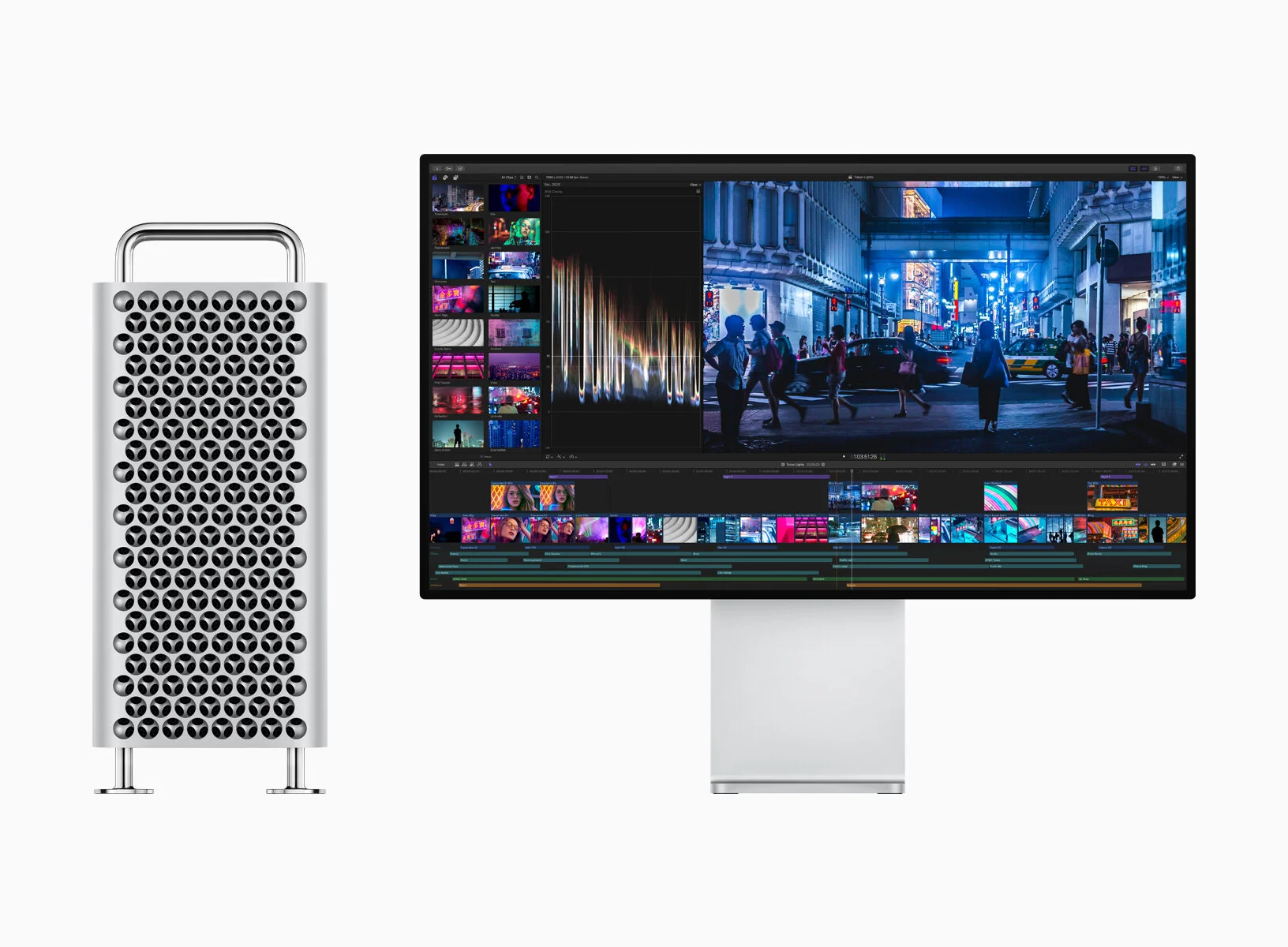
I would all but guarantee that nobody reading this will ever need Apple’s newly released Mac Pro and its accompanying display. This is the type of science fiction-y stuff tech nerds drool over, and it’s a momentous moment in the history of technological advancements, so despite the fact that very, VERY few people actually need it, it’s just a really cool, mind numbingly powerful beast of a computer, and I want my readers to know that it exists and appreciate the marvel of computing that Apple has managed to pull off. It’s so crazy that I’ve opted to place this post under the “magical nonsense” category, in addition to the obviously applicable “technology” category.

This machine is truly groundbreaking. Just to put some things in perspective, most PCs these days have processors with two or four cores; in the Mac Pro, you can get up to twenty-eight. Most PCs shipping right now will have either two, four, eight, or sixteen gigabytes of RAM. The new Mac Pro? Up to 1,500 gigabytes of RAM. It’s hard to imagine anything this machine couldn’t handle with ease. The price is, of course, equally mind boggling: it starts at $5,999 and maxes out at $53,799.

The display that they’re selling alongside the new Mac Pro, the Pro Display XDR, is also extremely impressive. It blows pretty much all current displays out of the water when it comes to metrics like brightness, contrast, color accuracy, clarity, etc., including professional displays like those used by filmmakers that cost 8x the price.

Despite all the incredible things Apple has packed into these two products, they have gotten a lot of criticism for some of their decisions made in regards to the pricing of accessories, which I think are valid criticisms. The stand for the display is sold separately, and costs a whopping $999, which is inarguably nuts. The Mac Pro itself has the option of shipping with stainless steel feet or wheels, and if you opt for the wheels, it’ll cost you an additional $399, which is laughable. However, I don’t think it matters too much overall; this whole product is almost just an instance of Apple showing off, and very pricy accessories grab more attention; given the unbelievable machine they've created, I think we should let them show off a bit.

Trump Campaign Keeps Telling The Same Bad Joke

John Bowden, writing for The Hill:

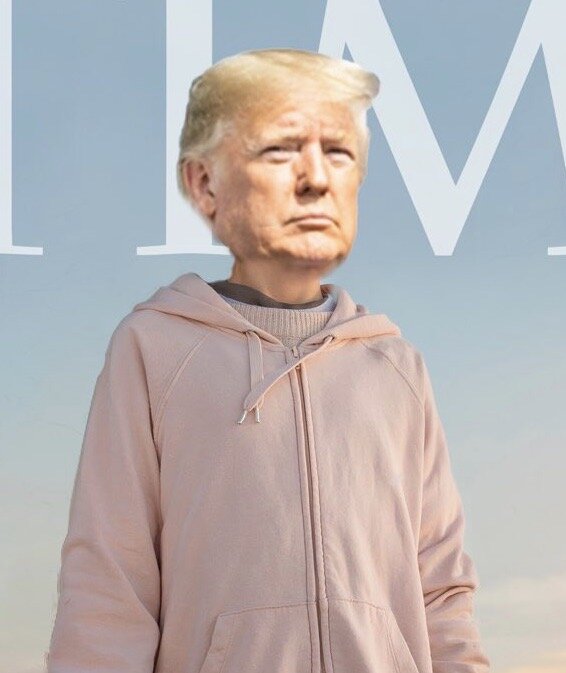
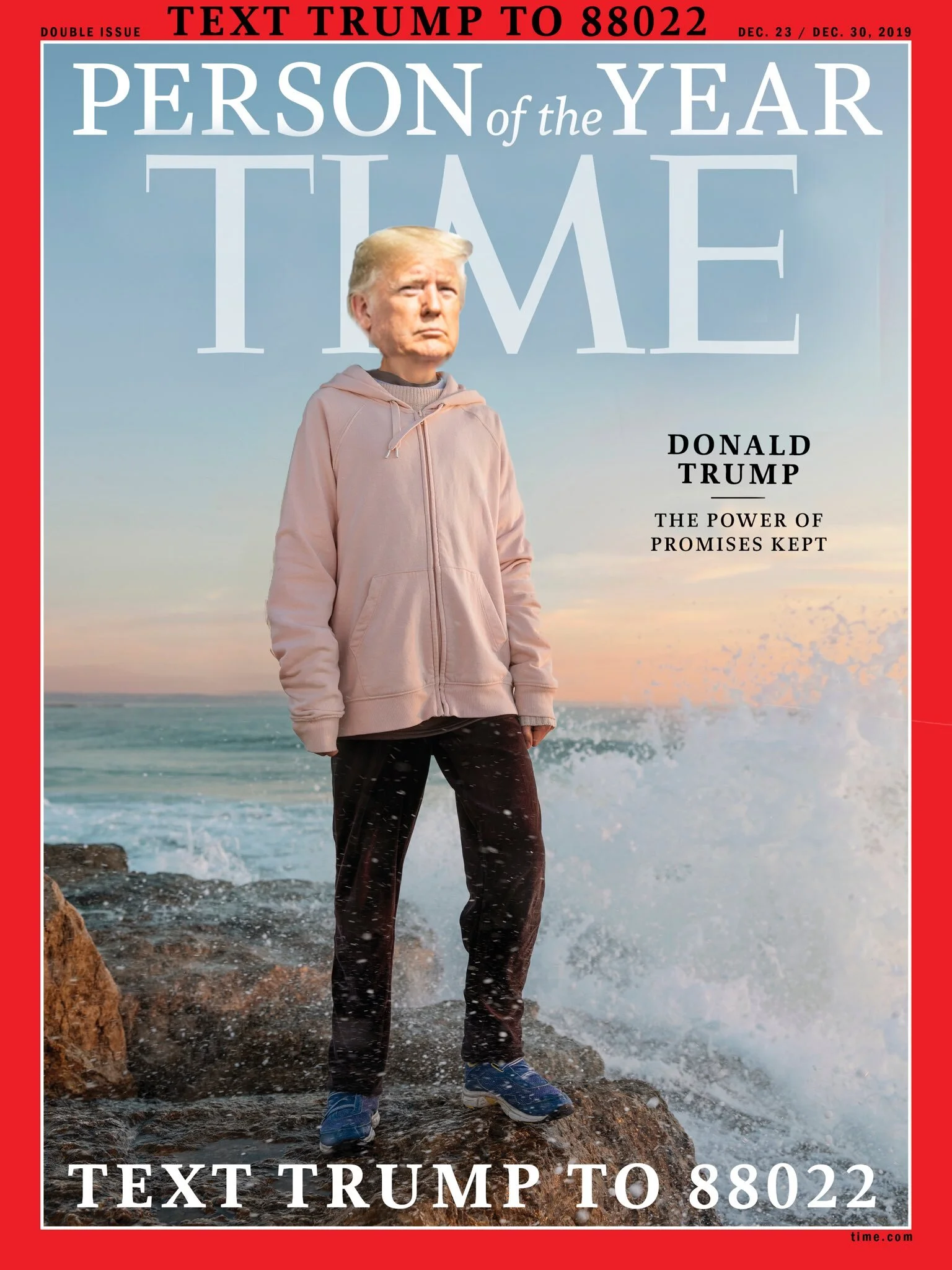
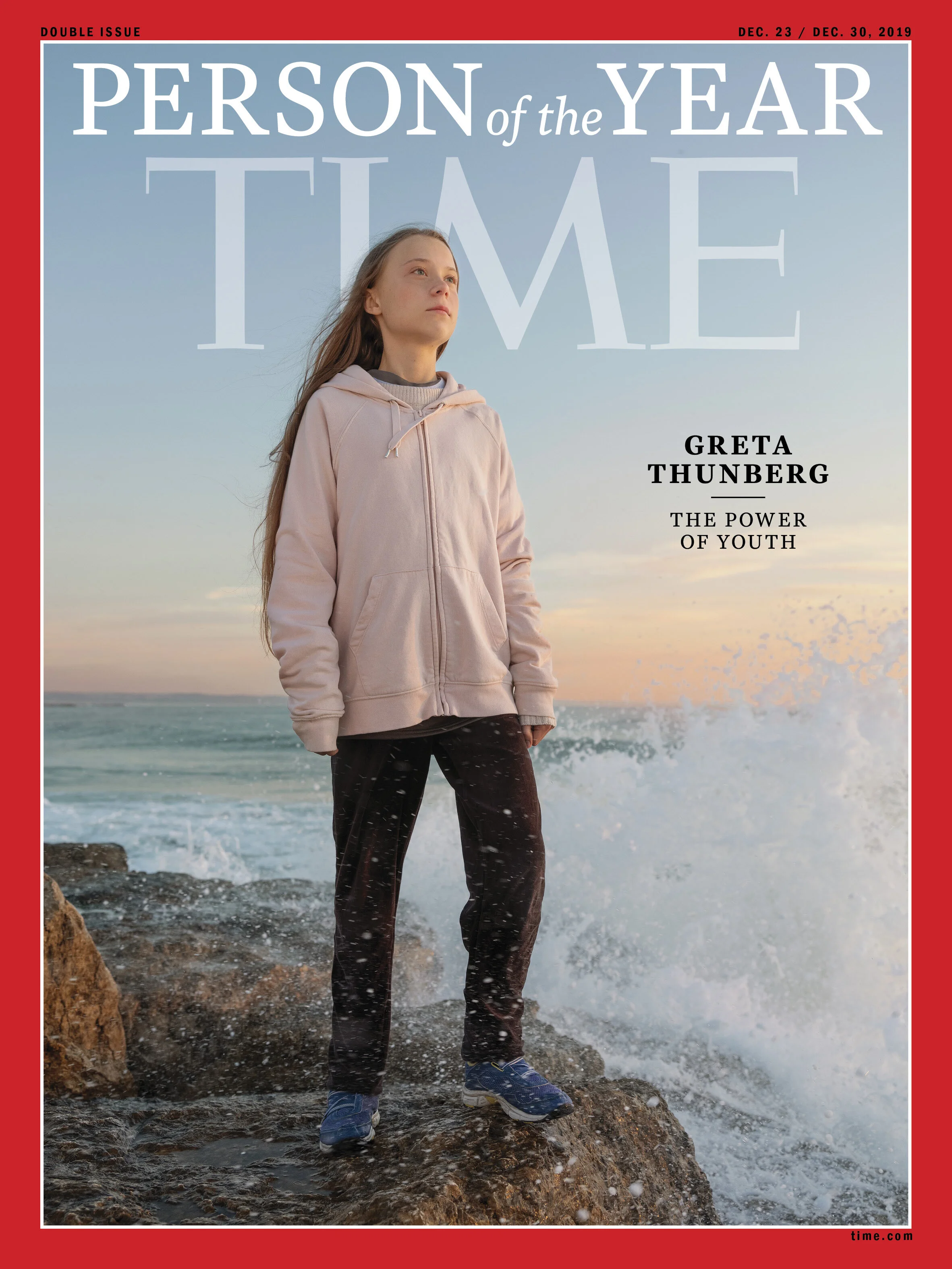
President Trump's reelection campaign on Thursday tweeted an edited cover of Time magazine's "Person of the Year" issue that depicted the president's head on the shoulders of Greta Thunberg, a 16-year-old climate change activist.

Is their whole reelection campaign plan to just keep poorly photoshopping Trump’s face onto images of other people? Play to your audience, I guess.

ELmTYjhWkAAdISg.jpeg

This one was weird, though:

I hope they realize that Thanos’s character arc was defined by dictatorship and mass murder, not to mention the fact that he died twice in that movie.

See also: Clearly jealous, Trump makes fun of Greta Thunberg (who is 16 years old) after TIME names her “Person of the Year”.

PoliticsGuest Userdecember19
Christmas Tree Farm

It’s been a long time since Taylor Swift put out a Christmas song, and none of them were terribly memorable. While “Christmas Tree Farm” is better than 65% of the songs on Lover, it may not have a ton of staying power either; only time will tell.

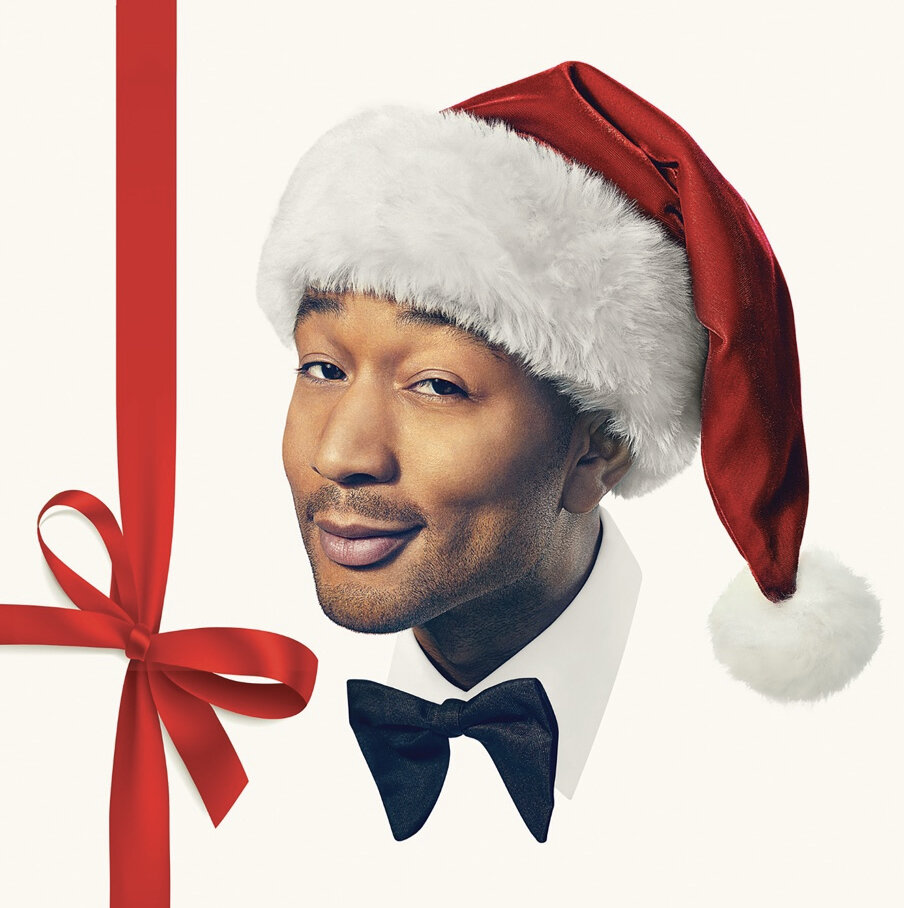
However, it is a really cute song and it could very well be the best original Christmas song of 2019. It certainly beats John Legend and Kelly Clarkson’s #metoo era rendition of “Baby, It’s Cold Outside”.

John Legend & Kelly Clarkson Have Destroyed a Christmas Classic For Political Correctness-Clout

John Legend and Kelly Clarkson are both I credible vocalists, and for the first few seconds of their “Baby, It’s Cold Outside” cover, you think you’re in for a real treat. Unfortunately, it goes downhill fast: all you really need to know is that their #metoo era version this classic Christmas song sucks ass, and it does so without consent.

A true, stereotypical, self-victimizing Social Justice Warrior could actually argue that this song does the opposite of what it sets out to do, in a “men are so toxic and manipulative” sort of way. Despite the fact that the whole song is centered around a woman lamenting over how she shouldn’t stay the night with a man, she ultimately decides not to go home. The whole thing could be interpreted as an exercise in reverse psychology on the part of Legend’s character, who spends the entire song agreeing that she should leave, only to ultimately have her stay. I don’t subscribe to that ridiculous notion (though I’m sure the most liberal SJWs would), I just think the song sucks.

Furthermore, the songwriter who penned the original ballad, Frank Loesser (1910-1969), is credited with writing this horrible perversion as well, which I think is a legitimate example of doing something without consent. He does not deserve credit for the cringeworthy lyrics in Legend’s version of this song, which include such lines as “I’ve got to go away/I can call you a ride”, and “So, really, I’d better scurry/your driver, his name is Murray”.

If you’re looking for a charming, enjoyable new cover of “Baby, It’s Cold Outside” from artists with similarly incredible voices, look no further than Idina Menzel and Michael Buble’s cover.

Kamala Harris Drops Out of The Race

Kamala got a lot of attention too early. I’m afraid the same will likely be said for Pete Buttigieg, as well. I thought she was a contender for a while, and I’m surprised that she dropped out as early as she did and was the first big name to do so, but I’m not surprised that she didn’t make it. I think this is for the best.

While she originally seemed fresh, that didn’t last long, and I think people fell swiftly out of love with her during the debates. Her attitude was sometimes off-putting for someone hoping to be the leader of our country, and I personally wasn’t a fan of her presumptive demeanor when she delivered what she thought was a zinger on stage. Additionally, as pointed out by Tulsi Gabbard, Kamala’s record is one with quite a few dark spots, and some of them are hard to overlook.

I think Kamala is best suited for Congress. She’s smart, bold, and calculating; she was really in her element when she was grilling Brett Kavanaugh last year. We need more senators like her.

See also: her brilliant response to Trump’s sarcastic farewell tweet.

That Facebook Accidentally Removed Elizabeth Warren’s Ads Is the Point

Brian Feldman, writing for Intelligencer:

The company’s current moderation system is designed to operate in an environment where context, often implied or not easily discernible to an outsider, does not matter. […]

Understanding this is the key to understanding why Big Tech is something to be concerned about. Even when it’s assumed to be operating in good faith and attempting to be fair, Facebook still makes the wrong call.

This story from March is hardly news, but it’s interesting and important because it highlights one of Facebook’s moral dilemmas that don’t get as much much focus as their privacy-related transgressions.

Historically, Facebook has been criticized for their content moderation and censorship practices (these criticisms largely revolved around the poor mental health resources offered to their contracted content moderators, who are poorly paid and required to sort through the worst content humans try to upload to the internet). Facebook’s record here is so astonishingly poor that it’s plausible that a presidential candidate might’ve had their posts removed based on the content of their message rather than the fact that they technically broke on of Facebook’s rules (which, in this case, was completely irrelevant to the context in which such a rule should apply). I’m not saying this was an innocent mistake on Facebook’s part, I’m saying that this level of inconsistency is not only problematic on it’s own, but it offers plausible deniability in cases where Facebook truly does remove content based on the message it carries. Given Facebook’s ubiquity in the western world, this is a threat to the freedom of information in our society at large.

PSA: It's Time for A Digital Health Checkup

Once or twice a year, it’s important to take a stroll through your settings and make sure nothing is going on that you aren’t aware of. It only takes about ten minutes to conduct what I refer to as a “digital health checkup”, and there are a lot of things that could go awry if your settings aren’t right, so follow along with this handy guide to make sure you’re doing everything you can to protect yourself from things like data loss, security concerns, and privacy issues. While this is an outline for people who have Apple products (I don’t have enough hands on experience with Android devices to offer a comprehensive guide), many of the settings I suggest modifying are found on Android devices as well, they may just be worded slightly differently. Without further ado, open up your settings app and let’s get started.

This guide was made using iOS 13.2.3, so you’ll want to make sure you’re at least on iOS 13.0 for this guide to make the most sense to you.

Apple ID

First things first, tap the big banner with your name on it to check all your Apple ID settings. This is a really important section, because your Apple ID is what makes 90% of the things on your device work to their full potential. Under this page, there are a few things to check.

  • Name, Phone Numbers, Email — Here, you just want to take a quick peek and make sure that it has your correct name and contact info. If it doesn’t, update it.

  • Password & Security — Your Apple ID is one of the most important things I’m going to tell you about. Make sure you know your password, and make sure it’s a strong one. If you aren’t good at remembering passwords, don’t worry. Just come up with a secure one for now, and write it down so you don’t forget. We’ll come back to a better way to store your passwords in a bit.

  • Payment & Shipping — This tab is another quick check; just make sure the saved shipping addresses and payment info are correct.

  • Subscriptions — This is where you can see things that Apple charges you for on a recurring basis and cancel any subscriptions you no longer want. For example, this is where you’ll see in-app purchase subscriptions like Apple Music, as well as your iCloud storage plan.

The next three headings are all organized under the Apple ID section, so get cozy.

iCloud

While you’re still under the Apple ID section, we’ll want to look at your iCloud settings. This is without a doubt the most important page of settings you’ll need to wrangle in.

At the top, it shows a bar with your iCloud storage. iCloud storage is how a lot of data is saved on your phone, and is what enables it to magically stay in sync across your Apple devices. If your iCloud storage is low or you’re out, its extremely important to upgrade your storage plan. This can feel a little nickel and dime-y of Apple, but they’re truly providing a useful service here (besides, your phone probably cost $700+, what’s another $12-$36 per year to keep it running optimally?).

Below the iCloud storage section is a big list of apps with toggle buttons. There are a few that lead to other menus, but we’ll cover those in a minute. The rule of thumb with the toggles is that everything should be turned on. Assuming you don’t share an Apple ID with anyone, go ahead and flip every toggle to the on position; this makes sure that even if you don’t have a backup of your device, that content will still be kept safe, as well as be kept in sync across your devices. The most important ones are obviously going to be contacts, messages, calendars, iCloud Drive, and notes. It’s worth pointing out that if you don’t have an iCloud email address, turning that switch on will prompt you to create one. We’ll talk more about email later, but it’s a good idea to have an iCloud email account, so go ahead and set one up.

  • Photos — Of the few options that lead to menus, Photos is the first. Under this menu, you’ll want to make sure that iCloud Photo Library is turned on. This is what will save your photos if anything happens to your device, and it’s why it’s so important to make sure you haven’t run out of iCloud storage. You’ll also want to select “Optimize iPhone Storage” over “Download and Keep Originals”. This can save you a lot of storage space on your device, and you’ll still be able to see all your photos just like you always could, they just take an extra second to load the full resolution version. It’s worth enabling, especially if you don’t have a lot of extra device storage (local, on-device storage is different from iCloud storage — it’s a hardware component of your phone, and it can’t be upgraded — you can see how much local storage your iPhone or iPad has under General>iPhone Storage).

  • Keychain — This menu just leads to a simple toggle. Turn it on. It may have you go through a short setup process, but this is well worth the minute it takes to do so. We’ll talk more about iCloud Keychain later and how it can remember all your passwords for you.

  • iCloud Backup — As long as you have all the other toggles turned on, having a backup isn’t quite as important as everyone thinks, but still, having a belt and suspenders never hurts. Go ahead and turn iCloud backup on.

Find My

This is where you can control whether you’re sharing your location with your friends, update which device you share your location from, and temporarily (or permanently) disable sharing.

Family Sharing

If you want to be able to share your iTunes and App Store purchases, have a shared calendar and reminders list, all use the same iCloud storage plan, and share your location with your family, you can set up family sharing. This feature has a lot of benefits, but one drawback is that everybody’s iTunes and App Store purchases go through one person’s payment method. For more info on setting up family sharing, go here.

That’s all we need to do under the Apple ID section. All of the remaining settings you’ll want to check are found under the main settings page, so go ahead and head back there.

General

Another quick one. Under the “General” tab, check these few things.

  • About — Make sure your iPhone is named something like “Broc’s iPhone”, rather than the default “iPhone”. This is important so people can recognize which device belongs to you when using features like AirDrop.

  • Software Update — I’ve already mention software updates once, but they’re very important. If you have a pending software update, do it. Also, make sure you’ve enabled automatic updates so you don’t have to start them manually in the future; your device will take care of it for you in the middle of the night when new updates become available.

  • VPN, Profiles — Scroll down to the bottom of the “General” tab, and if you see a button that says “VPN” or “Profiles”, tap on it. If you don’t recognize the profile or VPN that’s been installed, remove it immediately. Scammers will sometimes try to talk people into installing these because they can provide dangerous access to everything you’re doing on your phone. If you don’t see either of these tabs at all, that just means you don’t have any to worry about.

Face ID & Passcode, Touch ID & Passcode

Make sure you’ve set up a strong passcode and are using Face ID or Touch ID. Biometric data, including your facial recognition and fingerprint scans, are ONLY stored on your device in a Secure Enclave. They’re never shared with Apple, never sent to iCloud, and never shared with your apps. They make your device much safer from theft and unauthorized access, and the features are so fast and work so well that you hardly notice they’re there.

Emergency SOS

This is a relatively new, potentially lifesaving feature that allows your phone to come to the rescue if you’re in danger. It provides a fast way to call emergency services, as well as share your location and send an SOS message to designated emergency contacts when the feature is used. Just make sure you’ve taken a minute to designate those contacts and know how to engage the feature if you ever need help. It’s easy to set up, but if you need some guidance, here ya go.

Privacy

This is the section that will take the most time, but it’s because it’s one of the most critical. For each of the sections below, when you tap on that menu, you’ll be presented with the list of your current apps that have requested access to that particular hardware element or type of data. After adjusting these settings, you’ll be more aware when apps send those white pop up boxes asking for access to your location or camera, and be able to make more informed decisions about whether to allow that access or not.

  • Location Services — First, you want to be using location services, but you want to be smart about it. Scroll through the apps that have requested access to your location, and decide which ones truly need that access to function. Apps can offer up to four location access options: never, ask next time, while using the app, and always. There are almost NO apps that need always on access to your location, and you should automatically be suspicious of any that request it. This comes down to your individual judgement, but almost all of my apps are set to “never”, while some are on “ask next time”. A handful of min are allowed access “while using the app”, but almost none are given “always” enabled access.

  • Contacts — Apps like Facebook will ask for access to your contacts so they can create networks of everyone you know. This is obviously bad, so you should almost always turn off access to your contacts for every app.

  • Photos — A lot of apps will abuse having permsission to your whole photo library. If they don’t need it, cut off their access.

  • Bluetooth — If you don’t know why an app needs bluetooth, turn it off. Bluetooth can be used to track your location even if you’ve already denied that same app access to your location.

  • Microphone — There are a lot of apps that ask for microphone permission, but very few actually need it to work properly. Scroll through this list and turn off everything that doesn’t have an obvious need to hear what’s happening around you when you use that app.

  • Camera — Same deal here: a lot of apps abuse camera privileges (Facebook just got caught doing so). If an app doesn’t absolutely NEED access to your camera to work properly, turn it off.

  • Advertising — Under this menu, make sure you turn on “Limit Ad Tracking”. This is a feature that Apple built to throw invasive advertisers off your trail, and make it harder for companies to spy on you and track your activity across apps. There’s no downside to enabling it, but there’s a huge upside.

Wallet & Apple Pay

I would encourage everyone to set up and use Apple Pay in stores, online, and in apps. It’s much safer than using a normal card because it requires authentication before allowing payments to be processed, and it doesn’t give merchants your real name or card number, so you would be totally protected from breaches like the one that affected millions of Target customers a few years ago. Plus, Apple Pay is a lot more convenient and the transactions process about four times faster than waiting on your chip card to sit in the payment terminal.

Passwords & Accounts

This is that bit I was promising about making it easier to keep up with your passwords. Since you’ve already turned on iCloud Keychain, this is where it becomes useful. Under the “Passwords & Accounts” menu, you can tap “Website & App Passwords” to view all the passwords you’ve saved to your iCloud Keychain.

  • Autofill Passwords — Make sure this is enabled, and your device will automatically fill in your sign in information on apps and websites where you’ve told it to remember your login info. You’ll never have to memorize another password, besides your Apple ID password, which is the master password that protects all of the ones in your keychain (so again, make sure it’s very secure!).

Mail

I personally use a few different email services, but I use iCloud as my main account. It’s a lot safer and more private than services like Gmail or Yahoo!: those companies read through your emails and use the content to send you targeted ads, whereas Apple will never read or share the contents of your inbox. You don’t have to switch all at once, but it’s a good idea to get away from companies like that. In any case, there is one specific setting to adjust no matter which accounts you use.

  • Load Remote Images — Ensure this setting is disabled. Having it turned on can allow people and companies who send you emails to know when, where, and how many times you opened their messages using a deceitful technology called “surveillance pixels”. If a sender sends you an email that includes images you DO want to load, you can enable them with one tap for that specific email, rather than having it on by default.

And thats it, your Digital Health Checkup is complete! This may have been more than ten minutes of adjustments for some folks if your device was particularly messy, but for most it’s a quick process of fine tuning that can make your device a lot safer, help it run better, and provide you with some useful features you may not have been taking advantage of. As a former Apple employee, I feel qualified to say that this is a comprehensive overview of the most important and sensitive settings your device has. If you’ve followed along with this guide, you can feel confident that you’re doing everything you can to protect yourself and your data. Should you have questions or run into any issues adjusting your settings, feel free to reach out!

Frozen II

Frozen is the type of iconic film that has such a strong cultural presence that it’s difficult to escape. Despite its near omnipresence in DVD players, Target toy aisles, and happy meals, it doesn’t seem like anyone really got sick of Frozen in the past six years since its release, which is a testament to just how charming it was. It was an absurdly likable film made by talented artists. It had an uplifting message, fun songs, a solid plot, and it was visually interesting.

While I certainly liked Frozen, I’m about a decade and a half removed from their target audience, so I probably wouldn’t have seen Frozen II in theaters if it weren’t for a gaggle of little cousins that brought me along, however, I’m glad I went.

Frozen II was a strong sequel, and the box office proves it; according to Disney, it had the biggest global animated debut of all time. Like the first, this movie also has a good message and enjoyable music, was created by the same group of gifted artists, and is even more visually appealing.

⚠️ Spoiler Warning

As far as the plot goes, I don’t want to give away too much, but suffice it to say that the story was complex and fast moving without being overly dense. I particularly enjoyed the whole “Avatar Elsa” twist. It also teaches kids the value of looking at history for yourself and making your own decisions about the truth, rather than blindly accepting what you’ve always been told.

The music was the first film’s greatest strength, and while no song in the sequel lived up to “Let It Go”, that was such an extremely high bar that I didn’t really expect them to clear it, and I don’t think they set out with the goal of outdoing themselves. However, there are more songs in this movie that could be enjoyed without immediately seeing the movie in your head.

Idina Menzel again has the strongest song in the movie, “Into The Unknown”, while Johnathan Groff’s 80s style “Lost In The Woods” is a close second, for me. If you’re checking out the album, Panic! At The Disco’s cover of “Into The Unknown” is solid, too. I wish they’d given Kristen Bell more songs because I really like her voice, but oh well. Also, the folky, Nordic sounding vocals throughout the film were terrific, and I’m glad they were able to finally explain the music from the first film’s opening credits in a way that fit the story.

Frozen II is a strong sequel. The two films each stand on their own but complement one another nicely. Should Disney make a third? Probably not. Should you drop what you’re doing and run to the theater to see this one? Also probably not. But should you tag along if you get the chance? For sure.

Facebook Launches New 'Market Research' App To Collect Even More Data From Users

I’m sure this won’t be as predatory to users as their last few attempts were.

In case you aren’t caught up, Facebook has had multiple products lately which were designed to harvest data from those they conned into using them, including the “Onavo” VPN service and the “Facebook Research” app. Both of them used shady data collection tactics where they wedged themselves deep into the settings of the devices they were installed on, and then funneled information about almost every interaction that users had on those devices back to Facebook to be analyzed and sold.

Jay Peters, writing for The Verge:

The company also says it won’t share information from the app to third parties or share your Facebook Viewpoints activity on Facebook.

Facebook says a lot of things; you’d be an idiot to believe any of it. Only an absolute fool would install this new “Viewpoints” app.

Food for thought: if a company is willing to pay you to share data with them, especially if it’s data that seems benign, imagine how much that data must actually be worth. They don’t care about your individual answers, they care about being able to manipulate people at scale. There’s proof that it works, and they’re willing to pay for the data that enables that.

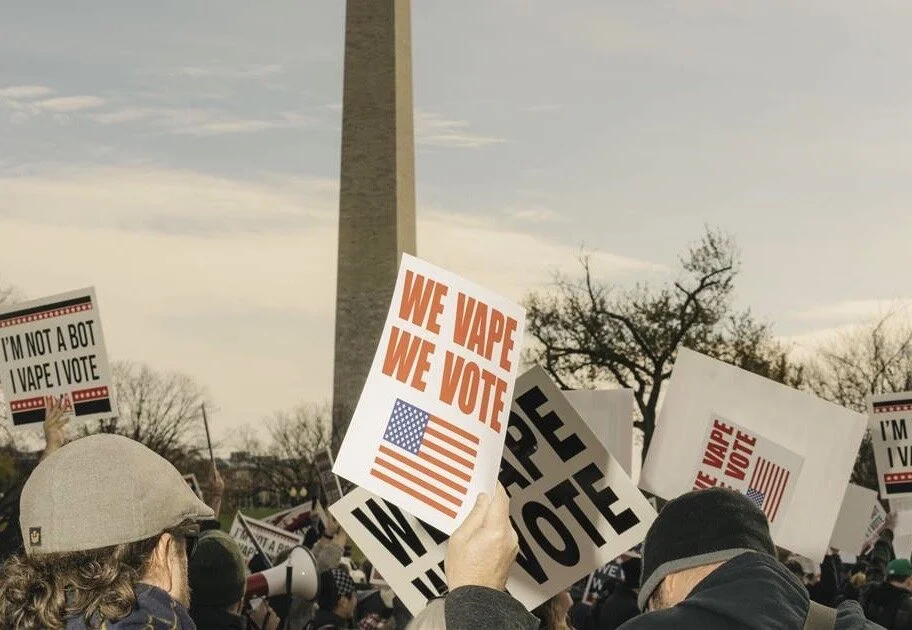
Trump Backpedals On Flavored E-Cigarette Ban

It’s rare that President Trump deserves praise, but I felt it was in order when he announced that he was banning flavored cigarettes. As it turns out, he isn’t banning them because it wasn’t politically popular and he doesn’t have a fucking spine. From the New York Times:

Under pressure from his political advisers and lobbyists to factor in the potential pushback from his supporters, Mr. Trump has resisted moving forward with any action on vaping.

I find this supremely annoying. Everyone with a brain can piece together how vaping isn’t good for you, and Trump’s proposed ban would’ve been an excellent way to dial down the attractiveness of the practice to those who aren’t using it as an alternative to smoking.

Trump’s supporters will probably try to play this as a win for civil liberties, but then why weren’t they expressing concerns about civil liberties in September when the ban was announced? I don’t think that’s where their concerns truly lie; the truth is that vaping is simply popular enough among Trump supporters that cracking down on it would lead to unavoidable political fallout:

[Trump] is concerned about his chances in 2020, and allies working for the vaping industry have told Mr. Trump of battleground state polling of his own voters that showed the issue costing him support. […] The poll, which surveyed battleground state voters who vape, showed negative results for Mr. Trump if he went ahead with a ban.

It’s pretty sad that this is the issue upon which Trump fans would be willing to withdraw their support. If I didn’t know better, I’d say it’s almost as if they’re easily hoodwinked by powerful people who don’t have their best interests at heart, and boy, do they have options.

The NFL, Militarized Masculinity, and A Really Annoying Hoodie

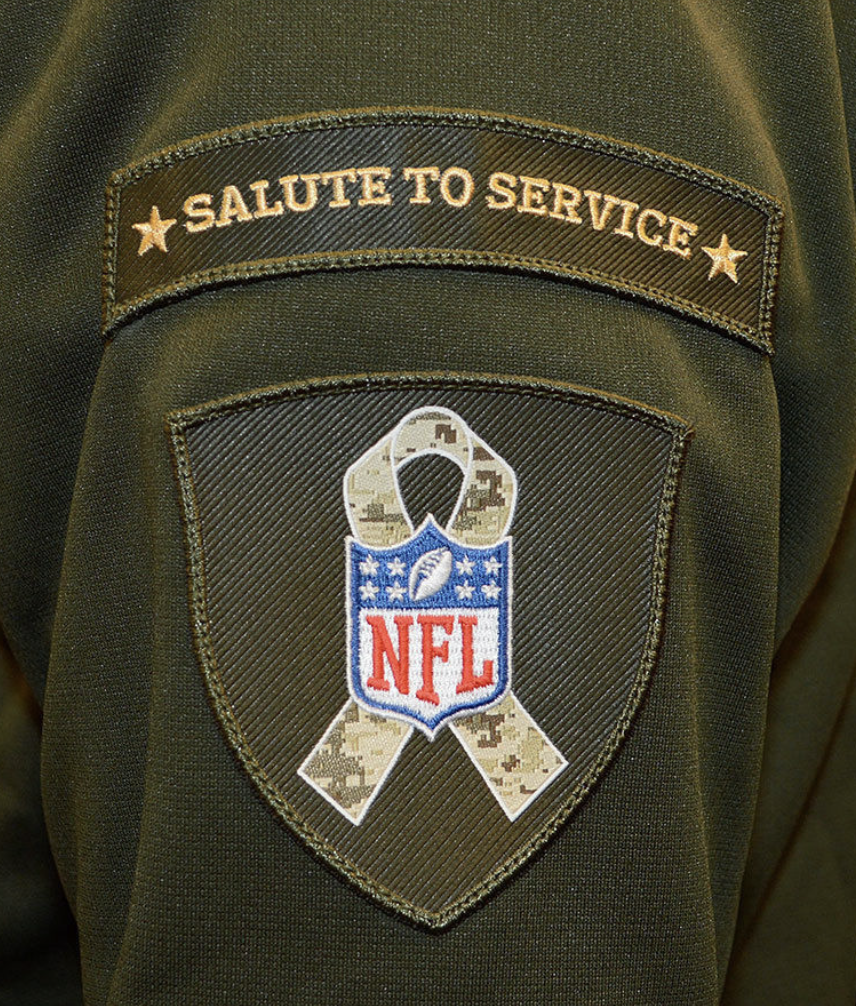
There are many displays of patriotism that occur during a football game (which often border on nationalism and militarism), and I've always assumed they were the prerogative of the NFL and therefore funded by the league. I was shocked to learn that our military actually foots the bill for these demonstrations, such as when the flag is stretched across the field before games and during halftime, special events like flyovers, and most recently, all the desert brown “Salute to Service” hoodies worn by players on the sidelines of last Sunday’s games.

As a patriot, I was outraged upon learning this information; I’ve written to my legislators to express my disapproval of the practice, and I recommend that anyone who supports our troops do the same. I’m a big football fan and I love going to games, but we’ve got to be honest with ourselves — the NFL is frivolous compared to the military — there’s absolutely no reason for us to divert funds which could be used to improve facilities and increase pay for our service members to finance wasteful and unnecessary marketing ploys for an organization made up of millionaires. While this is obviously a case of mismanaged tax dollars, I believe it’s symptomatic of a deeper problem in our society.

Sport has always been closely associated with masculinity, and football — a very physical competition between men wherein success is dependent upon the team’s ability to work together using strength, agility, and strategy to accomplish a goal — can be seen as a manifestation of masculinity. 

Unfortunately, masculinity in America has recently been receiving a lot of criticism, because it’s become interwoven with a violent brand of militarism (see: Masculinity and Militarism). The NFL realizes this and they’re using it to their advantage: their marketing team is savvy enough to see that drawing on the militaristic aspects of sport and trumping them up through the aforementioned displays creates a spectacle capable of engaging millions of men for whom football fulfills a need to connect with a more deeply masculine side of their identity, further ensnaring them in the idea of a masculinity that is predicated on militarism, which in the current political climate, can be easily mistaken for nationalist aggression.

Perhaps I’m wrong, but in that case, I find it puzzling that sporting events (which, as mentioned previously, possess an inherent masculinity) are the only types of large public events where these overly patriotic displays occur. If they were truly about celebrating our country and reverence for those who serve, why would these displays not occur at other events that AREN’T inherently masculine, like fairs, concerts, or parades? The key here is that the NFL knows there is a financial benefit to taking advantage of the militarized perversion of masculinity that many have been hoodwinked into accepting.

I’m not arguing that it’s bad for men to engage with or celebrate their masculinity, nor am I arguing that patriotic displays have no place in sport. In fact, I think we should take more opportunities to elevate favorable manifestations of masculinity, as well as to participate in patriotic displays which serve as reminders that we're ALL Americans with a shared set of values. The two are not mutually exclusive: as an Eagle Scout, I feel qualified to say that Boy Scouting is a good example of a program that celebrates masculinity and incorporates mildly militaristic practices that instill a deep respect for country (and actually leads many young men to serve) without conflating the two or perverting either.

The bottom line is this: if the NFL wants to have these displays, they should have to pay for them. It’s not the tax payer’s responsibility to buy “salute to service” hoodies for the millionaire athletes on the sidelines of a football game, and if they’re going to capitalize on the sacrifices made by our troops, they should at least have the dignity not to take money from those same troops to finance their disrespectful and socially detrimental marketing ploys. 

Masculinity and Militarism

I’ve said this before, but American men need to take a moment for some introspective analysis. For many American men, masculinity has become increasingly militarized in recent years, and that can be extremely dangerous. Let me start by clarifying that I’m not here to pedal the belief that masculinity is inherently toxic — though it can become perverse when left unchecked, such as in cases where men feel like violence is a useful way to assert their manliness; we all know that guy who brags about how many fights he’s been in — I think masculinity generally serves a useful purpose in how our society organizes itself and how individuals understand themselves, and allows for a certain level of cultural stability. Plus, it has had undeniable evolutionary benefits.

A common, positive aspect of masculinity is the man’s role as a protector, but that can be taken to an extreme, and I believe that’s what’s happening in cases where civilian men voluntarily adopt an arbitrarily militarized persona. Many men have bought into a sheepdog mentality where their masculinity is related to their ability or duty to defending others. The trouble comes in when these men don’t acknowledge just how boring everyday life is for most people in America. Rather than working to defend others from common, tangible threats, they spend their time obsessing over what they would do in various, wildly improbable scenarios to protect people (but importantly, only those whom they deem as worthy of their protection) from imagined threats of impending violence/warfare on American soil; it’s a self-aggrandizing exercise that becomes a self fulfilling prophecy when they prematurely escalate situations, consciously or otherwise, to live out their grizzly, heroic fantasies (often in situations where violence could’ve been avoided entirely).*

These men aren’t difficult to spot. They have American flags, rebel flags, and “don’t tread on me” flags everywhere. They have camouflage on everything, and they typically drive obnoxiously large and boisterous vehicles. They’re probably ashamed of their attractions to men, their small wieners, or both. They have preoccupations with excessively deadly firearms and other weapons of war (I’m not talking about your uncle who hunts, I’m talking about that nut at the pawn shop who has a closet full of illegally obtained automatic weapons and hand grenades). Additionally, they may well be police officers or first responders. Whether they occupy one of those roles or not, they’re all but guaranteed to harbor an obsessive degree of respect for police officers (and armed service members), as well as fire and EMS workers, to a lesser extent.

One only has to look to Nazi Germany to see how a militarized idea of masculinity can lead to widespread violence. The notion of defending one’s country can easily be mistaken as being congruent with xenophobia: defending your country does not equate to opposition to anyone who is foreign or different. On the other hand, we can look to Boy Scouting as an example of a program that uplifts masculinity while toeing the line between instilling a deep respect for our country that actually leads many young men to service, without resorting to the dangerous notion that masculinity can ONLY be achieved through service (which many who haven’t served interpret as a call to nationalist aggression).

American men who have been ensnared by that perverse misrepresentation of masculinity need to realize that while defending loved ones is a desirable masculine quality, it is foolhardy to preoccupy ourselves with preparation for a war that will likely never come, especially while plenty of real threats exist which we could direct our energy toward neutralizing, from public health issues like vaping and obesity, to privacy issues like Facebook and others companies profiting from unethically collected data, to societal issues like intolerance and the lack of credible media sources. While we focus our attention on reinforcing our masculinity through displays of aggression and militarization, we allow the real threats that endanger our loved ones to flourish.

*Graeme Wood made this point first.

UPDATED: 08/29/20, 14:34

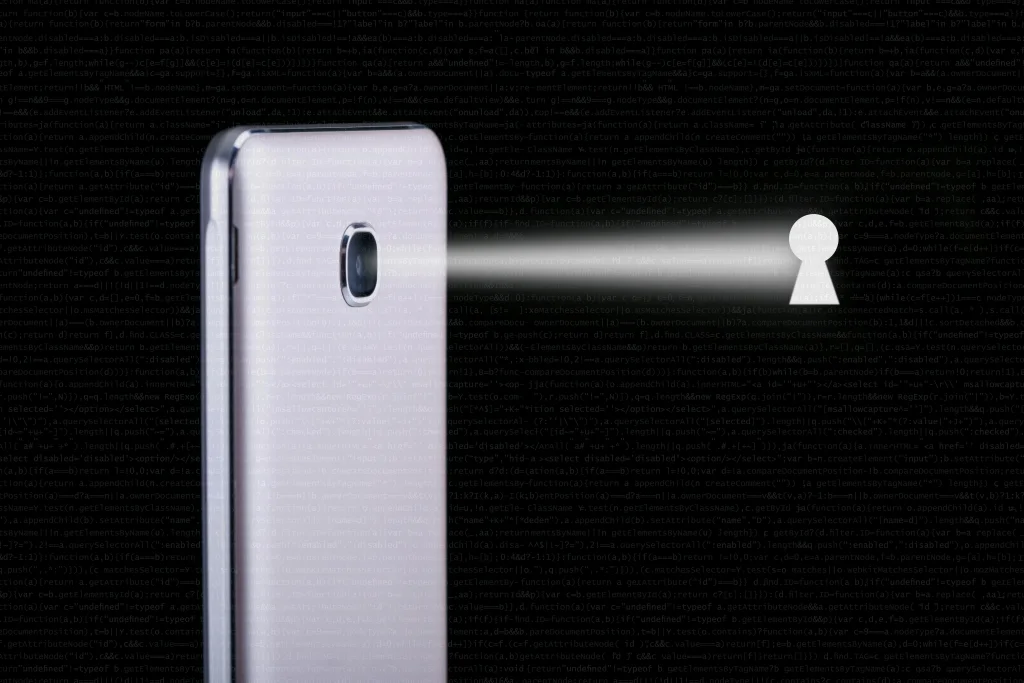
PSA: Android Apps Can Collect Camera, Microphone, and GPS Data without Permission While Device Is Locked

Erez Yalon, reporting for Checkmarx:

After a detailed analysis of the Google Camera app, our team found that by manipulating specific actions and intents, an attacker can control the app to take photos and/or record videos through a rogue application that has no permissions to do so. Additionally, we found that certain attack scenarios enable malicious actors to circumvent various storage permission policies, giving them access to stored videos and photos, as well as GPS metadata embedded in photos, to locate the user by taking a photo or video and parsing the proper EXIF data. This same technique also applied to Samsung’s Camera app.

In doing so, our researchers determined a way to enable a rogue application to force the camera apps to take photos and record video, even if the phone is locked or the screen is turned off. Our researchers could do the same even when a user was is in the middle of a voice call.

Android devices have always been user hostile, but this example is startling. If you have an Android device, it is truly time to switch.

I’ll admit, I’ve always had iPhones, so it’s easy for me to say that Android users should switch teams. I have friends who’ve always had Androids, and we occasionally rib each other over our loyalty to one brand or the other, but this is a lot bigger than that; I’m no longer suggesting that they switch out of jest, now I’m making those recommendations because I care about them and I don’t want to see them taken advantage of by devices they think they can trust.

I don’t care what team you picked, I don’t care what team I picked, the truth is that, at a technical level, one of these systems was built from the ground up in a way that prevents bad actors from gaining unfettered access to your device’s camera, microphone, and GPS, and the other was not.

Heliogen Presents A Solar Energy Breakthrough

Matt Egan, reporting for CNN Business:

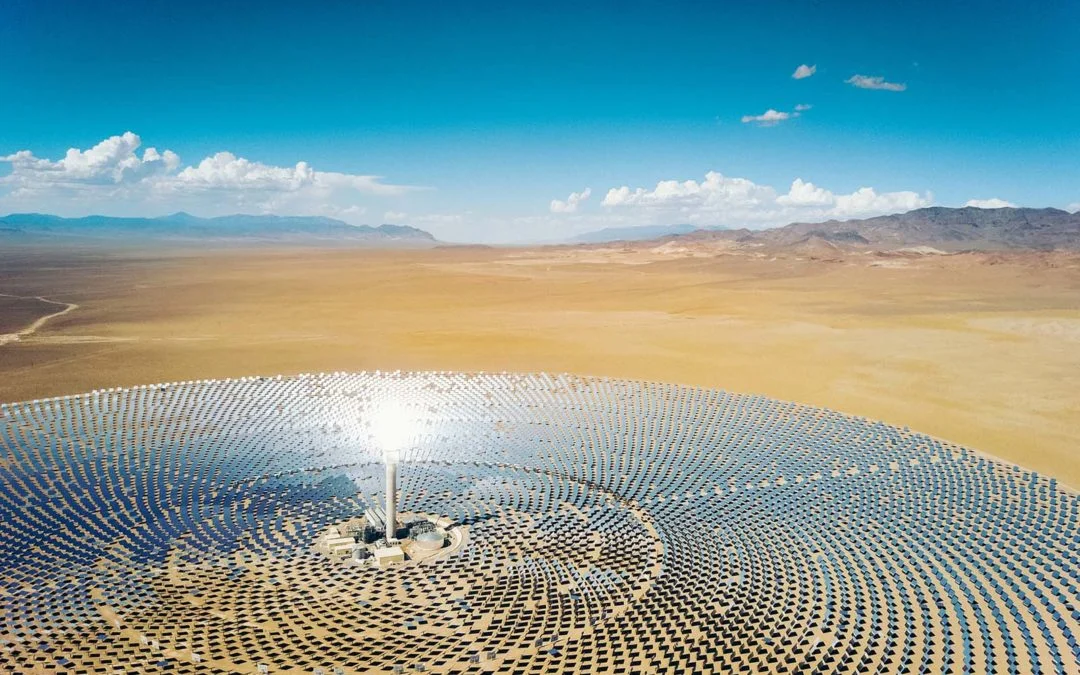
Heliogen, a clean energy company that emerged from stealth mode on Tuesday, said it has discovered a way to use artificial intelligence and a field of mirrors to reflect so much sunlight that it generates extreme heat above 1,000 degrees Celsius.

Essentially, Heliogen created a solar oven — one capable of reaching temperatures that are roughly a quarter of what you'd find on the surface of the sun.

The breakthrough means that, for the first time, concentrated solar energy can be used to create the extreme heat required to make cement, steel, glass and other industrial processes. In other words, carbon-free sunlight can replace fossil fuels in a heavy carbon-emitting corner of the economy that has been untouched by the clean energy revolution.

Seems like this could be a real game changer. I don’t mean to sound uneducated, but my only concern is that a fourth of the temperature of the sun’s surface sounds a bit warm; are we sure that’s not gonna cause any unintended global heating?

Apple TV+

At $4.99/month, Apple’s new TV subscription is an interesting proposal. On one hand, it’s crazy cheap compared to other streaming services. On the other hand, you currently only get access to about a dozen shows, as Apple doesn’t have any sort of back catalog; it’s just their brand new, original content.

Don’t get me wrong, the shows I’ve watched so far were really well made, and they were engaging. I’ve really enjoyed “The Morning Show” and “For All Mankind”. Both shows have one hour episodes that are compelling enough that I remember to come back to the app every Friday to catch the new episodes. The Apple TV+ catalog seems to focus on dramas, but there is a variety of content, ranging from a nature documentary, to a thriller, to a “Snoopy” cartoon. I’m also pleased to see that Apple has taken a very hands off approach to regulating their catalog — it doesn’t seem that they’re censoring anything for the sake of maintaining a “family friendly” rating — by all accounts, they appear to have given the artists free range for creative expression.

Apple’s venture into original video content had a shaky foundation, though, let’s not forget. A moment of silence is due for Apple’s seemingly-forgotten, previous endeavors with original TV content, “Planet of The Apps” and “Carpool Karaoke”… These shows were released a couple years ago as an odd benefit for Apple Music subscribers, and they still exist in the music app, for better or for worse. While “Carpool Karaoke” without James Corden was a completely uninteresting flop, “Planet of The Apps” was actually a cool idea, and I wish they’d at least tossed it in with the available Apple TV+ content rather than leaving it to rot in the music app, which didn’t make a lot sense in the first place. Oh well, I’m glad they didn’t give up.

The bottom line is this: you should give Apple TV+ a shot. Maybe the shows that I really enjoyed won’t be the ones for you, but there is a lot of variety, and it’s all very well produced. On top of that, Apple is clearly committed to succeeding in this arena, because they’re dropping billions on producing this content, and have a lot of other cool shows slated for the coming months. You get at least a week for free, and anyone who buys a new iPhone, iPad, Mac, or Apple TV will qualify for a free year: there’s no reason not to try it.

Bonus points for Apple TV+: from a privacy perspective, Apple is leagues ahead of their competitors (I’m talking about you, Netflix), who pay very close attention to what you’re watching, use that data to profile you, and then sell you out to other companies that will use that data against you to hit you with targeted ads. Apple doesn’t do that.

Steelers' Mason Rudolph Won't Pursue Legal Action Against Browns' Myles Garrett

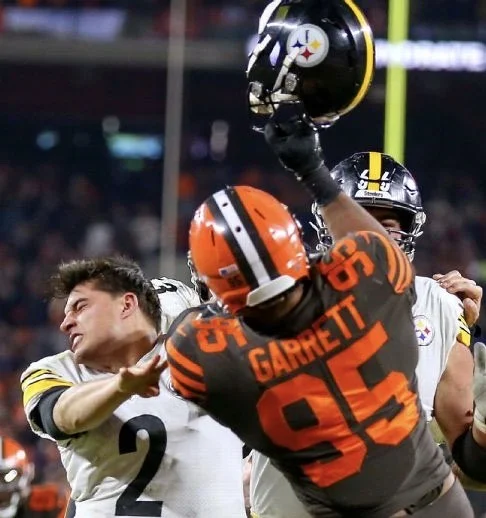
I was hoping to write the opposite headline. If you’re not up to speed, last night the Steelers played the Browns, and with less than ten seconds remaining in the game (which wasn’t close enough to matter, with the Browns have 21 points and the Steelers 7), Myles Garrett delivered a late hit to Steelers QB Mason Rudolph. After exchanging words on the ground, Garrett ripped off Rudolph’s helmet and attempted to bash him in the head with it, making some degree of contact which, fortunately, didn’t result in a life-threatening injury for Rudolph. Watching it was enough to make my blood boil.

I don’t care what names Rudolph may have called him or what he could’ve said about his mother while they were on the ground, what Garrett did was disgusting. Sure, tempers can run high in any competition, but there’s absolutely no excuse for behavior like that which so callously endangers another player’s life. In my opinion, Garrett shouldn't have been suspended, he should’ve had his contract terminated and been banned from the NFL. If you wanna play bush league football, you don’t deserve to be in the big leagues. The act of removing someone’s helmet is indecent because the only reason to do so would be to cause them significant physical harm, and that move alone should be enough for a multiple game suspension, much less using it as a weapon to bludgeon the player’s then-unprotected head. This wasn’t just a case of poor judgement on Garrett’s part, it was criminal, and Mason Rudolph would’ve been well within his rights to pursue legal action for an unwarranted attack that amounts to assault with a deadly weapon. If not legal action or expulsion from the league, Garrett absolutely deserves to have his public perception indelibly tarnished.

Honestly, based on the several late hits and multiple instances of obvious charging on the Browns’ part in this game, I think the whole team should be suspended for the rest of the season. There is no excuse for any team to have such an irreverence for the safety of their opponents.

SportsGuest Usernovember19
Facebook App Records Everything Your Camera Sees While You Use The App

The Facebook app is recording everything your camera captures while you’re using the app, whether you’re using the camera or not. Do we really think this is a bug? I don’t. A few things to consider:

  1. Facebook’s privacy policy leaves the door open for them to record data from the camera even when you don’t press the shutter button.

  2. Guy Rosen, Facebook’s VP of Integrity (lol), said on Twitter that this “sounds like a bug”. Ahem, ‘sounds like’? Shouldn’t Facebook VPs know if this was a bug and be able to immediately give a negative or affirmative answer as to whether this is expected behavior for the app?

  3. Facebook hasn’t made an official statement addressing this issue.

So, that sucks, but what can you do? You can delete your Facebook account, first and foremost. If you’re not ready to take that step, at least go into your device’s privacy settings and disable the Facebook app’s access to your camera and microphone.

#deletefacebook

Words

This is my 100th post on CopyrightBro, so I wanted to do something a little bit special to mark the occasion. For those who may be wondering how this website was named, let me offer a brief explanation. I’m 23 years old, a recent college graduate, and a man; someone who fits those identifiers can be known colloquially as a “bro”. The “copyright” part of the name originates from the premise of the site: it’s a place where I can publish writing, photos, and other pieces of intellectual property for which I possess the copyrights. Also, if you move the “©” symbol to the end of the word “bro”, it spells “Broc” — clever, I know.

In any case, it should be obvious to anyone looking at this site that, despite my sometimes unperfect grammar and the occasional typi, I find words to be extremely important; they make effective communication possible, and sharing ideas is an essential aspect of the human experience. Therefore, I decided that for my 100th post, I wanted to share a collection of words that mean a lot to me. What follows is a small collection of quotes that I’ve found particularly profound, quotes which have influenced the way I perceive the world, quotes which have shaped the decisions I’ve made; hopefully you’ll find reading these words to be as exciting as I found the process of curating them (a process which is ongoing — this page will be updated). Without further ado:

No man is such a craven that the influence of love cannot inspire him with a courage that makes him equal to the bravest born.

— Plato

Every lie we tell incurs a debt to the truth; sooner or later, that debt is paid.

— Valery Legasov

It ain’t about how fast I get there, ain’t about what’s waiting on the other side, it’s the climb.

— Miley Cyrus

Rocky Top, you’ll always be home sweet home to me, good ole Rocky Top, Rocky Top, Tennessee

— The Osborne Brothers

What does it say about the world we live in, if an adult man is told how and whom he should love?

— Unknown

Here's to the crazy ones. […]

The people who are crazy enough to think they can change the world, are the ones who do.

— Rob Siltanen

Ask not what your country can do for you, ask what you can do for your country.

— John F. Kennedy

History doesn’t repeat itself, but it does rhyme.

— Mark Twain (or not?)

Friendship is unnecessary, like philosophy, like art.... It has no survival value; rather it is one of those things which give value to survival.

— C. S. Lewis

And you understand now why they lost their minds and fought the wars, and why I’ve spent my whole life trying to put it into words

— Taylor Swift

What unites people?

Armies? Gold? Flags?

Stories. There’s nothing in the world more powerful than a good story. Nothing can stop it. No enemy can defeat it.

— Tyrion Lannister

The future doesn’t belong to the fainthearted, it belongs to the brave.

— Ronald Reagan

If we are to have another contest in the near future of our national existence, I predict that the dividing line will not be Mason and Dixon's but between patriotism and intelligence on the one side, and superstition, ambition and ignorance on the other.

— Ulysses S. Grant

While we have our eyes on the future,
History has its eyes on us.

— Amanda Gorman

“Words are our most inexhaustible source of magic”

— J. K. Rowling

UPDATED: 01/21/21; 10:04