Posts in Technology
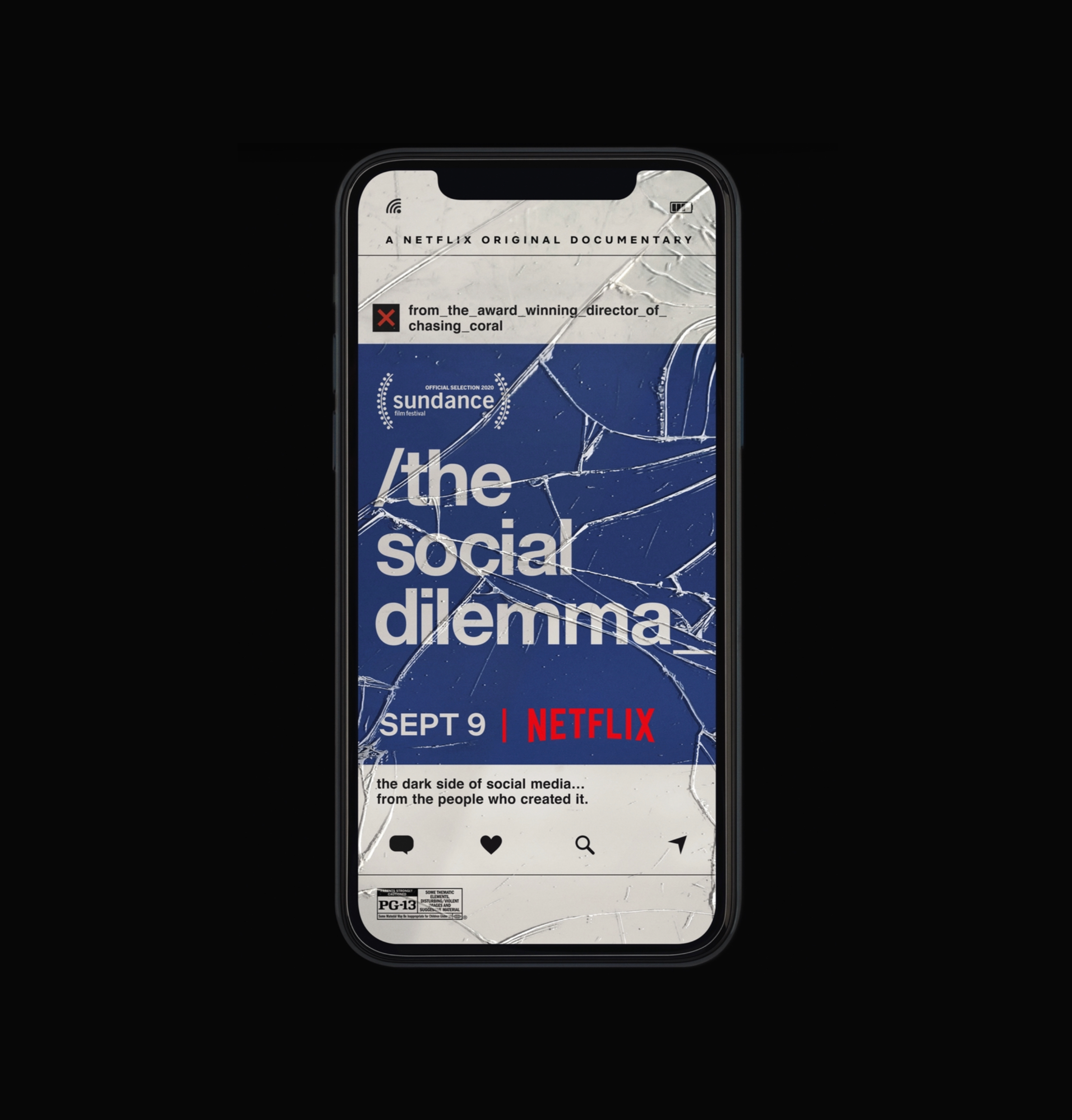
‘The Social Dilemma’

“The Social Dilemma” is a new documentary on Netflix that talks about the dangers posed by social networks and other big tech companies who draw large portions of their revenue from advertising. It details how the people who created platforms like Facebook, Instagram, Google, and others intentionally designed features to exploit human psychology and make their products addictive. It’s a good follow up to “The Great Hack”, another incredible documentary that explores how dangerous these companies are through a more political lens.

“The Social Dilemma” features a long list of ex-silicon valley inventors and programmers confirming the fears I’ve had about social media for a while now. The whole problem boils down to greed. Companies that make their money from advertising are greedy, and they deal in the business of selling human attention. The more of your attention you give to them, the more they can predict and influence your behaviors, and they’ve demonstrated that they have no problems auctioning off your attention to the highest bidder, and subsequently allowing those bidders to use your attention and the mountains of data they have on you to manipulate your feelings and your behavior. We saw what this can lead to with the Cambridge Analytica scandal; political polarization is only getting worse, and it’s already to the point where people are practically experiencing separate realities because algorithms — that very few people understand, even within the companies — are presenting them with inflammatory ads that offer “alternate facts” based on what they think will keep them engaged with the platform. The more time you spend on a social media app, the more ads you see, and the more money they make. Their goal is to capture 100% of your attention, and they have more than a few unsavory tricks up their sleeves.

The picture this film paints is bleak, but we do have a chance of brightening it up. People have to understand what’s going on, how if affects them, and where the path we’re currently on will lead us so that we can start a real conversation about these issues and demand that companies like Google and Facebook be regulated. On an individual level, the best thing you can do is to delete your accounts. Personally, I’ve deleted my Facebook and Instagram accounts, and I’ve switched to using DuckDuckGo as my default search engine instead of Google.

I’ll admit that deleting your social media accounts is easier said than done. Many folks are afraid they’ll lose touch with people or that they’ll be less informed. While I am in touch with fewer people on a regular basis, my connections with those people are much deeper and far more fulfilling. I’m more informed than ever, and my opinions are more reasoned and less reactive. I recognize that not everyone has the self control to delete their accounts, but there are some things you can do to reduce their influence over you. For starters:

  • Never share anything that you haven’t personally fact checked from at least one other source (by the way, your friend who also shared it isn’t a source).

  • In services that allow it, opt out of receiving personalized ads. Never click on ads.

  • Turn off notifications so you’re less tempted to log on.

Most importantly, watch this documentary, and familiarize yourself with the tactics these companies use so you can reduce their influence over you. For many people, the stakes seem low: “okay, they got me to watch a few extra cat videos, so what?” But the stakes have never been higher. Social media has led stable democratic countries into complete political turmoil, and we’re showing many of the same symptoms they did. It’s a bit like Stockholm Syndrome; you can’t solve a problem if you don’t realize that it is indeed a problem.
#deletefacebook

UPDATED: 10/12/20, 16:57

Apple Watch Series 6 & Apple Watch SE
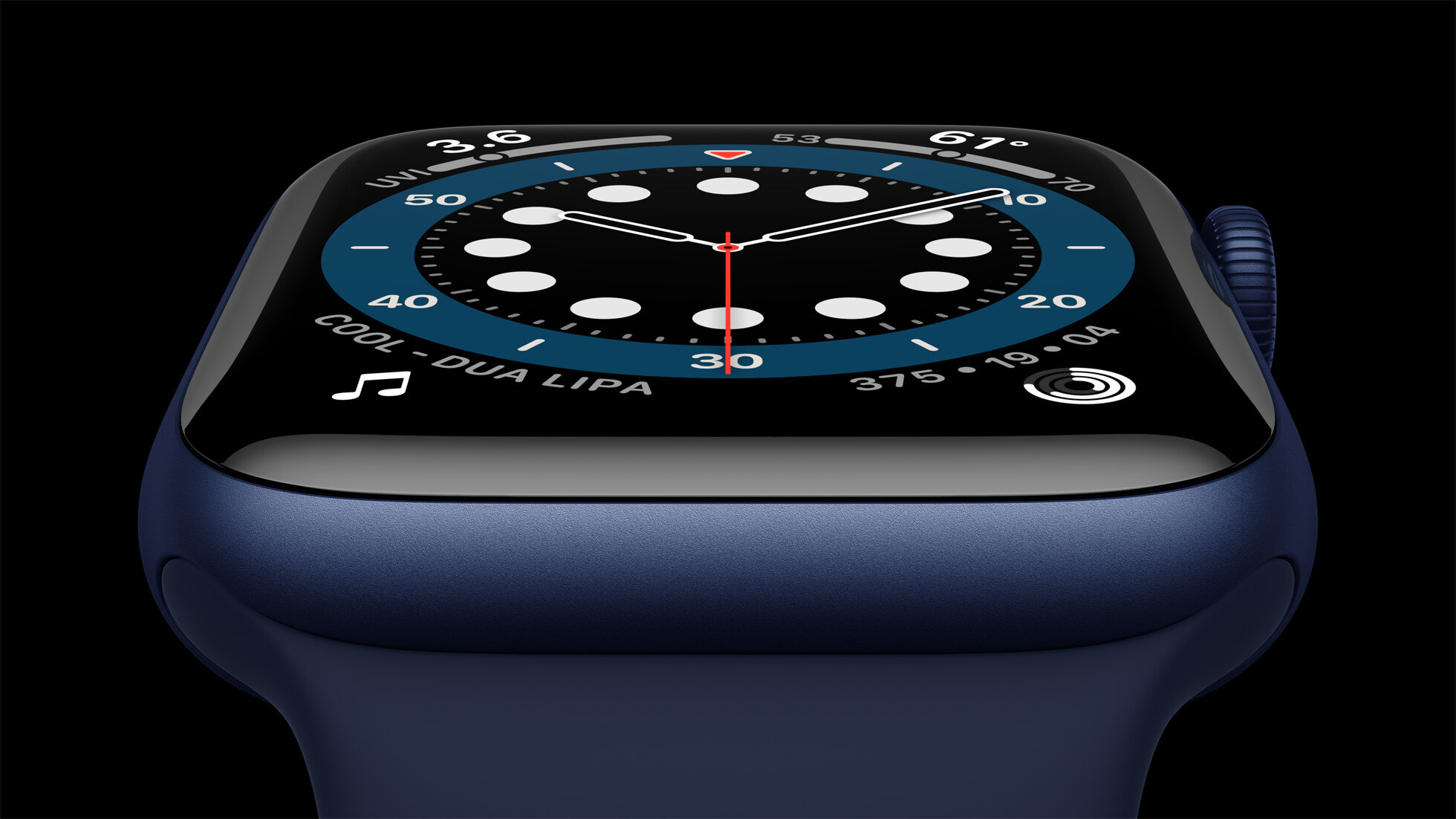
Apple_watch-series-6-Aluminum-blue-case-close-up_09152020.jpg

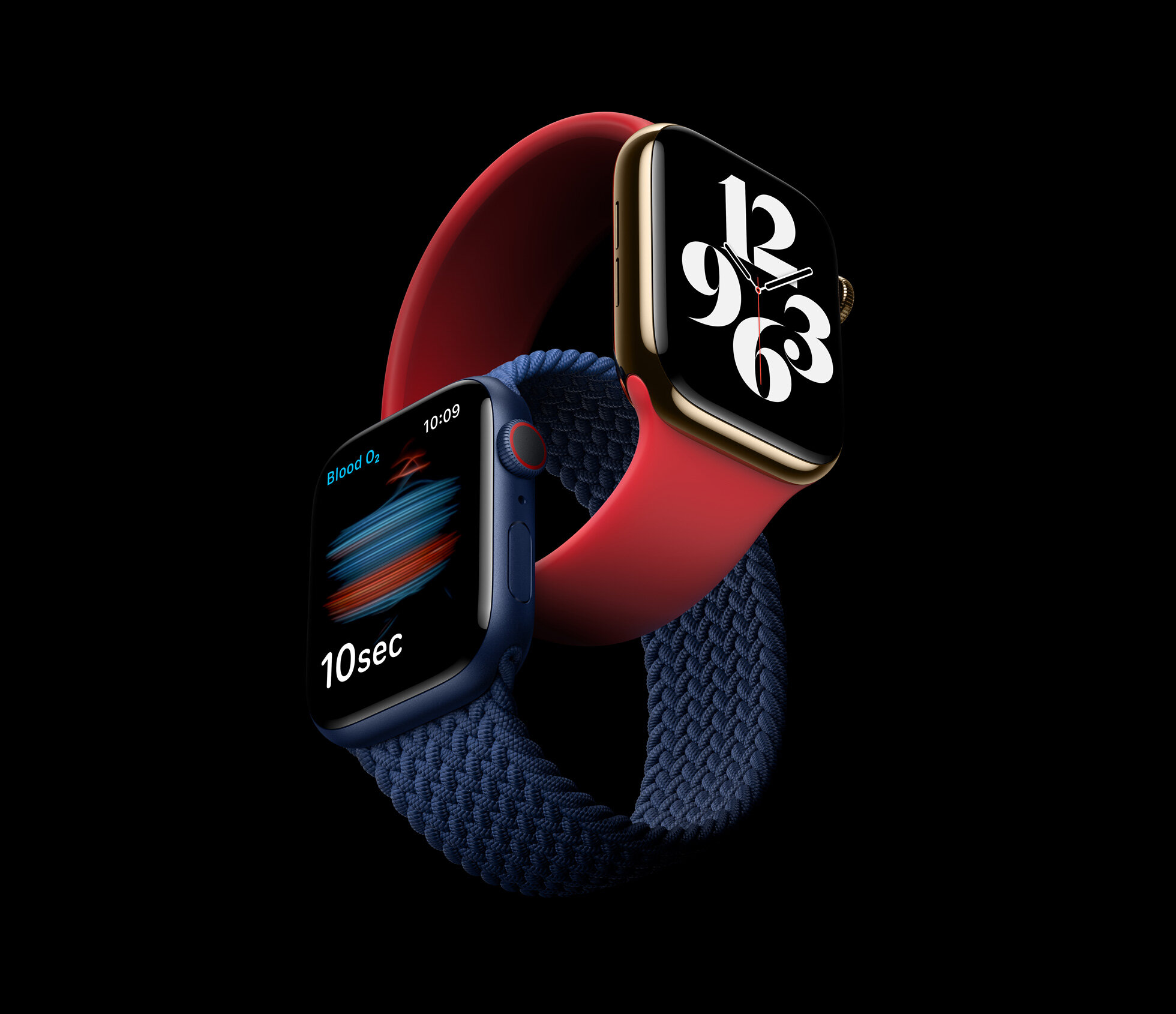
Two weeks ago, Apple announced the Apple Watch Series 6 and Apple Watch SE at their online event.

The Apple Watch Series 6 boasts a few new features over the Series 5, but it’s certainly more of a refinement than a revolution. It now includes a sensor capable of measuring blood oxygen, an always-on altimeter, a processor that’s 20% faster, and the always-on display is now 2.5x brighter while inactive outside. It also comes in a few new aluminum and stainless steel finishes, with two new styles of bands.

The Apple Watch SE is a combination of features from the Series 3, 4, 5, and 6, made to be a bit more future proof than the older models while coming in at a lower price point. There’s nothing new here, so we’re going to focus primarily on the Series 6’s new features, and then offer some comparisons at the end of the article for people considering which model they may want to upgrade to.

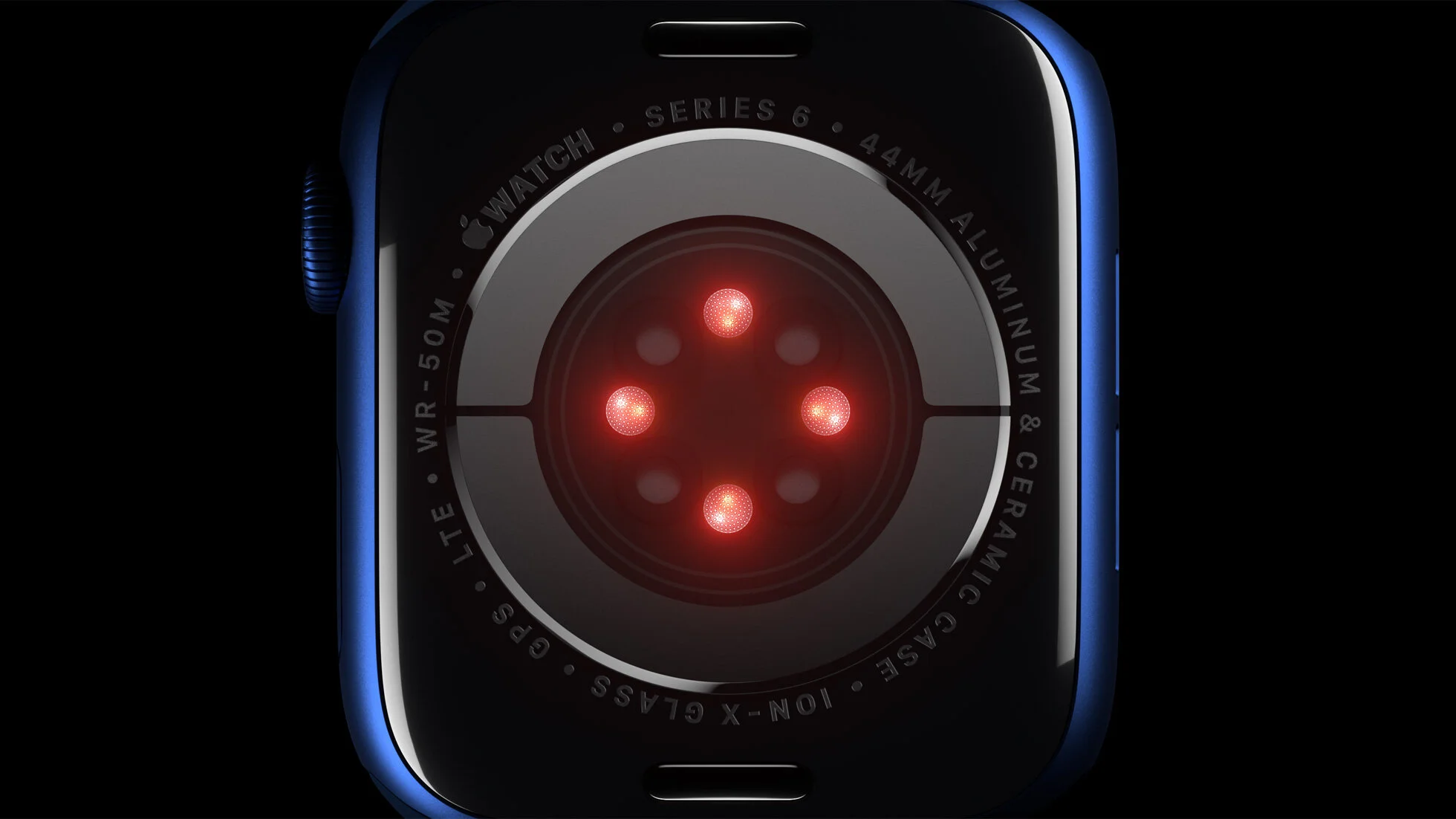
Apple_watch-series-6-sensor_09152020.jpg

The blood oxygen sensor is the most advertised new feature, but in my opinion, it doesn’t deserve to be. It’s a nice feature to have and it seems to be fairly accurate, but the sensor is quite temperamental and doesn’t always produce a reading if your wrist isn’t perfectly flat and still. Even if the sensor was a lot more capable, it still just doesn’t have a lot of utility. More data is always better than less, and I’m sure it will be used more frequently than the ECG sensor (mostly because it only takes half the time and it’s something the watch can do on its own throughout the day without user initiation), but I still can’t imagine that it will be used except by people experiencing medical emergencies, or perhaps very serious athletes. I’m sure it’s for legal reasons, bit it’s important to note that Apple includes a disclaimer in the blood oxygen app that the pulse oximetry readings it provides are not intended for medical use, which raises the question of what they actually are intended for.

The story on the display is short: the display is noticeably brighter while your wrist is down. It’s nice.

The altimeter is a nice feature to have and it seems to be fairly accurate, and I’m excited to toy around with it on a hike. I imagine it will make the “flights climbed” metric in the Activity app a bit more precise.

Apple claims the S6 chip is 20% faster than the S5 (which was exactly the same as the two year old S4), and I beliebe them, but 20% honestly isn’t enough of an improvement to be noticeable. It’ll just make this watch a little more future proof.

My overall experience with this watch has not been terrific. WatchOS is a fairly simple operating system (relative to iOS), and I’ve never had problems with it being buggy or feeling undercooked in the past, but that’s a big issue with this one. In the first two days I had to power cycle it four or five times to resolve various bugs. I encountered an issue during setup where 90% of the usual complications available to you when creating a new watch face simply weren’t available. At seemingly random times, it becomes impossible to access Notification Center and Control Center. 

Another thing I don’t like about this watch (well, less about this watch and more any watch running WatchOS 7) is the lack of Force Touch. For some reason — I presume to be more consistent with the current iPhone models — Apple has removed the watch’s ability to detect a more forceful press on the display as opposed to regular taps. The feature on the iPhone was called 3D Touch, but it was the same thing, just less widely implemented and not as necessary to operating the device. They finally got rid of 3D Touch on all the new iPhone models last year, and now with WatchOS 7, they’ve taken the ability to use Force Touch away from every Apple Watch. The new watch models don’t have the hardware necessary to detect those more forceful presses, so it’s clear that it isn’t coming back. I’m personally quite upset by this. Force touch was an integral part of the watch experience from day one, and it added a lot of convenience and depth to an operating system that was hugely restricted by a tiny display, effectively doubling the number of controls that could be accessed from any given screen. Now, if you want to end navigation directions, you have to tap a back arrow several times and find a new “end” button that’s difficult to locate, as opposed to force touching one time and then tapping the “end” button. If you want to clear all the notifications in Notification Center, you now have to scroll all the way to the top and tap an ugly button that says “clear all” rather than force touching to be presented with that button. Changing watch faces now takes a few extra seconds, because you have to long press on the face to enter the editing mode, and then again to get out of it. It’s a markedly worse user experience.


If you’re wondering whether it’s worth your money to upgrade, the factors to consider are: 

  1. Which model do you have now?

  2. How much do the Series 6 specific features appeal to you?

If you have a Series 4 or Series 5 and the always-on display, always-on altimeter, and blood oxygen sensor aren’t of critical importance to you, then the Series 6 is only a modest upgrade, and the SE wouldn’t really be an upgrade at all, so you can feel good about holding on to your watch for another year.

If you have a Series 3 or older, you may want to consider upgrading, but perhaps not to the Series 6. There’s a good chance that the Apple Watch SE will be a better (and more affordable) fit for you if the display isn’t a huge factor for you. The Apple Watch SE has the same physical design with the larger screen, and it can take advantage of all the new watch faces with richer complications. It uses the S5 chip, does NOT have an always-on display or an always-on altimeter, and it can’t take ECGs or blood oxygen measurements, but otherwise, it’s the same as the Series 6, and it costs quite a bit less. It’s also worth mentioning that for people interested in a cellular watch, you can get a cellular SE model for only a $50 up charge, as opposed to the $100 up charge for the Series 6 models.

No matter which model you currently have, if you’re hugely attracted to the always-on display, then you’ll obviously want to go for the Series 6. If the pulse oximetry capabilities or the always-on altimeter are important to you, then again, you’ll want to spring for the Series 6.

Trump’s 2016 Campaign Engaged in Racist Voter Suppression Tactics Enabled By Facebook’s Mountain of Personal Data on 200 Million American Voters

New reporting from the Channel 4 News Investigations Team:

Channel 4 News has exclusively obtained a vast cache of data used by Donald Trump’s 2016 presidential campaign on almost 200 million American voters.

It reveals that 3.5 million Black Americans were categorised by Donald Trump’s campaign as ‘Deterrence’ – voters they wanted to stay home on election day.

[…]

Vast in scale, it contains details on almost 200 million Americans, among more than 5,000 files, which together amass almost 5 terabytes of data – making it one of the biggest leaks in history.

It reveals not only the huge amounts of data held on every individual voter, but how that data was used and manipulated by models and algorithms.

[…]

In Georgia, despite Black people constituting 32% of the population, they made up 61% of the ‘Deterrence’ category. In North Carolina, Black people are 22% of the population but were 46% of ‘Deterrence’. In Wisconsin, Black people constitute just 5.4% of the population but made up 17% of ‘Deterrence’.

This is a modern example of voter suppression.

Brad Parscale, the campaign’s 2016 digital director told PBS Frontline: “I would say I’m nearly 100 percent sure we did not run any campaigns that targeted even African Americans.”

This racist piece of shit was the campaign manager, how does he not know for sure? Don’t be fooled by this “nearly 100%” bullshit, he knows they targeted black potential voters, he just doesn’t want to admit it. Why anyone would try to prevent Brad Parscale from killing himself is beyond me.

But Channel 4 News has uncovered evidence that the campaign did target Black voters with negative ads designed to crush Hillary Clinton’s turnout.These included videos featuring Hillary Clinton referring to Black youths as “super predators” which aired on television 402 times in October 2016 and received millions of views on Facebook.

This story relates directly to the Cambridge Analytica scandal, which was one of the biggest turning points for me in deciding not to vote for Trump again in 2020. It also happened to be one of the most damning revelations to come out about Facebook, and it sent them down the road of one PR disaster after the next, leading to public scrutiny and likely congressional intervention into their toxic, undemocratic business practices.

Whether President Bone Spurs himself was aware of the details or knows how targeted advertising works is irrelevant. He probably couldn’t understand it if he tried, and that doesn’t matter. I’m sure he was absolutely giddy when he found out what the crooks he employed were capable of doing with the wealth of stolen data Facebook supplied them with, even if he only had a slight grasp of how powerful that information would prove to be. Just because Trump is a babbling moron doesn’t mean the people around him are; he has authoritarian instincts, but he’s too dumb and weak to make anything happen for himself — the people around him and in his campaign are a lot more dangerous. Their whole game plan in 2016 was to use that data to target a handful of voters in just a few key counties they needed to win the electoral college, and to the nation’s election-night bewilderment, it worked.

Today, a Facebook spokesperson said: “Since 2016, elections have changed and so has Facebook – what happened with Cambridge Analytica couldn’t happen today.

Sure, let’s take their word for it.

#deletefacebook

Apple Event, September 2020

Let’s get this out of the way: several of my pre-event thoughts turned out to be pretty incorrect. But hey, the only way to be right all the time is to correct yourself when you’re wrong, so here we are. My gut feelings about how yesterdays announcements would go were, admittedly, not as accurate as some of the rumors and leaks. Now, moving forward.

Before we jump into the new products, some general thoughts:

  • They’re really killing it with the announcement videos. The production value is very high, the transitions are fun, and the videos don’t feel too long. I do miss live demos, though.

  • In hindsight, it still doesn’t feel quite right that they announced new watches without phones.

  • The lack of AirTags also makes sense. That’s another accessory that will be primarily used with the phone.

  • No phones in general at a September event just doesn’t feel right.

Apple Watch:

  • The blood oxygen saturation measuring capabilities are nice, but it seems like the type of feature that takes a lot of R&D overhead, but will be ignored by most customers. I have never once seen someone taking an ECG with their Apple Watch. I doubt very many people will check their blood oxygen saturation either, except maybe serious athletes or people experience cardiac/respiratory distress. I don’t say that to devalue the watch’s lifesaving capabilities (the stories they told were, as always, very moving), it’s just a very rare scenario and I’m not sure how lifesaving that particular capability (or the ECG function) will prove to be, especially compared to the high/low heart rate notifications.

  • The new altimeter is nice feature for hiking, and I imagine it should make the “flights climbed” metric in the activity app more accurate.

  • Making the display brighter while inactive outdoors will make for a nice upgrade to the general experience.

  • I don’t love the solo loop and braided solo loop bands. I find the multitude of sizes distressing, and I’m not sure how comfortable a non-adjustable band could really be (I don’t know about you, but my watch fits tighter or looser depending on how warm I am — whether because of the weather or physical activity — and I like being able to adjust it accordingly). Also, the braided one doesn’t look great to me, and yet it costs a hundred bucks.

  • The new colors are nice. I really like the blue and (PRODUCT) red aluminum, but the new gold and graphite stainless steel colors are nice as well. My only concern with the blue and red would be how bright the colors are and how few bands will pair nicely with them, but they’re undeniably fun.

  • The Apple Watch SE is an interesting product. I imagine it will be a popular gift for kids, now that Family Setup let’s parents give their kids a watch without giving them an iPhone first.

iPad:

  • I didn’t expect them to introduce the A14 chip without the iPhone, but they did. It seems like a solid upgrade over last year’s A13.

  • I imagine the iPad Air will be a good fit for some high school college students, now that it supports the Magic Keyboard.

  • Touch ID built into the top button is interesting. In any other year, it would seem like a weird lateral step and almost a regression to build a full screen iPad that doesn’t use Face ID, but during 2020 and with everyone (who’s not a dick) wearing masks, Touch ID is more convenient. At the end of the day, I think Apple’s motivation was probably money: I figure it would’ve been more expensive to build the iPad Air with Face ID, though, completely redesigning the Touch ID sensor to fit in the power button probably wasn’t too cheap, either.

  • The new iPad Air colors were unexpected, but I don’t hate them. I wish they were a little more vibrant, though.

  • Also: the bottom of the barrel iPad model is six times faster than the top selling Chromebook. And that’s using Apple’s A12 chip, which they built for the 2018 iPhones. Let that sink in.

Fitness+:

  • This is an interesting category of service that I wouldn’t have expected Apple to get into. There were some rumors about it and they seemed credible, but it still just didn’t make a ton of sense to me.

  • I think $10/month is too expensive, and I think it should’ve been free for a year with the purchase of a new watch, rather than free for three months.

  • I have a theory that Fitness+ is less about giving you workout videos synced with your watch, and more about giving Apple the sensor data from tons of people. They could take anonymized motion and heart rate data from a session, sync it with the workout you did, and calibrate new sensors with more specific data. Suddenly, the whole world becomes their Apple Watch health and fitness development lab.

One:

  • I think this is generally a good deal. With the individual plan, you can get Music, TV+, Arcade, and 50 gigabytes of iCloud storage (which isn’t really enough) for $15 for an individual, or it’s $20 for a family plan (and the iCloud Storage jumps up to 200 gigabytes, though I still don’t think it’s quite enough). The highest level, One Premier, includes all of the above, plus News+ and Fitness+, a respectable two terabytes of iCloud storage, and it can also be shared with your family for no additional charge.

Software Updates:

  • I’ve been using iOS 14 since the developer betas were released, and while it’s gradually gotten more stable, it still doesn’t feel ready for prime time. Another four or five weeks to iron out the kinks would’ve been good.

  • I know the developer community isn’t happy about having one day’s notice before the official release. Usually they have a week to get their apps ready.

Insincere Condolences to Tile

Well, it seems like today may well be the day that Tile dies. Apple’s AirTags have been rumored for a long time, but all signs are indicating that Apple will finally reveal them at their event today.

Apple’s AirTags will likely have a few advantages over Tile’s trackers, from a much wider audience of prospective buyers (I don’t know the makeup of Tile’s user base, but I would guess it skews strongly toward iOS users), to the increased functionality and precision added by the (all but guaranteed) inclusion of Apple’s W1 chip, and other features Tile never would’ve been able to develop properly because they didn’t have the financial bandwidth to invest in the necessary R&D. I’m no doctor, but I’ve got a feeling the announcement of AirTags will be roughly the equivalent of a stage four cancer diagnosis for Tile.

It’s kind of sad. But not really. Their trackers were never great in the first place. I had quite a few of them over the years, and even bought them as stocking stuffers for my family for Christmas one year. The experience was never as good as I wanted it to be. The batteries died after a year, they only worked about 80% of the time, and they weren’t even that accurate or helpful when they were functioning properly. Furthermore, I read Tile’s privacy policy a while ago, and immediately threw all of my still-functional tiles in the trash. Their privacy policy allows them plenty of legal latitude to collect your personal data and location data, and then funnel it back to other companies, including Facebook. The only way to limit that data sharing is to delete your account and stop using your tiles.

The Tile company saw the end coming, as evidenced by the fact that they took legal action against Apple on the grounds that the “Find My” app was anticompetitive because it came with the operating system, and they proceeded to argue on the record that it gave Apple an unfair advantage to sell their AirTags (which, mind you, at the time, and still as of 12:39, September 15, 2020, did/do not exist). They’re smart folks, but the transition to a different type of product or expansion into a niche market should’ve began long ago. Perhaps more partnerships with companies to build Tile functionality into their products directly for items like wallets or remote controls (assuming that using the functionality would be optional and the data collection could be disabled) would be a sustainable route. Hindsight is 20/20, I suppose.

But still, here’s to Tile. 🥂

You had a good run, and you’ve given the tech industry a good idea that they can now make into a successful business without relying on flagrant privacy abuses and vaguely prototypical hardware. I’m truly grateful for that, but I can’t say that I wish you any further success.

UPDATE: 9/16/20, 11:32;

Apple did not announce AirTags yesterday, so it’s time to eat my words I suppose. Tile will live another day (or month). I expect we‘ll hear about AirTags along with new iPhones whenever they’re announced, so we’ll table this article for now and revisit it in a few weeks.

Pre-Apple Event Thoughts

A lot of the rumors and leakers have been suggesting that tomorrow’s Apple event won’t feature new iPhone hardware. Allegedly, the even will focus on Apple Watch, iPad, and the long-rumored “AirTags” tracking devices. My gut instinct is that they’re nuts to say we won’t see iPhones.

My inside sources can’t confirm whether we’ll see new iPhone hardware tomorrow or not, but it’s hard for me to imagine a September Apple event with no new iPhone hardware. Of course, Apple did let us know on their earnings call a few months ago that iPhones will be a few weeks behind schedule this week, but I didn’t take that to mean that we wouldn’t still hear about them in September. After all, the iPhone X wasn’t released until November of 2017, but it was announced in September. The iPhone XR was announced in September of 2018, but didn’t ship until October of that year. It’s not unprecedented, particularly in recent years, for Apple to announce new iPhones several weeks before they’re ready to ship.

For a few reasons, an event that focuses on Watch and iPad (and AirTags) doesn’t seem to pass the sniff test for a couple reasons. First, it’s difficult for me to imagine Apple announcing new watches before new phones (especially if the rumors about a new, “midnight blue” color option for the watch are legitimate; it would give the game away for the new “midnight blue” iPhone, which was rumored long before a blue watch). Second, a whole event for Apple Watches, iPads, and AirTags would feel a bit lean to me, unless the watch gets some pretty major upgrades, which again, based on the rumors, doesn’t seem likely. Perhaps, if we truly don’t see new iPhones, we’ll see an Apple Silicon Mac or something else that will take a bit of time to introduce.

So, I’m not saying the leakers and the rumor sites are wrong, I’m just saying it’s hard for me to believe they’re right on this one.

Bonus thought: Why do we, the Apple-obsessed community, put up with John Prosser? Sure he’s had a handful of accurate leaks, but he’s certainly had his share of downright wrong calls as well (as recently as last week). And his attitude is so annoying that I’d just as soon abandon the possibility of any future, correct leaks he may share just so that I don’t have to hear the slurping noises from him trying to suck his own dick.

Apple To Invest In The Construction of Two 200-Meter-Tall Wind Turbines On Danish Coast

From the Apple Newsroom:

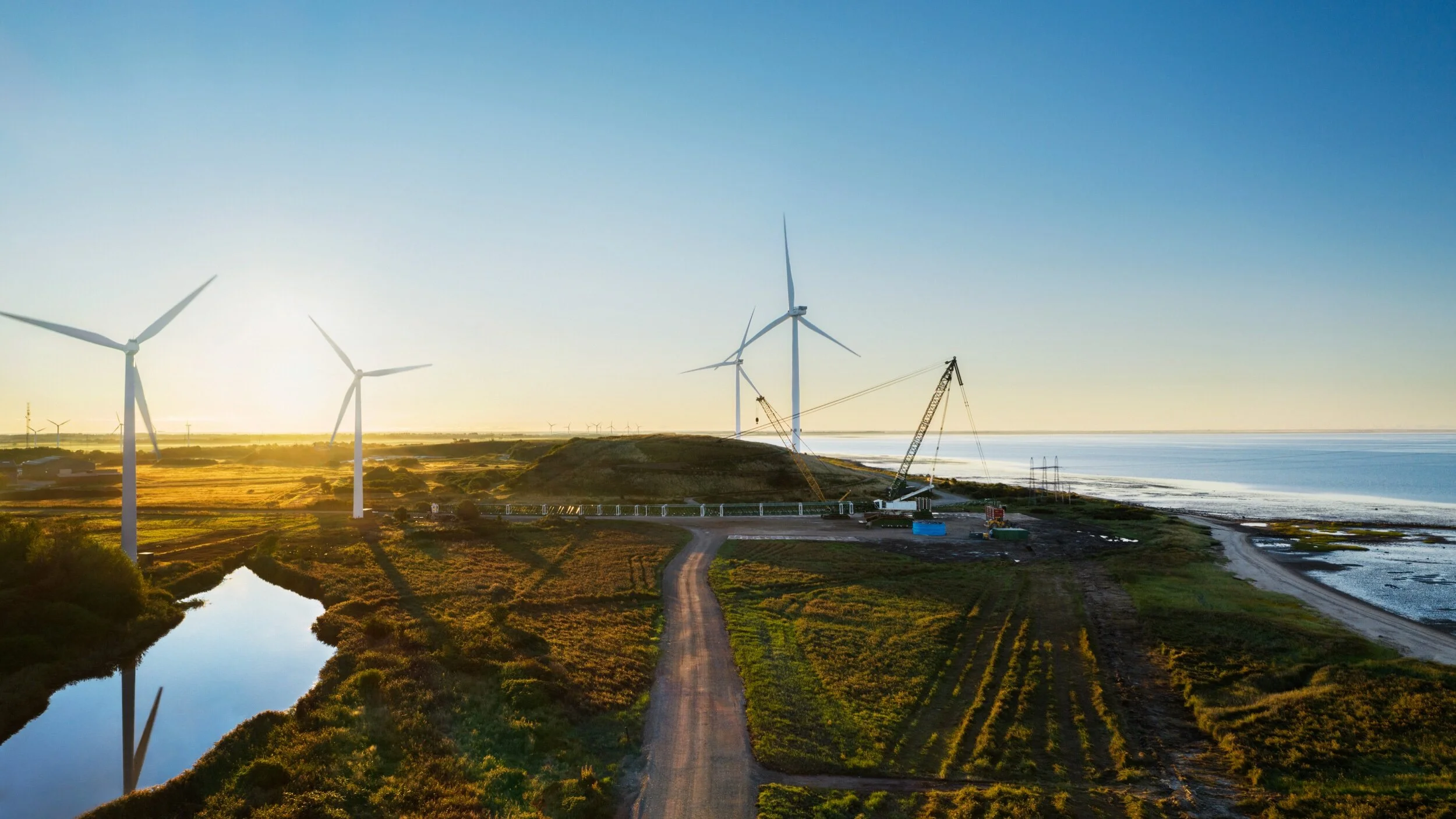
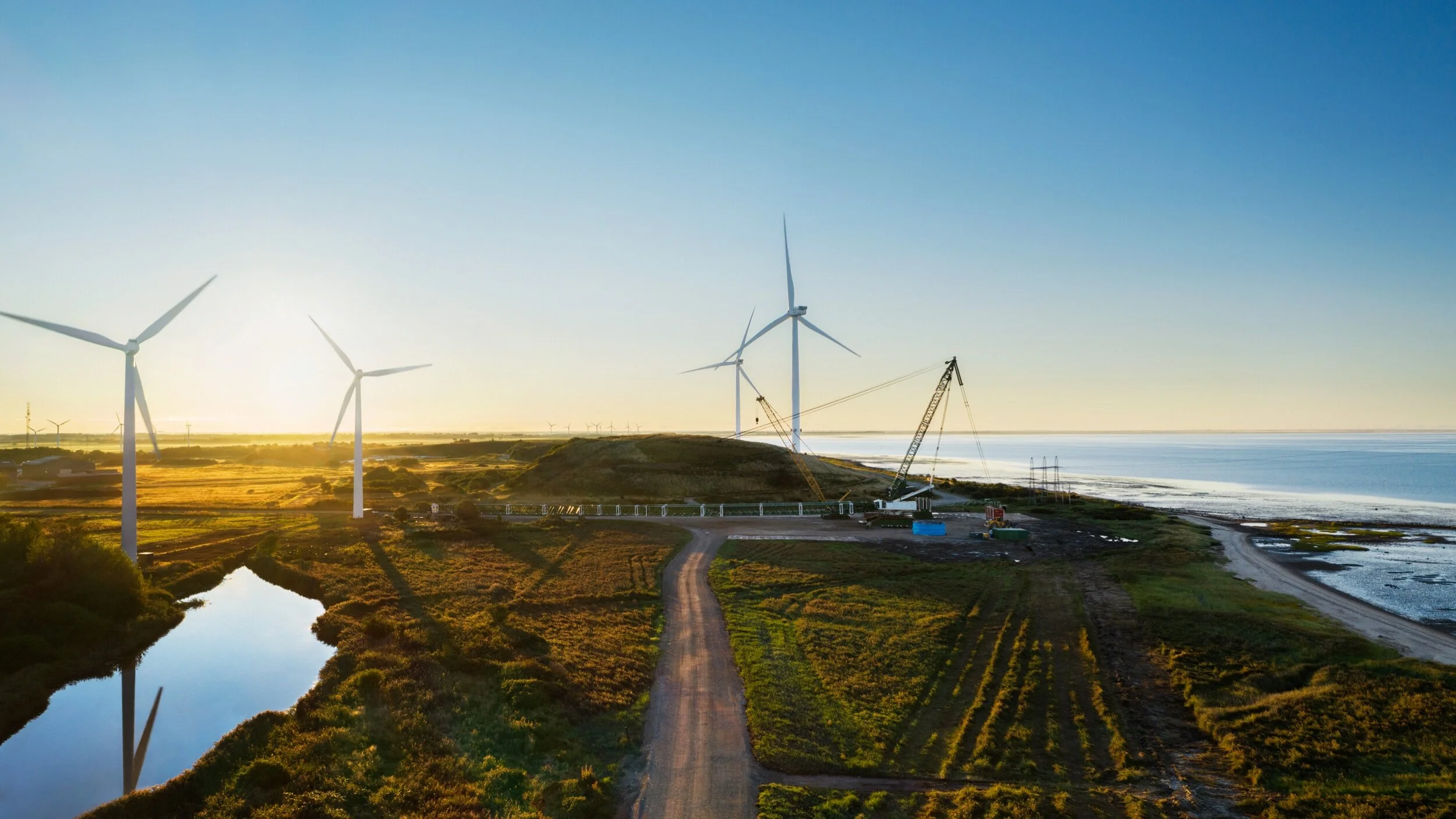
Today Apple announced it will invest in the construction of two of the world’s largest onshore wind turbines, a source of clean, renewable energy that will bring its supply chain and products one step closer to carbon neutrality. Located near the Danish town of Esbjerg, the 200-meter-tall turbines are expected to produce 62 gigawatt hours each year — enough to power almost 20,000 homes — and will act as a test site for powerful offshore wind turbines. The power produced at Esbjerg will support Apple’s data center in Viborg, with all surplus energy going into the Danish grid.

IMG_4471.jpeg

These wind turbines are sleek.

Also, 20,000 homes! From just two wind turbines! Anyone who says renewable energy isn’t practical because it’s inefficient is ill informed. Don’t buy into the lies that the fossil fuel lobbyists pay their congressional Republican lapdogs to feed to you.

The Top Secret iPod

A fascinating story from David Shayer, writing for TidBITS:

“I have a special assignment for you. Your boss doesn’t know about it. You’ll help two engineers from the US Department of Energy build a special iPod. Report only to me.” […]

They didn’t actually work for the Department of Energy; they worked for a division of Bechtel, a large US defense contractor to the Department of Energy. They wanted to add some custom hardware to an iPod and record data from this custom hardware to the iPod’s disk in a way that couldn’t be easily detected. But it still had to look and work like a normal iPod. […]

We discussed the best way to hide the data they recorded. As a disk engineer, I suggested they make another partition on the disk to store their data. That way, even if someone plugged the modified iPod into a Mac or PC, iTunes would treat it as a normal iPod, and it would look like a normal iPod in the Mac Finder or Windows Explorer. They liked that, and a hidden partition it was.

Next, they wanted a simple way to start and stop recording. We picked the deepest preferences menu path and added an innocuous-sounding menu to the end. I helped them hook this up inside the code, which was rather non-obvious. In all other respects, the device functioned as a normal iPod. […]

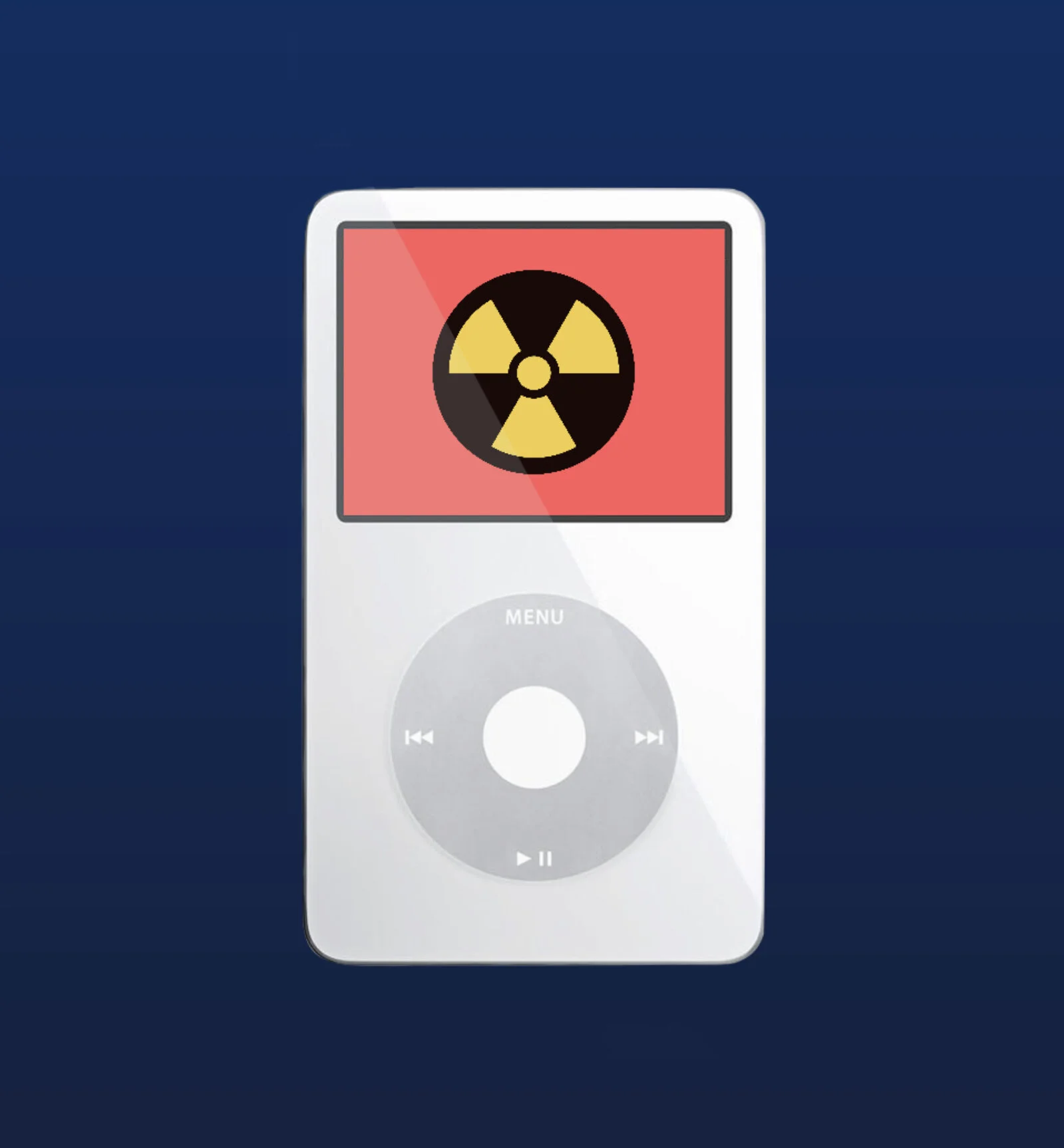
My guess is that Paul and Matthew were building something like a stealth Geiger counter. Something that DOE agents could use without furtively hiding it. Something that looked innocuous, that played music, and functioned exactly like a normal iPod. You could walk around a city, casually listening to your tunes, while recording evidence of radioactivity—scanning for smuggled or stolen uranium, for instance, or evidence of a dirty bomb development program—with no chance that the press or public would get wind of what was happening.

Wow, what a story. It’s a commentary on the cultural ubiquitousness of the iPod in the 2000s, and an intriguing reminder that the secretive exploits of the U.S. government were not limited to the cold war. It reminds me of this clever image from the HBOMAX listing of CNN’s docuseries, “The 2000s”.

Samsung Pay Card

Hartley Charlton, writing for MacRumors:

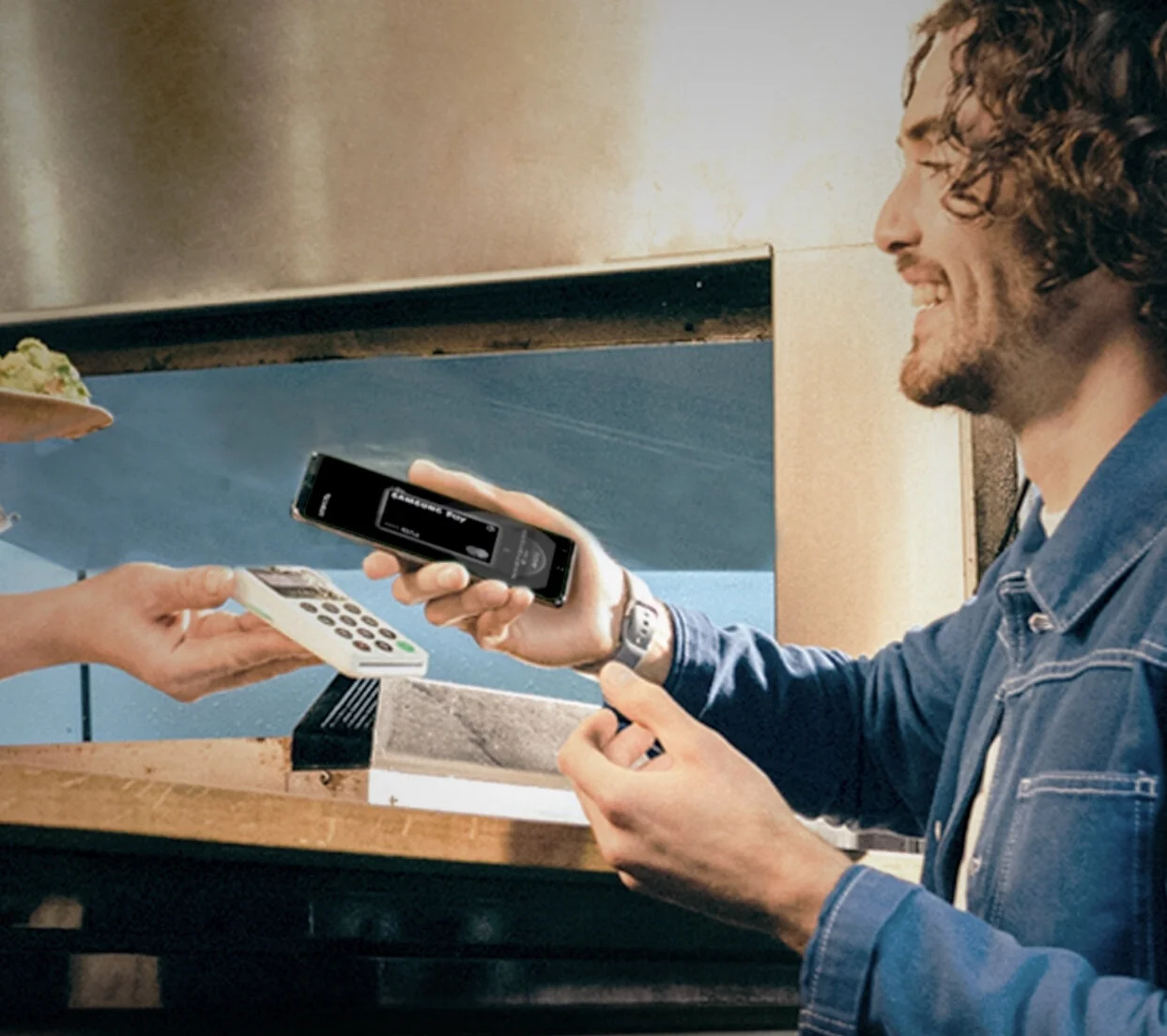
"Now, more than ever, people need a secure payment solution they can rely on. We're excited to be able to put the control back into our customers' hands, by launching Samsung Pay Card” […]

Samsung Pay Card offers five percent cashback on purchases from Samsung, and one percent cashback at other retailers. […]

Unlike ‌Apple Card‌, Samsung Pay Card does not offer a physical card. It is a purely digital service available via NFC on Samsung smartphones and smartwatches.

I think we’re past the point of nitpicking over which device or OS had a particular feature first and who copied it — smartphones have matured to the point where virtually any new idea is bound to be iterated upon by a competitor — but credit cards don’t really have anything to do with smartphones.

To me, Apple Card didn’t even seem like a very strong product, and the credit card market didn’t seem like a space that a company like Apple would want to be in. The fact that Samsung (and Verizon, for what it’s worth) has now blindly followed Apple into that thicket a year later is just another indicator that they’ll never be anything more than shameless copycats who happen to have a side gig making household appliances.

Side note: “Samsung Pay Card” is a clunky, unattractive name that sounds like it was poorly translated from another language, and the design of the card itself looks like something you’d apply for in a Best Buy.

Instagram Is Illegally Collecting, Storing, and Profiting from Users' Biometric Data

Robert Burnson, reporting for Bloomberg*:

In the new lawsuit, filed Monday in state court in Redwood City, California, the company is accused of collecting, storing and profiting from the biometric data of more than 100 million Instagram users, without their knowledge or consent.

The practice violates an Illinois privacy law that bars the unauthorized collection of biometric data, according to the lawsuit. Under the law a company can be forced to pay $1,000 per violation -- or $5,000 if it’s found to have acted recklessly or intentionally.

Everything Facebook does is either reckless or underhanded. The company is defined by their old motto of “move fast and break things”.

The system needs to come down hard on Facebook. Clearly, they don’t care about legal slaps on the wrist: what they need is a hard, legal kick in the balls that causes them to double over in pain and take a beat to catch their breath. Prosecutors need to not back down and accept a measly settlement, they need to pursue every dime they can in the hopes that they get enough to teach Facebook a real lesson, and if it financially levels them and drives the whole operation into the ground, so be it. All of Facebook’s products are doing more harm than good at this point, anyway.

#deletefacebook

*Quick note to remind readers that last year, Bloomberg was the publication that put out “The Big Hack”, a sensational piece by Jordan Robertson and Michael Riley which claimed that many American companies, including Apple and Amazon, were having data siphoned from their servers by a tiny, Chinese military unit designed chip which had made its way onto their motherboards during production in Chinese factories without the companies’ knowledge. All parties involved denied the claims made by the Bloomberg reporters after conducting internal investigations which yielded no evidence that such tampering had occurred. Bloomberg has offered no evidence to corroborate their “reporting”. By all accounts, it seems like The Big Hack was a big farce. Until Bloomberg retracts the story or corroborates it, their institutional credibility must be questioned.

Apple Versus Prepear

Gary NG, reporting for iPhone in Canada:

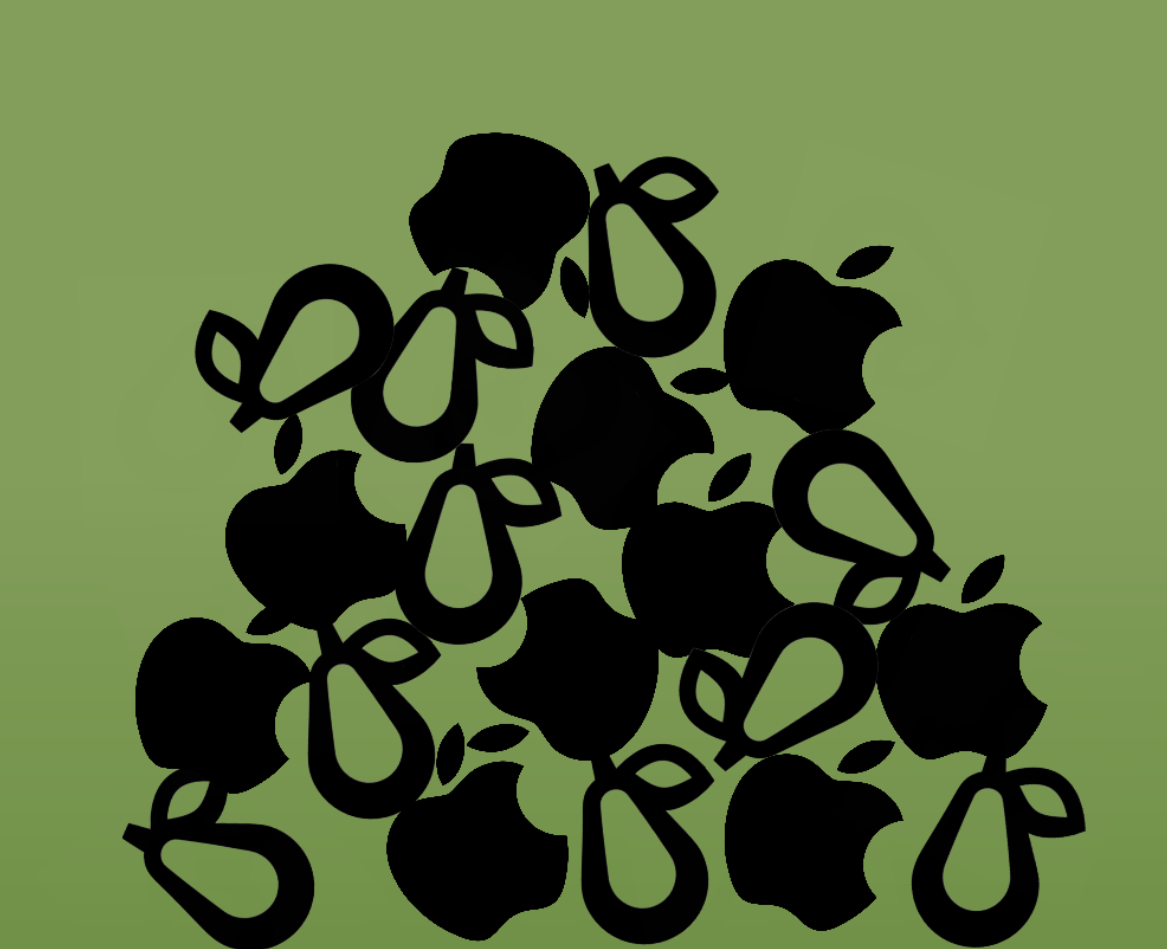
According to the founders [of Prepear], Apple “has opposed the trademark application for our small business, Prepear, demanding that we change our obviously pear shaped logo, used to represent our brand in the recipe management and meal planning business.” […]

Prepear says they are a small company with only five staff and legal costs have already cost them “many thousands of dollars” plus laying off one team member, in their legal fight against the iPhone maker.

From Apple’s notice of opposition to Prepear:

The Consumers encountering Applicant’s Mark are likely to associate the mark with Apple. Applicant’s Mark consists of a minimalistic fruit design with a right-angled leaf, which readily calls to mind Apple’s famous Apple Logo and creates a similar commercial impression

I’m usually inclined to defend Apple but this is a real stretch. Are all other potential minimalistic fruit designs completely off the table now? Would a left-angled leaf have made it better? It just seems like Apple is throwing their weight around here for no real benefit and to the detriment of real people. It’s disappointing.

Google Discontinues Their Current Flagship Android Phone, Pixel 4

Sam Byford, reporting for The Verge:

Google has discontinued the Pixel 4 and Pixel 4 XL, its flagship phones that were released in October of last year. Both devices are out of stock in Google’s store in the US, though some variants are still available in other regions for the time being. […]

It’s unusual for Google to discontinue a Pixel phone so quickly. The Pixels 2 and 3 were on sale for around 18 months each, with Google stopping sales roughly six months after the introduction of their successors. The move means Google technically no longer has a flagship phone for sale.

Wow. Hard to imagine Apple pulling the plug on a current flagship iPhone before releasing the next one.

Tick Tock, TikTok

Russel Brandom, reporting for The Verge:

 President Trump has signed a new executive order which will block all transactions with Bytedance, TikTok’s parent corporation, in an effort to “address the national emergency with respect to the information and communication technology supply chain.” It isn’t effectively immediately, but has a 45 day deadline.

“The spread [of apps controlled by the Chinese government] continues to threaten the national security, foreign policy, and economy of the United States,” the order reads. “The United States must take aggressive action against the owners of TikTok to protect our national security.”

Did Trump make this decision because his understands that TikTok is a national security threat? No. He made this decision because he’s a small person: he’d probably never even heard of TikTok before a bunch of teenagers hurt his feelings by using it to screw up his rally by bloating the number of expected attendees by requesting tickets despite not intending to attend.

But, would the U.S. better off without TikTok? Yes, we would. And 45 days isn’t a ton of time to arrange an international business acquisition.

Instagram Blames Bug After Being Outed for Suspiciously Accessing Camera By iOS 14 Camera Indicator

Kim Lyons, reporting for The Verge:

In the latest instance of iOS 14’s beta mode tattling on unexpected app behavior, some users reported that they were seeing the green “camera on” indicator while using Instagram when they were just scrolling through their feeds, not taking a photo or video. 

An Instagram spokesperson said in an email to The Verge that the behavior was a bug and that it’s being fixed.

A bug. Sure.

Don’t forget that Instagram’s privacy policy (which is exactly the same as Facebook’s) provides them with the legal leeway to access your camera at virtually any time, and then do whatever they want with whatever they may happen to see. Convenient.

#deletefacebook

PSA: Get To Know FaceTime's Cool Little Brother, FaceTime Audio

Everyone with an iPhone has used FaceTime to make a video call, but few people know much about FaceTime’s little brother, FaceTime Audio. While it doesn’t sound like anything special, it actually has some pretty significant benefits that you should take advantage of every time you can.

FaceTime Audio is essentially an alternative to the traditional phone call. It’s voice only, (no video) so a lot of people assume it’s no different than calling someone using their phone number, but that’s not true at all. FaceTime Audio has a couple big perks over traditional phone calls.

One benefit is that FaceTime Audio calls are made over the internet, rather than using the standard, old school technology that cell phone carriers use when you make a traditional call. Because they use VoIP (Voice over Internet Protocol), if you have a strong internet connection (whether via wifi or your carrier’s LTE towers), your calls will likely sound clearer than if you’d make a traditional call. It also means that you don’t need a cell phone plan to make a FaceTime Audio call if you have wifi.

Another big benefit is that nobody can listen in on calls you make using FaceTime Audio. When you make a standard phone call, your carrier and the government has tools that allows them to eavesdrop on your call (thanks to the Patriot Act). Fortunately for us, Apple decided to protect FaceTime Audio using end-to-end encryption, which means that there’s no way for someone who isn’t directly included on the call to decrypt its contents. When we say no one, we mean no one — not your carrier, not the government, not Anonymous, not even Apple. It’s as secure as it gets.

IMG_3577.jpeg

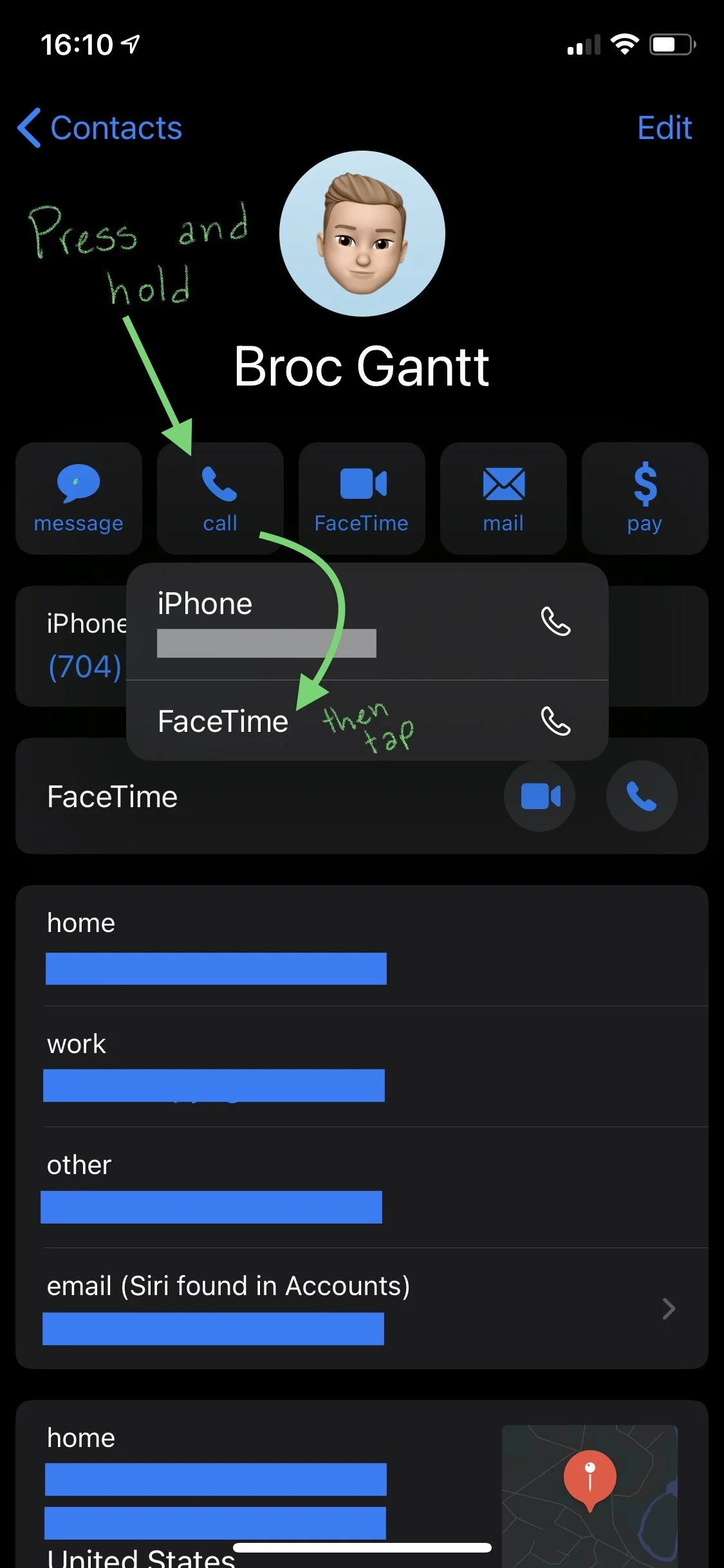
To make a phone call using FaceTime Audio, you have a few options. You can initiate the call by just asking Siri to “make a FaceTime Audio call to [person you want to call]”, or you can start it via either the Contacts, Phone, or Messages apps by tapping and holding on the phone button by a person’s name to see a list of call options, and then choosing “FaceTime Audio”. And that’s it. Pretty simple.

Voila! Go forth, and insist that all your friends use FaceTime Audio so as to never have to talk to you on an unprotected, fuzzy sounding, old school phone call ever again.

The Senate Attack On Encryption

If you’d asked me a few days ago to produce a list of my ten most despised senators, it would’ve included the likes of Richard Burr, Mitch McConnell, Lindsey Graham, Thom Tillis, Marsha Blackburn, Tom Cotton, and Ted Cruz (’ll freely acknowledge the pattern here: they’re all members of the same group, senators who make bad faith arguments to defend the status quo).

Yesterday, three of them teamed up to give me yet another reason to hate them, and this time, it wasn’t over their support for racist, homophobic, xenophobic policies, but rather a technology issue.

A little bit of important context: the FBI and Apple got into a big showdown several years ago. The FBI asked Apple to unlock an iPhone that had belonged to the San Bernardino mass shooter, and Apple refused. They said no because iPhones use such a strong form of encryption that the only way technically possible for Apple to have unlocked it would have required them to write an altered version of iOS that they could put on this phone to bypass the passcode. Because that altered version of iOS could then be installed on any iPhone, it would have effectively created a backdoor into EVERY iPhone (Apple CEO Tim Cook described this hypothetical, altered version of iOS as “the software equivalent of cancer”). Apple was right to refuse the FBI’s request to create that altered version of iOS, and after several months, the FBI backed down.

Marsha Blackburn, Tom Cotton, and Lindsey Graham proposed legislation that would outlaw what’s know as “end-to-end” encryption. End-to-end encryption is used by Apple to encrypt iMessages, FaceTime calls, and other important data, but it’s also used by just about every other company and industry on planet earth. It’s used to protect sensitive financial information, patient health records, government documents; basically, everything that needs to stay truly private and secure is protected by the type of encryption these senators are seeking to outlaw. The reason for that is because data that is end-to-end encrypted can only be accessed by the individuals on either end of a line of communication, and no companies or governments have backdoors to access your information. Not everything needs that strong level of encryption, but a lot of things do. These senators want to take away your ability to truly protect your digital data and keep your information and communications private. If an altered version of iOS is the software equivalent of cancer, banning end-to-end encryption is the digital equivalent of demanding that people leave their front doors ajar 24/7.

Two talking points in particular come up every time this conversation gets started, and it’s important to address them head on. One of those issues is child pornography. Nobody is arguing that we shouldn’t prosecute people who abuse children; that isn’t what this is about. The other issue I’d terrorism. They say that by allowing people to encrypt their data in a way that is completely secure, you’re enabling terrorists a safe haven to plot attacks against America. Frankly, these are both tired tropes. They’re bad faith arguments peddled by people who favor less privacy and more invasive government surveillance capabilities, because while “we need to do this to stop terrorists and child abusers” sounds great on its face and will quickly garner public support, it doesn’t do as well when you explain to people what the real trade off is and how it significantly weakens their own privacy and safety. It’s unreasonable and unfair to suggest that because a small number of criminals could find ways to use end-to-end encryption to facilitate illegal activities, that the rest of us shouldn’t have access to it as a means to protect our most sensitive data from bad actors and prying government eyes. We will all be subject to a lot more abuse and attacks if we fling open the gates that protect our most sensitive data.

Also of note: the three senators pushing this legislation are all Republicans, but if there’s a political angle here, I’m missing it. I don’t see how this is a Republican issue at all; conservatives are usually the ones fighting for more restricted government, not a complete shredding of civil liberty. The only thing I can think is that maybe the republicans think this will help them with their base by showing that they’re trying to expand the capabilities of police to prosecute crime. As I mentioned before, that doesn’t really add up because if we allow end-to-end encryption to be allowed, the detrimental effects to law abiding citizens would far outweigh any positive impact on law enforcement’s ability to stop crime.

If this bill becomes law, it will be much worse than the Patriot Act. We’ll find ourselves a lot like the Chinese, living in a surveillance state where the government has unchecked ability to spy on its citizens. Contact your representatives and voice your opposition to this proposal.

PSA: Sign In With Apple

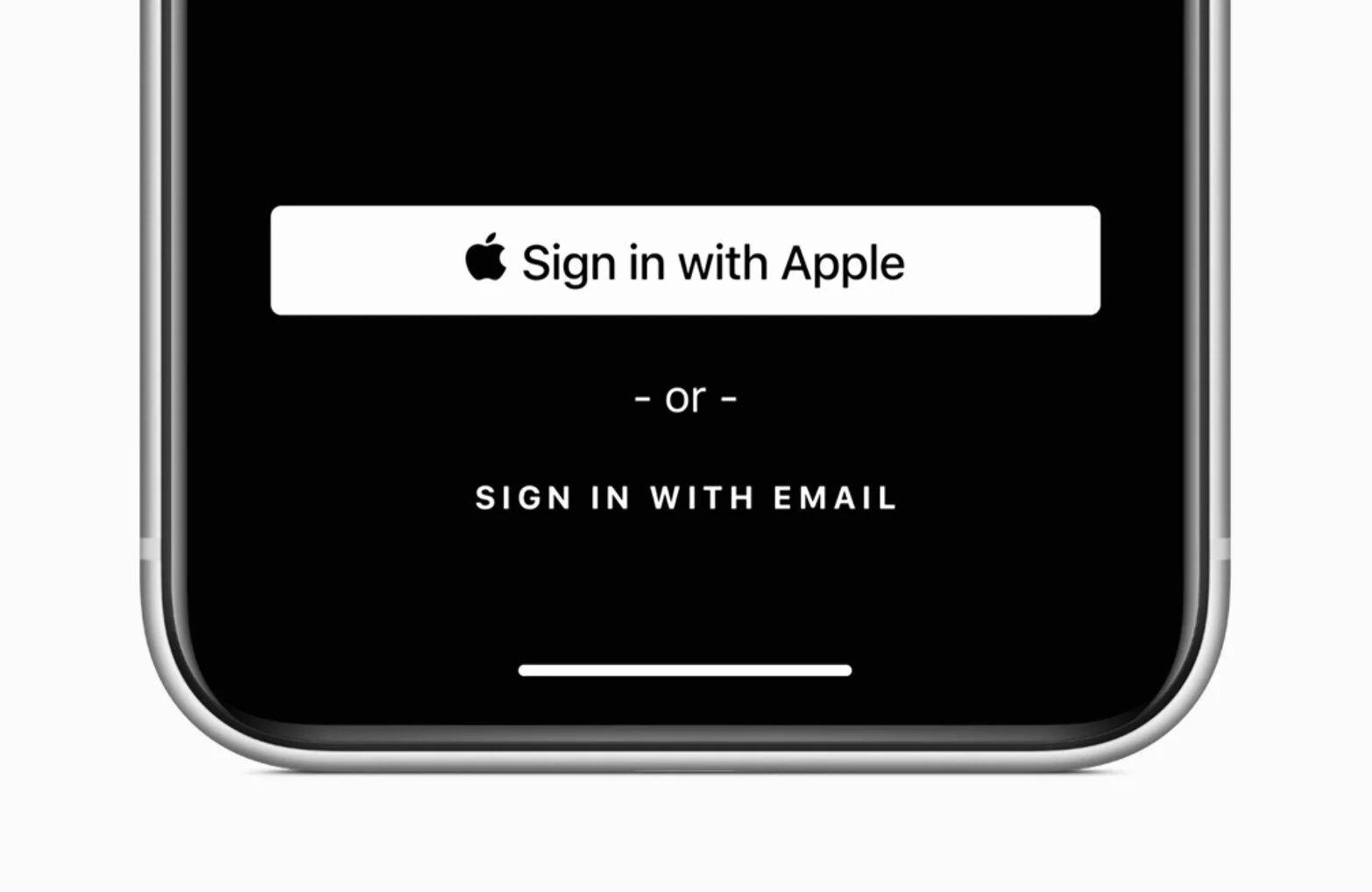
As of today, many apps that are submitted for approval to be distributed through Apple’s App Store are required to support a new feature called Sign In With Apple. This is great news for you!

If you’re not familiar, Sign In With Apple is an excellent, user focused feature designed to make it easier to sign in to apps while protecting your privacy. Put simply, it’s a button that will allow you to quickly sign up for/sign in to apps with just a few taps, without having to remember a password or fill out long forms. It gives the application a very limited amount of information about you, including only a name (which you can change if you like) and an email address (which you can opt to disguise in case might later want to be able to easily revoke the app’s ability to email you).

As mentioned above, starting today, all apps that support other third party log in buttons — like the Facebook and Google sign in buttons — are now required to support Sign In With Apple as well, guaranteeing that users have a more private and secure alternative that affords them the same level of convenience. As it stands, Facebook and Google’s buttons are harmful because they set up a link between the tech giants and the app or website you’re using them to sign in to, creating a tunnel for an unfettered flow of your personal information between those entities and the apps, which can be used for targeted advertising and other user hostile practices.

If you have an Apple product*, I would strongly encourage you to start using Sign In With Apple. Not only is it safer and more private than the other third party sign in buttons, but it’s faster too, because you authenticate with Touch ID or Face ID rather than having to type in your Facebook or Google password with their respective sign in buttons.

If you ever need to manage the apps that you let use Sign In With Apple, you can do so on an iPhone or iPad by going to Settings → (Your Name) → Password & Security. You can also do this on a Mac under System Preferences → Apple ID → Password & Security, or on the Apple ID website.

*Note: if you haven’t already, you must first enable two-factor authentication to use Sign In With Apple. To do so on a iPhone or iPad, go to Settings → (Your Name) → Password & Security.

WWDC 2020: Thoughts

As we did last year, we’ll cover this up by platform/topic:

tvOS:

  • They didn’t really say much about tvOS itself., but they did show off some cool new home features that work with Apple TV.

watchOS:

  • The sleep tracking features look pretty nice (thought a bit overdue). You have to manually enable sleep mode every night, so that’s a bummer. Hopefully it’ll gain the ability to detect when you’re sleeping even if you forget.

  • The new chronograph face is slick.

  • For some reason, they removed Force Touch.

iOS:

  •  The new home screen widgets and app library are all that I’d hoped for. I’m very excited for these changed, and they’ve breathed new life into my iPhone.

  • The translate app is really neat, I just wish it supported more languages. I’m curious how well it could possibly work, given the shitty state of dictation and Siri.

  • The Back Tap Accessibility feature is great.

  • I’m very happy that the Siri UI is now less obtrusive. It makes using Siri feel better, even if she hasn’t improved in regards to speech recognition or intelligence.

  • Incoming calls no longer hijack the entire screen. 🙌🏼

  • The updates for the Messages app will be very nice once everyone’s upgraded. The ability to pin conversations is great, and the new controls and features within group messages will be great (name tagging and in line message threads!).

  • We did get some good privacy features. The privacy cards in the App Store will be great, if people actually look at them (I know I will). It’s also really cool that you can now share a general location with an app rather than your precise location. I’m glad you can now restrict which specific photos in your photo library you give apps access to, rather than all or nothing.

  • The Music app did get a refresh, but I’m not actually sure that it’s better. The library screen is unchanged.

  • The Weather app now incorporates features from Dark Sky, a third party weather app that Apple acquired months ago. They’re using Dark Sky’s minute by minute precipitation predictions, and I’m hoping they incorporate precipitation notifications as well.

  • No lockable photo album.

  • No improvements to Siri’s speech recognition or intelligence.

  • No updated Cash card.

iPadOS:

  • The handwriting recognition is cool, and in my experience so far, it works very well.

  • The lack of widget options on the iPad home screen is surprising and a little disappointing.

macOS:

  • It’s nice that a lot of the iOS messages features are making their way to the Mac after several years.

  • I’m glad control center is finally making an appearance.

  • Is it just me, or do the redesigned buttons and apps look a lot more finger-friendly? It’s also interesting that most of the screenshots on the macOS Big Sur preview site lack cursors, except for two: in one of those it’s a standard arrow pointer, in the other, it’s a large translucent circle similar to the new iPadOS cursor. I’m not suggesting that they’re merging the platforms, but Apple recently realized that adding cursor support for the iPad didn’t take away from its standing as a touch-first device. I think they’re realizing that the opposite is true for the Mac: adding touch support doesn’t change the device’s nature, it just adds a bit of usability that’s really nice for some use cases.

  Apple Silicon:

  • Apple announced that they’re going to start building their own processors for the Mac rather than using Intel processors. Apple’s A12Z chip used in the new iPad Pro (which is nearly identical to the two year old A12X) was able to run macOS and do some really heavy duty lifting without breaking a sweat. Just imagine what a custom Apple chip designed to run macOS will be able to do.

Privacy

  • Safari tracking reports are very handy. The number of trackers that Safari has been able to identify and block in the two days I’ve been using iOS 14/iPadOS 14/macOS Big Sur are staggering. I hope people will look at these reports and question the long list of companies who are trying to follow them around the internet. (A quick example from my report: Safari blocked 44 trackers from Olive Garden’s website.)

  • When an app wants to access your Local Network to find out what other devices are around you, a permission request will now pop up. Apps can use that information to learn the IP addresses of the devices (other phones, computers, TVs, routers, etc.) that belong to you and others you interact with so that they can send frighteningly specific targeted ads to those devices. There’s almost no reason to grant this permission: unless the app asking for it is an app that facilitates setup of other internet connected devices (like smart light bulbs, for example), you should say no. Amazon? No. Instagram? Nope. YouTube? Definitely not. Facebook? Hell no. Get in the habit of smashing that “don’t allow” button.

  • Now, when an app accesses your clipboard, a little message pops up at the top to let you know. At first this seemed unnecessary to me, but the feature quickly outed TikTok for snooping on users (we’ve known that TikTok is a Chinese surveillance instrument — even the Navy and Army have banned the use of TikTok — I don’t know why anyone trusts them) by constantly checking to see what they had in their clipboard, regardless of whether they copied it from the TikTok app or not. They claimed it was to prevent spam (haha), and immediately disabled that function.

  • Small dots now show up at the top of the screen to indicate when the microphone (orange dot) and camera (green dot) are being accessed. In time, I’m sure this will out a few apps, as well.

I’m very excited after this WWDC. I know I said I wasn’t particularly hyped up, but man, Apple didn’t disappoint this year. I can’t wait for more people to get their hands on the updates they announced; I’m having a ball with them.