Posts in Societal Things
Wall Street Bullish On Biden

Ella Koeze, reporting for The New York Times:

Stocks on Wall Street climbed for a second day on Tuesday, buoyed by news that President-elect Joseph R. Biden Jr. had chosen a former Federal Reserve chair, Janet L. Yellen, to be the next Treasury secretary, and as the Trump administration’s efforts to contest the election were further diminished as several key states certified Mr. Biden’s victory.

The S&P 500 rose about 1.4 percent, and by late morning was trading above its most recent closing record of 3,626.91, reached on Nov. 16. The Dow Jones industrial average rose to a new high, crossing above the 30,000 mark for the first time.

I guess all these Wall Street investors don’t realize that Joe Biden is going to drive the economy into the ground. 🙄

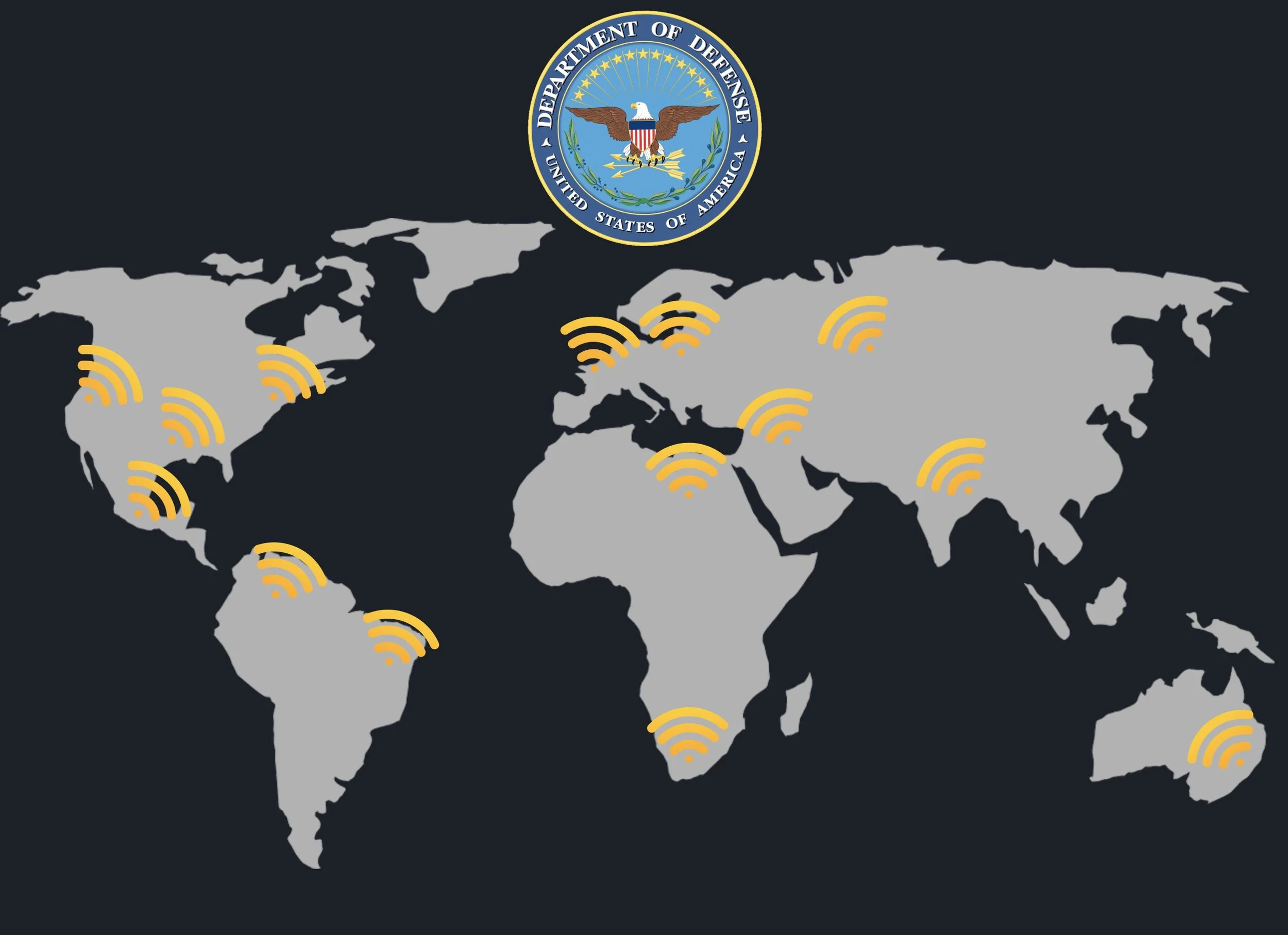
The U.S. Military Is Purchasing Location Data Unethically Collected From Millions of Smartphone Users

Joseph Cox, reporting for Motherboard:

The U.S. military is buying the granular movement data of people around the world, harvested from innocuous-seeming apps, Motherboard has learned. The most popular app among a group Motherboard analyzed connected to this sort of data sale is a Muslim prayer and Quran app that has more than 98 million downloads worldwide. Others include a Muslim dating app, a popular Craigslist app, an app for following storms, and a "level" app that can be used to help, for example, install shelves in a bedroom.

Through public records, interviews with developers, and technical analysis, Motherboard uncovered two separate, parallel data streams that the U.S. military uses, or has used, to obtain location data. One relies on a company called Babel Street, which creates a product called Locate X. U.S. Special Operations Command (USSOCOM), a branch of the military tasked with counterterrorism, counterinsurgency, and special reconnaissance, bought access to Locate X to assist on overseas special forces operations. The other stream is through a company called X-Mode, which obtains location data directly from apps, then sells that data to contractors, and by extension, the military.

How many times must someone sound the alarm before people start taking digital privacy seriously?

In a recent interview with CNN, X-Mode CEO Joshua Anton said the company tracks 25 million devices inside the United States every month, and 40 million elsewhere, including in the European Union, Latin America, and the Asia-Pacific region. X-Mode previously told Motherboard that its SDK is embedded in around 400 apps.[…] [One of] the apps sending data to X-Mode [is] Muslim Pro, an app that reminds users when to pray and what direction Mecca is in relation to the user's current location. The app has been downloaded over 50 million times on Android, according to the Google Play Store, and over 98 million in total across other platforms including iOS, according to Muslim Pro's website. […] Another app that sent data to X-Mode was Muslim Mingle, a dating app that has been downloaded more than 100,000 times.

This is clearly wrong and they’re targeting people of a particular faith. Imagine the outrage if it turned out that the CIA was buying location data in shady, back alley deals to keep track of people who use Bible apps: there would be riots.

Other apps sending location data (including info like wifi network names, time stamps, and device information) to X-Mode include a storm tracker app, a craigslist client, and a step counter app.

X-Mode then sells access to this sort of data to a wide range of different clients. Motherboard has previously shown that one of those clients includes a private intelligence firm whose goal is to use location data to track people down to their "doorstep."

The Locate X data itself is anonymized, but the source said "we could absolutely deanonymize a person." Babel Street employees would "play with it, to be honest," the former employee added.

[…]

In a statement, Navy Cmdr. Tim Hawkins, a U.S. Special Operations Command spokesperson, confirmed the Locate X purchase, and added "Our access to the software is used to support Special Operations Forces mission requirements overseas. We strictly adhere to established procedures and policies for protecting the privacy, civil liberties, constitutional and legal rights of American citizens."

Worth noting that he only refers to American citizens here, indicating that they don’t give a shit about the privacy of non-citizens. Still, the reason he’s able to make that claim in regards to U.S. citizens is because our laws are woefully outdated and insufficient; they don’t protect us.

This problem is so widespread and it’s certainly not just Facebook that’s doing wrong here, but they’re a hub for so much of this shady, unethical behavior because they’ve built frameworks that enable smaller companies to get away with it that it’s worth reiterating: #deletefacebook.

Privacy means people know what they’re signing up for, in plain English, and repeatedly. I’m an optimist; I believe people are smart, and some people want to share more data than other people do. Ask them. Ask them every time.

Make them tell you to stop asking them if they get tired of your asking them. Let them know precisely what you’re going to do with their data.

— Steve Jobs

Boy Scout Abuse

A lot of reports have come out recently from men who are alleging that they experienced sexual abused at the hands of adult leaders while while participating in activities organized by the Boy Scouts of America as boys/young men. I find these accusations to be very troubling, and I’m having a hard time believing them. At this point, more than 80,000 accusations have been made. 

I recognize that my experience is not necessarily representative of everyone else’s experiences, but for what it’s worth, I was involved in Cub Scouts and then Boy Scouts from the age of 6 until I was 18 when I earned the rank of Eagle Scout, and during my twelve years in scouting, I never once experienced or heard about any inappropriate behavior from the adult leaders in my pack/troop. I also reached out to several men I know who were involved in Boy Scouting (from my troop as well as other troops), and none of them ever encountered anything like what’s being alleged here, either. Boy Scouts make exhaustive use of the buddy system, practically never going anywhere or doing anything alone, so the notion of widespread sexual abuse being covered up just doesn’t seem terribly practical to me. Again, I’m not suggesting that my experience and the accounts of the handful of men I asked are an exhaustive representation of everyone else’s experiences.

To be clear, while I nor anyone I know has ever experienced sexual abuse from an adult leader involved in scouting, scouts fooling around with each other is something that we know happens. After all, boys who join Boy Scouts are individuals who are likely adventurous by nature, and on top of that, we’re talking about a bunch of horny, hormonal preteen and teenage boys in dark tents by themselves with no females to be found for miles. It’s not hard to imagine that they might get curious and explore with one another. Frankly, I don’t see a problem with this; my view is that it’s completely natural for boys to experiment with each other throughout their youth.

That said, I wonder if some of these accusations could be coming from men who willingly participated in sexual encounters with other scouts around their same age. Allow me to elaborate.

We live in a society that increasingly encourages people to see themselves as victims and wants to denormalize consensual same sex conduct between men. It doesn’t seem like much of a stretch to me that some of the boys who had those experiences, as they matured and began to understand themselves as “straight” and as they developed narrow and homophobic views of masculinity, would have began to feel a bit of internal conflict at the thought of these positive memories of same sex contact. 

I think it’s reasonable to assume that when presented with legal advertisements offering financial rewards for alleging BSA-related abuse, some of those men would take the psychological out, using this as a way to undermine what they see as the masculinity- and straightness-damning implications of those positive memories by retroactively labeling the events contained within them as abuse. Simply put, if you can convince yourself that you were abused, then you don’t have to feel “gay” about having enjoyed consensually fooling around with other boys. 

To be clear, I’m not saying that any guy who experimented with other boys in his youth should be locked into an identity defined by that attraction. Sexuality is fluid and can shift over time, and it’s not unlikely that many of these encounters between scouts may have occurred more out of convenience than raw attraction. Regardless of the motivating factor, boys participating in sexual exploration with one another isn’t destructive, but it is destructive for society to tell them after the fact that having done so defines them, that they were wrong for initiating it, or that they’re victims for participating in it. 

If 80,000 boys truly were sexually assaulted, that’s outrageous and tragic, and the perpetrators should be held legally responsible. But that doesn’t mean that the institution of scouting isn’t still a net benefit to its members and to society, and it doesn’t mean that we should dismantle the entire organization for these alleged assaults which would have only affected about 0.1% of men who have ever been involved with the Boy Scouts of America. After all, we didn’t cancel Catholicism when they were outed for harboring a bunch of pedophile priests (and they’re surely inflicting more societal trauma than the Boy Scouts ever could).

In an age where toxic masculinity is increasingly being called out, we should be encouraging boys and young men to express and explore their masculinity in productive ways. Unfortunately, this train seems like it’s got the momentum to smash right through one of the only institutions with more than a century-long reputation for being a positive outlet for American boys to express themselves and to grow and learn the skills they need to become men. We shoot ourselves in the foot when we allow a few predators who don’t know how to control themselves to spur us to tear down an institution that teaches boys how to do just that.

UPDATED: 11/30/20, 21:50

This article was reviewed, revised, and republished after CopyrightBro received feedback from a reader that the article could been seen as insensitive to readers who are victims of sexual assault. We sincerely regret any offense that may have resulted from the piece as it was originally published.

The Worst Wave

COVID-19 diagnoses have been trending upwards lately, and by a lot. For a solid week now, the United States has seen more than 100,000 new cases per day. The warm weather didn’t make the virus “miraculously disappear”, but by all indications, the cold weather is allowing another, far more severe wave of infections to clobber the United States.

Wear. A. Mask.

For more articles about the United States’ failed federal response to the pandemic, check out CopyrighBro’s COVID-19 Roundup.

Choosing Trump In 2016 Wasn’t A Tough Call, But My 2020 Decision Was Much Easier

I’ve said before that neither of the presidential candidates in 2016 were great options, and that I even considered voting for a third party candidate. However, as a swing state voter, I felt obligated to eventually chose a side. While it would’ve been novel to see our first female president, I felt like Hillary Clinton was too corrupt and too entrenched in the Washington muck: she didn’t seem trustworthy. Donald Trump was not the first person I would’ve chosen to be president, nor would he have been the first pick for the vast majority of people when he announced his candidacy, but I did end up choosing him (fairly enthusiastically, I might add), and I felt surprised and vindicated when he pulled off an upset that nobody saw coming.

There were a multitude of reasons that I ultimately chose to vote for Donald Trump in 2016. He was a political newcomer who clearly wasn’t going to use the typical Washington playbook, and it seemed like he may have been able to shake things up. He was irreverent and spoke his mind, and while he was often rude or uncouth, it was a breath of fresh air to hear a political candidate tell you what they really thought. There was also the allure of his business background: we’ve had decades worth of career politician presidents, so perhaps giving the reigns to someone whose successful career was based on savvy business dealings could give the economy a revitalization and make things better for the middle and working classes. There was also the issue of the open Supreme Court seat in 2016 following the death of conservative Justice Antonin Scalia, which would be filled by whoever was elected president and swing the court to the right or the left.

If I’m being honest though, there were also some unsavory aspects of Donald Trump that appealed to me. The fact that most politicians on both sides of the aisle seemed to strongly dislike him made me want to play devil’s advocate, and it seemed to indicate that while he may screw up some of the systems ingrained in American government, he could bring real change to our politics. I believed (and still do believe) that the U.S. needs to do something major to overhaul our immigration system. Donald Trump’s proposal of a wall spoke to me on multiple levels, some practical, some silly, some subtly cruel. On the one hand, a large physical barrier seemed remarkably effective at reducing illegal immigration from Mexico. I was also just a fan of large, government projects in general; I saw them as monuments to a country’s power (think something like the massive, dystopian concrete walls and other structures from the “Hunger Games” movies), and I wanted the U.S. to have something cool like that (not just one wall though, I also wanted one on our northern border because the asymmetry of only having one massive wall separating our country from the rest of the continent bugged me in a sort of OCD-ish way). But there was also an aspect of the wall proposal that was subtly race based, and fell back on the notion that immigrants from Central America were second class people who didn’t necessarily deserve to live in the United States. I don’t think this was ever a conscious thought I had, but it certainly provided the bedrock for some of my isolationist, pro-wall views. While I did support the idea of a wall, I also wanted the legal immigration system to be updated to make it easier for people to come here legally, but that wasn’t as enticing for potential voters as the wall was, so Trump didn’t really spend a lot of time talking about that.

All in all, my vote for Donald Trump was a devil’s advocate vote. To borrow a quote, it was a vote to burn the house down and start over, in many regards. Perhaps I was a bit of an anarchist.


If you’ve always considered yourself a Republican or a conservative and feel repulsed by the idea of voting for a Democrat no matter how much you dislike the Republican, I know where you’re coming from. I was raised in a staunchly conservative Christian household, and for a long time, nothing made me question any of my positions. But like most Republicans, the past few years have probably left you feeling at least a little bit of internal conflict. You’ve seen our president and the leaders of the Republican Party make arguments in bad faith, you’ve seen them flip flop and change their “beliefs”, and you’ve seen them support positions that don’t reflect the views they claimed to hold when you voted for them. It’s okay to be concerned, and it’s okay to admit that voting for someone wasn’t a great choice. I voted for Donald Trump in 2016, and in hindsight, I can admit that I made a mistake. 

If you’re a Republican or a conservative and you don’t have ANY qualms with how your leaders have been behaving lately — even deep down, secret things you’ve never told anyone because you don’t want to risk being painted as a liberal snowflake — there’s a decent chance that your beliefs are founded on racism, homophobia, xenophobia, general bigotry, or a perverted and oppressive theological doctrine which you likely call “Christianity” but which doesn’t actually resemble the teachings of Jesus Christ. If you are in that camp and you see no issues with the behavior of Donald Trump and his “Republican” allies, you need to take a long hard look in the mirror. If that’s you, then stop reading, because this article is not for the close minded. But my guess is that if you’ve read this far, you have had at least some doubts about Donald Trump.

Don’t get me wrong, I still don’t like Hillary Clinton, but the last four years have shown me that voting for Trump and encouraging others to do so may have been one of the most destructive decisions of my life. That said, it took me a long time to reach that conclusion, and it was not a comfortable journey. I spent a long time trying to justify my vote for Donald Trump. I convinced myself that even though he was unconventional, America could use someone who would turn over a new leaf and shake things up in Washington. “Drain the swamp” was a remarkably appealing message. Allowing Donald Trump to burn the house down doesn’t sound like the worst option until you realize that he doesn’t have a plan to get you out of the house before he sets it ablaze.


By 2018, I was beginning to seriously question my decision. There was no progress being made on any of the issues I’d cared about when I cast my ballot for him. On top of that, while I still appreciated his candor and unfiltered thoughts, I couldn’t justify some of the things he said or did, like his remarks about “very fine people” who happened to be torch-carrying white supremacists and Nazis. He was beginning to cross red lines, striking matches and pouring gasoline as he went.

Another point of inflection for me was when I found out how exactly he had managed to pull off his 2016 upset. I’m not talking about Russian interference (though I do now believe that they did try to influence voters), I’m talking about the Cambridge Analytica scandal, wherein the Trump campaign used personal data from millions of Americans to target individual voters in specific counties in specific states to help them win an electoral college majority without trying to win the popular vote. They understood the weaknesses of the Electoral College, and they used modern technology and unethically collected personal data to influence only the voters they needed with disinformation, and they also used that data to conduct racist voter suppression, showing ads to black people to discourage them from voting. They gamed the system. They cheated.

Unflattering as that may have been, I could’ve looked the other way if he had been delivering on his policy promises. I could’ve told myself that he was technically playing within the rules, and that it was just an example of why the Electoral College was an outdated system that needed to be reformed or abolished. But he wasn’t delivering on anything, and he continued to cross red lines.


When I voted for Donald Trump, I expected him to be a champion of our military. I expected him to respect them and appreciate their sacrifices, but he’s shown time and time again that he simply does not care about them. He’s a draft dodger, and he’ll never understand or revere our troops the way a Commander in Chief should, and high ranking military leaders in his administration have condemned his actions that take advantage of our troops.

I’m a big believer in the second amendment, but Donald Trump is not doing what a responsible Republican president would do in this day and age. With the incredible frequency of mass shootings, it’s clear that something needs to be done: the curriculum for our children’s first day of school each year should not include where to hide in case of a shooting. Yet, Trump refuses to address this problem because of the overwhelming support he receives from big donors like the NRA. Respecting the second amendment means not only respecting the right of the people to bear arms, but also respecting the specific aspect of that same amendment that calls for thorough regulation.

Climate change is an issue that a lot of people — young people in particular — care a lot about. We are seeing the effects of climate change from wildfires decimating the landscapes of California and Australia to record numbers of hurricanes brutalizing the east coast. Yes, the earth goes through periods of warming, but the evidence that humans have accelerated global warming is incontrovertible. Donald Trump just refuses to acknowledge it because it’s unpopular among big donors whose businesses rely on lax environmental regulations. To those who don’t believe in climate change, I say this: let’s apply a common theological argument used by Christians to convert non-believers. If climate change is a hoax and we waste our time trying to prevent it by transitioning to clean energy and less harmful manufacturing processes, then no real harm will be done. But, if climate change is real and we do nothing to address it, the consequences will be dire. Even if you don’t believe the evidence, we can all agree that there is no harm in making our environment cleaner and less polluted. Donald Trump apparently can’t follow this logic, becasue he’s been rolling back environmental protections throughout his term.

In regards to immigration: it doesn’t take four years to build a wall, and it certainly doesn’t require eight years, but despite having Republican majorities in both chambers of congress, Donald Trump didn’t build a wall. In fact, he’s only put up a few miles of fencing (nothing like the “Hunger Games”-style wall I was imagining), and sections of it have been cut through, sections have blown over, and the people he tasked with building the wall actually tore parts of it down to sell the scrap rebar on craigslist. It flies in the face of what I wanted when I voted for him. And of course, there have been zero improvements to our legal immigration system. 

Racism has been a hot topic this year, and Trump simply hasn’t met the moment. He’s stoked fires rather than trying to extinguish them because he knows that division is good for his re-election odds. What he clearly doesn’t realize is that America’s strength is in our diversity. We’ve always had issues with race in this country, but while he tells the Proud Boys to “stand by” and says that white supremacists are “very fine people”, real patriots recognize that this behavior is not the best America has to offer. The pursuit of justice and equality is not a zero sum game in the greatest country on earth, but Donald Trump would have us believe that it is.

Abortion is another important issue for a lot of people, and while there are tense disagreements, there are a few things that the majority of people do agree on. Most people believe abortion should be an option in cases where the mothers life is in danger, and most people also agree that the fewer abortions we collectively have, the better. Unfortunately, this is an issue that Trump has flip flopped on several times, so we don’t really know whether he agrees with those things or not. He’s described himself as pro-life and pro-choice, he’s said that he thinks partial birth abortion is terrible yet that it should be legal. It’s impossible to trust anything he says or does in regards to abortion at this point. Personally, I want the number of abortions in this country to go down, but Donald Trump has done nothing to make that happen. We know that better sex education and increased access to contraceptives and birth control can reduce the number of abortions: Trump has made no effort in any of those areas.

When it comes to healthcare, Trump has accomplished nothing at all, and he knows it.  He’s tried and failed to undo Obamacare. He’s still trying to get rid of the Affordable Care Act (which ensures coverage for people with preexisting conditions) but he has nothing to replace it with. He simply doesn’t have a plan, yet he’s trying to kick tens of millions of Americans off their current plans in the middle of a pandemic. It’s stupid and it’s cruel.

Speaking of the pandemic, yes, Trump banned travel from China and that was a smart move, but even that was too late. He didn’t ban travel from Europe until even later, which is where almost all of the United States’ cases came from. And what has he done since then? He’s pushed back against relief efforts, stalled stimulus checks so they could print his name on them (as if he were dispensing them from his own personal fortune), and suggested we ingest bleach. He’s undermined the scientists in his own administration because he thinks telling the truth is a bad look for him; he habitually avoids and discredits science and facts that are inconvenient for him. He’s been so reckless that not only has he allowed more than 8,000,000 people to contract COVID-19 and 220,000+ to die, he’s been so ridiculously stupid that he contracted it himself.

As far as the economy goes, Trump’s potential to make life better for middle and working class Americans was clearly just an illusion, because he drove the economy into the ground. Donald Trump is not a great business man, he’s a tax fraud. As was recently pointed out, he’s spent a great deal of his career exploiting tax laws in an attempt to hold on to the money he made as a result of other people’s successful business ventures. His tax records showed us that most of the business dealings he managed directly lost exorbitant amounts of money, and he’s personally in debt to the tune of $400M-$1.1B. The notion that he’s a successful businessman whose business acumen would benefit the greater American economy simply has not proven to be the case. After all, companies spend unbelievable amounts of money each year examining and mitigating various risks, and the greatest risk to the American economy, COVID-19, was by and large ignored by the Trump administration because the president found it unflattering. Ignoring your problems isn’t exactly a great business strategy or a good P.R. move.

Now, it’s not uncommon for a president not to accomplish everything they intended, but it’s not common for them to accomplish virtually nothing. The Trump administration accomplished so little that they aren’t even telling you what they would hope to do during a second term, if re-elected. For the first time in history, the Republican Party didn’t even put together a party platform, presumably because they know that Donald Trump is so erratic that anything they could possibly write down as their official agenda for the next four years would be swiftly and completely abandoned by the schizophrenic old man at the top of their ticket. Even Trump’s own website doesn’t list anything he hopes to accomplish if re-elected. They’re asking you to elect them without a plan. 

You know who does have a plan? Joe Biden and Kamala Harris. They have a lot of good, moderate plans that are supported on substance by a majority of Americans. Do you want to elect someone who will respect the second amendment and pass common sense gun legislation to reduce mass shooting? Elect Joe Biden. Do you want to elect a president who has the resolve to stand up to white supremacy? Elect Joe Biden. Do you want a president who will empower and respect our military rather than denigrating and disrespecting their sacrifices? Elect Joe Biden. Do you want to elect someone who will put measures in place to allow greater access to contraceptives and birth control and subsequently reduce the number of abortions, while ensuring that it remains a safe option in cases of rape, incest, or danger to the mother’s life? Elect Joe Biden. Do you want to elect someone who will improve our immigration system in meaningful ways so that we know who’s entering our country? Elect Joe Biden. Do you want to elect someone who will create thousands of well paying clean energy jobs to get us out of Trump’s recession and turn the tide on climate change? Elect Joe Biden. Do you want to elect someone who will finally get the pandemic under control and get our economy firmly on the path to recovery? Elect Joe Biden. Do you want someone who will bring kindness, honesty, empathy, and strength back to the Oval Office? Elect Joe Biden.

You maybe thinking, “well I don’t really like Donald Trump, but isn’t Joe Biden a socialist?” Fortunately for America, the answer to that question is no, Joe Biden is not a socialist. In fact, the reason he won the primary and became the Democratic nominee is specifically because he was not a socialist. He ran against a socialist, Bernie Sanders, and he beat him. By a lot. Despite what you might hear on Facebook or Fox News, the vast majority of Democrats, including Joe Biden and Kamala Harris, do not want socialism. Many people are trying to paint this election as one where we’re having to chose the lesser of two evils, and while that was the case in 2016, it’s not the case now. Joe Biden is a good man — even many Republicans agree, including Lindsey Graham — and whether you like all of his plans or not, at least he has plans and he’s honest about them.


Again, regardless of what you think about the aforementioned policies, we should be able to agree that preserving our democracy should always be our top priority. However, in recent days, members of the Republican Party have begun to abandon even that foundational principle of our nation, seemingly preferring rule by the wealthy elite.

For a long time, people have been tempted to call Trump an authoritarian and a dictator, ready to dismantle our democracy at the first opportunity. He certainly has those autocratic, fascistic impulses, and he would love to be the strongman dictator of the United States for years to come, but the truth is that he isn’t strong enough or intelligent enough to follow through on those desires

No, Donald Trump is not a dictator. He’s a weak, dumb, self conscious old man who stumbled into the presidency and whose only skill is taking advantage of the people around him. Unfortunately, the president’s ineptitude doesn’t mean that he isn’t still a fundamental threat: his haphazard abandonment of political norms, outright corruption and nepotism, and blatant disregard for the rule of law could very well be setting the stage for a true dictator in the United States. The most progress he’s made when it comes to tearing down our democracy was more or less a coincidence: since he announced his candidacy five years ago, he has been attacking the press and trying to discredit them when their coverage is critical, and he’s succeeded in creating an alternate reality with “alternate facts”. He’s also cracked down on peaceful protestors, authorizing force to be used against them without provocation. Even these fundamental threats to our freedom of the press and freedom to peaceful assembly were byproducts of his narcissism as opposed to deliberate attempts to undo the First Amendment. Imagine how much worse things could be if a real, competent dictator takes his place.


I noted earlier that the Trump administration has no plan, but it’s not entirely true that they have nothing they want to accomplish in a second term, it’s just that their aims are so corrupt that they can’t say them out loud. Following the leaked tax information from a few weeks ago, we learned that the president is in a massive amount of personal debt. The entire time he’s been in office, he’s refused to step away from his businesses, and has illegally exploited political relationships with domestic and foreign agencies and investors to make more money for himself and his family, ostensibly to reduce the burden of the personal debts from his many failed business ventures.

We were correct to assume that a businessman in the Oval Office could make a lot of money, but we were wrong to assume he would be interested in using those skills to the people’s benefit. Donald Trump’s business savvy served only himself and his family during his term, not the American people. From the start, this has been all about him, not us.

He sees his life as a tv show: he’s the main character, and the only thing that matters is how many people tune in to watch the show. He’s found a fan base in the Republican Party, a bloc of voters who were so fed up with politicians that they were willing to elect a reality television star.

Dont let a reality tv show host convince you that he’s a Republican president of the same caliber as Ronald Reagan. There’s a growing list of well-known Republicans who have denounced Trump, and while he has tried to label them as RINO’s (Republicans In Name Only), he’s the real RINO. He doesn’t actually value conservative ideas, he’s just playing the part—it’s a performance.

The scary thing is that not only is he not a true conservative, most of the officials in the Republican Party aren’t either, because he’s coopted their allegiance. There are instances where Republican congressional candidates have been required by the party to vocally support Trump despite not actually liking him. His presidency is destroying what’s left of the Republican Party: to be a Republican today, it’s not enough to simply have conservative beliefs, you have to be a vocal advocate for Donald Trump. There is no room for debate. You fall in line, or you aren’t a Republican. Group think like this — “herd mentality”, if you will — would be cancerous to any organization, but especially to one that prides itself on individual freedom.


In 2016, a vote for Donald Trump wasn’t just a vote for Donald Trump, it was also a vote for the future of the Supreme Court. This time, though another seat came open very soon before the election, the seat has already been filled, and the court now has a solid conservative majority of 6-3. The prospect of an open seat being filled by the winner of the election was a strong motivator for people; the high stakes in the court helped the vote for Trump go down a little more smoothly for conservatives who didn’t like him. The odds of Trump getting to replace another liberal justice in the next four years are exceedingly low, so the only reason one would vote for Donald Trump this time is if you like his personality or his literally nonexistent policies.

Furthermore, you shouldn’t want Trump to appoint any more justices. He’s slowly shifting the court away from a liberal or conservative tilt, and appointing justices whose loyalties will lie with him specifically. It’s corrupt, it’s not what the judicial branch was designed for, and it’s going to cost people their rights. In the next few weeks, the court will hear a case that could strip insurance coverage from millions of people with preexisting conditions, and they may potentially rule on the outcome of the election, should it be contested. The nonpartisanship of the judiciary branch is unraveling at the seams, and Trump continues to pull the loose strings because it benefits him personally.


My decision to vote for Donald Trump in 2016 wasn’t a difficult one, but it was a mistake. However, I believe it’s a mistake that history will judge as being a forgivable one. Nobody can be right 100% of the time, but the closest we can come is to acknowledge when we make mistakes and correct them. The time has come for America to correct one of our greatest wrongs, for the sake of our rights.

Voting for Donald Trump in 2020 will not be a mistake future generations are likely to forgive. It’s not a mistake that many people today will be likely to forgive either: in my view, anyone who has lived through the past four years and still decides that voting for Donald Trump is a good decision is a racist, a homophobe, and a xenophobe. Point blank.

That’s a strong statement, but I want to reiterate that while I have my own biases and discrete life experiences, as we all do, this isn’t about partisanship for me — I’m a registered independent and most of the candidates I’ve ever voted for have been Republicans — this is about preserving the foundations of American democracy for generations to come, and demonstrating to the world that the United States of America is truly the greatest nation on earth by rebuking hatred and division in favor of empathy and honor. The decision to choose Trump over Clinton was not very difficult for me. But the decision to choose Joe Biden over Donald Trump — to choose honor, truth, integrity, science, and democracy — that was a much easier choice.

Vote.

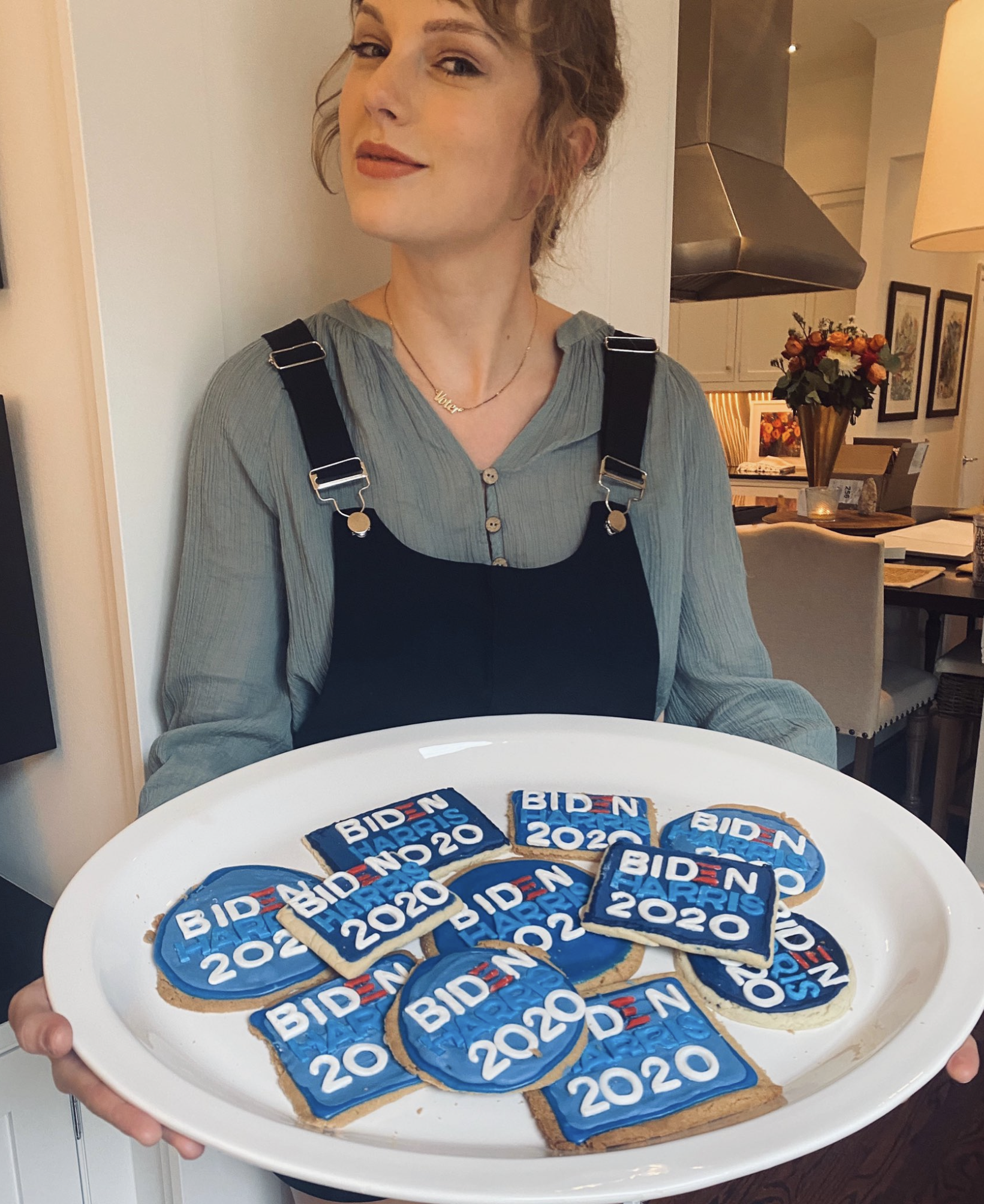
Taylor Swift Endorses Joe Biden & Kamala Harris

You love to see it.

Cancel Culture & Free Speech

I came across a tweet last night while reading replies to the screenshots of the disgusting remarks make about the death of Elvia Ramirez that I thought was worth sharing. It said, “freedom of speech does not protect you from the consequences of that speech”.

Falling back on “free speech” as a defense when someone says something and doesn’t like the consequences demonstrates a complete ignorance of what free speech actually means. As the tweet says, crying “free speech” does not shield you from the publicly enforced consequences of that speech, it’s a defense from government censorship.

Here are my thoughts on cancel culture: cancel culture is generally harmful to society, and I don’t think it’s appropriate to cancel people for things that they

  1. Sincerely apologized for

  2. Said or did more than two or three years before

  3. Said out of context

That said, actions have consequences, and so does speech.

Here’s the point: if you say something egregiously bigoted, racist, or downright hateful, the public has every right to hold you accountable by spreading your name around, informing your employer or educational institutions of your conduct, etc. Whether those entities hold you accountable is their prerogative. Of course, this is case specific and requires nuance, but the public outrage over an action will naturally (in most cases) be proportional with how bad the action was.

Republicans, take note: cancel culture is not as simple as “the left is out to get white men”. If you don’t want to be a victim of cancel culture, state your opinions as respectfully as you can, and ask genuine questions when you don’t understand something. Nobody is perfect, but it doesn’t hurt to try for a little empathy.

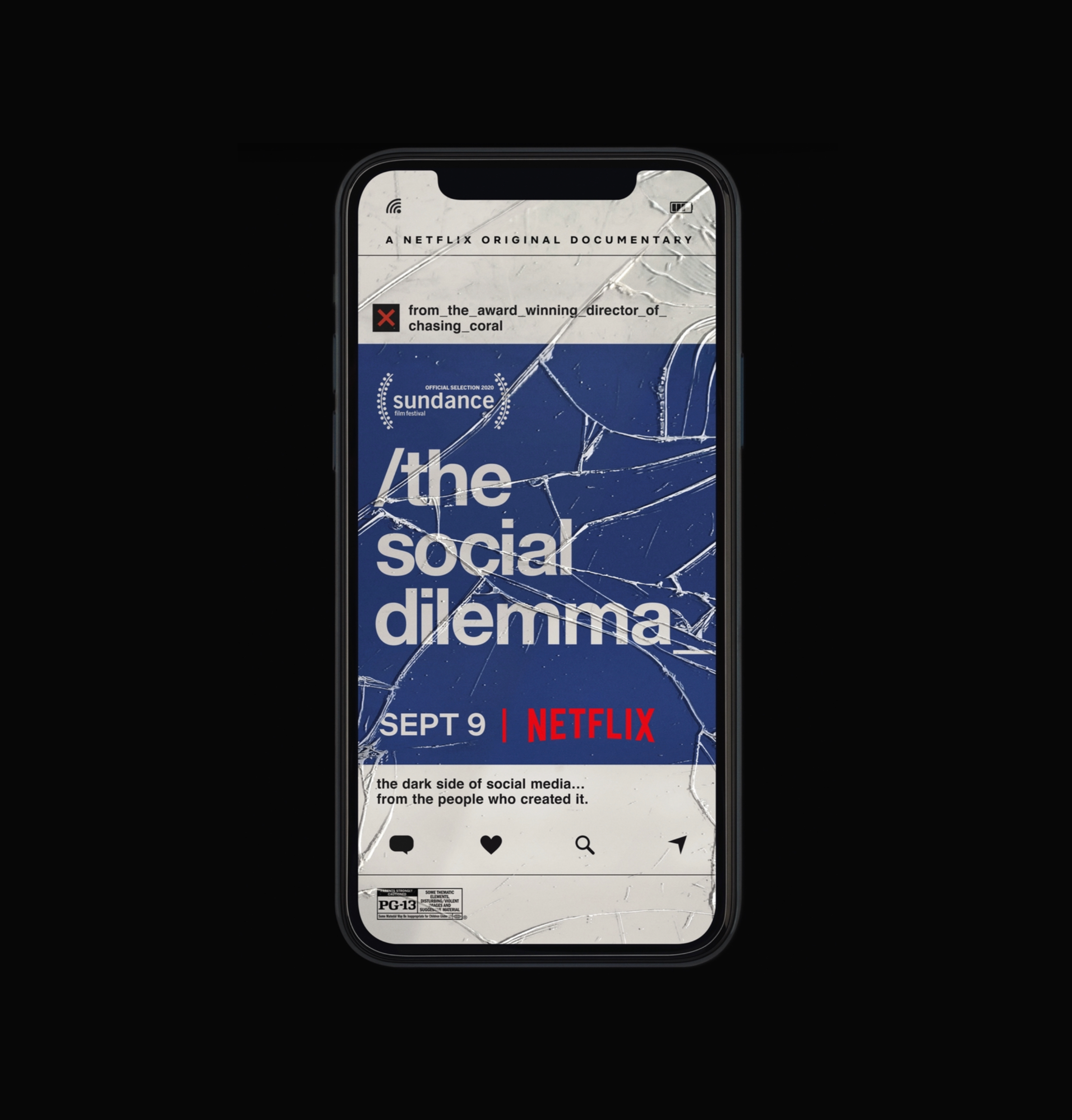
‘The Social Dilemma’

“The Social Dilemma” is a new documentary on Netflix that talks about the dangers posed by social networks and other big tech companies who draw large portions of their revenue from advertising. It details how the people who created platforms like Facebook, Instagram, Google, and others intentionally designed features to exploit human psychology and make their products addictive. It’s a good follow up to “The Great Hack”, another incredible documentary that explores how dangerous these companies are through a more political lens.

“The Social Dilemma” features a long list of ex-silicon valley inventors and programmers confirming the fears I’ve had about social media for a while now. The whole problem boils down to greed. Companies that make their money from advertising are greedy, and they deal in the business of selling human attention. The more of your attention you give to them, the more they can predict and influence your behaviors, and they’ve demonstrated that they have no problems auctioning off your attention to the highest bidder, and subsequently allowing those bidders to use your attention and the mountains of data they have on you to manipulate your feelings and your behavior. We saw what this can lead to with the Cambridge Analytica scandal; political polarization is only getting worse, and it’s already to the point where people are practically experiencing separate realities because algorithms — that very few people understand, even within the companies — are presenting them with inflammatory ads that offer “alternate facts” based on what they think will keep them engaged with the platform. The more time you spend on a social media app, the more ads you see, and the more money they make. Their goal is to capture 100% of your attention, and they have more than a few unsavory tricks up their sleeves.

The picture this film paints is bleak, but we do have a chance of brightening it up. People have to understand what’s going on, how if affects them, and where the path we’re currently on will lead us so that we can start a real conversation about these issues and demand that companies like Google and Facebook be regulated. On an individual level, the best thing you can do is to delete your accounts. Personally, I’ve deleted my Facebook and Instagram accounts, and I’ve switched to using DuckDuckGo as my default search engine instead of Google.

I’ll admit that deleting your social media accounts is easier said than done. Many folks are afraid they’ll lose touch with people or that they’ll be less informed. While I am in touch with fewer people on a regular basis, my connections with those people are much deeper and far more fulfilling. I’m more informed than ever, and my opinions are more reasoned and less reactive. I recognize that not everyone has the self control to delete their accounts, but there are some things you can do to reduce their influence over you. For starters:

  • Never share anything that you haven’t personally fact checked from at least one other source (by the way, your friend who also shared it isn’t a source).

  • In services that allow it, opt out of receiving personalized ads. Never click on ads.

  • Turn off notifications so you’re less tempted to log on.

Most importantly, watch this documentary, and familiarize yourself with the tactics these companies use so you can reduce their influence over you. For many people, the stakes seem low: “okay, they got me to watch a few extra cat videos, so what?” But the stakes have never been higher. Social media has led stable democratic countries into complete political turmoil, and we’re showing many of the same symptoms they did. It’s a bit like Stockholm Syndrome; you can’t solve a problem if you don’t realize that it is indeed a problem.

#deletefacebook

UPDATED: 10/12/20, 16:57

Are Trans People Murdered at A Disproportionate Rate?

I hate headlines that ask a question, so if you want the baby and not the labor, I’ll spare you a few minutes of reading: no, trans people don’t seem to be murdered at a disproportionate rate.

It’s common for trans rights advocates to assert that trans people are being murdered violently and at a higher rate than other groups in America, offering anecdotal evidence to support their claim. This goes without saying, but nobody deserves to be murdered on account of their gender. Murder is a heinous crime, and anyone who kills a trans person because of their gender deserves to be charged with murder and a hate crime. That said, the argument that they are being hunted down simply doesn’t hold water when you look at the numbers.

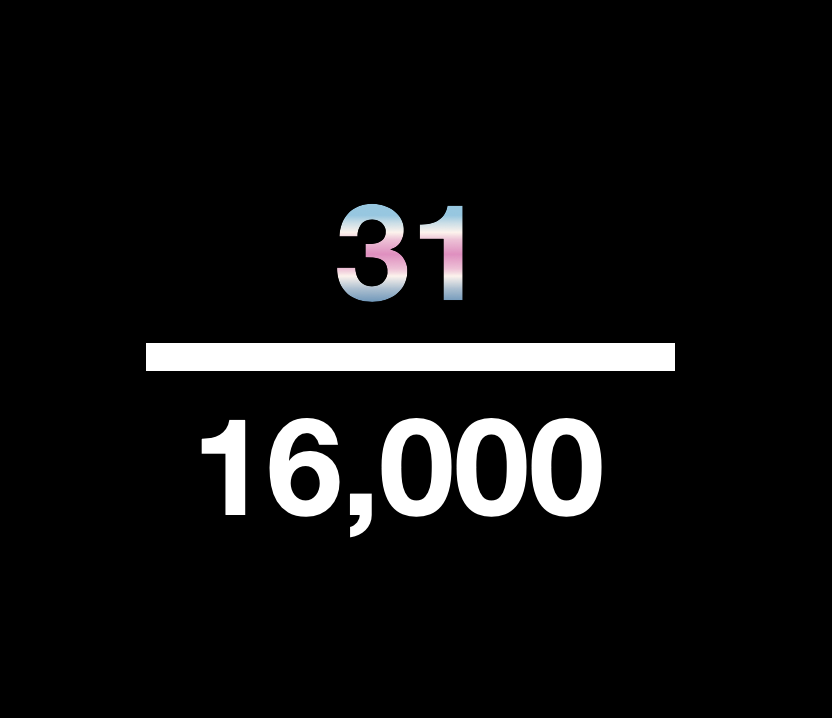
According to the Human Rights Campaign, this year is tied for the highest year on record for number of trans murder victims in the United States. Upon reading that, I expected them to report a number in the hundreds or thousands. The number they reported was 31.

According to the FBI, the United States has roughly 16,000 murders each year. If you do the math, the percentage of those murder victims who were transgender would be 0.1%. Surely, the HRC and trans rights advocates aren’t saying that’s a disproportionately HIGH number? That would mean the average number of trans and gender nonconforming people in America is less than one in one thousand, and that certainly doesn’t seem to fit within their narrative.

Of course, the HRC does offer the caveat that the number of trans murders goes underreported. I’m sure thats true to some extent, but I doubt that’s causing such a drastic discrepancy. So which is it?

Based on the numbers, it seems like either the trans/gender nonconforming community is fortunate to be murdered disproportionately less than everyone else, or the number of trans people is so tiny that 31 murders is a proportionate figure. But to say that 31 is disproportionately high and that they’re being viciously hunted down because of their gender would indicate that the number of trans and gender nonconforming people in the United States is microscopically small.

Of course, it again goes without saying that each of those 31 lives had value and that people don’t deserve to be murdered for something as inconsequential as their gender. However, if trans rights advocates hope to bring people on board with their cause, they should use claims that are backed up by statistics; we get enough attacks on science and data from the far right, we don’t need them from the left, too.

Story Time: An Example of Public School Sex Education in the Southeast United States

The United States has a uniquely backwards relationship with sexuality that can be traced back to the Puritans, and it’s something that most other developed countries aren’t plagued by. Anything relating to sexuality is shamed and considered taboo. There’s a willful ignorance when it comes to the sexuality of teenagers and young adults. Harmless, natural expressions of sexuality are actively repressed, especially in kids and teenagers. Anyone whose attractions fall outside of the “normal” heterosexual variety are shamed and compelled to hide their sexuality. Some preach abstinence for these groups, even though mountains of data exist proving that abstinence-only sex education leads to increases in STIs and unwanted pregnancies. Still, many states have abstinence-only sex education, or sex education that’s so inhibited by what the instructors are allowed to tell the students that it’s effectively useless.

Because we’re trained to see any topic relating to sexuality as impolite and shameful, the problems we face with regards to sex education naturally aren’t something that we talk about very often. I think it’s an important conversation to have for a plethora of reasons, so I wanted to offer my personal experience with public school sex ed as an example of how inadequate it is and why things need to change.

The school system I attended (shout out to Gaston County, whose interstate welcome signs aptly read “Welcome to Gaston County, Please Don’t Litter”), offered two opportunities for students to receive a watered down version of sex education, which, in both cases, required a signed permission slip from a parent for the student to attend.

Fifth Grade

The first course, offered in the final weeks of fifth grade, was a single, sex-segregated, two hour presentation called “family life” (a name that none of the kids in the class really understood before or after the course). Even though it was specifically tailored for a room full of of boys, the class spent almost the entire two hours teaching us about the female reproductive system. One of the two hours was devoting to watching videos of how a babies grow in the womb. And periods! My god, did they tell us about periods. They probably spent thirty minutes telling us about periods and thirty seconds telling us about ejaculation, but hey, why would we need to know about the fluids that would eventually be produced by our own genitals?

I came away from it having learned very little new information about my own body, and nearly nothing I hadn’t already guessed. It was all very hypothetical and entirely divorced from any degree of specificity. A lot of it didn’t make sense, but the atmosphere was so tense that nobody asked questions for fear of getting in trouble. They devoted about ten minutes to covering the male body. The extent of the knowledge presented about what changes we should expect was:

  • Soon enough, you’ll get taller and your voice will change.

  • Some hair is gonna grow in new places: in your pants, on your legs, your armpits, maybe even your chest in a few years, if you’re lucky.

  • You may need to start shaving soon.

  • Your penis won’t necessarily look like all your buddies’ because a lot of you had the tips chopped off when you were born but some didn’t. It’s called “circumcision” but it doesn’t matter or make a difference either way.

  • For roughly the next decade, it’ll be normal for your dick to get hard at random times throughout the day and no you can’t control it but you should be embarrassed by it and do everything you can to hide it. (Why does it get hard, you may wonder: so did we, but they never told us why erections happen.)

  • At some point, your balls will start to make sperm, the ingredient that combines with a female’s egg to make a baby start to grow. (You may wonder how it combines with an egg: again, so did we.)

  • Deodorant is EXTREMELY important. The teacher probably mentioned a dozen times how essential it was to start wearing deodorant.

And that was pretty much it. They did curtly ask if we had any questions, and I presume everyone had so many questions that we didn’t have a clue what to ask. One brave soul did raise his hand to mumble a question about condoms, which the instructor refused to answer. I had no clue what “condom” meant; the instructor hadn’t mentioned anything about them (the boy who asked the question must’ve heard about them from an older brother or something). No further questions were taken.

I did walk away with a goody bag, though, after being sworn to secrecy and threatened with a trip to the principal’s office if we discussed any of what we had just learned after the class had ended. What was in the goody bag, you ask? A tiny stick of deodorant, some paperwork, and a signed card promising I would wait (though they never explained what it was I was waiting for). Certainly no condoms or anything useful, but rumor had it that the girls’ bags had pads in them.

Naturally, my parents asked what I’d learned, and I told them it was mostly about girls and deodorant. Some of my male friends’ parents had apparently received similar responses from their sons, because I specially remember overhearing several phone conversations between my parents and my male friends’ parents about the course, wondering why they’d chosen to exhaust the two hours focusing primarily on the changes girls could expect rather than boys.

Seventh Grade

The second course was actually a series of three, hour-long classes worked into the health class curriculum and taught by the PE coach, so it was also segregated by sex. It was certainly more informative and frank than the first course, but it was still very inadequate. This time, the class focused on puberty and maturation a bit more broadly, with the first day being dedicated to how our bodies would develop, from height and musculature to our nutritional needs and safe ways to exercise. There were only brief mentions of deepening voices, growth of body hair, and genital development.

The second day focused on the science of reproduction, explaining in great detail how a fertilized egg becomes an embryo, a fetus, and eventually a baby. Of course it’s important for prospective parents to understand that process in detail, but is it necessary for 12 and 13 year olds who don’t even know how the process starts? Most of us were quite bored and uninterested that day.

The last day was only half the length as a result of our regular class schedule, so it was primarily used to answer questions. Middle schoolers are certainly less innocent than elementary school kids, so there were a couple questions fielded by the health teacher that didn’t come up in the fifth grade class. The funniest and most memorable question was when someone asked if the penis was a muscle, to which the coach emphatically informed us that it is NOT a muscle and, as if he could read minds, urged us not to try to stretch it or otherwise exercise it with the goal make it bigger (he offered us a consolation prize though, promising us that they’d get bigger with time and that no partner worth having would care how big it is anyway). We were all ready to leave the class after that. Nobody was brave enough to ask the biggest question we all had.

___ Ed.

You may have noticed that none of my sex education addressed anything to do with sex, the verb. Never any mention of what happens during sex, what consent means, how to put on a condom, how to avoid sexually transmitted infections, etc. There was certainly no mention of oral sex or what options may be available to the boys in the class who were attracted to the same sex.

There was absolutely no reference to sexual intercourse at all, much less as something that people would ever do for fun or for emotional benefit. The closest we came to an acknowledgment that sex is not exclusively for reproductive purposes was when the PE coach told us (in response to a rather blunt question about the definitions of “ejaculation” and “orgasm”) that ejaculation and orgasm sort of the same thing, and that that’s what it’s called when semen comes out of your penis and that it feels really good. The coach was kind of a bro.

You may be thinking, “well, by middle school, some kids are going to know what sex is”, and that’s true. Some of my classmates did know what sex was by that point, but the problem lies in that the coach wasn’t allowed to define it for the majority of us who didn’t know what it was, and that resulted in most of us feeling like we were on the wrong side of an inside joke most of the time.

Call me a late bloomer, but I was in ninth grade before I realized what sex actually was, and that a penis had to go inside a vagina for the sperm and egg cells to come together, and I only learned that when I discovered porn (I guess up until that point I thought naked cuddling was sex). The sex education I received was so inadequate that for four years after my first sex ed class and two years after my seventh grade sex ed class, I honestly thought sperm crawled out of a man’s penis, across the bedsheets, and into a female’s vagina like sticky, microscopic inchworms. Laughable. But not actually that funny when you consider the theoretical consequences.

The sex education my classmates and I received was woefully incomplete. As a matter of fact, though, the consequences weren’t all that theoretical. One of my classmates missed a few weeks of class in eighth grade following the birth of her daughter, and now, there’s a little girl running around somewhere named after a “twilight” character because she was born amidst a teenybopper, pop culture phenomenon and her mother was a thirteen year old girl. Talk about consequences.

Trump’s 2016 Campaign Engaged in Racist Voter Suppression Tactics Enabled By Facebook’s Mountain of Personal Data on 200 Million American Voters

New reporting from the Channel 4 News Investigations Team:

Channel 4 News has exclusively obtained a vast cache of data used by Donald Trump’s 2016 presidential campaign on almost 200 million American voters.

It reveals that 3.5 million Black Americans were categorised by Donald Trump’s campaign as ‘Deterrence’ – voters they wanted to stay home on election day.

[…]

Vast in scale, it contains details on almost 200 million Americans, among more than 5,000 files, which together amass almost 5 terabytes of data – making it one of the biggest leaks in history.

It reveals not only the huge amounts of data held on every individual voter, but how that data was used and manipulated by models and algorithms.

[…]

In Georgia, despite Black people constituting 32% of the population, they made up 61% of the ‘Deterrence’ category. In North Carolina, Black people are 22% of the population but were 46% of ‘Deterrence’. In Wisconsin, Black people constitute just 5.4% of the population but made up 17% of ‘Deterrence’.

This is a modern example of voter suppression.

Brad Parscale, the campaign’s 2016 digital director told PBS Frontline: “I would say I’m nearly 100 percent sure we did not run any campaigns that targeted even African Americans.”

This racist piece of shit was the campaign manager, how does he not know for sure? Don’t be fooled by this “nearly 100%” bullshit, he knows they targeted black potential voters, he just doesn’t want to admit it. Why anyone would try to prevent Brad Parscale from killing himself is beyond me.

But Channel 4 News has uncovered evidence that the campaign did target Black voters with negative ads designed to crush Hillary Clinton’s turnout.These included videos featuring Hillary Clinton referring to Black youths as “super predators” which aired on television 402 times in October 2016 and received millions of views on Facebook.

This story relates directly to the Cambridge Analytica scandal, which was one of the biggest turning points for me in deciding not to vote for Trump again in 2020. It also happened to be one of the most damning revelations to come out about Facebook, and it sent them down the road of one PR disaster after the next, leading to public scrutiny and likely congressional intervention into their toxic, undemocratic business practices.

Whether President Bone Spurs himself was aware of the details or knows how targeted advertising works is irrelevant. He probably couldn’t understand it if he tried, and that doesn’t matter. I’m sure he was absolutely giddy when he found out what the crooks he employed were capable of doing with the wealth of stolen data Facebook supplied them with, even if he only had a slight grasp of how powerful that information would prove to be. Just because Trump is a babbling moron doesn’t mean the people around him are; he has authoritarian instincts, but he’s too dumb and weak to make anything happen for himself — the people around him and in his campaign are a lot more dangerous. Their whole game plan in 2016 was to use that data to target a handful of voters in just a few key counties they needed to win the electoral college, and to the nation’s election-night bewilderment, it worked.

Today, a Facebook spokesperson said: “Since 2016, elections have changed and so has Facebook – what happened with Cambridge Analytica couldn’t happen today.

Sure, let’s take their word for it.

#deletefacebook

Wannabe Murderer Charged With Wanton Endangerment

Nicholas Bogel-Burroughs, writing for The New York Times:

A grand jury in Kentucky has indicted a former Louisville police detective, Brett Hankison, on three counts of “wanton endangerment in the first degree” for his actions during the raid of Breonna Taylor’s apartment. What does that mean?

Under Kentucky law, a person commits that crime when he or she “wantonly engages in conduct which creates a substantial danger of death or serious physical injury to another person,” and does so “under circumstances manifesting extreme indifference to the value of human life.” Other states may use terms like “reckless endangerment” for an equivalent offense.

But the charges against Mr. Hankison are not for killing Ms. Taylor. None of the 10 shots he fired are known to have struck her. Instead, the Kentucky attorney general, Daniel Cameron, who is overseeing the prosecution, said the former detective was charged by the grand jury because the shots he fired had passed through Ms. Taylor’s apartment walls into a neighboring apartment […]

Not to sound too crass, but this pussy fired ten shots and still missed; why was he on the police force anyway? I don’t exactly consider myself a marksman, but if given ten shots at a sleeping target, I’m pretty sure I could course correct enough to land at least one of them.

We need to be asking if he was indicted because he maybe could’ve hit people through the wall, or if he was indicted because he failed to shoot Breonna Taylor. Why the hell weren’t the two officers who murdered her charged with anything? This is a disgusting example of systemic racism and police brutality. It should make you uncomfortable. Don’t look away, lean in. This is a conversation we must have.

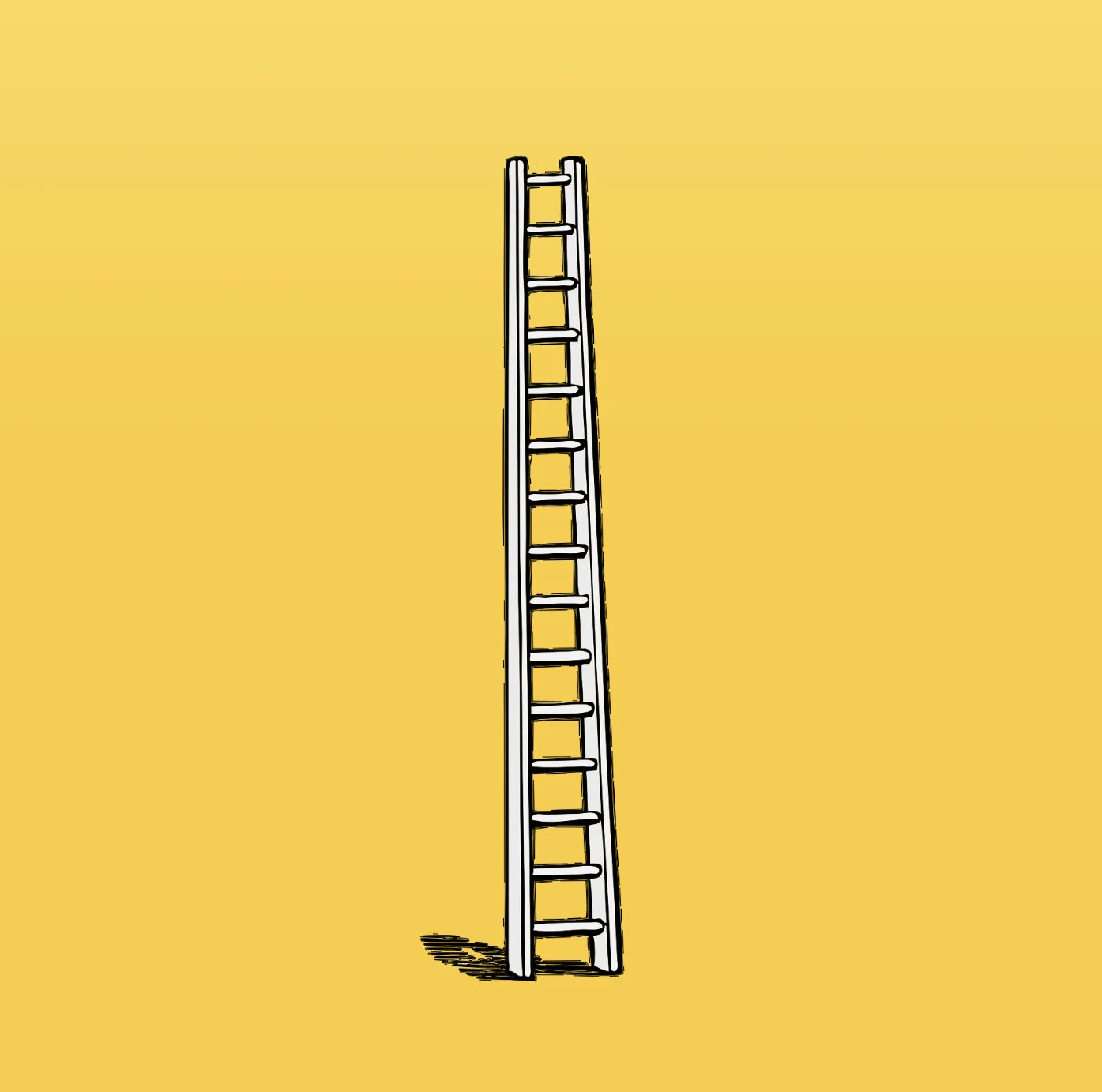
For anyone trying to visualize privilege as a ladder, make sure you include a rung for “drywall” somewhere above the rung for “black women”.

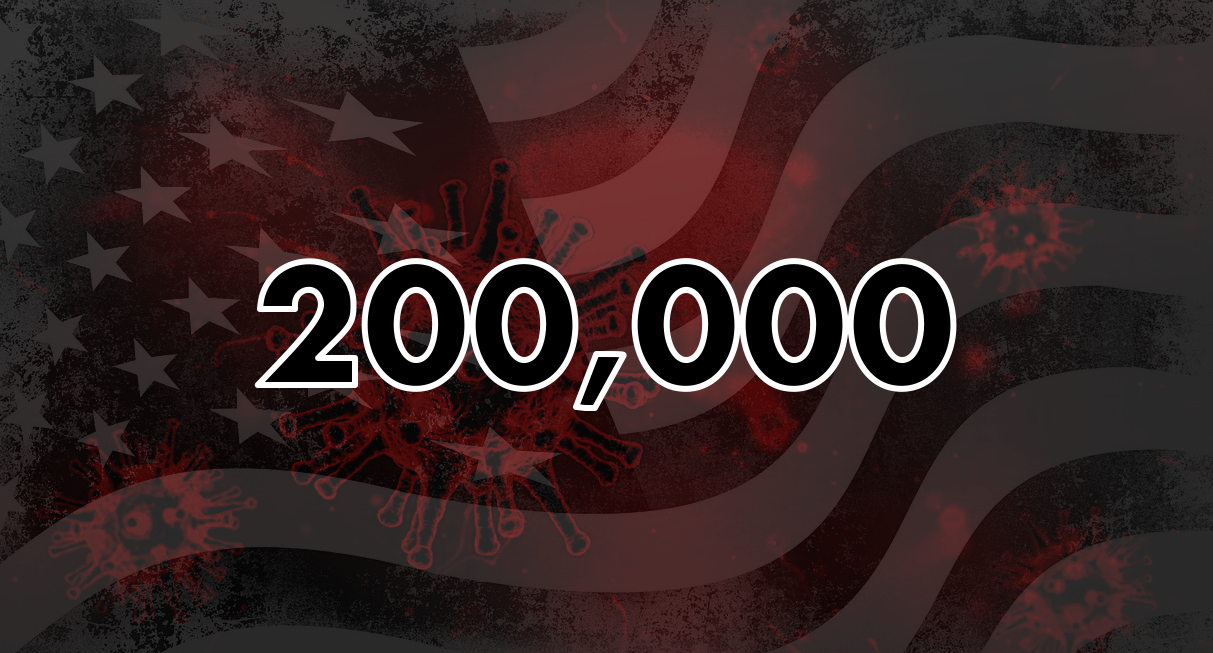
United States Surpasses 200,000 COVID-19 Deaths

Erika Edwards and Denise Chow, reporting for NBC News:

In the predawn hours of March 30, Dr. Deborah Birx stepped in front of the camera on the White House lawn and made an alarming prediction about the coronavirus, which had, by then, killed fewer than 3,000 people in the United States.

"If we do things together, well, almost perfectly, we can get in the range of 100,000 to 200,000 fatalities” […]

On Saturday, Birx's prediction came true, as the number of lives lost to Covid-19 in the U.S. topped 200,000.

Now, many experts are making another ominous prediction: A surge in the number of new infections in the fall and winter, combined with growing fatigue over social distancing and other public health measures, could result in more than 415,000 deaths in the U.S. by January, according to the Institute for Health Metrics and Evaluation, or IHME, at the University of Washington.

Uh oh Republicans, it looks we’re outside of Trump’s defined “very good job” territory. It’s okay, I’m sure he’ll soon move the goalposts again to ease your cognitive dissonance so you’ll carry on with supporting him via willful ignorance.

For more articles about the United States’ failed federal response to the pandemic, check out CopyrighBro’s COVID-19 Roundup.

Holocaust Numbers

From a nuance-lacking report from The Guardian on the results of a survey commissioned by the Conference on Jewish Material Claims Against Germany (Claims Conference):

The survey, the first to drill down to state level in the US, ranks states according to a score based on three criteria: whether young people have definitely heard about the Holocaust; whether they can name one concentration camp, death camp or ghetto; and whether they know 6 million Jews were killed.

My gut instinct is that whoever conducted this survey didn’t know what they were doing, or they were trying to produce clickbait-y results.

In regards to the first question:

One in eight (12%) said they had definitely not heard, or didn’t think they had heard, about the Holocaust.

I can’t imagine a single person in the United States has “definitely not heard” about the Nazi’s genocide. My K-12 education focused enormously on it, from grade four, to eight, to ten. Collectively, we spent months covering it. It makes me wonder about the surveyors’ definition of “Holocaust”, as well as whether the survey was conducted in a way that treated people like they were stupid and compelled them to give incorrect answers out of spite. I simply do not believe that 12% of people aged 18-39 years in the USA have “definitely not heard” about the Germans’ extermination campaigns. You’d have to be immaculately stupid to not know anything about it.

In regards to the second question:

According to the study of millennial and Gen Z adults aged between 18 and 39, almost half (48%) could not name a single concentration camp or ghetto established during the second world war.

I don’t think we ought to expect people who haven’t studied the third reich to be able to list off their concentration/death camps: they’re German names that people here have no idea how to pronounce, and they all served roughly the same purpose, so it’s hardly fair to fault people for not committing the names of the camps to memory when they aren’t of integral importance to their lives or careers. It’s worth noting that 44% of people surveyed were able to identify the Auschwitz camp; I would’ve expected that number to be a little bit higher.

In regards to the third question:

Nationally, 63% of respondents did not know 6 million Jews were murdered during the Holocaust, and more than one in three (36%) thought 2 million or fewer had been killed.

I also don’t think we ought to blame people for not knowing the number of millions of people who were killed. Any number that large is too difficult for people to visualize, so the best way to understand it is by comparison, but to compare it to the general population of Europe or of specific countries (the most natural comparisons to make) would portray the number of people killed as a small percentage, and discounting the number of people who were murdered just isn’t an acceptable outcome when trying to educate people about a genocide. It’s a difficult problem for educators to tackle.

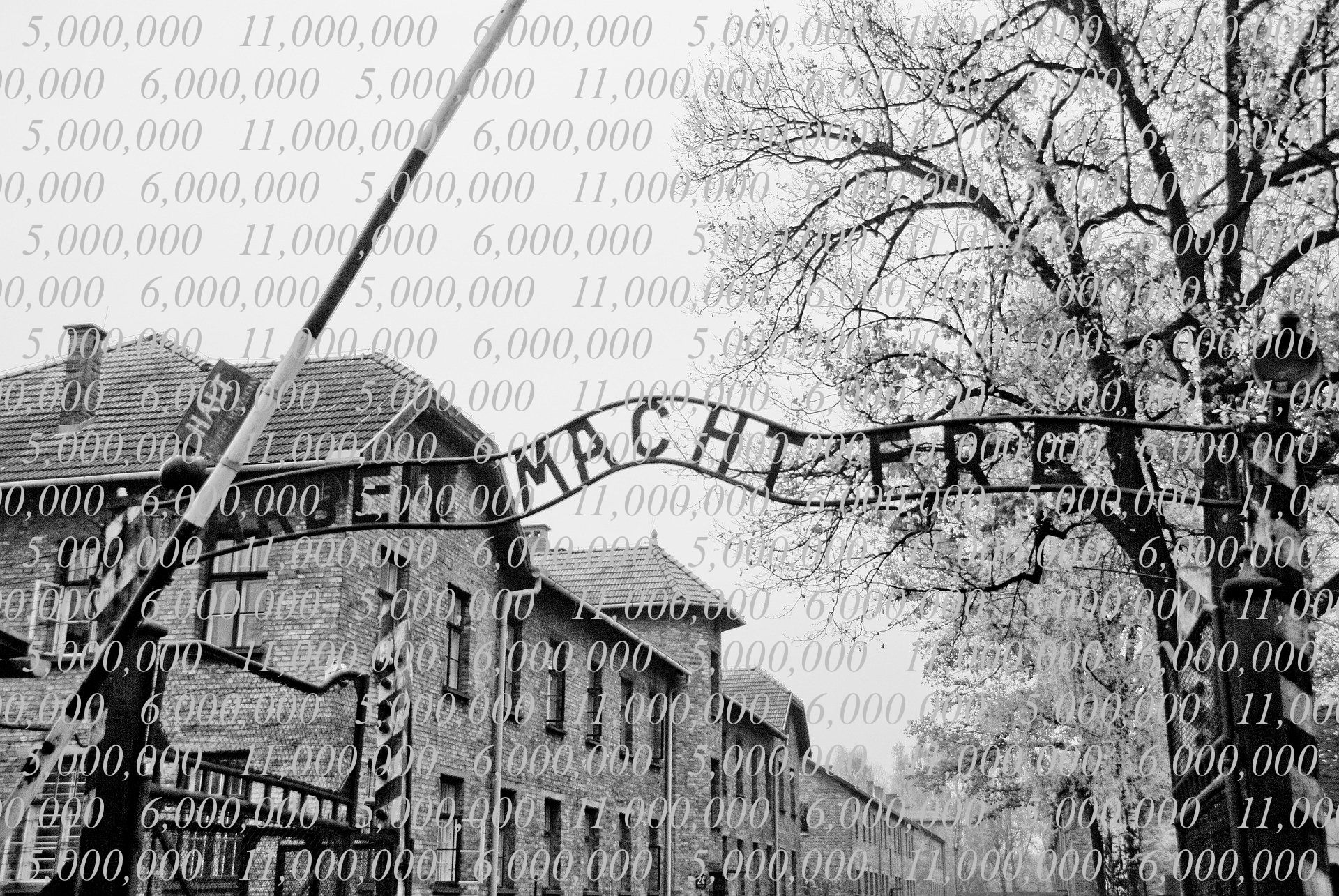
Another reason I don’t expect people to know the exact number is because different numbers get thrown around a lot, and that comes back to the definition of “Holocaust”. The vast majority of people think the word “Holocaust” refers to the genocide in general, not realizing that it’s a more specific term that ONLY applies to the extermination of the Jews. So while it is accurate to say “the Holocaust was the event/time period/operation where the Nazis killed 6,000,000 Jews in concentration camps”, it misses the big picture, and excludes form the conversation everyone the Nazis killed who wasn’t Jewish. In total, 11,000,000 people were killed by the Nazi state.

It’s possible that the survey could’ve have a number of respondents give close-to-accurate numbers like 10 or 11 million, but counted those responses as incorrect on the grounds that they were only asking about Jewish victims. Given the wide misunderstanding of the term, if the surveyors intended to use the technical definition of “Holocaust”, then they should’ve taken the time to explain the term to the people they surveyed before allowing them to answer. I doubt any such effort was made.

Obviously, I don’t make that distinction to diminish the gravity or significance of the Jews who were killed — the Nazis certainly had it out for them — but I do find it oddly judeocentric and frankly and irresponsible that the number most frequently thrown around when we talk about the Nazis’ genocide is 6,000,000. Yes, they killed that many Jews, but again, they killed 11,000,000 people in total. I find it disrespectful to focus only on the Jewish victims. Let’s not lose sight of the forest for the trees and forget about the other 5,000,000 political opponents, homosexuals, Russians, and people with physical/mental disabilities that the Nazis imprisoned and exterminated.

Trump Admits To Downplaying Pandemic

Robert Costa and Philip Rucker, writing for The Washington Post:

“This will be the biggest national security threat you face in your presidency,” national security adviser Robert C. O’Brien told Trump, according to a new book by Washington Post associate editor Bob Woodward. “This is going to be the roughest thing you face.”

[…]

“Trump never did seem willing to fully mobilize the federal government and continually seemed to push problems off on the states,” Woodward writes. “There was no real management theory of the case or how to organize a massive enterprise to deal with one of the most complex emergencies the United States had ever faced.”

No shit.

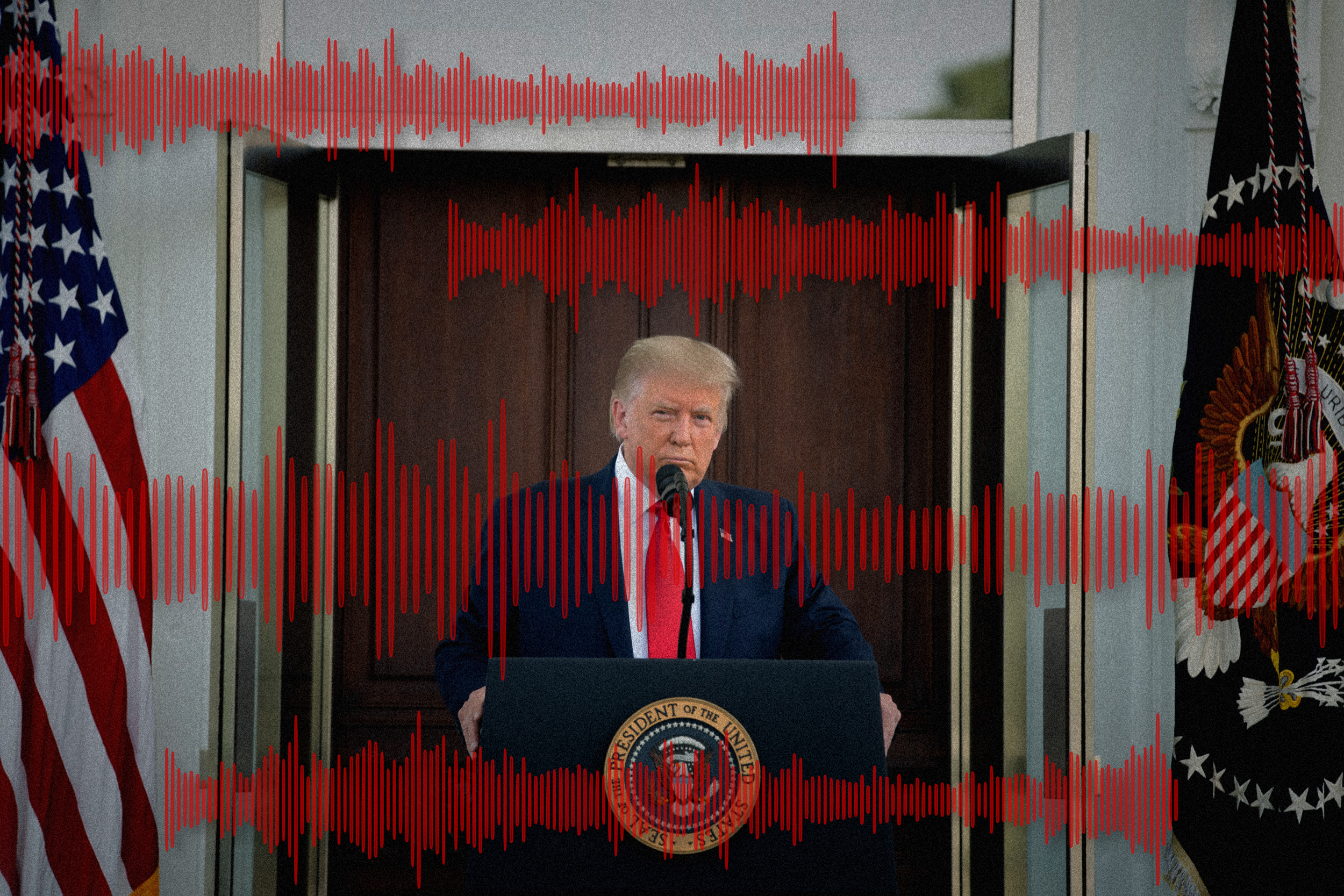
This is real audio (expertly assembled into a video by our friends at The Lincoln Project), straight from Donald Trump, where he admits to knowing how deadly the coronavirus was, and a subsequent admission that he intentionally downplayed it to the public. Allegedly he wanted to avoid creating a panic.

This is a stunning revelation, but to hear it come directly from Trump’s own mouth is really something else. The pandemic is the biggest issue of this election, and a lot of pundits have been saying the election could boil down to a referendum on the Trump administration’s response to it. If the election really does turn out to be a referendum on the COVID response, then Trump’s already hole-y ship just hit an iceberg. The question now isn’t whether the ship will sink (it’s undeniably going down; history will not look favorably upon his response), but whether they can keep it afloat until November third. They’ll certainly try to patch up the damage as much as they can (probably by releasing an untested vaccine in mid-October), and they’ll try to deflect attention to other issues, but I personally think they’re taking on water too quickly to stay afloat until the election. If it does come down to a COVID referendum — knocking on lots of wood here — I don’t think Trump can win.

From a CTV News interview with American History Professor Allan Litchman, summarized by Graham Slaughter:

[The revelation that] Donald Trump knew COVID-19 was deadly in the early days of the pandemic but publicly downplayed the virus will go down in history as "damning."

“This is the greatest dereliction of duty in the history of the U.S. presidency,” Allan Lichtman, a professor of history at American University for nearly 50 years, told CTV News Channel on Thursday.

I respect Litchman and his analysis a great deal. You may recognize his name, as he’s the historian who constructed the unbelievably accurate “Thirteen Keys” model of predicting U.S. presidential elections.

Why Trump felt comfortable speaking so candidly with Woodward, one of the most influential journalists in American politics, has everything to do with his “pathological ego” Lichtman said.

“Donald Trump thinks he’s smarter than everyone, he thinks he’s more cunning than everyone,” said Lichtman, who is a Democrat. Only one of the dumbest people in the room would constantly act like they’re the smartest person in the room.

As for Trump’s defence that he didn’t share how deadly the virus was because he didn’t want people to panic, Lichtman said it simply doesn’t pass the sniff test.

“What is Trump’s whole campaign based on? Causing panic. ‘Elect Joe Biden and your streets are going to burn. The criminals will be attacking your houses. The suburbs will be abolished.’ This is a guy who’s worried about causing panic? Come on. How could you possibly believe that?”

Again, rich hypocrisy. He’s effectively saying “look at what’s happening, our cities are on fire, Antifa* is coming, this is what will happen if you elect Joe Biden”, hoping his followers are stupid enough to ignore the fact that Trump is president now and it’s already happening. It’s so self unaware.

But let me guess, Republicans: y’all are totally okay with this. Something about not wanting to create a panic, sometimes you have lie to your kids because you love them, yadda yadda yadda. Republicans should be more offended by this than anyone. It’s an outright admission by Trump that he’s playing them for fools because they take every (self conflicting) thing he says as gospel.

*The “Pod Save America” boys aptly pointed out that Trump’s whole “Antifa” play is basically the 2020 rebrand of his “caravan” play from 2018. Baseless, divisive fear mongering that his most ignorant supporters are all too happy to gobble up without any evidence.

For more articles about the United States’ failed federal response to the pandemic, check out CopyrighBro’s COVID-19 Roundup.

UPDATED: 10/06/20, 14:58

Apple To Invest In The Construction of Two 200-Meter-Tall Wind Turbines On Danish Coast

From the Apple Newsroom:

Today Apple announced it will invest in the construction of two of the world’s largest onshore wind turbines, a source of clean, renewable energy that will bring its supply chain and products one step closer to carbon neutrality. Located near the Danish town of Esbjerg, the 200-meter-tall turbines are expected to produce 62 gigawatt hours each year — enough to power almost 20,000 homes — and will act as a test site for powerful offshore wind turbines. The power produced at Esbjerg will support Apple’s data center in Viborg, with all surplus energy going into the Danish grid.

IMG_4471.jpeg

These wind turbines are sleek.

Also, 20,000 homes! From just two wind turbines! Anyone who says renewable energy isn’t practical because it’s inefficient is ill informed. Don’t buy into the lies that the fossil fuel lobbyists pay their congressional Republican lapdogs to feed to you.

United States Surpasses 6,000,000 COVID-19 Cases

Holly Yan and Madeline Holcombe, reporting for CNN:

Just over seven months ago, no one in the US had a confirmed case of Covid-19. On Monday, the US topped 6 million cases of coronavirus, which has killed over 183,000 people and left many young adults with long-term problems.

My god, this is getting old.

The pandemic seems to slowing at this point, but this most recent million can still be attributed to the south. Southerners: see here.

For more articles about the United States’ failed federal response to the pandemic, check out CopyrighBro’s COVID-19 Roundup.

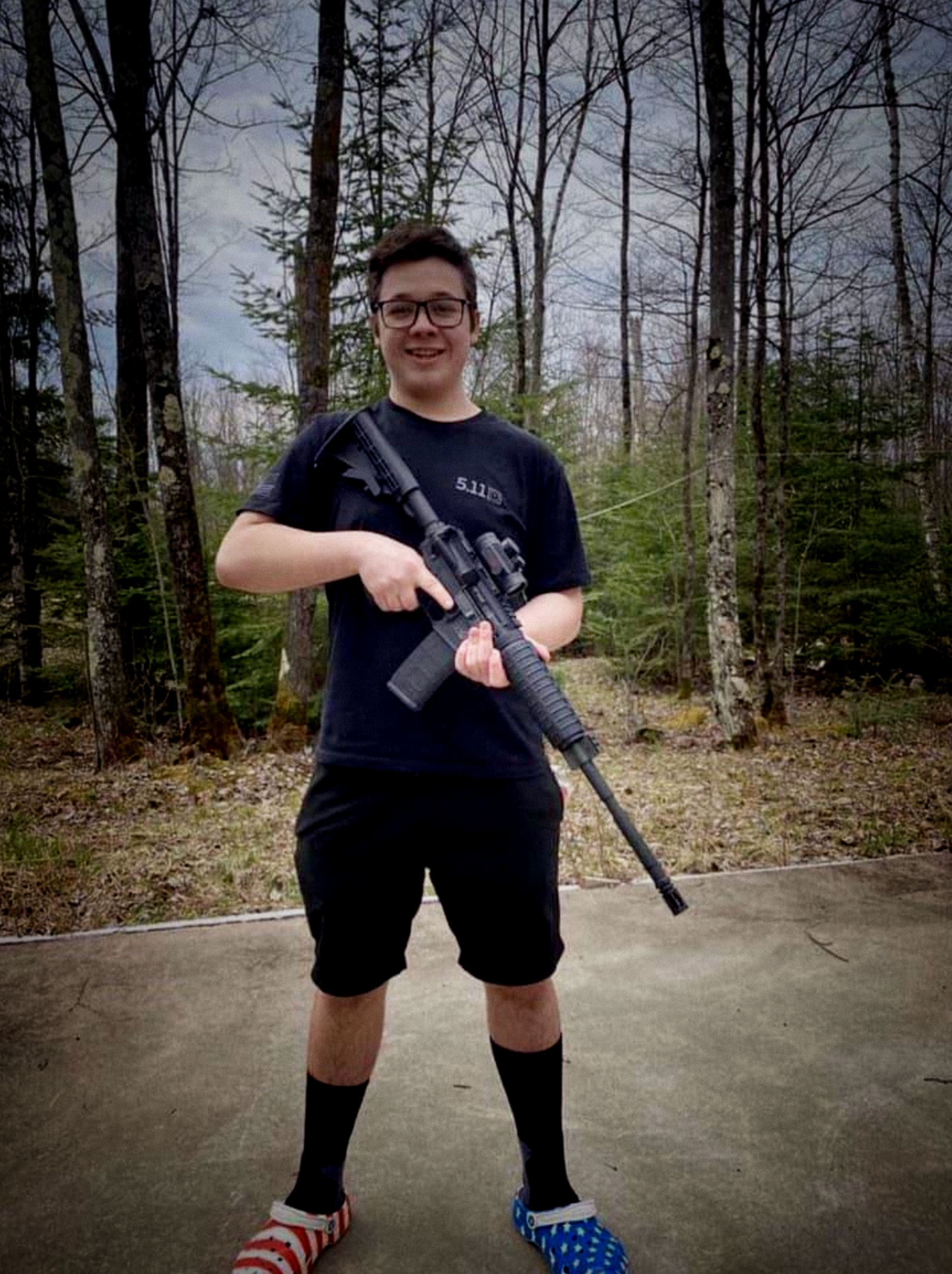
Thoughts on Kyle Rittenhouse

Graeme Wood has a great piece in The Atlantic about the sheepdog mentality of people like Rittenhouse. It’s well complemented by my piece on militarized masculinity. From Wood’s piece:

If you have never walked around with a gun in your pocket, you probably have poor intuitions about how it feels—the power; the discomfort of having a hunk of metal or plastic impeding your gait and mobility; most of all, the sense of responsibility. The writer Dan Baum strapped on a .38 in the course of researching a 2013 book on gun culture and described the experience well:

“Everything around me appeared brilliantly sharp, the colors extra rich, the contrasts shockingly stark. I could hear footsteps on the pavement two blocks away ... It made me more organized. Wearing the gun, I was Mr. Together. There was no room for screwing up when I was equipped to kill.”

Baum would avoid trouble, because he didn’t want to be anywhere near a fistfight, unstable people, or anything that might raise the possibility that he would fire his gun. The feeling of empowerment comes with a wearying imperative of caution: You do not seek out danger, and instead you live the most boring life possible, to avoid using the murder machine you have for some reason decided to attach awkwardly to your midsection.

What distinguishes Baum, who crossed the street to avoid violence, from Rittenhouse, who carried openly and crossed state lines to find violence? One is a seersucker-wearing, middle-aged journalist, and the other is an adolescent. The other salient difference, though, is that at 17, Rittenhouse has never known a world where owning a gun did not go along with what is sometimes known as the “sheepdog mentality”—the belief that your gun exists to protect others, and that you should rush in to perform that duty. [...]

Here are my thoughts on Kyle Rittenhouse: electric chair.

No, wait, that’s too easy. Give him life in prison but make him work to earn his meals and housing. And none of that special treatment for his own safety; put him in with the general population and let the inmates who are in for petty drug charges take turns turning him out in the showers. Don’t give me that “he’s only 17” nonsense, he clearly didn’t let his young age restrict him when it came to possessing a firearm, no reason to let it stand in the way now.

If you think he’s innocent or that he acted in self defense, go ahead and tap out of the argument, carve a swastika into your forehead, and leave the real patriots with fully developed brains to deal with this shitbag Republican superstar.

See also: Kyle Rittenhouse and friends beating the shit out of a girl, three on one.

COVID-19 Roundup

The COVID-19 pandemic has become an omnipresent aspect of life in 2020 America, and many articles on CopyrightBro reflect that. It’s no secret that the federal government has completely fumbled the response to the pandemic, at times ignoring it entirely while at other times intentionally spreading misinformation. Rather than post dozens of links in each COVID-19 related article to illustrate how they’ve screwed this up, we decided to give you one single link to this page, which compiles all of CopyrightBro’s articles on the subject. If they do anything good or effective, that’ll be included as well, but don’t hold your breath.

Click here to check out our COVID-19 Roundup.