Posts tagged november20
Infant Circumcision Is Unethical

About a year ago, I stumbled across an interesting corner of Twitter, and subsequently a bunch of other websites, where people were complaining about the ethics of circumcision. At first I found it puzzling, but the more I thought about it, the more I started to realize that they had a point. Still, I didn’t get too deep into it, because at that point, twenty two years removed from said procedure, I didn’t have much skin in the game (pun intended).

A few months later, in episode six of Adam Ruins Everything (you can find it on Netflix), Adam tackles some of the more common misconceptions surrounding routine infant circumcision, and this got me thinking about the topic again, so I decided to finally educate myself a bit. My conclusion was that, for a long list of reasons, infant circumcision is, in fact, a deeply unethical practice. In short, it is medically unnecessary, permanent, and nonconsensual. Allow me to elaborate.

The Medical Argument

From a medical perspective, there is little conclusive evidence that circumcision provides a worthwhile benefit to the baby it is performed upon. While it does seem to reduce instances of urinary tract infections, the difference is negligible. Approximately one out of 1.5% uncircumcised male babies will have a UTI before the age of two, while approximately 1% of circumcised male babies will have a UTI before age two. There is a difference, but surgery as a preventive measure seems extreme when the cure for a UTI is a course of oral antibiotics, especially given the rarity of UTIs regardless of whether or not the child has been circumcised.

While there is also some evidence that circumcision slightly reduces the risk of acquiring sexually transmitted infections and diseases, the difference here is similarly small. In any case, if this is something that an individual deems worth the tradeoff, they can elect to have the surgery a decade or so later before becoming sexually active but after a point at which they could reasonably understand the risks and benefits of such a procedure.

The usual discussions around the medical benefits of infant circumcision (like reducing UTIs and STIs) usually fail to acknowledge the short and long term risks of the procedure. Every year, 100 baby boys die from complications resulting from circumcision. It’s not difficult to imagine why, when you consider the obvious risk of infection that comes with having an open wound in a diaper. Speaking of long term risks, the penis is likely to have significant scarring, and there’s a large possibility that the penis could heal in a manner that results in skin bridges from the shaft to the head of the penis (a very common side effect of the procedure) as a result of the skin fusing together during healing. Such grotesque scarring and deformities ought to be enough to silence anyone who employs the selfish claim that penises should be circumcised simply because they look more attractive, which is a distinctly American preference (also, let’s not forget we’re talking about infant penises here: it’s a bit weird to over sexualize them). Another long term risk is that depending on how the circumcision is performed, a boy could be left with quite a bit of motile skin, or they could be cut so tightly that they will experience painful erections, and the restricted ability of the penis to fully harden during childhood and adolescence will lead to drastic, permanent, unnatural penile curvature.

There is a way to avoid that though. Circumcisions performed on adult and adolescent penises are far less likely to result in such deformities, because the doctor is more capable of determining the best place to make an incision when the penis is ten or twenty years closer to its full size. Imagine being asked to peel the tip of a banana with a scalpel: difficult, but not impossible. Now imagine that banana is the size of a Mike & Ike: things get a lot trickier AND there’s a lot less room for error, because you don’t know what that Mike & Ike-sized banana is gonna look like in fifteen years.

The Ethical Argument

There is also a double standard regarding nonconsensual genital modification surgeries: far less invasive practices aimed at baby girls done under the guise of religion are internationally recognized as human rights violations, while baby boys are regularly subjected to far more horrific procedures and there is no public outcry.

Speaking of religious rituals, this seems like one of the worst justifications for infant circumcision. Just because parents adopt a set of religious beliefs doesn’t mean that the child will adopt them, and in fact, evidence shows that young people in the United States are becoming increasingly less religious than their parents. If a child were to grow up and resent the religious beliefs of their parents, then their circumcision would serve as a permanent reminder on the most intimate part of their body of the religious views they reject. Not only that, it can get pretty fucking weird. In some Jewish ceremonies, they perform the circumcision without anesthesia, and then a priest puts the baby’s bloody dick in his mouth for some batshit crazy reason. Barbarism. Pedophilia. Take your pick.

Back to that thing I mentioned about anesthesia: circumcisions are not performed while the baby is put to sleep, because it’s too risky to put a baby under general anesthesia. Instead, they use a small amount of topical anesthesia (think Orajel) which barely does anything; after all, the body part they’re about to chop off has more nerve endings than any other part of a man’s body. And you can tell that it doesn’t work: look up videos of the procedure being performed, and find one with audio. You’l hear the child screaming at the top of his lungs while a doctor literally straps his arms and legs to a table made specifically for this purpose, and saws off the most sensitive part of his body. The pain can be so severe that doctors will often recommend waiting to have a child circumcised if he was born with a heart condition because the shock and trauma could cause a heart attack.

Even if the kid doesn’t die, there’s no way to know what psychological damage we may be inflicting by allowing this excruciatingly painful, terrorizing event to be one of the first things that happens to a child after it’s born. Some people argue that the child is so young that he won’t remember the pain, but does not remembering a trauma make it okay? Is it okay to rape someone if you get them so drunk they won’t remember it? Absolutely not.

This is not like having a baby girl’s ears pierced. That’s a brief moment of mild pain with no permanent damage. Circumcision is life threatening, incomparably painful, and irreversible. There is absolutely no reason that this procedure couldn’t wait until the child is old enough to consent to it for himself, at such a time when it would be safe for him to be put to sleep to have it done.

The Fun Argument

Last but not least, sex feels better for uncircumcised men. For many men in the U.S., the head of the penis is the most sensitive part because it has a whopping 8,000 nerve endings. What those men usually don’t know is that the removed foreskin tissue had 20,000 nerve endings of its own. Further, because the head of the penis was intended to be an internal organ, and circumcision removes the tissue that protects it, over time it will become desensitized as a result of rubbing against clothing. This couples with a process called keratinization, whereby the whole head of the penis develops a dryer, more calloused look and texture when compared to the head of an uncircumcised penis, and it causes what nerve endings the have left to recede and become less sensitive. Men who were circumcised as adults testify to the drastic and permanent decrease in sensitivity that follows the procedure. Experts have found that circumcised penises are 80% less sensitive to tactile stimulation than intact penises.

Of course you could say “my penis works just fine and I’m circumcised” or “my partner is circumcised and he never complains about it”. Go ahead and ask your partner or yourself this question: how much more penis should we chop off? How much less sensitivity would be ideal? Regardless of how good sex feels for a man, he is never going to want his dick to be any smaller or to be able to feel less of the sensations that accompany sex. As is evidenced by the fact that some men have loose circumcisions and some have tight circumcisions, there’s no right amount to cut off, so why stop with just the foreskin? Why not go ahead and chop off the head, too? I’ll tell you why, because that would be barbaric. But so is permanently chopping off any amount of anyone’s body part without their consent.

In Conclusion: Don’t Cut Baby Dicks

At this point, I am utterly convinced that infant circumcision is a deeply unethical practice, and I would encourage anyone with a penis (whether circumcised or not) to speak up for future generations who face the threat of having their genitals cut without their consent. Of course, you don’t have to be a man to advocate for the bodily integrity of infants. Everyone, expectant parent or not, should educate themselves more on this problematic practice. Several good Intactivist websites exist to advocate for the bodily integrity of young boys; YourWholeBaby.org and LittleImages.org* are great resources.

If you’re expecting a child, be sure to watch this lecture from Brian Earp of Yale University. He does a great job of running through many of the points I mentioned in more detail, and he brings a lot of hard data to the table. It’s thirty minutes long, so it’s a bit of a commitment, but it’s absolutely essential for parents expecting a baby boy.

Write to your legislators and tell them how fucked up this practice is, and tell them that you think it should be illegal to perform irreversible, medically unnecessary surgeries without someone’s consent. You can also consider making a donation to an intactivist organization like Your Whole Baby or Little Images.
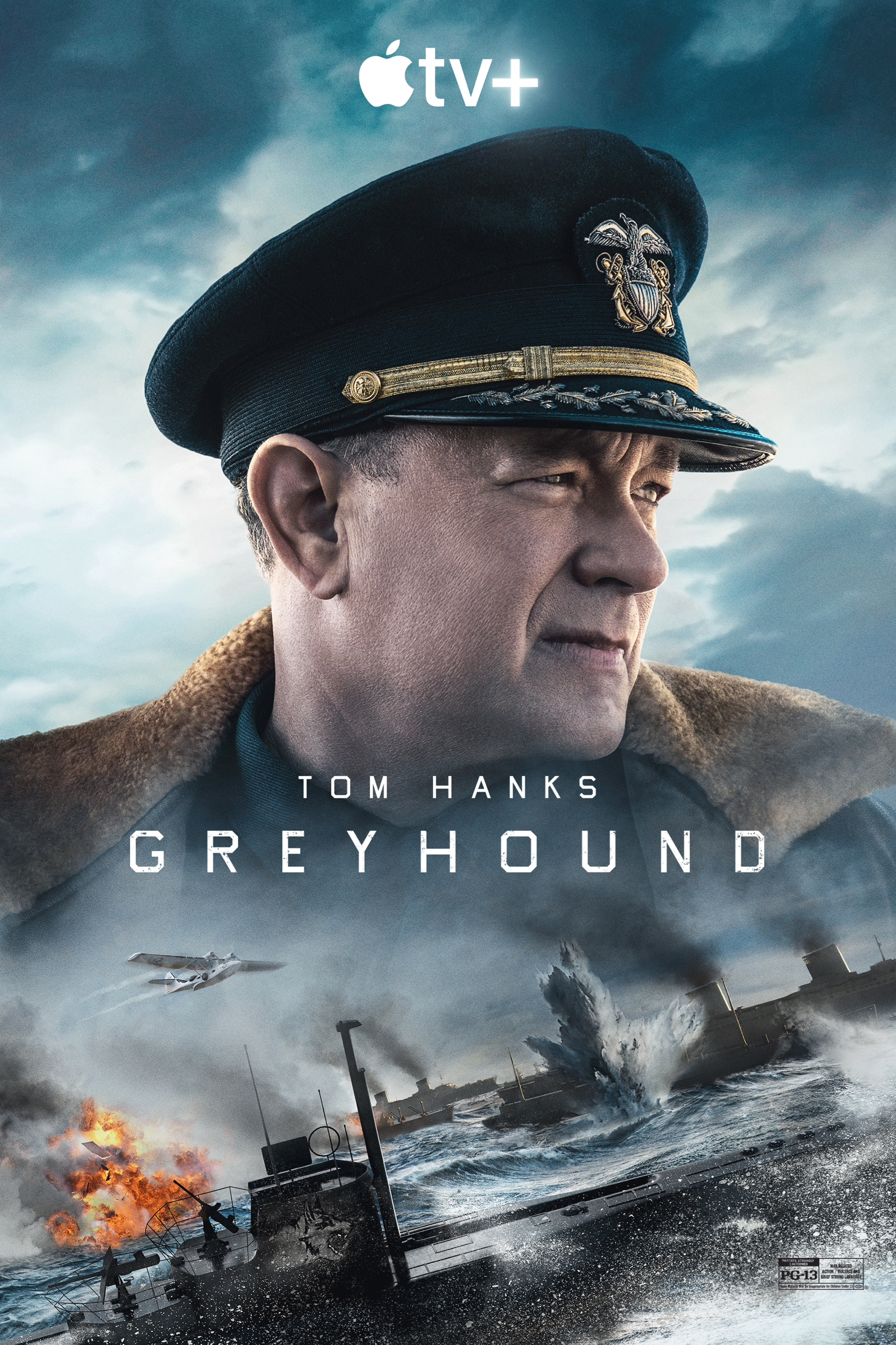

‘Greyhound’

“Greyhound” is a new Tom Hanks film about a Navy captain during World War 2 that debuted on Apple TV+ over the summer. It was originally destined for a theatrical debut, but that wasn’t a possibility given the COVID-19 pandemic, and Apple ended up securing the rights for an exclusive debut on Apple TV+.

I’m a fan of historical movies, especially ones centered around WW2, and I really enjoyed the film. Tom Hanks was great, story was gripping, and the effects were well done. Check it out.

Side note: I’m a big fan of special features and behind the scenes content — I’ve always really enjoyed seeing how movies and TV shows are made and how the creative processes come together to build something people find entertaining. Along a similar vein, director/producer/cast commentaries have always been really interesting to me. In the past several months, I’ve stumbled across a few shows and movies where the creators have gone on to host or guest host podcasts to talk about their work (one example being the HBO miniseries “Chernobyl”, which is also definitely worth your time). Delightfully, there’s a great podcast episode you can listen to which encapsulates a conversation between Tom Hanks and host Dan Carlin (of the podcast Hardcore History) that is a great accompaniment to the “Greyhound” film.

Breaking Olds: College Kids Act Like College Kids

I’m not going to lie, I’m sick of seeing people blame college kids for the pandemic. Back in March, it was their fault for going on spring break. Then in the fall it was their fault for not staying locked up in their dorms. Now, the New York Times has a page dedicated to tracking COIVD outbreaks at Universities.

Here’s the deal: this pandemic wasn’t caused by college kids. Maybe they aren’t being as responsible as they should, but how long can we expect them to put everything on hold during one of the most transformative and exciting times in their lives, especially given that they aren’t at great personal risk and there’s no sign of things getting better because the government has done nothing to mitigate the virus’s spread? At some point, you have to start deciding what risks are worth it to get back to something resembling normal, and college kids simply had the least to lose when our national patience began to wear down and were therefore the first to start making those risk assessments.

If you want to blame this shit on one group, blame it on Donald Trump and his crooks who were supposed to be running this country. Blame it on stupid Christians who go to church and refuse to wear masks and ignore science even though they’re more susceptible and should know better. Don’t blame it on kids because they’re acting like kids are supposed to act.

For more articles about the United States’ failed federal response to the pandemic, check out CopyrighBro’s COVID-19 Roundup.

‘The Cruelty Is The Point’

A few excerpts from a long twitter exchange/thread from Lincoln Project Senior Adviser Tom Nichols:

Keen perspective.

‘folklore’

Taylor Swift’s surprise eighth album dropped July 24th. It came completely out of the blue, and not that anyone was expecting it to come so soon, but it’s certainly much different than what anyone expected TS8 to be. Let’s get into it.

First, my general feelings:

I like this album a lot. It’s very alternative and folky, not at all like the albums that preceded it. One of my biggest criticisms of “Lover” was that it wasn’t sonically cohesive, and that is certainly not the case this time around—this album knows exactly what it is. None of these songs are going to end up getting played to death by the radio stations the way songs like “End Game” or “I Knew You Were Trouble” were, but that’s okay: it isn’t Top 40 music and it doesn’t want to be.

As is supported by the fact that Taylor was nominated for several Grammys and won the Apple Music Award for songwriter of the year, the fact that she isn’t making pop music does not mean she’s not doing some of her best work. A lot of fans think this is her best work from a lyrical perspective since “Red”, which was an undeniable lyrical masterpiece. I’ve said it before and I’ll say it again, "Taylor Swift’s greatest strength is her ability to tell stories, and folklore is an album full of stories; her stories, fictional stories, historical stories, our stories.

Song by Song:

I’ve given each song two ratings out of ten, the first rating is how I felt about it after the first time I listened to it, the second is how I feel about it now, four months later and after dozens of listens.

“the 1”: 6.5/10, 6/10

An interesting way to open the album. It seems like a song that would’ve been a great slower moment on a more upbeat album, but was pretty much in line with the speed of the rest of this album, making it feel not all that exceptional.

“cardigan”: 5.5/10, 5/10

Centering this song around a cardigan was a choice. I hate that this song is the one that the radio stations are playing a little because it kinda drones on and I really don’t think it’s her best, and you need to have heard “betty” and “august” first to really get the most out of this track.

“the last great american dynasty”: 7/10, 8/10

This is one of my favorite songs. I love the history she incorporates, and the twist at the end where she brings it to current day and reveals that she bought Holiday House is a master stroke in lyrical revelations that hits you square in the chest. It transitions to being a song about her rather than about Rebekah Harkness, and it’s a much more eloquent and effective commentary on the modern and historical oppression of women than “The Man” ever hoped to be.

“exile” (feat. Bon Iver): 8.5/10, 7/10

One of the saddests song on the album, “exile” is a terrific example of how men and women have been trained by society to process their feelings. You see a woman express her feelings outwardly, and you see a man keep his feelings to himself and imploding as a result.

“my tears ricochet”: 7/10, 10/10

It’s kind of crazy that a bad business deal led Taylor to write one of her best songs, but that’s exactly what happened here. I hope Scott Borchetta and Scooter Braun realize that the pain they inflicted on Taylor by effectively stealing the rights to her first six albums resulted in one of the best songs she’s ever written.

“mirrorball”: 6/10, 5/10

“mirrorball” is interesting. It’s very self conscious and sounds like something from the 80s. I can see why it may ben some people’s favorite, seriously, but it’s just a little slow for my taste and I don’t personally relate to it all too well.

“seven”: 6/10, 3/10

“seven” is just boring. I get that it’s about youth and innocence, which is a solid concept, but it feels like filler to me.

“august”: 5/10, 5/10

This is the second song in the trinity of “betty”, “august”, and “cardigan”, and I appreciate it for its role in telling that story, but otherwise, I don’t really love it. Its probably the most upbeat song on the album, but it just isn’t a bop.

“this is me trying”: 4/10, 2/10

This song is just… so slow and monotonous. I really don’t care for it at all.

“illicit affairs”: 9/10, 6/10

Originally one of my favorite songs on the album, “illicit affairs” just isn’t quite as great as I initially thought. It’s still a very potent story, but it’s extremely situational and not necessarily representative of a situation a ton of people have been in. It does illustrate a point Taylor made on the “folklore: the long pond studio sessions” film though, and that is that in a love triangle or other situation where someone leaves their partner to be with someone else, the person they leave for is rarely as much of a villain as society would have you believe. We’re all looking for the same things, and that’s usually not to sabotage someone else’s love life, it’s to find someone who completes our own and unfortunately we sometimes hurt others in that process. She said that in reference to “august”, saying that she wanted to show that the person on that side of a love triangle isn’t necessarily a bad person, but I think this song makes that point just as well.

“invisible string”: 6.5/10, 7.5/10

This track is very sweet, and it plays on the idea of destiny. As one of the more upbeat and happy songs, this may have been a good way to open the album and create a super smooth transition from “Lover”.

“mad woman”: 6/10, 5/10

Another commentary on how women are allowed to behave that’s better than “The Man”.

“epiphany”: 4/10, 5/10

Likely the slowest on the album, but not too bad. It tells modern stories and historical stories, and shines a spotlight on the despair and helplessness of some human experiences.

“betty”: 7.5/10, 8/10

First things first, I predicted the prominence of the harmonica on this track. Now that we’ve got that out of the way, this is one of the best songs on the album, and for the first several weeks, it was my favorite from this album. One of Taylor’s only songs (if not THE only song) from a male perspective, it’s the apology Taylor has been waiting for from all the men she’s written about before. It’s also the final song in the “betty”, “august”, “cardigan” trilogy, which when you look at it from a bird’s eye view, is on par with the complex, interwoven, easter egg-filled storytelling of J.K. Rowling. “betty” is told from the point of view of James, a seventeen year old boy who’s infidelity cost him a relationship he realized he valued after he lost it for a summer fling, told right after the end of that summer when he’s apologizing to his asking Betty and asking her for a second chance. “august” is told from the point of view of an unnamed character who remarks on the fleeting nature of her relationship with James, and this perspective is told a few months or years after the events took place. “cardigan” is told from Betty’s perspective, and expands on her process of dealing with the emotional hurdle of being cheated on and the wisdom she gained from it, and it’s told many years later. Tell me about another artist who writes all their own songs and is capable of telling stories like this that traverse multiple perspectives and time periods, I’ll wait.

“peace”: 5/10, 10/10

I think this is my favorite song on the album. This one is also very self conscious and emotionally raw. Like many of the other songs, it too is quite slow, but I love it.

“hoax”: 4/10, 5/10

“hoax”, on the other hand, is not my favorite. It has a few good lyrics but it’s a bit too slow and aimless at times.

“the lakes”: 8/10, 7/10

This is the most folky song on the album, and it really captures the vibe of the album better than any other song. It’s got a very Walt Whitman-y vibe. As the most “folklore”-y song, it’s hard for me to imagine Taylor coming up with a great song to transition out of this genre for her next album. Maybe we’ll stay here for a while longer, or maybe she’ll make a hard turn back towards pop or to country again. Or who knows, maybe she goes somewhere new entirely; this whole album was certainly unpredicted.

folklore: the long pond studio sessions

“folklore: the long pond studio sessions” is a film on Disney+. I hate that it’s only available on Disney+, though. I don’t have such a hard on for princess movies that I feel the need to pay $7 a month to watch them, so I was a little annoyed that it wasn’t available on a more mainstream platform (or multiple platforms), and there was a bad taste in my mouth from the start. Further adding to my distaste, I stayed up until midnight to watch it when it was released, but due to some presumed technical fuck up, it wasn’t available. I waited up for about 45 minutes but eventually went to bed. I found out the next morning that it didn’t actually go up until about 3:15 AM, which frankly just isn’t acceptable.

The film features Taylor Swift and some of her collaborators and fellow singwriters, including Jack Antanoff, Aaron Dessner, and Justin Vernon, talking through the backstories of these songs and performing them. Most fans had guessed that fellow “folklore” songwriter William Bowery was a pseudonym for Taylor’s boyfriend of four years, Joe Alwyn, and while he wasn’t present in the film, Swift did confirm that he was the pseudonymous songwriter.

It did provide a lot of color and context for various songs, and it made me like one or two of them a bit more. In particular, the backstory behind “this is me trying” went a long way toward making me tolerate my least favorite track. Not my favorite of Taylor’s concert films, but not bad. At least we got to hear each song, unlike with “Lover” (I WILL be bitter until we get a live performance of “Cruel Summer”.)

Final Notes

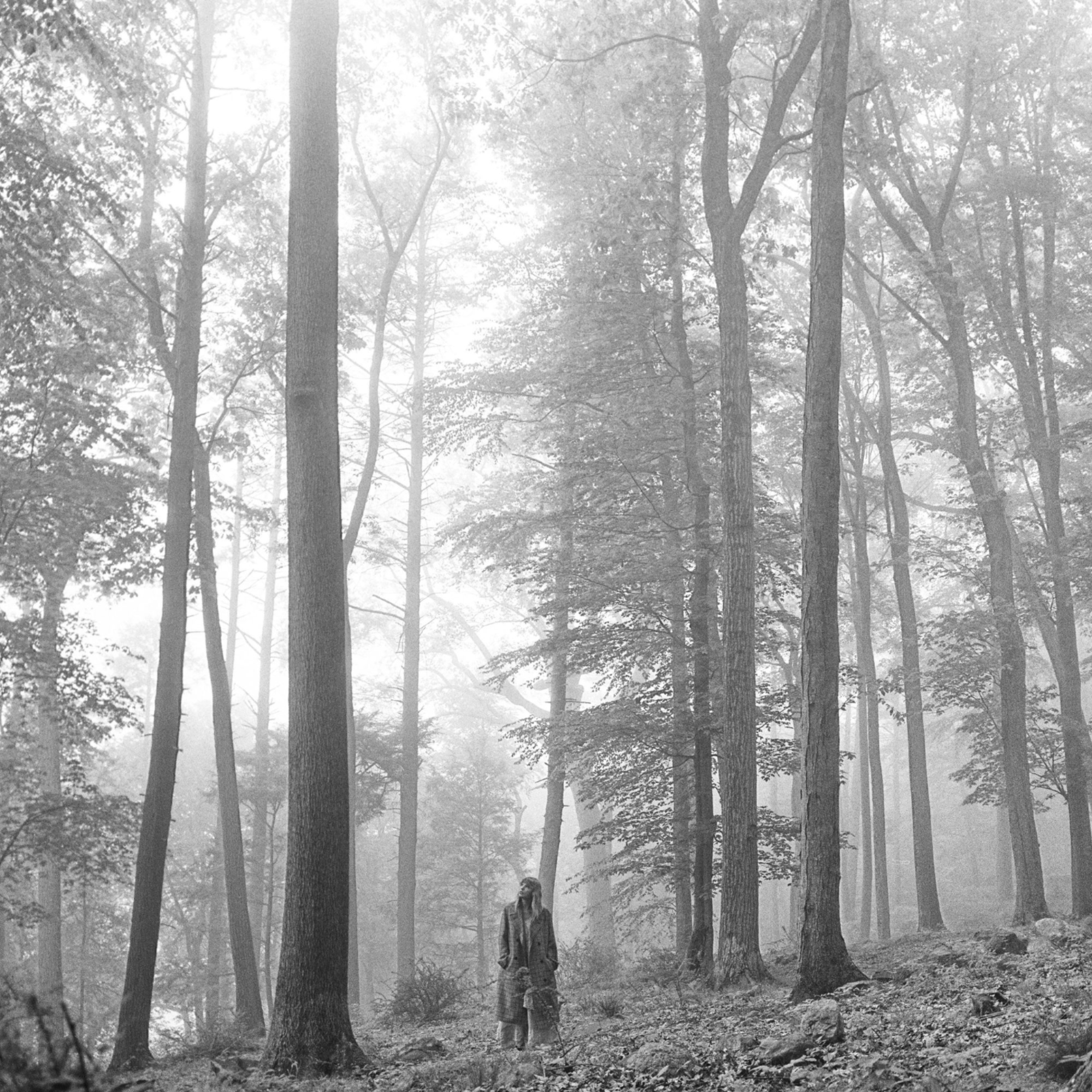
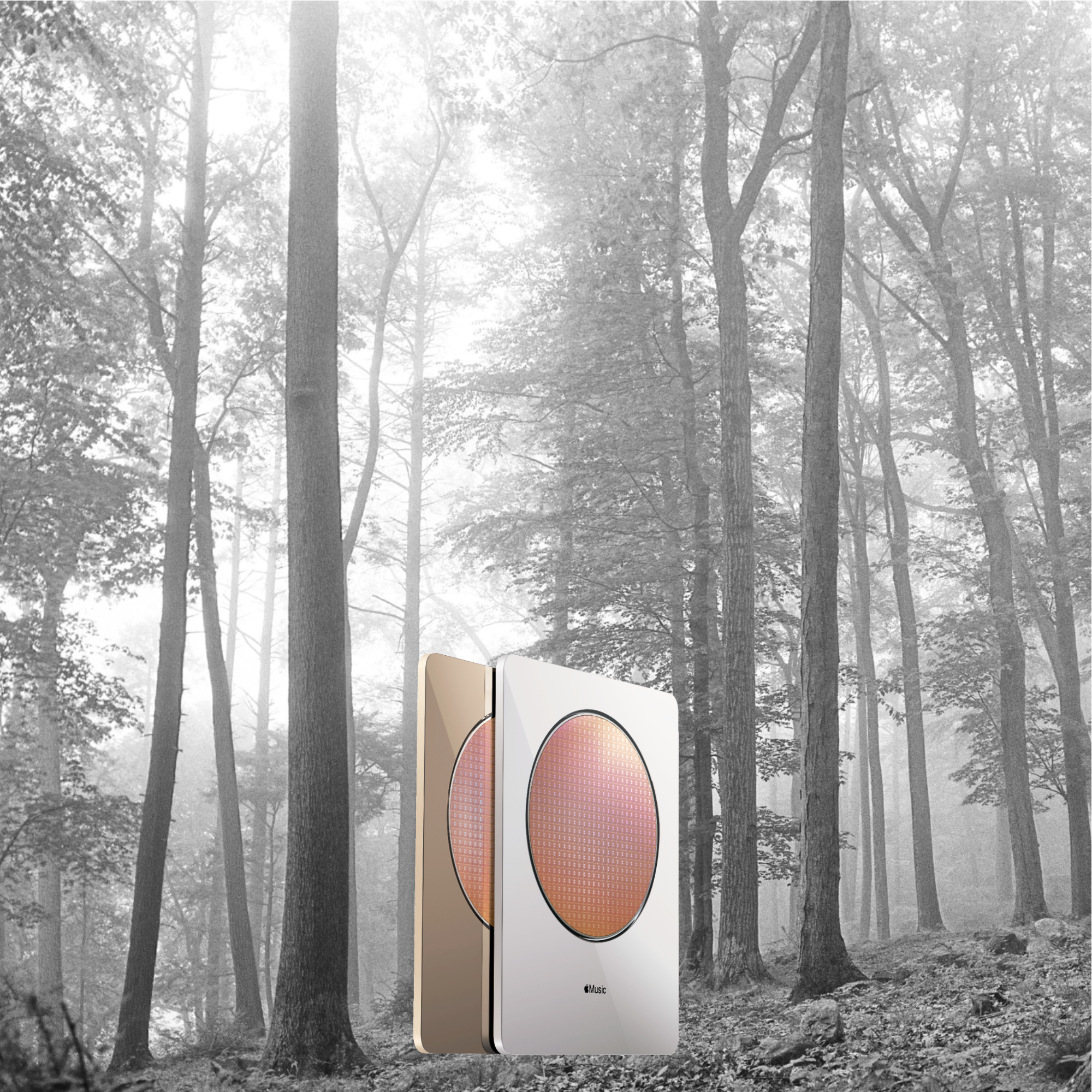
Someone on twitter noted that this is Taylor’s first album where the album artwork doesn’t feature a close up photo of her, and that that imagery definitely mirrors this album’s tendency to focus less on Taylor’s life and more on the lives and stories of others. I think that’s spot on.

I’m not a huge fan of her bangs in this era, but to each their own—it does fit the vibe.

Whenever the next album comes, I wouldn't be surprised to see her return to country. She was a great country artist because her songs had substance and weren’t all about the common tropes of beer, titties, and trucks, and guns, so I’m sure she could revitalize the country music arena (which is in desperate need of a rejuvenation). That said, my favorite album is “1989” and it’s very solidly in the pop column, so I’m personally hoping she’ll blow us all away with another record full of timeless pop smashes.

Wall Street Bullish On Biden

Ella Koeze, reporting for The New York Times:

Stocks on Wall Street climbed for a second day on Tuesday, buoyed by news that President-elect Joseph R. Biden Jr. had chosen a former Federal Reserve chair, Janet L. Yellen, to be the next Treasury secretary, and as the Trump administration’s efforts to contest the election were further diminished as several key states certified Mr. Biden’s victory.

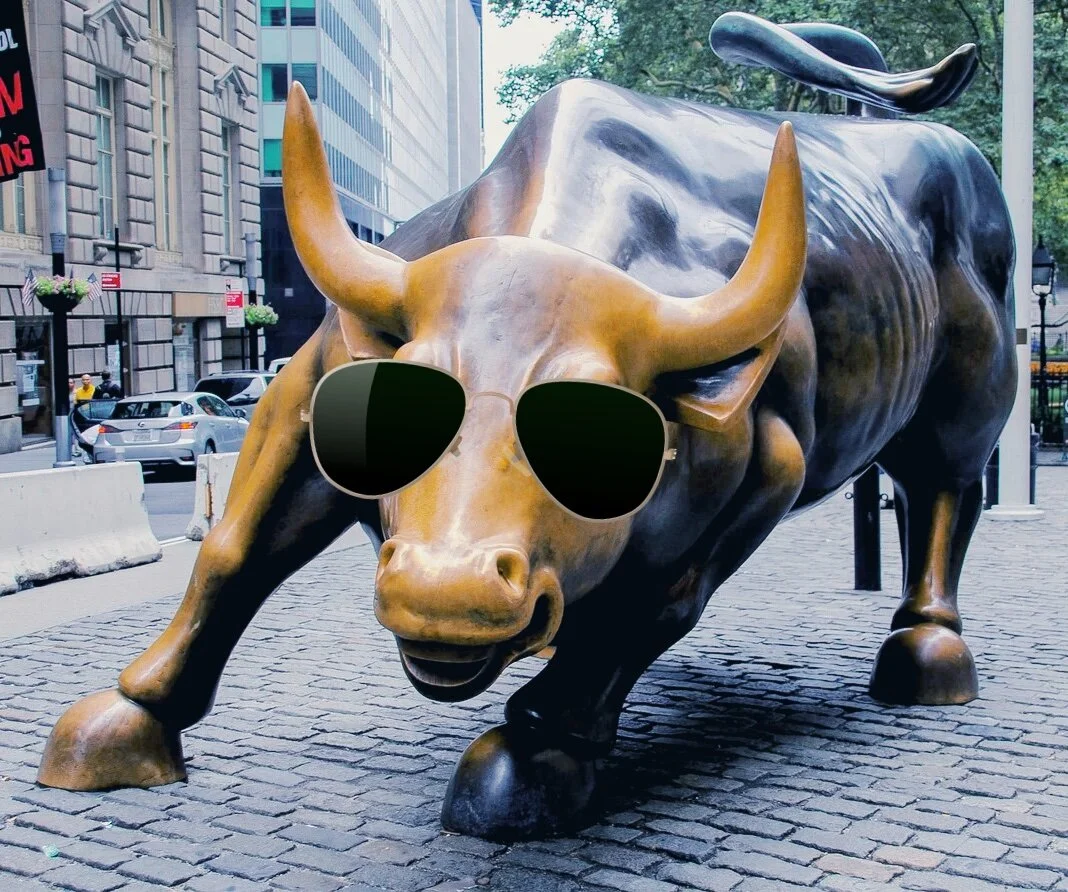
The S&P 500 rose about 1.4 percent, and by late morning was trading above its most recent closing record of 3,626.91, reached on Nov. 16. The Dow Jones industrial average rose to a new high, crossing above the 30,000 mark for the first time.

I guess all these Wall Street investors don’t realize that Joe Biden is going to drive the economy into the ground. 🙄

The U.S. Military Is Purchasing Location Data Unethically Collected From Millions of Smartphone Users

Joseph Cox, reporting for Motherboard:

The U.S. military is buying the granular movement data of people around the world, harvested from innocuous-seeming apps, Motherboard has learned. The most popular app among a group Motherboard analyzed connected to this sort of data sale is a Muslim prayer and Quran app that has more than 98 million downloads worldwide. Others include a Muslim dating app, a popular Craigslist app, an app for following storms, and a "level" app that can be used to help, for example, install shelves in a bedroom.

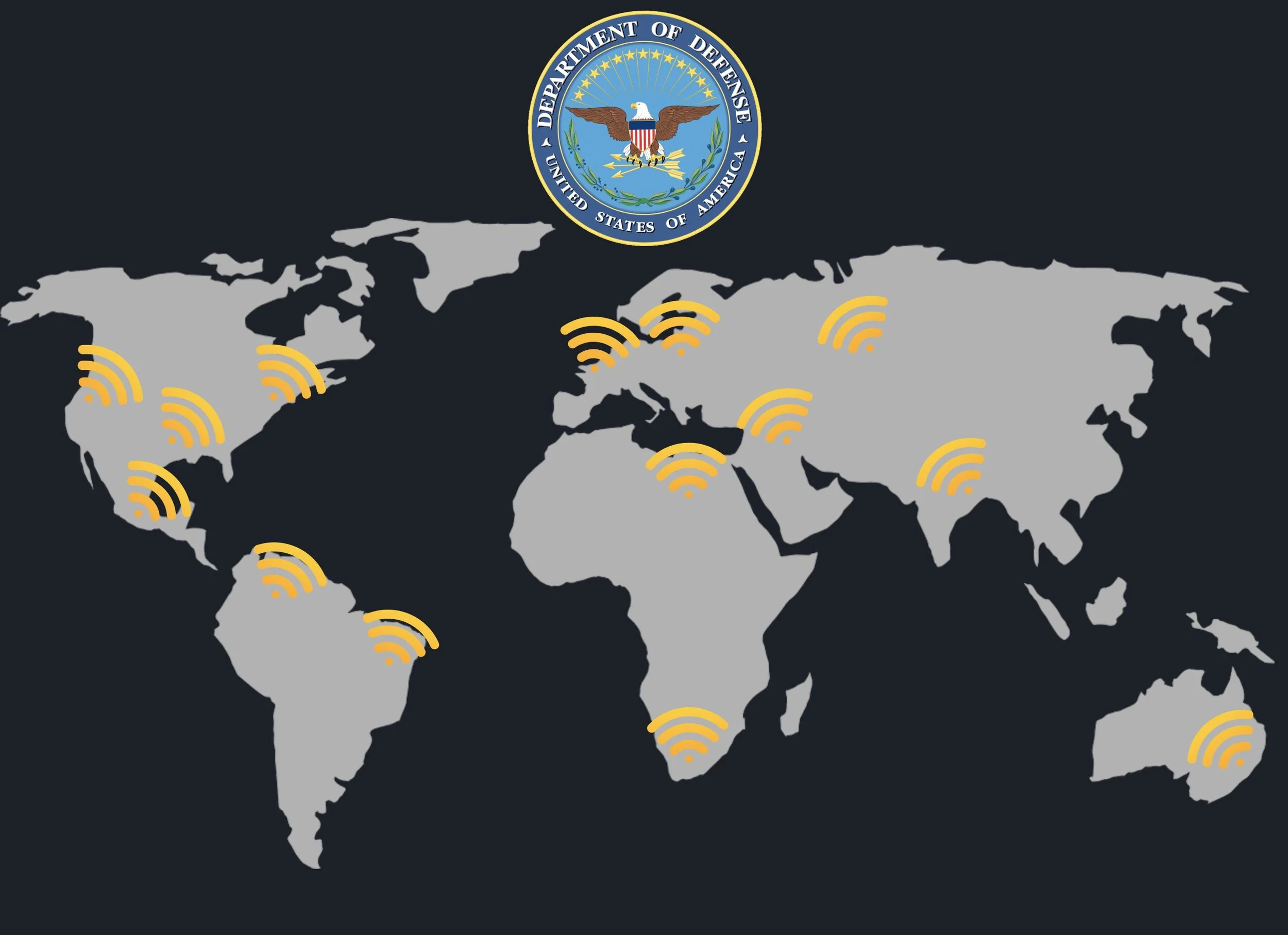
Through public records, interviews with developers, and technical analysis, Motherboard uncovered two separate, parallel data streams that the U.S. military uses, or has used, to obtain location data. One relies on a company called Babel Street, which creates a product called Locate X. U.S. Special Operations Command (USSOCOM), a branch of the military tasked with counterterrorism, counterinsurgency, and special reconnaissance, bought access to Locate X to assist on overseas special forces operations. The other stream is through a company called X-Mode, which obtains location data directly from apps, then sells that data to contractors, and by extension, the military.

How many times must someone sound the alarm before people start taking digital privacy seriously?

In a recent interview with CNN, X-Mode CEO Joshua Anton said the company tracks 25 million devices inside the United States every month, and 40 million elsewhere, including in the European Union, Latin America, and the Asia-Pacific region. X-Mode previously told Motherboard that its SDK is embedded in around 400 apps.[…] [One of] the apps sending data to X-Mode [is] Muslim Pro, an app that reminds users when to pray and what direction Mecca is in relation to the user's current location. The app has been downloaded over 50 million times on Android, according to the Google Play Store, and over 98 million in total across other platforms including iOS, according to Muslim Pro's website. […] Another app that sent data to X-Mode was Muslim Mingle, a dating app that has been downloaded more than 100,000 times.

This is clearly wrong and they’re targeting people of a particular faith. Imagine the outrage if it turned out that the CIA was buying location data in shady, back alley deals to keep track of people who use Bible apps: there would be riots.

Other apps sending location data (including info like wifi network names, time stamps, and device information) to X-Mode include a storm tracker app, a craigslist client, and a step counter app.

X-Mode then sells access to this sort of data to a wide range of different clients. Motherboard has previously shown that one of those clients includes a private intelligence firm whose goal is to use location data to track people down to their "doorstep."

The Locate X data itself is anonymized, but the source said "we could absolutely deanonymize a person." Babel Street employees would "play with it, to be honest," the former employee added.

[…]

In a statement, Navy Cmdr. Tim Hawkins, a U.S. Special Operations Command spokesperson, confirmed the Locate X purchase, and added "Our access to the software is used to support Special Operations Forces mission requirements overseas. We strictly adhere to established procedures and policies for protecting the privacy, civil liberties, constitutional and legal rights of American citizens."

Worth noting that he only refers to American citizens here, indicating that they don’t give a shit about the privacy of non-citizens. Still, the reason he’s able to make that claim in regards to U.S. citizens is because our laws are woefully outdated and insufficient; they don’t protect us.

This problem is so widespread and it’s certainly not just Facebook that’s doing wrong here, but they’re a hub for so much of this shady, unethical behavior because they’ve built frameworks that enable smaller companies to get away with it that it’s worth reiterating: #deletefacebook.

Privacy means people know what they’re signing up for, in plain English, and repeatedly. I’m an optimist; I believe people are smart, and some people want to share more data than other people do. Ask them. Ask them every time.

Make them tell you to stop asking them if they get tired of your asking them. Let them know precisely what you’re going to do with their data.

— Steve Jobs

Johnny Depp Ousted From ‘Fantastic Beasts’ Franchise

About a week ago, Johnny Depp posted a memo on his Instagram account saying that Warner Brothers had asked him to step down from his role as Gellert Grindelwald in the Fantastic Beasts franchise, and that he had agreed to leave the role.

This news came on the heels of a British court’s decision in a libel case where Depp had tried to sue a British tabloid for libel, after they called him a “wife beater” in reference to Depp’s toxic marriage to actress Amber Heard. The court found that the tabloid’s assertion that Depp was a “wife beater” was backed up by the evidence, and Warner Brothers subsequently asked Depp to step down from the role. It’s worth acknowledging that this case was only concerning the libel charge, not the alleged abuse. The general consensus seems to be that it was a troubled and toxic relationship, in which both parties contributed plenty of vitriol.

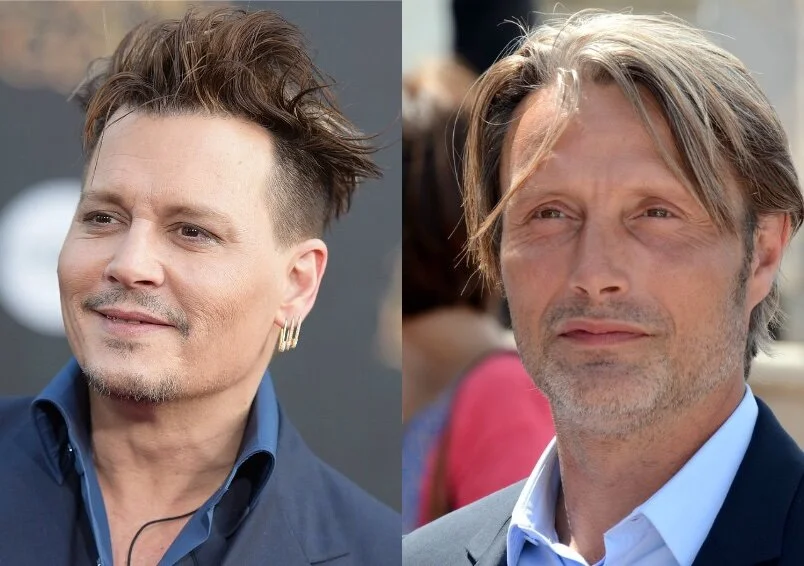
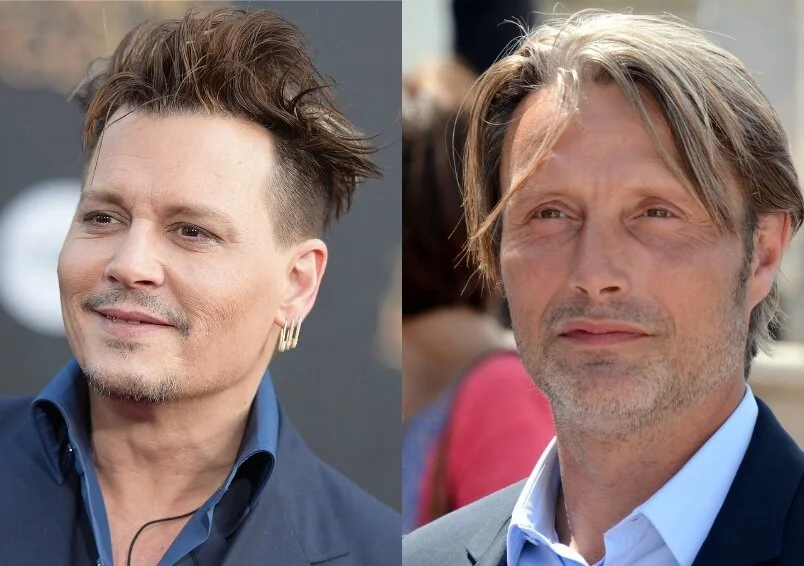
Less than two weeks after Depp announced his departure, it sounds like Warner Brothers may have already found an actor to replace him. Reports seem to suggest that Danish actor Mads Mikkelsen is favored to play Grindelwald in the remaining films.

1024px-Johnny_Depp_Alice_Through_the_Looking_Glass_premiere.jpg

The filmmakers could go a few directions with this. They’ve already established that Grindelwald is a master of disguise, so they could theoretically explain away why he looks different in the upcoming films by throwing in a quick scene where you see him altering his appearance. However, Mads Mikkelsen actually does have physical similarities to Johnny Depp’s Grindelwald, so perhaps they can pull this off without a hitch and not even acknowledge it.

Even if they pull off the switch seamlessly, the Fantastic Beasts franchise is still a ship on fire. Hopefully they can put out the flames and correct course with the third film, which has now been pushed back until summer of 2022, despite originally being scheduled for release this month. Yeah, a four year gap for a spin off series where fans have no source material to keep them interested. We’ll see how the third movie does, but they’re going to have to make a greatly entertaining film that’s somehow consistent with the original Harry Potter canon while explaining away the seeming plot holes of the first two films in the franchise. I want them to succeed, but I’m not all that hopeful.

Boy Scout Abuse

A lot of reports have come out recently from men who are alleging that they experienced sexual abused at the hands of adult leaders while while participating in activities organized by the Boy Scouts of America as boys/young men. I find these accusations to be very troubling, and I’m having a hard time believing them. At this point, more than 80,000 accusations have been made. 

I recognize that my experience is not necessarily representative of everyone else’s experiences, but for what it’s worth, I was involved in Cub Scouts and then Boy Scouts from the age of 6 until I was 18 when I earned the rank of Eagle Scout, and during my twelve years in scouting, I never once experienced or heard about any inappropriate behavior from the adult leaders in my pack/troop. I also reached out to several men I know who were involved in Boy Scouting (from my troop as well as other troops), and none of them ever encountered anything like what’s being alleged here, either. Boy Scouts make exhaustive use of the buddy system, practically never going anywhere or doing anything alone, so the notion of widespread sexual abuse being covered up just doesn’t seem terribly practical to me. Again, I’m not suggesting that my experience and the accounts of the handful of men I asked are an exhaustive representation of everyone else’s experiences.

To be clear, while I nor anyone I know has ever experienced sexual abuse from an adult leader involved in scouting, scouts fooling around with each other is something that we know happens. After all, boys who join Boy Scouts are individuals who are likely adventurous by nature, and on top of that, we’re talking about a bunch of horny, hormonal preteen and teenage boys in dark tents by themselves with no females to be found for miles. It’s not hard to imagine that they might get curious and explore with one another. Frankly, I don’t see a problem with this; my view is that it’s completely natural for boys to experiment with each other throughout their youth.

That said, I wonder if some of these accusations could be coming from men who willingly participated in sexual encounters with other scouts around their same age. Allow me to elaborate.

We live in a society that increasingly encourages people to see themselves as victims and wants to denormalize consensual same sex conduct between men. It doesn’t seem like much of a stretch to me that some of the boys who had those experiences, as they matured and began to understand themselves as “straight” and as they developed narrow and homophobic views of masculinity, would have began to feel a bit of internal conflict at the thought of these positive memories of same sex contact. 

I think it’s reasonable to assume that when presented with legal advertisements offering financial rewards for alleging BSA-related abuse, some of those men would take the psychological out, using this as a way to undermine what they see as the masculinity- and straightness-damning implications of those positive memories by retroactively labeling the events contained within them as abuse. Simply put, if you can convince yourself that you were abused, then you don’t have to feel “gay” about having enjoyed consensually fooling around with other boys. 

To be clear, I’m not saying that any guy who experimented with other boys in his youth should be locked into an identity defined by that attraction. Sexuality is fluid and can shift over time, and it’s not unlikely that many of these encounters between scouts may have occurred more out of convenience than raw attraction. Regardless of the motivating factor, boys participating in sexual exploration with one another isn’t destructive, but it is destructive for society to tell them after the fact that having done so defines them, that they were wrong for initiating it, or that they’re victims for participating in it. 

If 80,000 boys truly were sexually assaulted, that’s outrageous and tragic, and the perpetrators should be held legally responsible. But that doesn’t mean that the institution of scouting isn’t still a net benefit to its members and to society, and it doesn’t mean that we should dismantle the entire organization for these alleged assaults which would have only affected about 0.1% of men who have ever been involved with the Boy Scouts of America. After all, we didn’t cancel Catholicism when they were outed for harboring a bunch of pedophile priests (and they’re surely inflicting more societal trauma than the Boy Scouts ever could).

In an age where toxic masculinity is increasingly being called out, we should be encouraging boys and young men to express and explore their masculinity in productive ways. Unfortunately, this train seems like it’s got the momentum to smash right through one of the only institutions with more than a century-long reputation for being a positive outlet for American boys to express themselves and to grow and learn the skills they need to become men. We shoot ourselves in the foot when we allow a few predators who don’t know how to control themselves to spur us to tear down an institution that teaches boys how to do just that.

UPDATED: 11/30/20, 21:50

This article was reviewed, revised, and republished after CopyrightBro received feedback from a reader that the article could been seen as insensitive to readers who are victims of sexual assault. We sincerely regret any offense that may have resulted from the piece as it was originally published.

‘The Comey Rule’

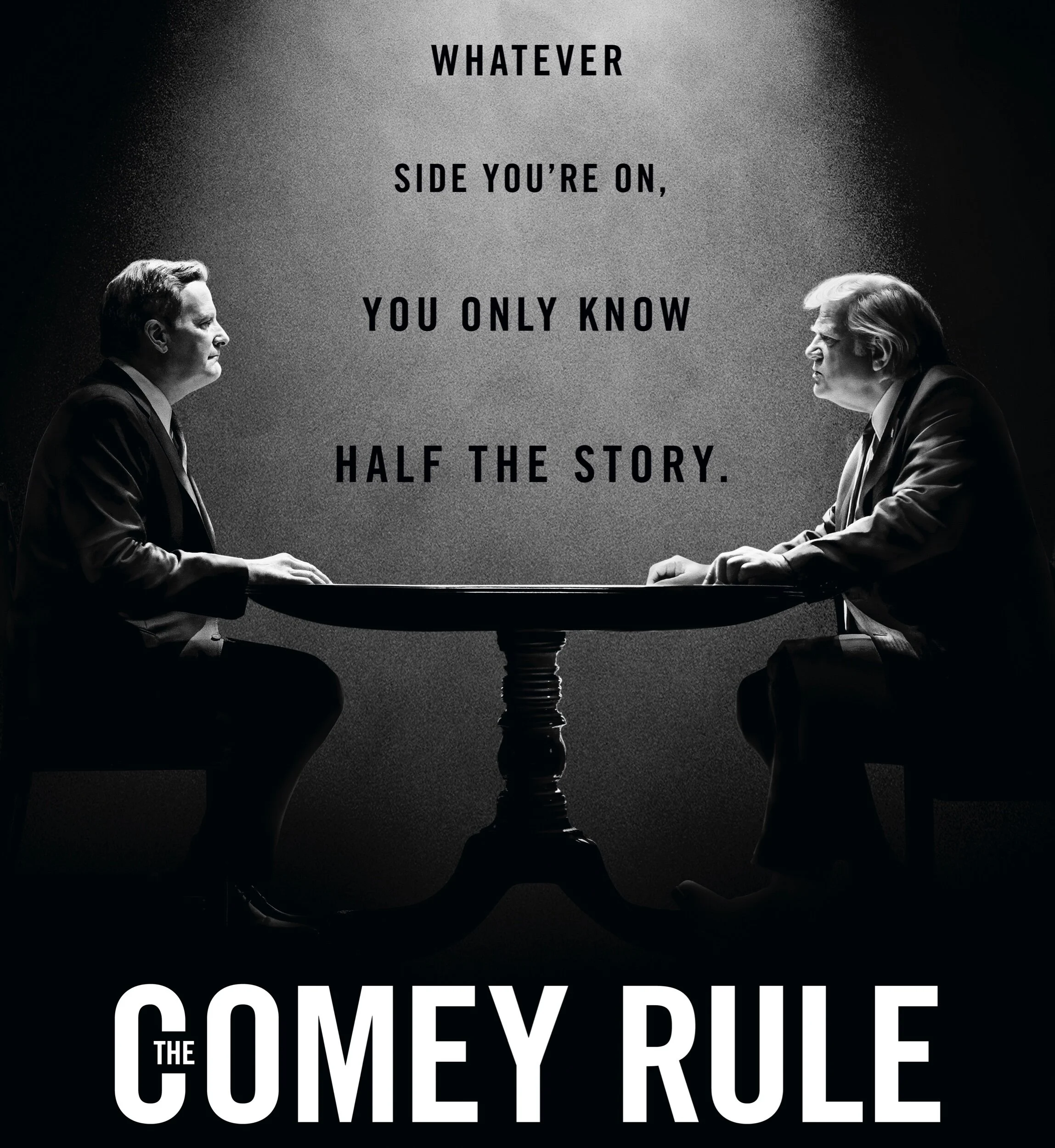
“The Comey Rule” was recommended to me by a friend in the days leading up to the election, and I’m very glad I took his recommendation seriously.

It’s a two part series that lays out the timeline of events that dragged the FBI into the political muck during the 2016 presidential campaign, including the scandal surrounding Hillary’s email servers, as well as the connections between the Trump campaign and Russia. It’s rather dense and you need to pay attention to the details, but I found the first half in particular to be absolutely gripping. It’s laid out so that part one covers the events leading up to the election, and part two covers the events after the election.

Though many of the characters make their political beliefs clear, I found it to have been produced in rather apolitical fashion. The show makers clearly wanted to lay out the documentable facts for the audience and help people understand what happened, and teasing out which “bombshell” headlines from that campaign season were actually of seismic importance, and which were just filler. It really impresses upon you the importance of our law enforcement and intelligence agencies remaining independent of the politics that consume the most of the federal government, and it demonstrates how our institutions can be fundamentally damaged when they kowtow to political pressure.

You can watch “The Comey Rule” on Showtime, but if you don’t have showtime, you can purchase it for seven bucks on iTunes or Amazon Prime.

The Worst Wave

COVID-19 diagnoses have been trending upwards lately, and by a lot. For a solid week now, the United States has seen more than 100,000 new cases per day. The warm weather didn’t make the virus “miraculously disappear”, but by all indications, the cold weather is allowing another, far more severe wave of infections to clobber the United States.

Wear. A. Mask.

For more articles about the United States’ failed federal response to the pandemic, check out CopyrighBro’s COVID-19 Roundup.

The Apple M1 Chip Macs

Nobody who went into Apple’s November announcement with any idea of what they could reasonably expect came away from it disappointed (unless you were expecting AirTags, which wasn’t an unreasonable expectation, but didn’t come to fruition).

Apple’s first custom designed laptop/desktop processor is called the M1, and while nobody’s gotten their hands on one yet and Apple’s claims were a little light on specifics, it seems like it’s going to be kicking ass and taking names. They’ve put in into the MacBook Air, the MacBook Pro, and the Mac mini, and thhe’re claiming it’s going to yield significantly better performance (up to 3x faster CPU) and allow for nearly double the battery life when compared to the intel processor based models that preceded them. Usually better battery life comes at the expense of performance and increased performance comes at the expense of speed, but Apple has managed to make remarkable jumps in both. And these aren’t even going to be Apple’s most impressive chips; all the machines they announced that are shipping with the M1 are casual consumer level machines. Just wait until they unveil their processors for machines built for professional use.

If you’re in the market for a new MacBook and aren’t afraid of buying a first generation product, now is the time to buy. Usually choosing which Mac is best for you can be an arduous process, but since the new MacBook Air and the new MacBook Pro both use the M1 chip, the differences are almost negligible.

The new MacBook Air comes in two preconfigured models (with the option to custom config). Both have 13” retina displays, and they have the same physical design and weight (2.8 lbs). They both have Touch ID sensors, neither have a Touch Bar.

  • The baseline config costs $1000, it has 256GB of storage, and its M1 chip has an 8-core CPU and a 7-core GPU.

  • The upgraded config costs $1250, it has 512GB of storage, and its M1 chip has an 8-core CPU and an 8-core GPU.

The differences between the preconfigured models are three: the amount of storage, the number of GPU cores on the M1 chip, and the price.

If you’re looking for more RAM (up to 16GB) or storage (up to 2TB), you can custom configure the new MacBook Air. While you can’t upgrade just the M1 chip to get that extra GPU core, you can toy around with the custom config options and deduce that the extra GPU core costs $50. The baseline model can be custom configured with 512GB of storage (to match Apple’s upgraded pre-configuration) for a $200 up charge, which would put it at $1200. At that point the only difference between the two machines is that extra GPU core, showing that it effectively costs $50. Not a terrible price for slightly better graphics performance, but you can’t get that upgraded GPU on the baseline model, so the only way to get it is to spring for the upgraded config which means you also have to pay for the extra storage. My recommendation would be to ignore the GPU difference and order the configuration with the amount of storage you need. If you know you don’t need 512GB of storage, there’s no point in paying a $250 up charge to get the better GPU. If you do want the 512GB of storage, don’t custom config the baseline, go ahead and get the upgraded preconfiguration and enjoy the benefits of that extra core for only $50. That said, I generally don’t think 256GB is enough storage for most people on a laptop these days. Once you sync your photos, download a movie or two, and backup your iPhone, its going going to fill up: my advice to anyone who wants a machine to last more than six months before you have to start deleting files to make room for new stuff is to go for the 512GB model.

The new M1 MacBook Pro also comes in two configurations, with even fewer differences. They both have 13” retina displays, and the same physical design and weight (3.0 lbs). Both have the Touch Bar. Both have the same M1 chip with an 8-core CPU and 8-core GPU.

  • The baseline config costs $1300, and has 256GB of storage.

  • The upgraded config costs $1500 and has 512GB of storage.

The only difference between these machines is the storage and the price. As I said before, I don’t think 256GB is going to stretch very far for most people these days, so would recommend the 512GB model.

So taking all that into account, these four models look very similar. Across the four of them, three have the exact same M1 chip, and there are only two storage options. There are other differences worth noting, but not ones that should make a huge difference in which machine you should go for. These differences are direct results of the physical design of the machines. While the MacBook Air is slightly lighter and has less physical volume than the MacBook Pro, the reduced amount of internal space results in reduced thermal capacity and less space for batteries.

  • More space for batteries obviously allows for the MacBook Pro to have slightly longer batter life—roughly 10%, based on Apple’s claims. That’s not insignificant, but both of these machines already have battery life that is so much better than the ones that came before them that either would feel like a huge upgrade over any MacBook you may currently have.

  • Thermal capacity matters because even though both machines have the same chip, the MacBook Pro can use that chip at high speeds for longer amounts of time because it is better equipped to deal with the heat produced by the chip (the design of the MacBook Pro allows for better dispersal of heat than the MacBook Air’s design does, plus the MacBook Pro has a fan inside while the MacBook Air does not). Both of these computers are going to be extremely fast and very capable of everyday tasks, but the MacBook Pro will be a little better for amateur creatives or gamers: people who want to game or edit photos and videos for an extended period of time would benefit from the MacBook Pro’s increased thermal capacity. However, despite the “Pro” designation, neither of these machines are intended for truly professional use; as I mentioned before, Apple’s truly “Pro” machines are yet to come. That doesn’t mean that these machines aren’t going to be blazing fast; one of these new models will be perfect for 80% of Apple’s customers. This isn’t something you need to worry about.

  • The MacBook Pro has the Touch Bar — the touchscreen panel that replaces the keyboard’s top row of function keys — and the MacBook Air does not. A few people love the Touch Bar. A lot of power users hate it. Most casual users think it’s neat and flashy, but are more or less indifferent to it. While it does add functionality, I find that the existence of an additional display on a separate physical plane from the primary display causes a little mental lag when you go to use it; because it changes dynamically to show controls for whatever app you’re using, the buttons are always in a different place making you look down and find what you’re looking for every time, whereas with a row of static, physical function keys, you can memorize which ones perform which functions so that you don’t have to look down at it each time. Whether you want a Touch Bar or not comes down to personal taste.

If you take my advice about going for the upgraded storage, there’s really only crucial decision to make, and that is whether or not you want a Touch Bar. If you do, go for the MacBook Pro for $1500. If you don’t, you should pick the MacBook Air for $1250.

For mental ease, I’ve rounded all of Apple’s prices up by $1.

Joe Biden Elected President

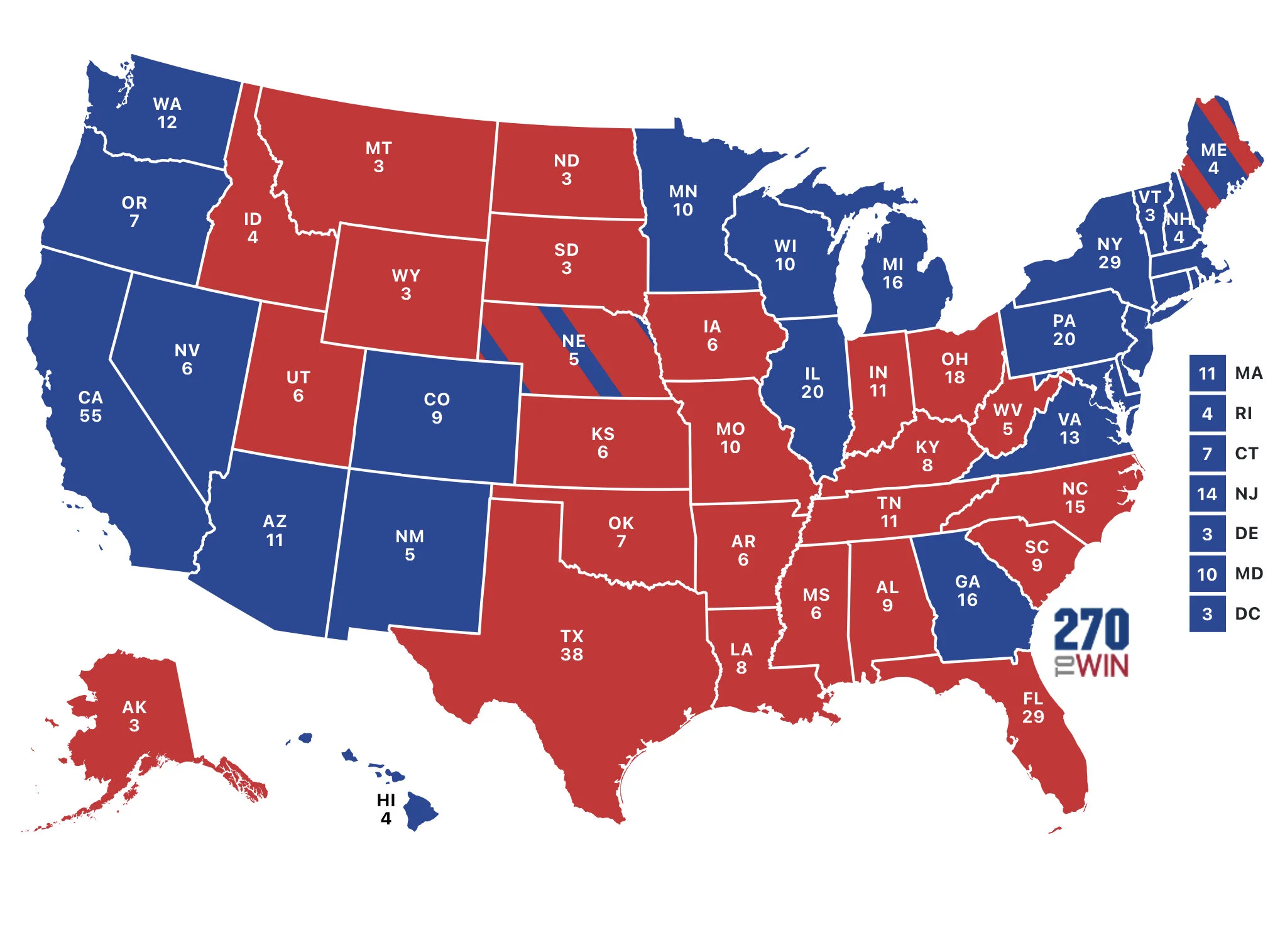
Final electoral college tally seems like it’s going to be 306 for Biden and 232 for Trump. The popular vote is roughly 78,000,000 for Biden to 72,000,000 for Trump. 

A few thoughts:

  • We need to have a conversation about the modern utility of the electoral college, but we’ll save that for another day.

  • Historian Alan Litchman’s “Thirteen Keys” framework for predicting presidential elections held up, yet again. 

  • For what it’s worth, my gut feeling about this election also proved to be correct. I’ve said for over a year now that the political climate leading up to this election did not feel the same as the political climate that preceded the 2016 election, and clearly that was the case. Not to brag, but my electoral college prediction map was entirely correct except for one state, which happened to be the state I’m from, funny enough.

  • To those worried about election fraud: the possibility that our elections have been manipulated is certainly something worth being concerned about. However, it would be damaging to our democracy in the long run to undermine the credibility of a legitimate election by crying “fraud” where none exists simply because you aren’t pleased with the outcome. Of the dozen court cases the Trump campaign has brought in an attempt to overrule the results of the election, he’s 0 for 12. They have been laughed out of court by liberal and conservative judges after admitting that they had no grounds to allege fraud.

  • The responses from world leaders and international news outlets has been very positive, as if they’re eager to welcome us back to our seat at the international table and will continue to respect us as the world’s premier superpower. It seems like the world is willing to forgive the United States for the damage and offense Trump caused them; let’s not put ourselves in a position to need to ask their forgiveness again. My favorite international headline: ”America. Great Again.”

Apple Event, November 2020; Pre-Event Thoughts

The big news for this event will be the introduction of Apple Silicon. The fact that they’re using “one more thing” in the announcement for the event is, I think, in itself significant, as well as indicative of how Apple views today’s announcements as a milestone in the history of the Mac. I’m truly expecting mind blowing announcements today.

Apple’s chip team will be the star of today’s show, but they’ve deserved more praise than they get for years now; they’re massively under appreciated. The A14 that they’ve just introduced in the new iPad Air and iPhones is significantly faster than most new PC notebooks and Chromebooks. They’ve been years ahead of their competition for many years at this point, putting out new chips every year that are only rivaled by their own chips from the previous year. Qualcomm, in the smartphone industry, simply cannot keep up. Apple is about to jump years ahead of Intel in the PC market.

Just look at some of the benchmarks from the Developer Transition Kits that run macOS on a chip that they originally designed for iPhone (the A12, from 2018) and optimized for iPads (the A12Z, which is exactly what’s in the DTKs). Imagine what they’ll be able to when they really put their weight behind notebook and desktop chips.

On that note, there‘s been speculation about whether Apple will announce notebooks or desktops, but I wouldn’t be surprised to see one or two of each. The AR graphic from Apple’s event page certainly seems to indicate that new MacBooks will be present; I’m hoping we will see the 12” MacBook from 2015 — which remains Apple’s most impressive notebook from a design perspective — reincarnated.

Recent leaks also seem to indicate that we may see AirTags today, but that’s an interesting possibility because AirTags aren’t a product that couple naturally with Macs; they’re iPhone accessories. We’ll see; maybe they see enough potential in AirTags to let them be the “one more thing” after they announce the Apple Silicon Macs.