Crunch Time

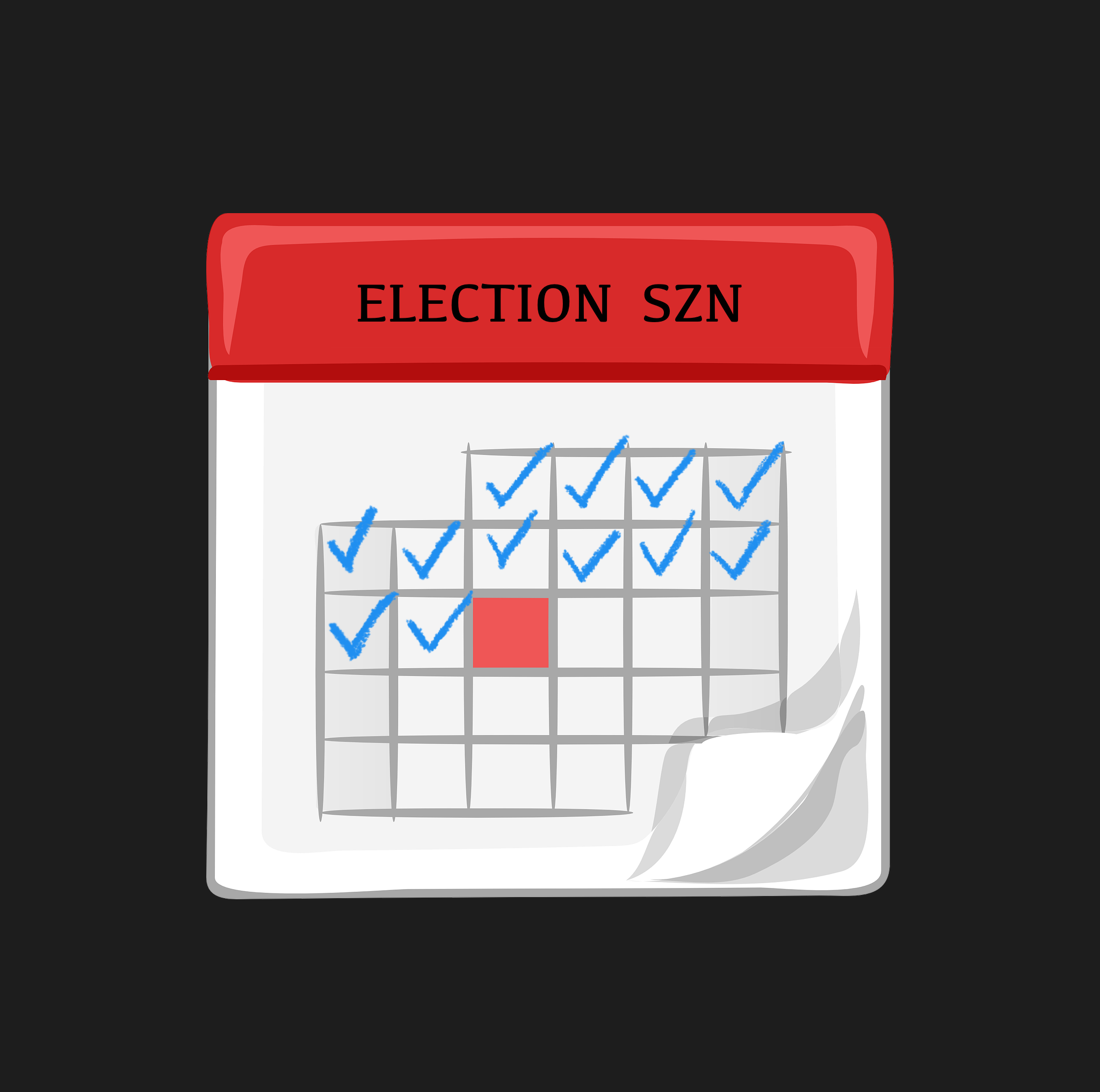
Just about everyone in America realizes that this election is going to have massive consequences for our country for decades to come. What a lot of people don’t realize is that as of today, there are only three weeks left until the end of the election. It’s time to rally.

The polls look good right now (I’m knocking on wood, trust me), but things can always change and the stakes are too high to take our eye off the ball. There are a variety of ways for you to get involved and help Joe Biden and Kamala Harris snag a dub (as well as other candidates down the ballot), and it’s time to kick it into high gear.

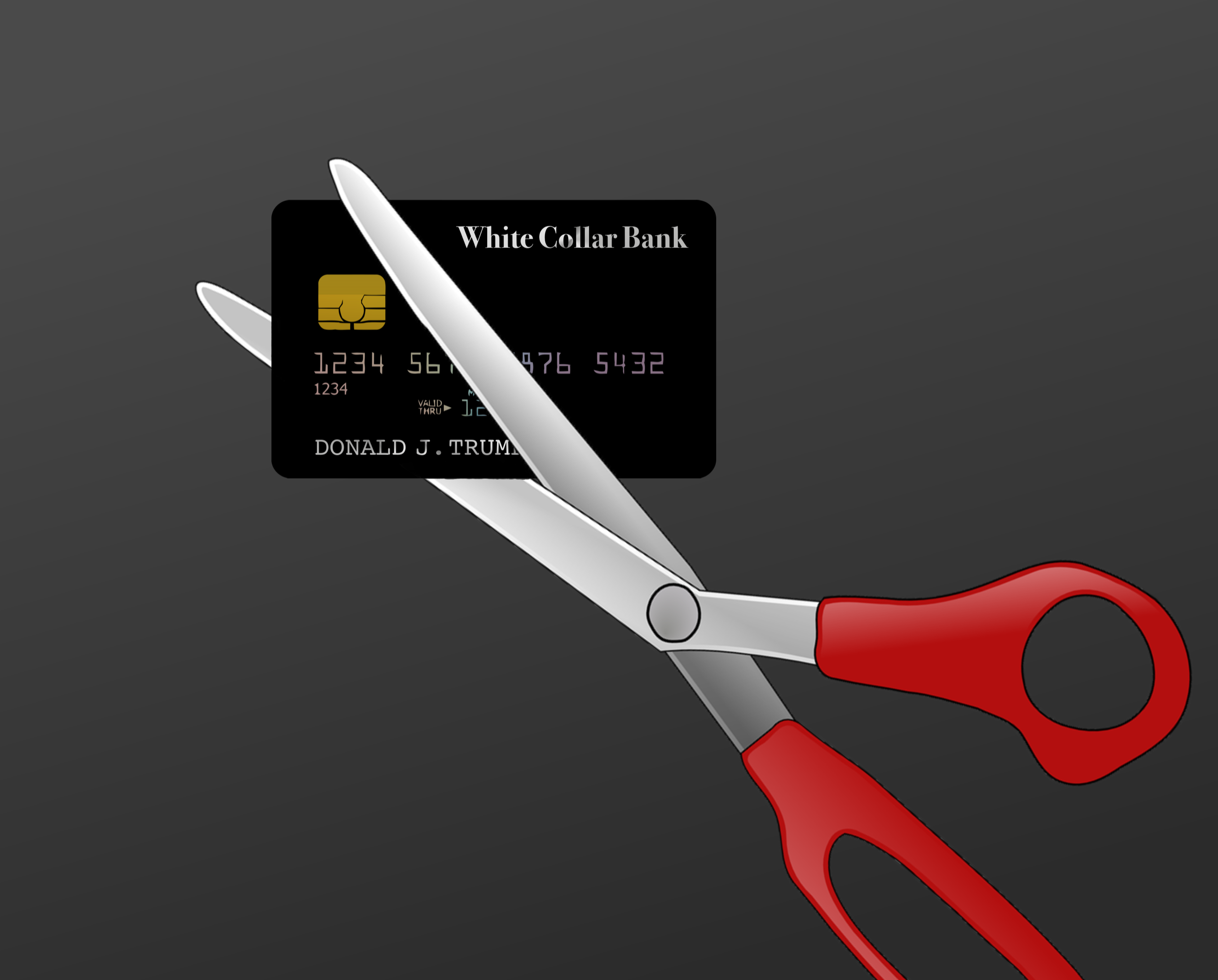
The first and easiest way is to donate. South Carolina Senate challenger Jaime Harrison’s campaign actually set a record for the most money raised in a quarter by a senate challenger, but that record could galvanize big Republican donors with millions of dollars to spare hoping to keep Lindsey Graham and other slimy Republicans in power. Now is the time to donate, if you have the extra cash; we can’t afford to cede any fundraising ground. Click here to donate to Joe Biden or here to donate to the most competitive Senate races.

Now is also the time to be talking to your friends to make sure they have a plan to vote early. Get the word out and make sure the people around you know what they need to do. In 2016, Donald Trump won one state by just two votes per precinct. TWO VOTES!!!

I’m usually not one to encourage social media use, but we also need to be sharing lots of pro-Biden and pro-democrat content. Everyone already has their mind made up about whether they like Trump or not, but they may not have decided yet whether they think it’s worth their time to vote for Biden. We need to be spreading content that highlights his humanity and his plans, creating a marked contrast with Donald Trump’s campaign of aimless vitriol.

You should also be volunteering: you do things like calling and texting voters, or you could sign up to work at a polling place.

We have the power to change the course of American history and kick Trump and his cronies out of office before their weakness and corruption cause more harm to our democracy, we just have to use that power. Now is the time.

PoliticsBroc Ganttoctober20
Taylor Swift Endorses Joe Biden & Kamala Harris

You love to see it.

Apple Event, October 2020: Pre-Event Musings

My last round of predictions and gut feelings was astoundingly incorrect, but there are a few things that have been on my mind leading up to this event, so here they are.

Obviously, we’re going to get iPhones. 5G seems inevitable. The rumors are suggesting there’ll be four new models this year, which in my opinion is too many. The rumors are also suggesting that between the two pro models (both of which are rumored to be getting bigger, which sucks), the Pro Max is going to get better camera improvements than the Pro (non-max), which really blows. I’m not a huge fan of massive phones, but I am a huge fan of great cameras, and with four new models, and that doesn’t seem like a compromise I should be forced to make.

AirTags seem to have been shelved yet again, but the HomePod mini rumors have been swirling up. I don’t know how excited I am about a smaller HomePod. The HomePod has always focused on quality sound over it’s smart capabilities, and frankly that’s been a good play because Siri is quite a disappointment these days. I don’t see why they would introduce a smaller, cheaper HomePod that ultimately will not sound as good (and again, sound quality is the only area the HomePod has excelled in), unless they’ve got some serious Siri improvements up their sleeve as well. But my god, don’t count those chickens yet.

It doesn’t seem likely that we’ll see Apple Silicon at this event, but that would be a nice surprise. I can’t wait to see what they’re capable of doing in that arena.

Cancel Culture & Free Speech

I came across a tweet last night while reading replies to the screenshots of the disgusting remarks make about the death of Elvia Ramirez that I thought was worth sharing. It said, “freedom of speech does not protect you from the consequences of that speech”.

Falling back on “free speech” as a defense when someone says something and doesn’t like the consequences demonstrates a complete ignorance of what free speech actually means. As the tweet says, crying “free speech” does not shield you from the publicly enforced consequences of that speech, it’s a defense from government censorship.

Here are my thoughts on cancel culture: cancel culture is generally harmful to society, and I don’t think it’s appropriate to cancel people for things that they

  1. Sincerely apologized for

  2. Said or did more than two or three years before

  3. Said out of context

That said, actions have consequences, and so does speech.

Here’s the point: if you say something egregiously bigoted, racist, or downright hateful, the public has every right to hold you accountable by spreading your name around, informing your employer or educational institutions of your conduct, etc. Whether those entities hold you accountable is their prerogative. Of course, this is case specific and requires nuance, but the public outrage over an action will naturally (in most cases) be proportional with how bad the action was.

Republicans, take note: cancel culture is not as simple as “the left is out to get white men”. If you don’t want to be a victim of cancel culture, state your opinions as respectfully as you can, and ask genuine questions when you don’t understand something. Nobody is perfect, but it doesn’t hurt to try for a little empathy.

The Internet-Republican Response to the COVID-19 Death of a 17 Year Old Girl

If you think this needed to be said, if you think they had a point, if you think what they said was funny: fuck you. These people are cruel, racist, and self-serving, and they lack any capacity for empathy. They’re a good example of the worst type of human beings our country is capable of producing.

Also, their grammar was predictably atrocious.


Read the original story from the Grand Forks Herald about Elvia Ramirez’s beautiful life and tragic death.

For more articles about the United States’ failed federal response to the pandemic, check out CopyrighBro’s COVID-19 Roundup.

‘The Social Dilemma’

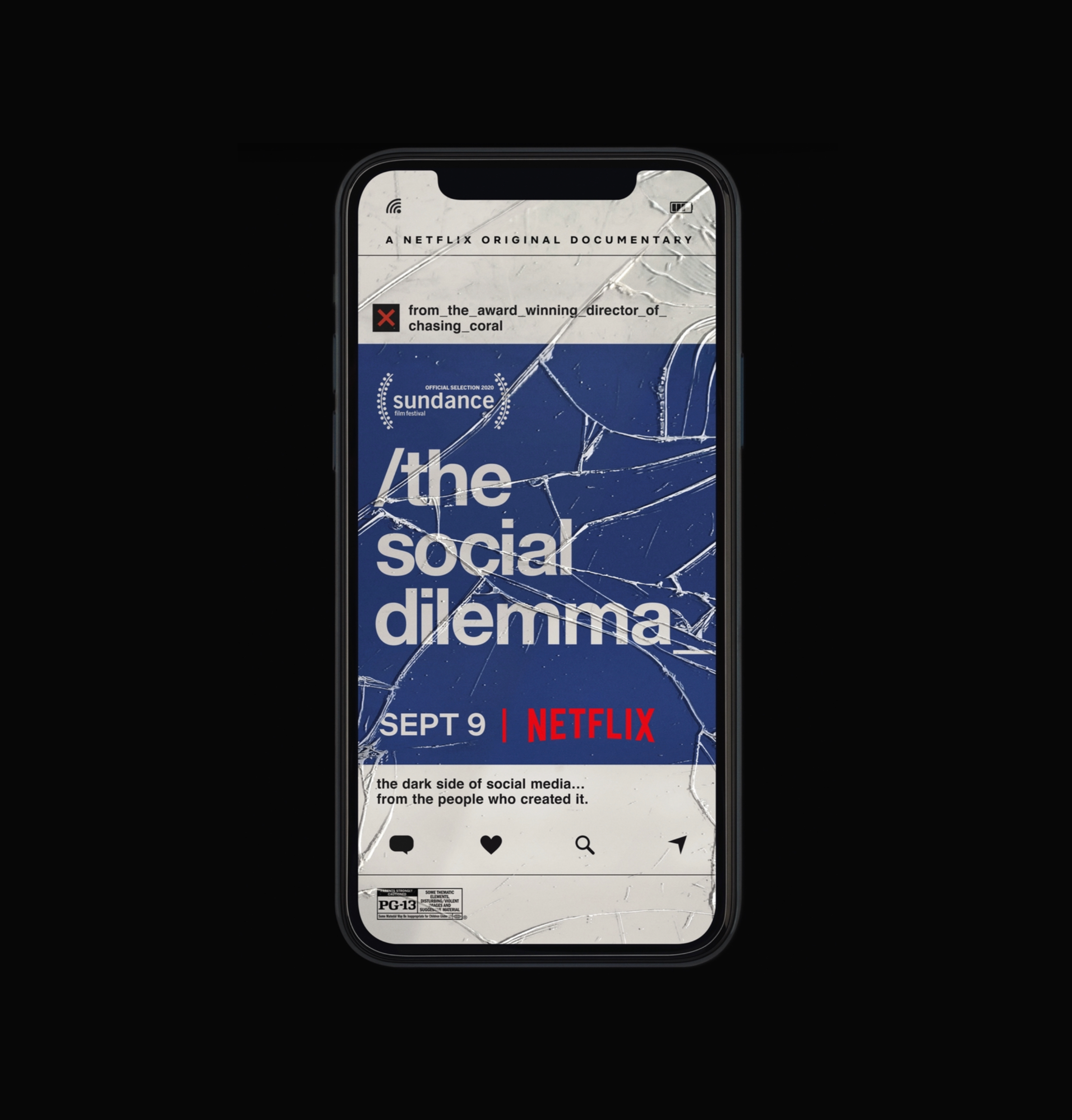
“The Social Dilemma” is a new documentary on Netflix that talks about the dangers posed by social networks and other big tech companies who draw large portions of their revenue from advertising. It details how the people who created platforms like Facebook, Instagram, Google, and others intentionally designed features to exploit human psychology and make their products addictive. It’s a good follow up to “The Great Hack”, another incredible documentary that explores how dangerous these companies are through a more political lens.

“The Social Dilemma” features a long list of ex-silicon valley inventors and programmers confirming the fears I’ve had about social media for a while now. The whole problem boils down to greed. Companies that make their money from advertising are greedy, and they deal in the business of selling human attention. The more of your attention you give to them, the more they can predict and influence your behaviors, and they’ve demonstrated that they have no problems auctioning off your attention to the highest bidder, and subsequently allowing those bidders to use your attention and the mountains of data they have on you to manipulate your feelings and your behavior. We saw what this can lead to with the Cambridge Analytica scandal; political polarization is only getting worse, and it’s already to the point where people are practically experiencing separate realities because algorithms — that very few people understand, even within the companies — are presenting them with inflammatory ads that offer “alternate facts” based on what they think will keep them engaged with the platform. The more time you spend on a social media app, the more ads you see, and the more money they make. Their goal is to capture 100% of your attention, and they have more than a few unsavory tricks up their sleeves.

The picture this film paints is bleak, but we do have a chance of brightening it up. People have to understand what’s going on, how if affects them, and where the path we’re currently on will lead us so that we can start a real conversation about these issues and demand that companies like Google and Facebook be regulated. On an individual level, the best thing you can do is to delete your accounts. Personally, I’ve deleted my Facebook and Instagram accounts, and I’ve switched to using DuckDuckGo as my default search engine instead of Google.

I’ll admit that deleting your social media accounts is easier said than done. Many folks are afraid they’ll lose touch with people or that they’ll be less informed. While I am in touch with fewer people on a regular basis, my connections with those people are much deeper and far more fulfilling. I’m more informed than ever, and my opinions are more reasoned and less reactive. I recognize that not everyone has the self control to delete their accounts, but there are some things you can do to reduce their influence over you. For starters:

  • Never share anything that you haven’t personally fact checked from at least one other source (by the way, your friend who also shared it isn’t a source).

  • In services that allow it, opt out of receiving personalized ads. Never click on ads.

  • Turn off notifications so you’re less tempted to log on.

Most importantly, watch this documentary, and familiarize yourself with the tactics these companies use so you can reduce their influence over you. For many people, the stakes seem low: “okay, they got me to watch a few extra cat videos, so what?” But the stakes have never been higher. Social media has led stable democratic countries into complete political turmoil, and we’re showing many of the same symptoms they did. It’s a bit like Stockholm Syndrome; you can’t solve a problem if you don’t realize that it is indeed a problem.

#deletefacebook

UPDATED: 10/12/20, 16:57

Donald Trump Backs Out of Second Presidential Debate

Two days ago, the Commission on Presidential Debates announced that they were cancelling the second debate, originally scheduled for this upcoming Wednesday, October 15th.

After news of Trump’s COVID-19 diagnosis broke just nine days ago, the commission had announced that they were transitioning to a virtual event, presumably to protect the moderators, participants, and staff safe from the infectious Trump campaign.

But that just wouldn’t do for Donald Trump (who was hospitalized with COVID just a week ago). He refused to participate in a virtual debate, calling the proposal “ridiculous”. According to Trump’s rent-a-doc physician Sean CONley, Trump is no longer contagious. Even though he had the virus just a few days ago, it seems to have just disappeared. Like a miracle. The standard time for quarantine has been fourteen days all along, but somehow, Trump is a-okay in less than 10? Interesting.

No, no. Don’t be fooled by the blurred line between medicine and politics. Trump is still contagious, and he should not be returning to public events for several more days. I’m positive he pressured Conley into telling the press that he would be fine to return to business as usual. His campaign had to know the Commission wouldn’t allow an in-person debate so soon after his diagnosis, and having Conley give the all clear was a tactic to give Trump some wiggle room to at least pretend he wanted to debate in person; Trump never would’ve agreed to a virtual debate because it highlights his failure to contain the pandemic. Best case scenario for Trump, they cancel the debate altogether, or refuse to move to an in-person debate, giving Trump latitude to back out. Worst case for Trump, they allow the debate to happen in-person, and he has the opportunity to infect Joe Biden with Trumplague.

Donald Trump may have walked away from the first debate thinking he won, but he was the only one. Even others in his campaign came away realizing how much more sane, reasonable, and likable Biden was than Trump. They know he’s weak, and they don’t want to showcase his weakness on the national stage again, if they can prevent it. The possibility of Trump refusing to debate has been lingering for months, and now it’s coming to fruition. Add that to the list of our destroyed democratic norms.

As of right now, the next debate is scheduled for October 22nd. We’ll see what excuse the Trump campaign comes up with for that one.

Are Trans People Murdered at A Disproportionate Rate?

I hate headlines that ask a question, so if you want the baby and not the labor, I’ll spare you a few minutes of reading: no, trans people don’t seem to be murdered at a disproportionate rate.

It’s common for trans rights advocates to assert that trans people are being murdered violently and at a higher rate than other groups in America, offering anecdotal evidence to support their claim. This goes without saying, but nobody deserves to be murdered on account of their gender. Murder is a heinous crime, and anyone who kills a trans person because of their gender deserves to be charged with murder and a hate crime. That said, the argument that they are being hunted down simply doesn’t hold water when you look at the numbers.

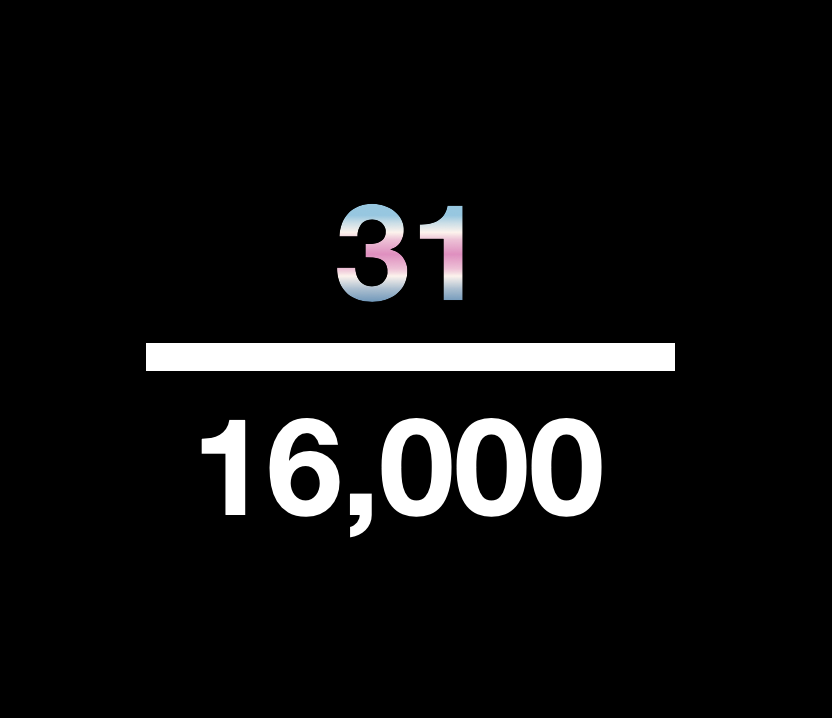
According to the Human Rights Campaign, this year is tied for the highest year on record for number of trans murder victims in the United States. Upon reading that, I expected them to report a number in the hundreds or thousands. The number they reported was 31.

According to the FBI, the United States has roughly 16,000 murders each year. If you do the math, the percentage of those murder victims who were transgender would be 0.1%. Surely, the HRC and trans rights advocates aren’t saying that’s a disproportionately HIGH number? That would mean the average number of trans and gender nonconforming people in America is less than one in one thousand, and that certainly doesn’t seem to fit within their narrative.

Of course, the HRC does offer the caveat that the number of trans murders goes underreported. I’m sure thats true to some extent, but I doubt that’s causing such a drastic discrepancy. So which is it?

Based on the numbers, it seems like either the trans/gender nonconforming community is fortunate to be murdered disproportionately less than everyone else, or the number of trans people is so tiny that 31 murders is a proportionate figure. But to say that 31 is disproportionately high and that they’re being viciously hunted down because of their gender would indicate that the number of trans and gender nonconforming people in the United States is microscopically small.

Of course, it again goes without saying that each of those 31 lives had value and that people don’t deserve to be murdered for something as inconsequential as their gender. However, if trans rights advocates hope to bring people on board with their cause, they should use claims that are backed up by statistics; we get enough attacks on science and data from the far right, we don’t need them from the left, too.

‘Ted Lasso’

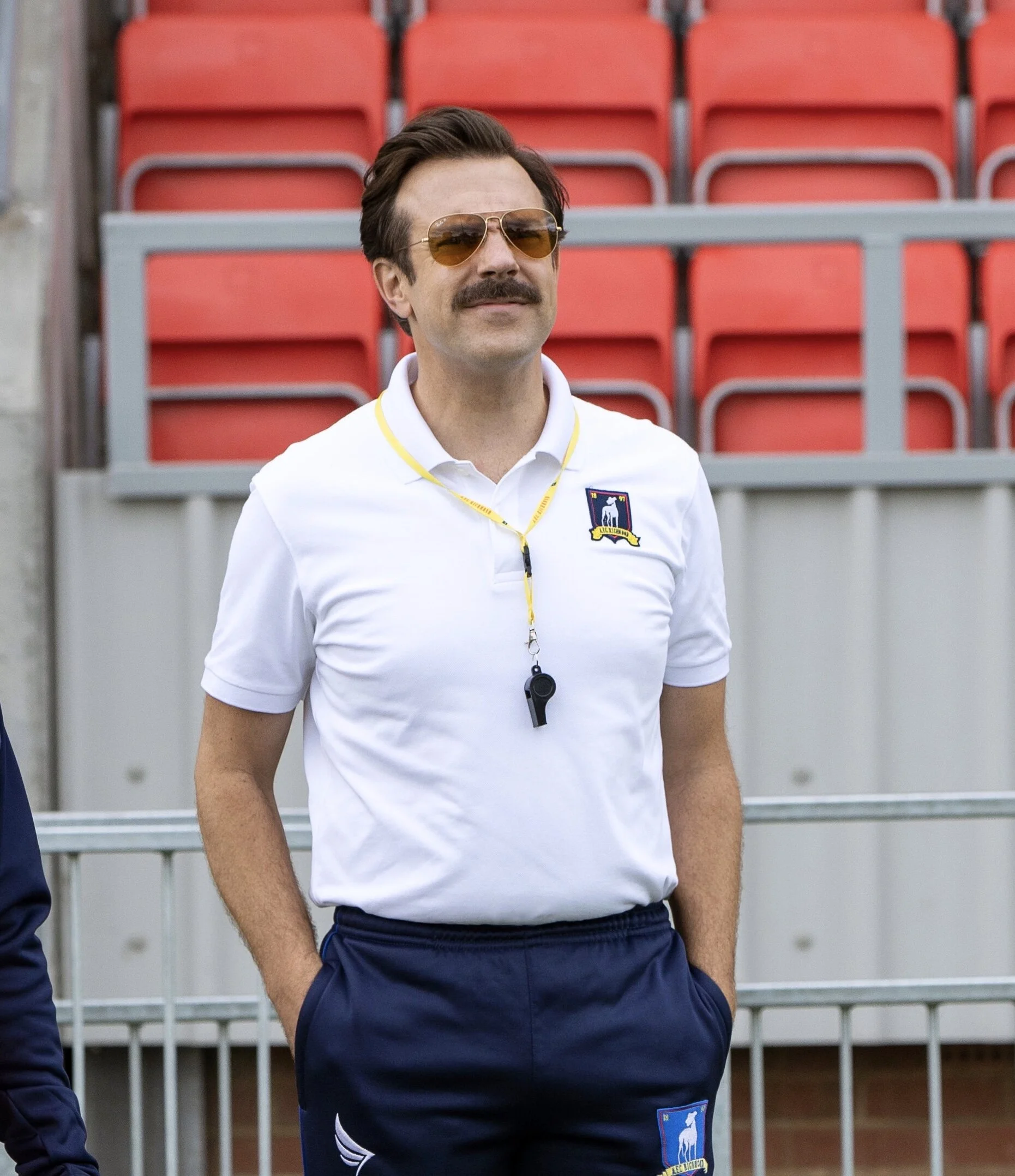
The final episode of “Ted Lasso” was released last Friday, and it was a great conclusion to the season. If you haven’t heard of “Ted Lasso”, it’s a new TV+ show about an amateur American football coach hired as head coach of a premier league soccer team in Britain. It’s a terrific concept and it’s absolutely hilarious, but not quite like the trailer presents.

While it is extremely funny, it’s also dynamic and the plot doesn’t shy away from heavier topics affecting the characters. It celebrates open mindedness and healthy expressions of masculinity; it feels like a boys club, but an inclusive one that’s happy for you to a part of it.

“Ted Lasso” is my favorite TV+ show so far, and my favorite show of this year. Check it out.

Story Time: An Example of Public School Sex Education in the Southeast United States

The United States has a uniquely backwards relationship with sexuality that can be traced back to the Puritans, and it’s something that most other developed countries aren’t plagued by. Anything relating to sexuality is shamed and considered taboo. There’s a willful ignorance when it comes to the sexuality of teenagers and young adults. Harmless, natural expressions of sexuality are actively repressed, especially in kids and teenagers. Anyone whose attractions fall outside of the “normal” heterosexual variety are shamed and compelled to hide their sexuality. Some preach abstinence for these groups, even though mountains of data exist proving that abstinence-only sex education leads to increases in STIs and unwanted pregnancies. Still, many states have abstinence-only sex education, or sex education that’s so inhibited by what the instructors are allowed to tell the students that it’s effectively useless.

Because we’re trained to see any topic relating to sexuality as impolite and shameful, the problems we face with regards to sex education naturally aren’t something that we talk about very often. I think it’s an important conversation to have for a plethora of reasons, so I wanted to offer my personal experience with public school sex ed as an example of how inadequate it is and why things need to change.

The school system I attended (shout out to Gaston County, whose interstate welcome signs aptly read “Welcome to Gaston County, Please Don’t Litter”), offered two opportunities for students to receive a watered down version of sex education, which, in both cases, required a signed permission slip from a parent for the student to attend.

Fifth Grade

The first course, offered in the final weeks of fifth grade, was a single, sex-segregated, two hour presentation called “family life” (a name that none of the kids in the class really understood before or after the course). Even though it was specifically tailored for a room full of of boys, the class spent almost the entire two hours teaching us about the female reproductive system. One of the two hours was devoting to watching videos of how a babies grow in the womb. And periods! My god, did they tell us about periods. They probably spent thirty minutes telling us about periods and thirty seconds telling us about ejaculation, but hey, why would we need to know about the fluids that would eventually be produced by our own genitals?

I came away from it having learned very little new information about my own body, and nearly nothing I hadn’t already guessed. It was all very hypothetical and entirely divorced from any degree of specificity. A lot of it didn’t make sense, but the atmosphere was so tense that nobody asked questions for fear of getting in trouble. They devoted about ten minutes to covering the male body. The extent of the knowledge presented about what changes we should expect was:

  • Soon enough, you’ll get taller and your voice will change.

  • Some hair is gonna grow in new places: in your pants, on your legs, your armpits, maybe even your chest in a few years, if you’re lucky.

  • You may need to start shaving soon.

  • Your penis won’t necessarily look like all your buddies’ because a lot of you had the tips chopped off when you were born but some didn’t. It’s called “circumcision” but it doesn’t matter or make a difference either way.

  • For roughly the next decade, it’ll be normal for your dick to get hard at random times throughout the day and no you can’t control it but you should be embarrassed by it and do everything you can to hide it. (Why does it get hard, you may wonder: so did we, but they never told us why erections happen.)

  • At some point, your balls will start to make sperm, the ingredient that combines with a female’s egg to make a baby start to grow. (You may wonder how it combines with an egg: again, so did we.)

  • Deodorant is EXTREMELY important. The teacher probably mentioned a dozen times how essential it was to start wearing deodorant.

And that was pretty much it. They did curtly ask if we had any questions, and I presume everyone had so many questions that we didn’t have a clue what to ask. One brave soul did raise his hand to mumble a question about condoms, which the instructor refused to answer. I had no clue what “condom” meant; the instructor hadn’t mentioned anything about them (the boy who asked the question must’ve heard about them from an older brother or something). No further questions were taken.

I did walk away with a goody bag, though, after being sworn to secrecy and threatened with a trip to the principal’s office if we discussed any of what we had just learned after the class had ended. What was in the goody bag, you ask? A tiny stick of deodorant, some paperwork, and a signed card promising I would wait (though they never explained what it was I was waiting for). Certainly no condoms or anything useful, but rumor had it that the girls’ bags had pads in them.

Naturally, my parents asked what I’d learned, and I told them it was mostly about girls and deodorant. Some of my male friends’ parents had apparently received similar responses from their sons, because I specially remember overhearing several phone conversations between my parents and my male friends’ parents about the course, wondering why they’d chosen to exhaust the two hours focusing primarily on the changes girls could expect rather than boys.

Seventh Grade

The second course was actually a series of three, hour-long classes worked into the health class curriculum and taught by the PE coach, so it was also segregated by sex. It was certainly more informative and frank than the first course, but it was still very inadequate. This time, the class focused on puberty and maturation a bit more broadly, with the first day being dedicated to how our bodies would develop, from height and musculature to our nutritional needs and safe ways to exercise. There were only brief mentions of deepening voices, growth of body hair, and genital development.

The second day focused on the science of reproduction, explaining in great detail how a fertilized egg becomes an embryo, a fetus, and eventually a baby. Of course it’s important for prospective parents to understand that process in detail, but is it necessary for 12 and 13 year olds who don’t even know how the process starts? Most of us were quite bored and uninterested that day.

The last day was only half the length as a result of our regular class schedule, so it was primarily used to answer questions. Middle schoolers are certainly less innocent than elementary school kids, so there were a couple questions fielded by the health teacher that didn’t come up in the fifth grade class. The funniest and most memorable question was when someone asked if the penis was a muscle, to which the coach emphatically informed us that it is NOT a muscle and, as if he could read minds, urged us not to try to stretch it or otherwise exercise it with the goal make it bigger (he offered us a consolation prize though, promising us that they’d get bigger with time and that no partner worth having would care how big it is anyway). We were all ready to leave the class after that. Nobody was brave enough to ask the biggest question we all had.

___ Ed.

You may have noticed that none of my sex education addressed anything to do with sex, the verb. Never any mention of what happens during sex, what consent means, how to put on a condom, how to avoid sexually transmitted infections, etc. There was certainly no mention of oral sex or what options may be available to the boys in the class who were attracted to the same sex.

There was absolutely no reference to sexual intercourse at all, much less as something that people would ever do for fun or for emotional benefit. The closest we came to an acknowledgment that sex is not exclusively for reproductive purposes was when the PE coach told us (in response to a rather blunt question about the definitions of “ejaculation” and “orgasm”) that ejaculation and orgasm sort of the same thing, and that that’s what it’s called when semen comes out of your penis and that it feels really good. The coach was kind of a bro.

You may be thinking, “well, by middle school, some kids are going to know what sex is”, and that’s true. Some of my classmates did know what sex was by that point, but the problem lies in that the coach wasn’t allowed to define it for the majority of us who didn’t know what it was, and that resulted in most of us feeling like we were on the wrong side of an inside joke most of the time.

Call me a late bloomer, but I was in ninth grade before I realized what sex actually was, and that a penis had to go inside a vagina for the sperm and egg cells to come together, and I only learned that when I discovered porn (I guess up until that point I thought naked cuddling was sex). The sex education I received was so inadequate that for four years after my first sex ed class and two years after my seventh grade sex ed class, I honestly thought sperm crawled out of a man’s penis, across the bedsheets, and into a female’s vagina like sticky, microscopic inchworms. Laughable. But not actually that funny when you consider the theoretical consequences.

The sex education my classmates and I received was woefully incomplete. As a matter of fact, though, the consequences weren’t all that theoretical. One of my classmates missed a few weeks of class in eighth grade following the birth of her daughter, and now, there’s a little girl running around somewhere named after a “twilight” character because she was born amidst a teenybopper, pop culture phenomenon and her mother was a thirteen year old girl. Talk about consequences.

The First 2020 Presidential Debate

The first presidential debate was widely regarded as a shit show, but that wasn’t entirely how I felt about it. Calling it a shit show implies that everyone involved detracted from what the event could’ve been, and that isn’t what happened. Rather than type ad nauseam about the many aspects of this debate that could be analyzed, I’m just going to give my thoughts on some key moments and how I perceived each candidate and their debate strategies.

BIDEN

Biden’s strategy seemed to be to ignore Trump’s petty insults, fact check his most egregious lies, call out his hypocrisy and his ineffectiveness, and to communicate his own plans when possible. It was a tall order given Trump’s behavior, but he faired well enough, and I think people recognize that most of the incivility and interruptions were coming almost exclusively from the other side of the stage.

He did a great job of not lingering on Trump’s baseless attacks and moving back to the issues he wanted to talk about, at times looking at the camera and speaking directly to the viewers about what he intended to do if elected, ignoring Trump’s antics and interruptions in the background.

You could tell he was trying to remain calm, and while he never lost his cool, it was evident that he got annoyed a few times, but that annoyance led to several good lines:

  • Early on in the debate where it became clear that Trump had no intention of allowing anyone else to talk, Biden said to a flailing Chris Wallace: “You’re not gonna be able to shut him up.

  • At one point, fed up with Trump’s aimless interruptions, Biden exclaimed “Will you shut up, man?” 

  • In response to Trump’s cavalier attitude toward the number of COVID-19 deaths: “It is what it is because you are who you are.”

  • He flatly called Trump a clown and a racist.

  • "You're the worst president America's ever had."

TRUMP

Donald Trump had roughly two coherent responses, and spent the rest of his time making blunt interjections, tactless interruptions, and talking over not only Joe Biden, but over moderator Chris Wallace as well. His conduct was so bad that Wallace had to remind him during the debate that he was breaking the rules he agreed to. He behaved like a playground bully. 

Trump is behind in the polls, and this was a good chance to make up some ground. His debate performance against Hillary Clinton was a huge boon for his 2016 campaign, so I’m sure his 2020 campaign was hoping the debate would boost their poll numbers this time, too.

Despite the significance of this event for Trump’s campaign, there isn’t very much to analyze in the way of his debate strategy: his only goal seemed to be to talk over Biden and the moderator as much as possible, and the “points” he made were nearly all ad hominem attempts to destroy Biden’s character. It was a similar approach to the one he took in 2016, but with one key distinction: this time, it didn’t work.

Joe Biden is not Hillary Clinton. Biden wasn’t in the center of the national spotlight for decades before ending up on the debate stage, and while he’s less well known, he’s generally more likable and people find him honest and sincere. Blaming the muck of the D.C. swamp on Hillary Clinton was easy for Trump to do as a political newcomer. It was nearly impossible for him to do this time, now that he’s been in charge for the past four years and virtually nobody (except the top 1%, perhaps) is better off than they were in 2016. The only argument Trump can make is “yeah things suck right now, but they would be worse with Joe Biden”, which isn’t exactly a home run message. I doubt anyone who wasn’t already in Trump’s base watched this debate and came away from it thinking he was the more reasonable candidate.

KEY MOMENTS

As expected, Wallace raised the issue of Trump paying just $750 in federal income tax. Trump’s response was that he paid “millions of dollars” in federal income tax, and that “you’ll get to see it” as soon as he’s able to release his tax returns. He claims that he can’t release his tax returns  right now because he’s under audit, but it’s worth noting that he used the same excuse in 2016. Also worth noting, being under audit does not prevent you from releasing your tax returns. Every president is required to be audited by the IRS, and they all managed to release their tax returns. 

At one point, Joe Biden was talking about his late son Beau Biden’s military achievements. Trump interrupted Biden, saying “I don’t know Beau, I know Hunter” and proceeded to antagonize him over Hunter Biden’s prior struggle with cocaine. Joe acknowledged this, saying that like a lot of people, his son did have a drug problem but that he overcame it, and that he was proud of him. In the midst of the opioid crisis, it was an extremely tone deaf and downright cruel interjection from Trump, and it teed Biden up for a heartfelt moment that would resonate with millions of Americans who’ve been affected by substance abuse and addiction.

The biggest takeaway from this debate was when the moderator asked Trump if he would condemn white supremacy. Trump initially said that he was prepared to do so, but he immediately tried to change the subject. When pressed by Biden and Wallace to actually denounce white supremacy, Trump’s response was to tell the Proud Boys to “stand back and stand by”. It was less a denunciation than a call to arms. The Proud Boys like his message to them so much that they put it on t-shirts. It goes without saying, but whether Trump is truly a white supremacist or whether he feels he can’t afford to alienate even a single, fringe member of his shrinking base is not the point.

WHAT’S NEXT?

In the wake of Trump’s COVID diagnosis, it seems hugely unlikely that the second and third presidential debates will go forward as planned, if at all.

Reports indicate that Trump knew he had been exposed prior to the first debate, yet refused to warn the Biden campaign or give anyone a heads up that he could’ve been contagious; it’s criminal negligence. It’s also disrespectful and irresponsible that the Trump family didn’t wear masks for the duration of the debate: if they take them off next time, kick them out. Better yet, just don’t allow them inside the venue in the first place.

If I were running the Biden campaign, I would insist on much stronger health precautions if more in-person debates are to occur.

Apple Watch Series 6 & Apple Watch SE
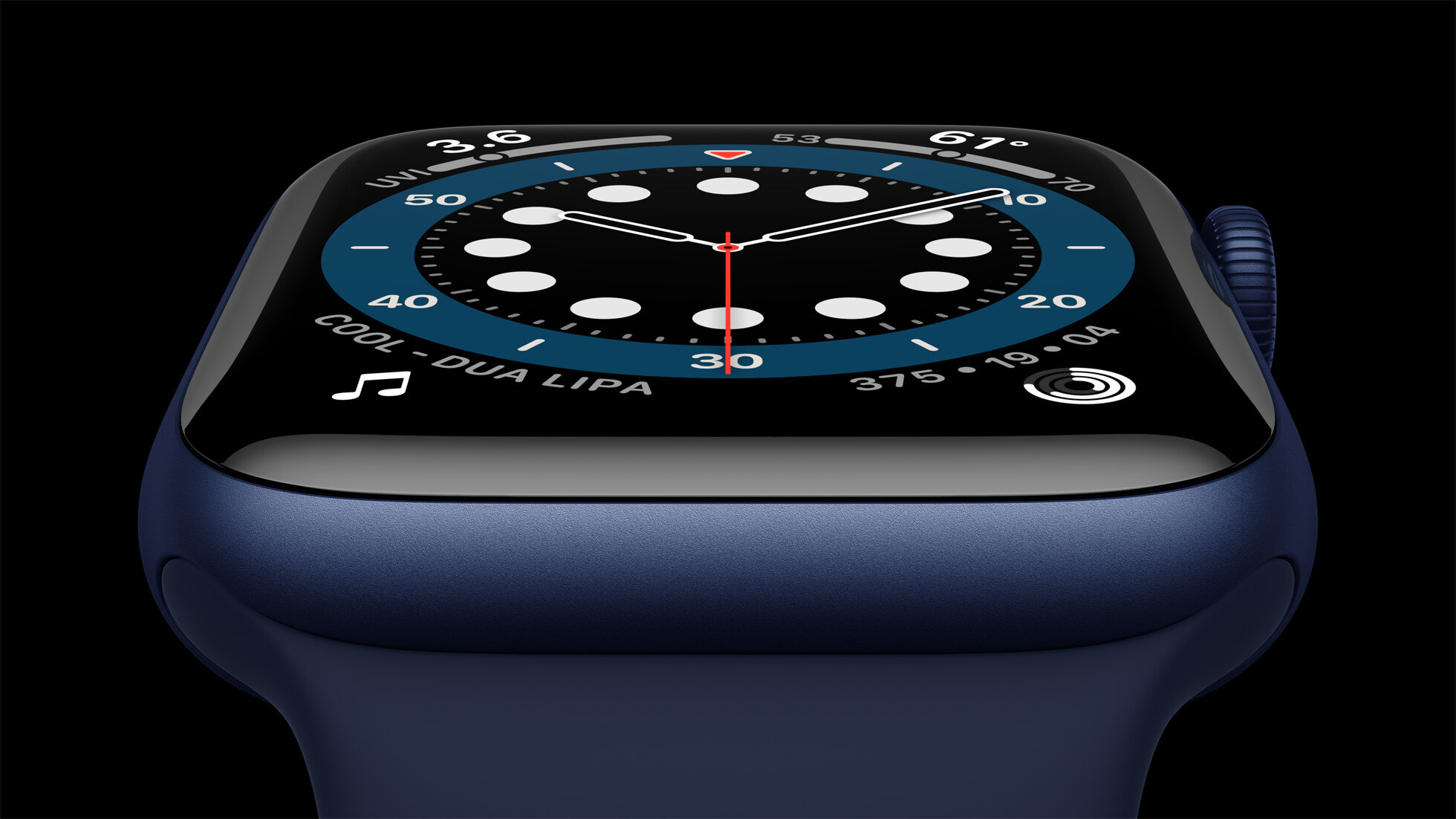
Apple_watch-series-6-Aluminum-blue-case-close-up_09152020.jpg

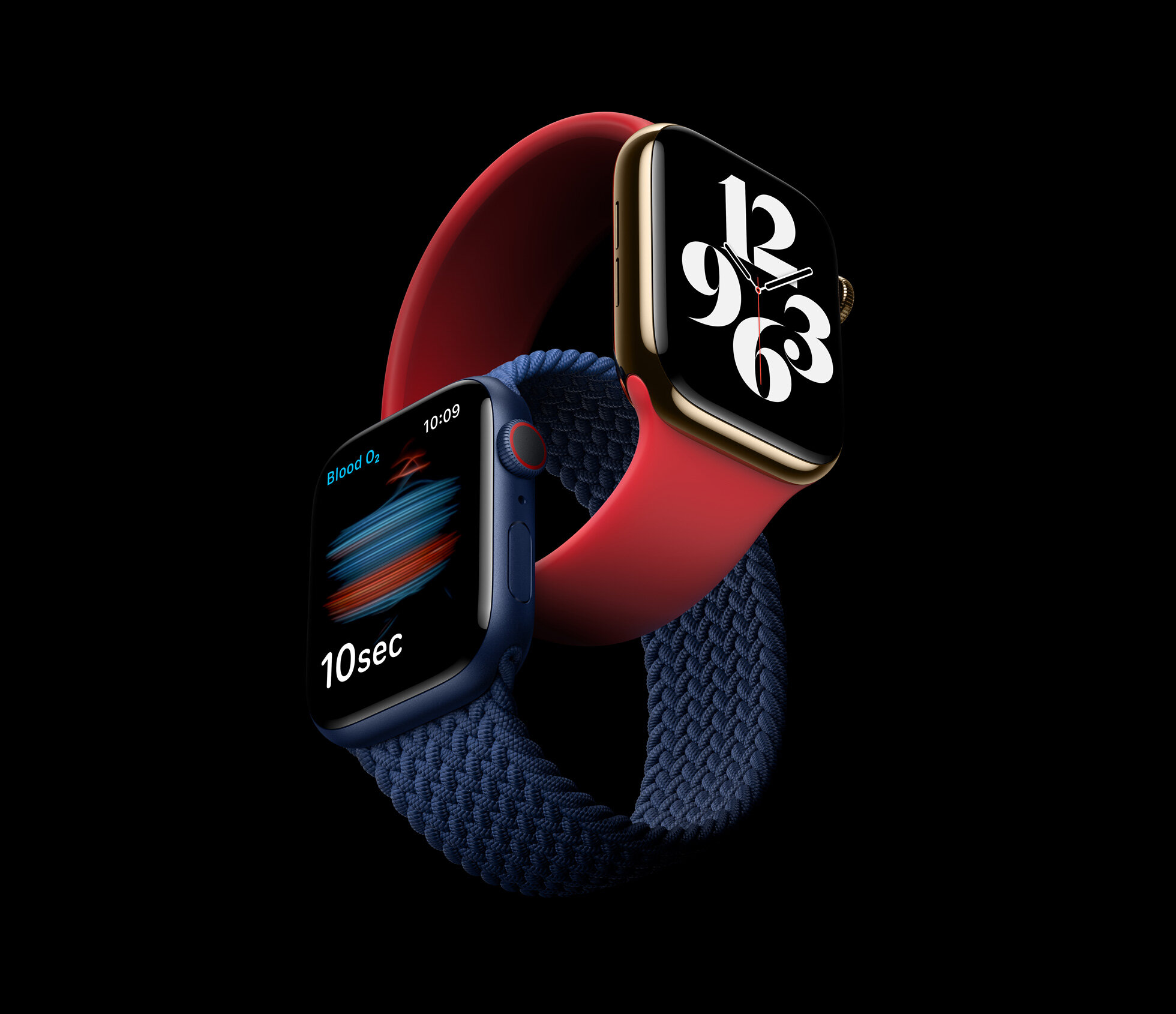
Two weeks ago, Apple announced the Apple Watch Series 6 and Apple Watch SE at their online event.

The Apple Watch Series 6 boasts a few new features over the Series 5, but it’s certainly more of a refinement than a revolution. It now includes a sensor capable of measuring blood oxygen, an always-on altimeter, a processor that’s 20% faster, and the always-on display is now 2.5x brighter while inactive outside. It also comes in a few new aluminum and stainless steel finishes, with two new styles of bands.

The Apple Watch SE is a combination of features from the Series 3, 4, 5, and 6, made to be a bit more future proof than the older models while coming in at a lower price point. There’s nothing new here, so we’re going to focus primarily on the Series 6’s new features, and then offer some comparisons at the end of the article for people considering which model they may want to upgrade to.

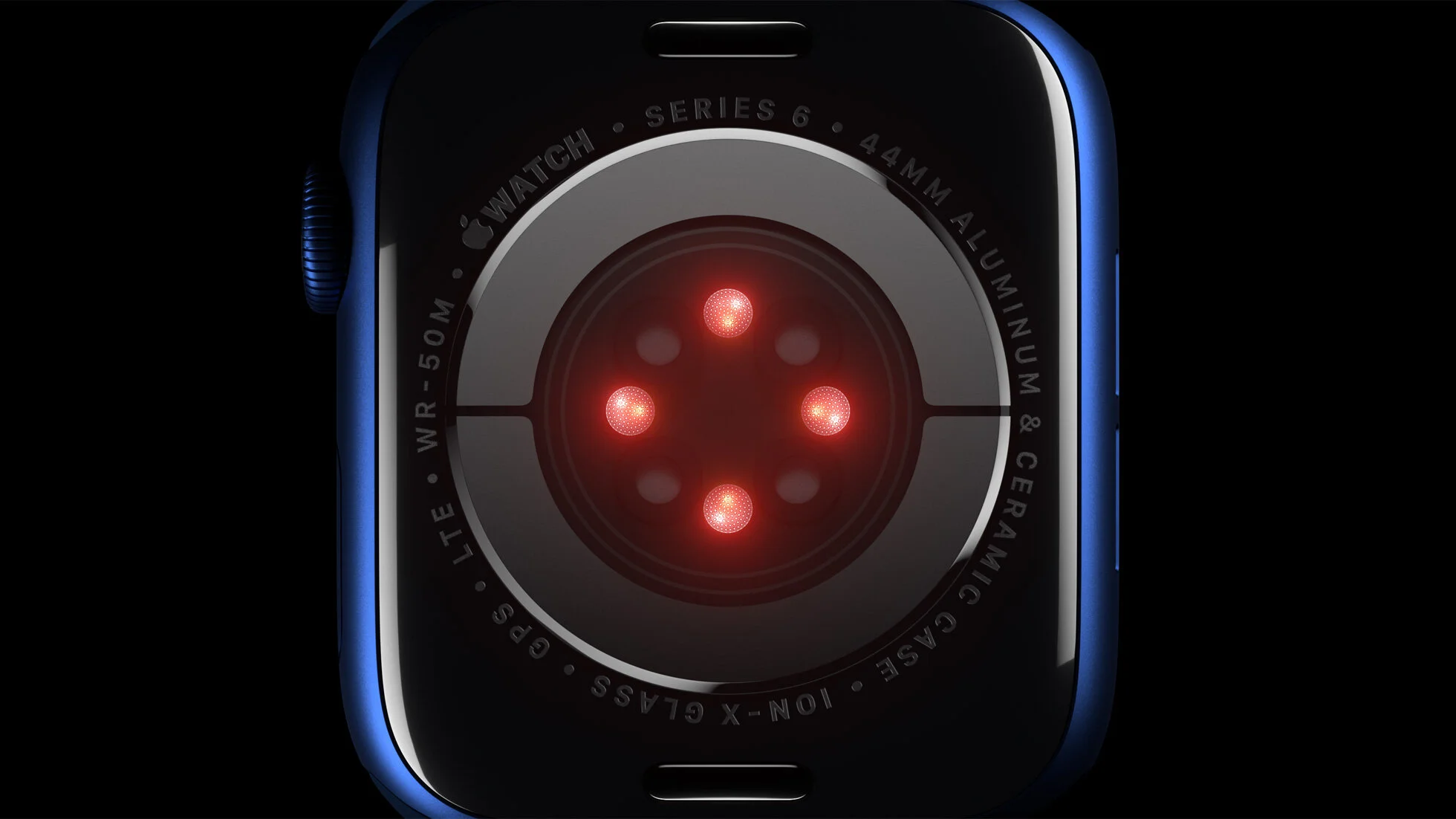
Apple_watch-series-6-sensor_09152020.jpg

The blood oxygen sensor is the most advertised new feature, but in my opinion, it doesn’t deserve to be. It’s a nice feature to have and it seems to be fairly accurate, but the sensor is quite temperamental and doesn’t always produce a reading if your wrist isn’t perfectly flat and still. Even if the sensor was a lot more capable, it still just doesn’t have a lot of utility. More data is always better than less, and I’m sure it will be used more frequently than the ECG sensor (mostly because it only takes half the time and it’s something the watch can do on its own throughout the day without user initiation), but I still can’t imagine that it will be used except by people experiencing medical emergencies, or perhaps very serious athletes. I’m sure it’s for legal reasons, bit it’s important to note that Apple includes a disclaimer in the blood oxygen app that the pulse oximetry readings it provides are not intended for medical use, which raises the question of what they actually are intended for.

The story on the display is short: the display is noticeably brighter while your wrist is down. It’s nice.

The altimeter is a nice feature to have and it seems to be fairly accurate, and I’m excited to toy around with it on a hike. I imagine it will make the “flights climbed” metric in the Activity app a bit more precise.

Apple claims the S6 chip is 20% faster than the S5 (which was exactly the same as the two year old S4), and I beliebe them, but 20% honestly isn’t enough of an improvement to be noticeable. It’ll just make this watch a little more future proof.

My overall experience with this watch has not been terrific. WatchOS is a fairly simple operating system (relative to iOS), and I’ve never had problems with it being buggy or feeling undercooked in the past, but that’s a big issue with this one. In the first two days I had to power cycle it four or five times to resolve various bugs. I encountered an issue during setup where 90% of the usual complications available to you when creating a new watch face simply weren’t available. At seemingly random times, it becomes impossible to access Notification Center and Control Center. 

Another thing I don’t like about this watch (well, less about this watch and more any watch running WatchOS 7) is the lack of Force Touch. For some reason — I presume to be more consistent with the current iPhone models — Apple has removed the watch’s ability to detect a more forceful press on the display as opposed to regular taps. The feature on the iPhone was called 3D Touch, but it was the same thing, just less widely implemented and not as necessary to operating the device. They finally got rid of 3D Touch on all the new iPhone models last year, and now with WatchOS 7, they’ve taken the ability to use Force Touch away from every Apple Watch. The new watch models don’t have the hardware necessary to detect those more forceful presses, so it’s clear that it isn’t coming back. I’m personally quite upset by this. Force touch was an integral part of the watch experience from day one, and it added a lot of convenience and depth to an operating system that was hugely restricted by a tiny display, effectively doubling the number of controls that could be accessed from any given screen. Now, if you want to end navigation directions, you have to tap a back arrow several times and find a new “end” button that’s difficult to locate, as opposed to force touching one time and then tapping the “end” button. If you want to clear all the notifications in Notification Center, you now have to scroll all the way to the top and tap an ugly button that says “clear all” rather than force touching to be presented with that button. Changing watch faces now takes a few extra seconds, because you have to long press on the face to enter the editing mode, and then again to get out of it. It’s a markedly worse user experience.


If you’re wondering whether it’s worth your money to upgrade, the factors to consider are: 

  1. Which model do you have now?

  2. How much do the Series 6 specific features appeal to you?

If you have a Series 4 or Series 5 and the always-on display, always-on altimeter, and blood oxygen sensor aren’t of critical importance to you, then the Series 6 is only a modest upgrade, and the SE wouldn’t really be an upgrade at all, so you can feel good about holding on to your watch for another year.

If you have a Series 3 or older, you may want to consider upgrading, but perhaps not to the Series 6. There’s a good chance that the Apple Watch SE will be a better (and more affordable) fit for you if the display isn’t a huge factor for you. The Apple Watch SE has the same physical design with the larger screen, and it can take advantage of all the new watch faces with richer complications. It uses the S5 chip, does NOT have an always-on display or an always-on altimeter, and it can’t take ECGs or blood oxygen measurements, but otherwise, it’s the same as the Series 6, and it costs quite a bit less. It’s also worth mentioning that for people interested in a cellular watch, you can get a cellular SE model for only a $50 up charge, as opposed to the $100 up charge for the Series 6 models.

No matter which model you currently have, if you’re hugely attracted to the always-on display, then you’ll obviously want to go for the Series 6. If the pulse oximetry capabilities or the always-on altimeter are important to you, then again, you’ll want to spring for the Series 6.

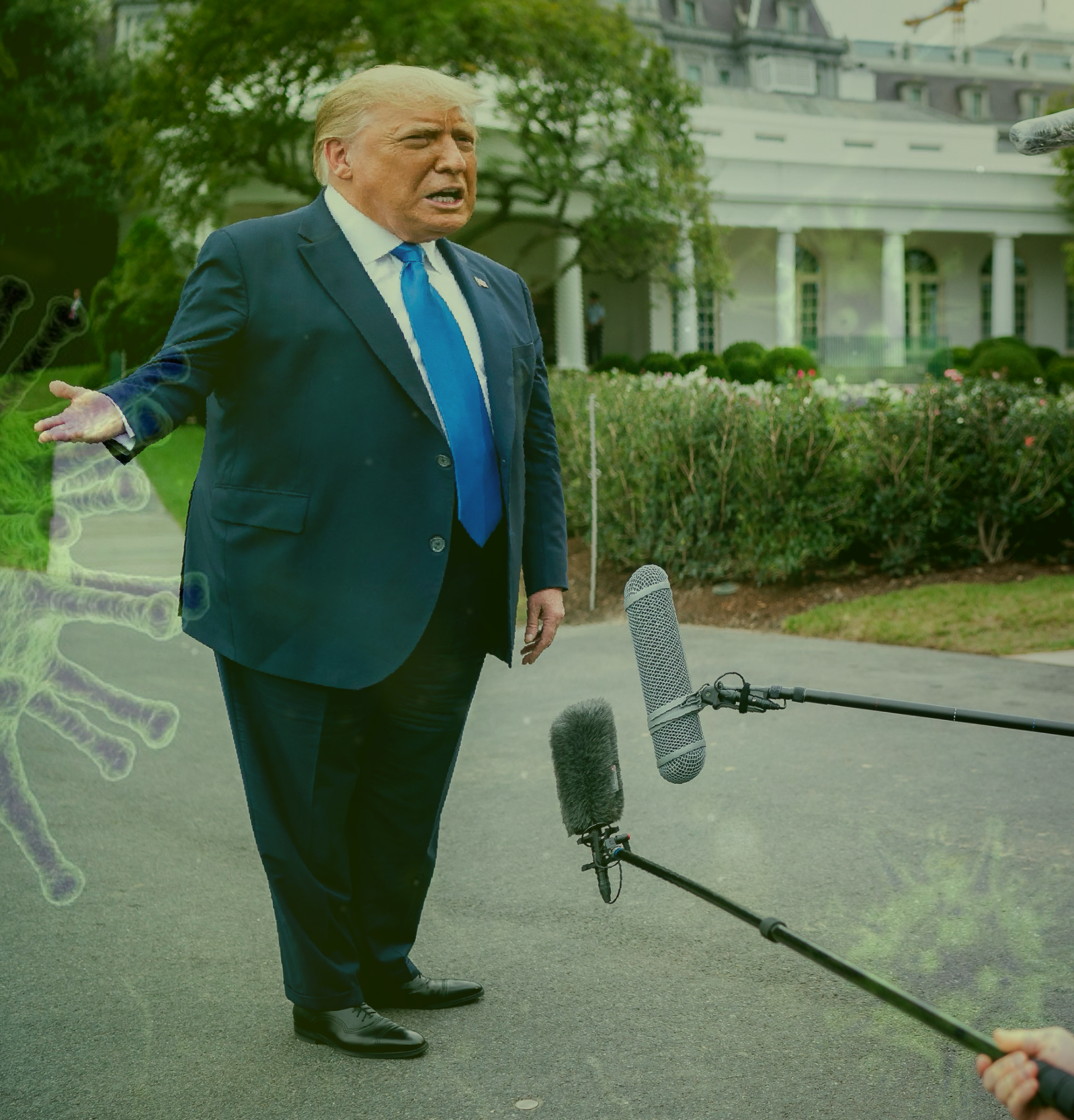
Donald Trump Has COVID-19

I wouldn’t wish sickness on anyone, but Donald Trump isn’t just anyone. He’s the man trying the hardest to unravel our democracy for personal gain. He’s spent countless hours denying the gravity of and spreading misinformation about the pandemic which now ails him because he thought it made him look bad, and the optics were more important to him than the 200,000+ lives lost as a result of his negligence. Karma is a bitch, and Donald Trump deserves this.


This news raises a few practical questions and concerns for the next few weeks. Will Trump get a boost out of pity? Will his base see this news as a national tragedy and rally around him, potentially pulling in some undecided voters? I doubt it. I don’t see how news of Donald Trump getting infected with the virus he played down for months will do anything other than make him appear weak to his base, or force them to believe he was lying the whole time. If anything, I think this will raise concerns about Trump’s longevity and help Biden. After all, Trump’s beloved stock market doesn’t seem to have a ton of confidence in him.

Some people have suggested that the president may not have COVID-19 at all, but I don’t think that’s the case. I think any “look how strong he is for beating COVID” bump he may receive would be extremely small, and the people who would say that are almost certainly in his base already. It could drive turnout a little bit, but I doubt it. A campaign’s most valuable resource is the candidate’s time, and even if Trump wanted a get out of jail free card for the last two debates, having to spend half the time between now and the election quarantined is an astronomically high price to pay.

If his case is asymptomatic or very mild, he could actually take this as a chance to say “look, I had it and it wasn’t bad, so it was smart of me to downplay it”, which could be more influential for undecided voters.

However, reports indicate that Trump is already experiencing mild symptoms, which raises the question, if his sickness progresses and becomes more debilitating or even life threatening, what happens? Surely, Trump won’t participate in the next presidential debate in person. Could the rest of the debates be cancelled altogether? If Trump’s sickness progresses the point of requiring ventilation, what happens on Election Day? Mike Pence will be in charge of the country while Trump is incapacitated, and presumably, votes for Trump will be counted as usual and he will resume power after he comes off the ventilator. What if he were to die before the election; do votes for Trump then count as votes for Pence? Can the Republican Party nominate someone else in the days before the election? Can votes already cast for a Trump/Pence ticket then be converted to support the new nominee? I don’t think so.

Another important question: what if Joe Biden gets sick? He spent nearly two hours on stage with the man yelling like a maniac. Fortunately, Joe Biden and his wife Jill have just tested negative, so we won’t wander too far down the path of hypotheticals, but man, there’s a lot to ponder.

For more articles about the United States’ failed federal response to the pandemic, check out CopyrighBro’s COVID-19 Roundup.

UPDATED: 10/02/20, 16:44

Trump’s 2016 Campaign Engaged in Racist Voter Suppression Tactics Enabled By Facebook’s Mountain of Personal Data on 200 Million American Voters

New reporting from the Channel 4 News Investigations Team:

Channel 4 News has exclusively obtained a vast cache of data used by Donald Trump’s 2016 presidential campaign on almost 200 million American voters.

It reveals that 3.5 million Black Americans were categorised by Donald Trump’s campaign as ‘Deterrence’ – voters they wanted to stay home on election day.

[…]

Vast in scale, it contains details on almost 200 million Americans, among more than 5,000 files, which together amass almost 5 terabytes of data – making it one of the biggest leaks in history.

It reveals not only the huge amounts of data held on every individual voter, but how that data was used and manipulated by models and algorithms.

[…]

In Georgia, despite Black people constituting 32% of the population, they made up 61% of the ‘Deterrence’ category. In North Carolina, Black people are 22% of the population but were 46% of ‘Deterrence’. In Wisconsin, Black people constitute just 5.4% of the population but made up 17% of ‘Deterrence’.

This is a modern example of voter suppression.

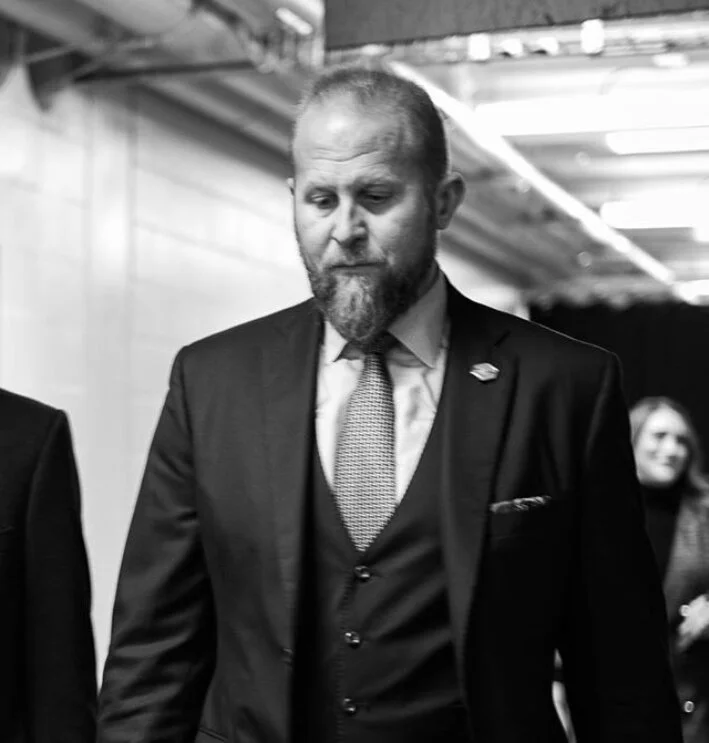
Brad Parscale, the campaign’s 2016 digital director told PBS Frontline: “I would say I’m nearly 100 percent sure we did not run any campaigns that targeted even African Americans.”

This racist piece of shit was the campaign manager, how does he not know for sure? Don’t be fooled by this “nearly 100%” bullshit, he knows they targeted black potential voters, he just doesn’t want to admit it. Why anyone would try to prevent Brad Parscale from killing himself is beyond me.

But Channel 4 News has uncovered evidence that the campaign did target Black voters with negative ads designed to crush Hillary Clinton’s turnout.These included videos featuring Hillary Clinton referring to Black youths as “super predators” which aired on television 402 times in October 2016 and received millions of views on Facebook.

This story relates directly to the Cambridge Analytica scandal, which was one of the biggest turning points for me in deciding not to vote for Trump again in 2020. It also happened to be one of the most damning revelations to come out about Facebook, and it sent them down the road of one PR disaster after the next, leading to public scrutiny and likely congressional intervention into their toxic, undemocratic business practices.

Whether President Bone Spurs himself was aware of the details or knows how targeted advertising works is irrelevant. He probably couldn’t understand it if he tried, and that doesn’t matter. I’m sure he was absolutely giddy when he found out what the crooks he employed were capable of doing with the wealth of stolen data Facebook supplied them with, even if he only had a slight grasp of how powerful that information would prove to be. Just because Trump is a babbling moron doesn’t mean the people around him are; he has authoritarian instincts, but he’s too dumb and weak to make anything happen for himself — the people around him and in his campaign are a lot more dangerous. Their whole game plan in 2016 was to use that data to target a handful of voters in just a few key counties they needed to win the electoral college, and to the nation’s election-night bewilderment, it worked.

Today, a Facebook spokesperson said: “Since 2016, elections have changed and so has Facebook – what happened with Cambridge Analytica couldn’t happen today.

Sure, let’s take their word for it.

#deletefacebook

Brad Parscale Threatens/Teases Suicide

Sounds like that camp is full of Stable Geniuses™.

This isn’t an original musing of mine, but imagine how this would’ve gone down if he was a suicidal black guy who had barricaded himself in his home with an armory and someone called the police. White privilege is real.

For-Profit Prison Allows Woman To Die After Refusing To Give Her HIV Medication

Kim Bellware, reporting for The Washington Post:

A federal civil rights lawsuit filed [two weeks ago] against the for-profit jail alleges Barlow-Austin died following 10 weeks of abuse and neglect during which she suffered inhumane conditions and “deliberate indifference” by jail staff that left her emaciated, blind and unable to walk.

When Barlow-Austin was taken into custody on a probation violation April 5, 2019, she had been managing HIV and mental health issues with regular medication and had otherwise healthy vitals, according to the complaint. She was not given her full therapy of medication in the jail, and staff failed to follow up on an outstanding request for her health records for more than a month.

For-profit prisons are tantamount to modern day slavery.

Donald Trump Is In More Than One Billion Dollars of Debt

Russ Buettner, Susanne Craig, and Mike McIntire, reporting for The New York Times:

To delve into the records is to see up close the complex structure of the president’s business interests — and the depth of his entanglements. What is popularly known as the Trump Organization is in fact a collection of more than 500 entities, virtually all of them wholly owned by Mr. Trump, many carrying his name.

Having 500 companies hardly passes the sniff test.

Donald J. Trump paid $750 in federal income taxes the year he won the presidency. In his first year in the White House, he paid another $750.

He had paid no income taxes at all in 10 of the previous 15 years — largely because he reported losing much more money than he made.

[…]

He reported paying taxes, in turn, on a number of his overseas ventures. In 2017, the president’s $750 contribution to the operations of the U.S. government was dwarfed by the $15,598 he or his companies paid in Panama, the $145,400 in India and the $156,824 in the Philippines.

Some patriot.

When he took office, Mr. Trump said he would pursue no new foreign deals as president. Even so, in his first two years in the White House, his revenue from abroad totaled $73 million. And while much of that money was from his golf properties in Scotland and Ireland, some came from licensing deals in countries with authoritarian-leaning leaders or thorny geopolitics — for example, $3 million from the Philippines, $2.3 million from India and $1 million from Turkey.

This certainly seems like a national security concern.

Indeed, his financial condition when he announced his run for president in 2015 lends some credence to the notion that his long-shot campaign was at least in part a gambit to reanimate the marketability of his name.

[…]

In fact, those public filings offer a distorted picture of his financial state, since they simply report revenue, not profit. In 2018, for example, Mr. Trump announced in his disclosure that he had made at least $434.9 million. The tax records deliver a very different portrait of his bottom line: $47.4 million in losses.

Some people who voted for Donald Trump — myself included, to a large degree — did so thinking that his public demeanor and the actions he was taking were a part of a facade designed to cloak a more serious, organized plan for what he would do with the presidency. It was just a gut feeling that you were voting for something more than met the eye.

I think it’s safe to say that’s exactly what happened. Unfortunately, the master plan was not to fix any of America’s systemic problems. Rather it was a last ditch, Hail Mary attempt to rescue Trump from his own personal finances as he dangled by a shortening thread over an alligator infested swamp.

When Mr. Trump glided down a gilded Trump Tower escalator to kick off his presidential campaign in June 2015, his finances needed a jolt.

His core businesses were reporting mounting losses — more than $100 million over the previous two years. The river of celebrity-driven income that had long buoyed them was running dry.

If Mr. Trump hoped his unlikely candidacy might, at least, revitalize his brand, his barrage of derogatory remarks about immigrants quickly cost him two of his biggest and easiest sources of cash — licensing deals with clothing and mattress manufacturers that had netted him more than $30 million. NBC, his partner in Miss Universe — source of nearly $20 million in profits — announced that it would no longer broadcast the pageant; he sold it soon after.

He’s just… dumb.

His entire presidency has focused on one thing: himself. There have been countless stories of Trump’s blatant corruption and very public abuse of his office for personal gain, yet they never stuck because his supporters would say “oh that’s a drop in the bucket for him, he’s so rich he doesn’t need that money”. Now, we know he needs it more than ever: the financial conflicts of interest have been one of the most central themes of his tenure. They weren’t a byproduct of installing a “businessman” as president, they were the whole point. He doesn’t care if he makes America “great” again or not, he’s happy to betray the ignoramuses, bigots, and fools who voted for him if it results in an ounce of personal gain. He only cares that the powers of the president remain available to him while he scrambles to rescue himself from impending financial ruin.

For a fairly succinct roundup of Trump’s many personal debts, check out this thread. 👇🏼

Worth noting: I suppose $1M might seem like a small loan to someone who is in debt by $1.1B.

UPDATED: 09/28/20, 19:23

Wannabe Murderer Charged With Wanton Endangerment

Nicholas Bogel-Burroughs, writing for The New York Times:

A grand jury in Kentucky has indicted a former Louisville police detective, Brett Hankison, on three counts of “wanton endangerment in the first degree” for his actions during the raid of Breonna Taylor’s apartment. What does that mean?

Under Kentucky law, a person commits that crime when he or she “wantonly engages in conduct which creates a substantial danger of death or serious physical injury to another person,” and does so “under circumstances manifesting extreme indifference to the value of human life.” Other states may use terms like “reckless endangerment” for an equivalent offense.

But the charges against Mr. Hankison are not for killing Ms. Taylor. None of the 10 shots he fired are known to have struck her. Instead, the Kentucky attorney general, Daniel Cameron, who is overseeing the prosecution, said the former detective was charged by the grand jury because the shots he fired had passed through Ms. Taylor’s apartment walls into a neighboring apartment […]

Not to sound too crass, but this pussy fired ten shots and still missed; why was he on the police force anyway? I don’t exactly consider myself a marksman, but if given ten shots at a sleeping target, I’m pretty sure I could course correct enough to land at least one of them.

We need to be asking if he was indicted because he maybe could’ve hit people through the wall, or if he was indicted because he failed to shoot Breonna Taylor. Why the hell weren’t the two officers who murdered her charged with anything? This is a disgusting example of systemic racism and police brutality. It should make you uncomfortable. Don’t look away, lean in. This is a conversation we must have.

For anyone trying to visualize privilege as a ladder, make sure you include a rung for “drywall” somewhere above the rung for “black women”.

Republicans Are Jizzing Their Pants Over Fresh Opportunity For Outrageous Flip Flopping

They’re all so eager to go back on their word. Aaron Blake, reporting for The Washington Post:

Now that three key GOP senators — Mitt Romney (Utah), Charles E. Grassley (Iowa) and Cory Gardner (Colo.) — have said they will not object to their leaders pressing forward with a Supreme Court nominee, despite their party’s 2016 stance against doing so in a presidential election year, the direction this fight is headed seems pretty clear.

Everyone knows Cory Gardner is a pussy, but Mitt Romney is a little more interesting. He’s been trying to act like he’s not a rank and file Republican, and he can get away with distancing himself from Trump and the rest of the republicans because he’s largely insulated from the voters by their short memories and the fact that his next election isn’t until 2024, but now we see where his priorities lie. Sure, he voted to remove Trump from office during the impeachment debacle, but he did so knowing it wouldn’t make a difference. Here, his vote could have a real impact, and his decision not to stand up for what’s right (as well as the precedent set by his own party four years ago) is unforgivable.

But some Republicans are going quite a bit further than that. They’re effectively signing off on whomever the nominee is, despite there not actually being a nominee yet. Sen. Thom Tillis (R-N.C.) said as much this weekend in announcing his support.

“There is a clear choice on the future of the Supreme Court between the well-qualified and conservative jurist President Trump will nominate and I will support, and the liberal activist Joe Biden will nominate and Cal Cunningham will support, who will legislate radical, left-wing policies from the bench,” Tillis said.

Thom Tillis is a spineless, bootlicking cunt. In his recent, televised debate with Cal Cunningham, he spent the entire hour misconstruing Cal’s responses and setting up straw man arguments because he knows he can’t defend the positions he’s taken on their own merit.

Senate Judiciary Committee Chairman Lindsey O. Graham (R-S.C.), meanwhile, declared Monday night that his committee would sign off on the as yet unnominated nominee.

“The nominee’s going to be supported by every Republican in the Judiciary Committee,” Graham said on Fox News.

I bet Lindsey Graham doesn’t want his words to be used against him now. The flip flopping is out of control. In 2016, he said the following:

"If there's a Republican president in 2016 and a vacancy occurs in the last year of the first term, you can say Lindsey Graham said let's let the next president, whoever it might be, make that nomination," Graham said March 10, 2016.  "And you could use my words against me, and you'd be absolutely right.”

Chris Cillizza, writing about Graham for CNN:

No one who has followed politics for the last five-ish years -- basically since the rise of Trump -- should be surprised AT ALL that Graham is the Republican senator with the most outrageous flip-flop on, ahem, principle.

You'll remember that when Graham was running against Trump for president in 2016, he described the billionaire businessman as a "race-baiting, xenophobic, religious bigot." And said this: "You know how you make America great again? Tell Donald Trump to go to hell."

Fast forward a few years -- and suddenly Graham is one of Trump's biggest defenders (and regular golf buddies.)

What happened? Well, The New York Times' Mark Leibovich put that question directly to Graham back in 2019. And here's how Graham answered: "Well, OK, from my point of view, if you know anything about me, it'd be odd not to do this." Pressed by Leibovich on what "this" was, Graham said: "'This' is to try to be relevant."

And, scene.


Americans who are paying attention realize that even if Joe Biden wins the election, it won’t be good enough unless Mitch McConnell gets booted from his current role as Senate Majority Leader, and enough of these morally bankrupt (but certainly not financially bankrupt) Republican senators get voted out.

The right’s obsession with Supreme Court seats ultimately boils down to a deep-seated hope to eventually overturn Roe v. Wade, but they’ve proposed no alternative to how abortion should be handled under the law. Would they prefer to ram a SCOTUS nominee through amidst the election, possibly exciting conservatives (exciting or placating? Hmmm.), but certainly enraging liberals? That seems like a surefire way to lose their majority in the senate, at which point, the Democrats would have all the power to legislate new (possibly even more liberal) laws governing abortion. Is that what they want? Republicans are only focusing on the short game, here.

Well calculated or not, this is perhaps the most brazen display of their partisanship and hypocrisy. As Majority Leader, McConnell led the Republican effort to stall on President Obama’s SCOTUS nominee, Merrick Garland, after Justice Antonin Scalia died in February of 2016. Their reasoning was that because 2016 was an election year, the Senate shouldn’t confirm a nominee from a president in the final year of his term, and should instead wait until after the inauguration to let the newly elected president nominate the next justice. Of course, that meant that the court would have a vacancy for nearly 11 months at the least. Now, when the same thing has happened in the last year of Trump’s term, yet they now claim to believe that time is of the essence and that it would be irresponsible to wait just four months to allow the newly elected president to make the nomination. It’s shameless partisanship that has real consequences.

Crooked Media is running a fundraising campaign called the “Get Mitch of Die Trying Fund”, which aims to funnel resources to the most competitive senate races of this cycle with the aim of stripping the Republicans of their Senate majority. Throughout the months long campaign, they had raised $40M as of last Friday. In the following three days, as news of RBG’s death circulated, their fund brought in an additional $17M. Click here to check out the fund and make a donation.

Also, register to vote.

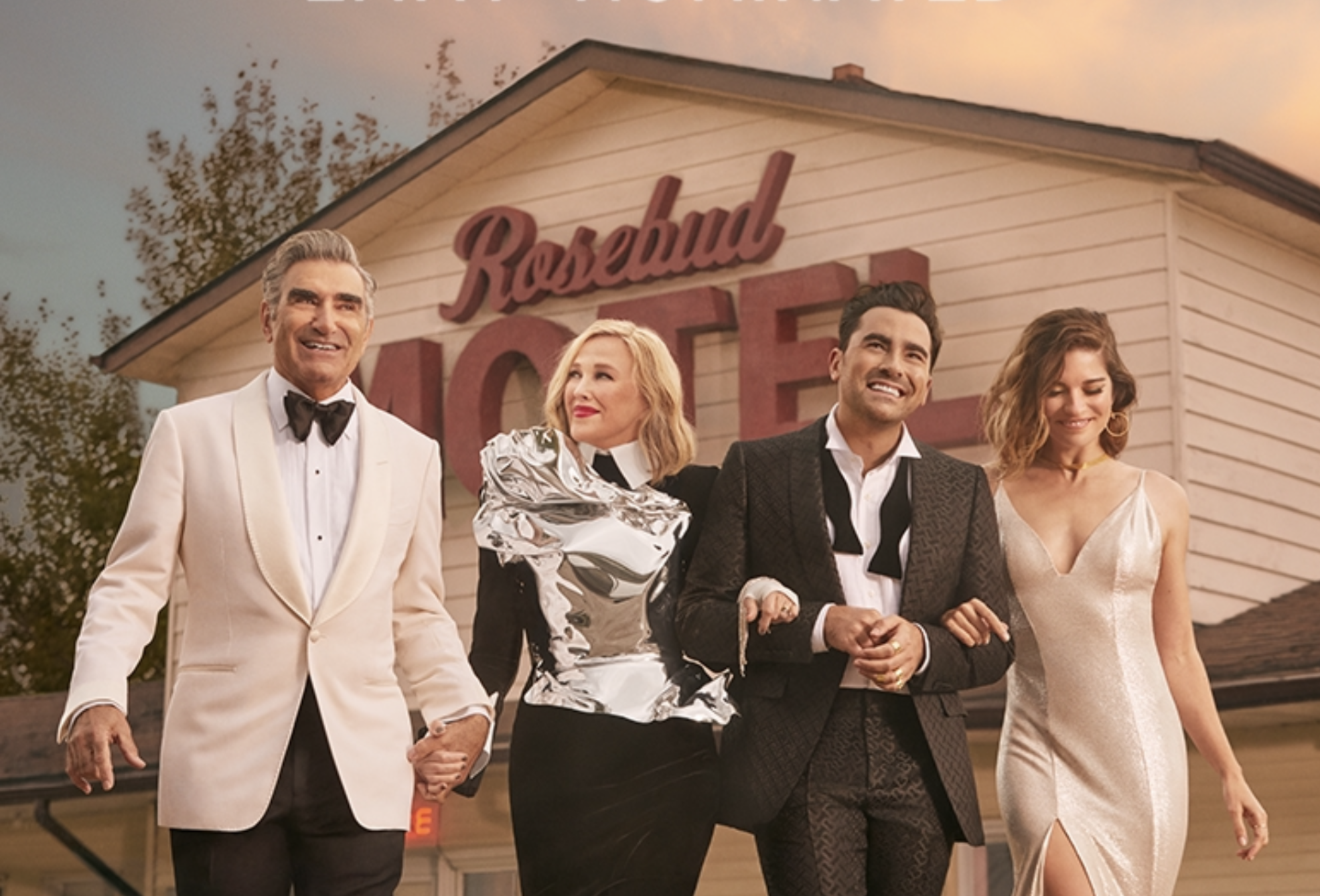
‘Schitt’s Creek’ Makes Emmys History

Schitt’s Creek is an absolutely phenomenal show, and all of the awards they won were incredibly well-deserved.

Each of the four main actors won awards for their performances, and the show also won awards for outstanding writing, directing, casting, and costumes, as well as the category award for “Outstanding Comedy Series”. In total, they took home nine Emmys, more than any show in the comedy category has ever won for a single season.

From Dan Levy’s acceptance speech: “our show, at its core, is about the transformational effects of love and acceptance, and that is something that we need more of now than we’ve ever needed before.”