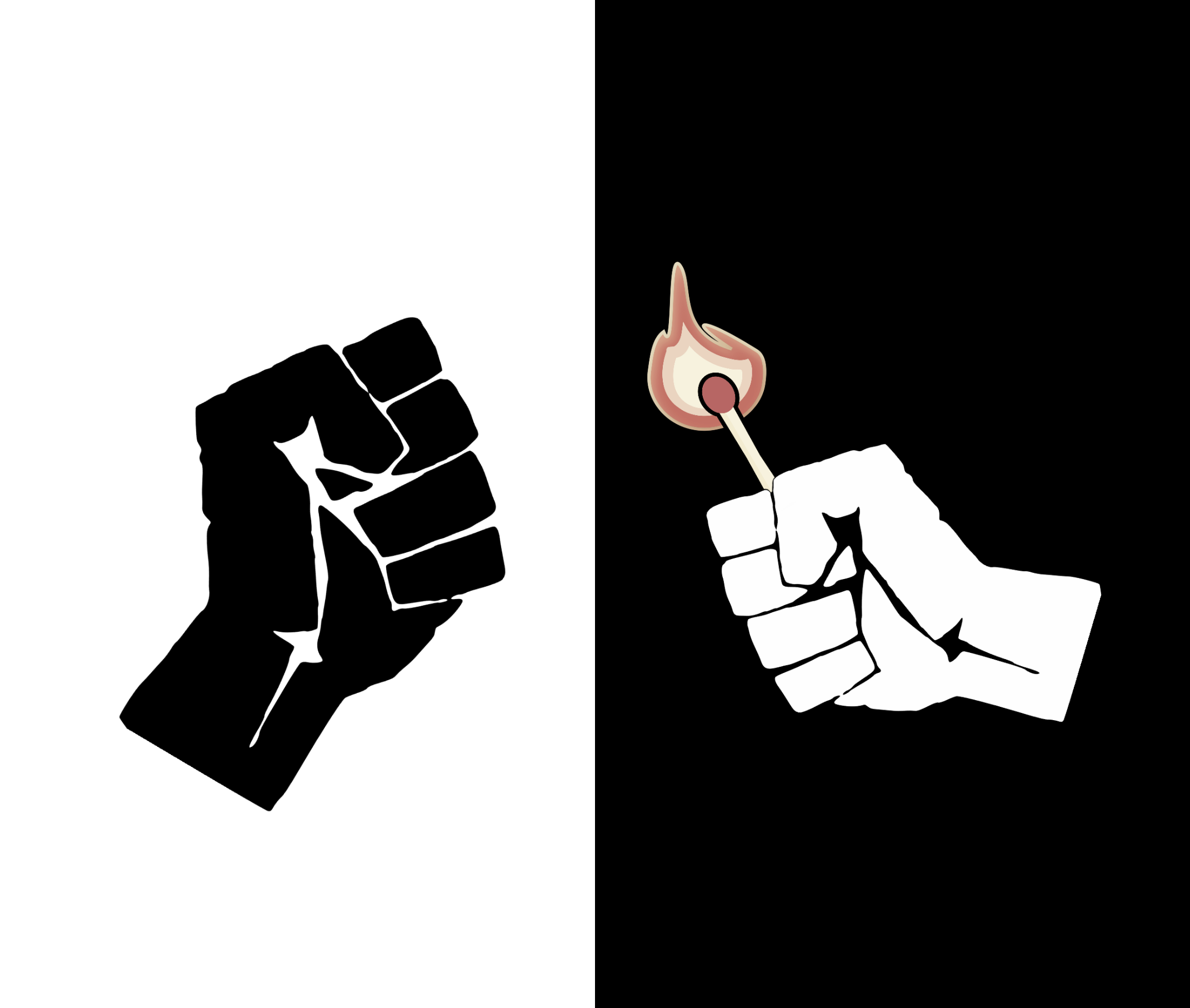
The paradox of tolerance states that if a society is tolerant without limit, its ability to be tolerant is eventually seized or destroyed by the intolerant.
The paradox of tolerance: Unlimited tolerance must lead to the disappearance of tolerance. If we extend unlimited tolerance even to those who are intolerant, if we are not prepared to defend a tolerant society against the onslaught of the intolerant, then the tolerant will be destroyed, and tolerance with them.âIn this formulation, I do not imply, for instance, that we should always suppress the utterance of intolerant philosophies; as long as we can counter them by rational argument and keep them in check by public opinion, suppression would certainly be most unwise. But we should claim the right to suppress them if necessary even by force; for it may easily turn out that they are not prepared to meet us on the level of rational argument, but begin by denouncing all argument; they may forbid their followers to listen to rational argument, because it is deceptive, and teach them to answer arguments by the use of their fists or pistols. We should therefore claim, in the name of tolerance, the right not to tolerate the intolerant.
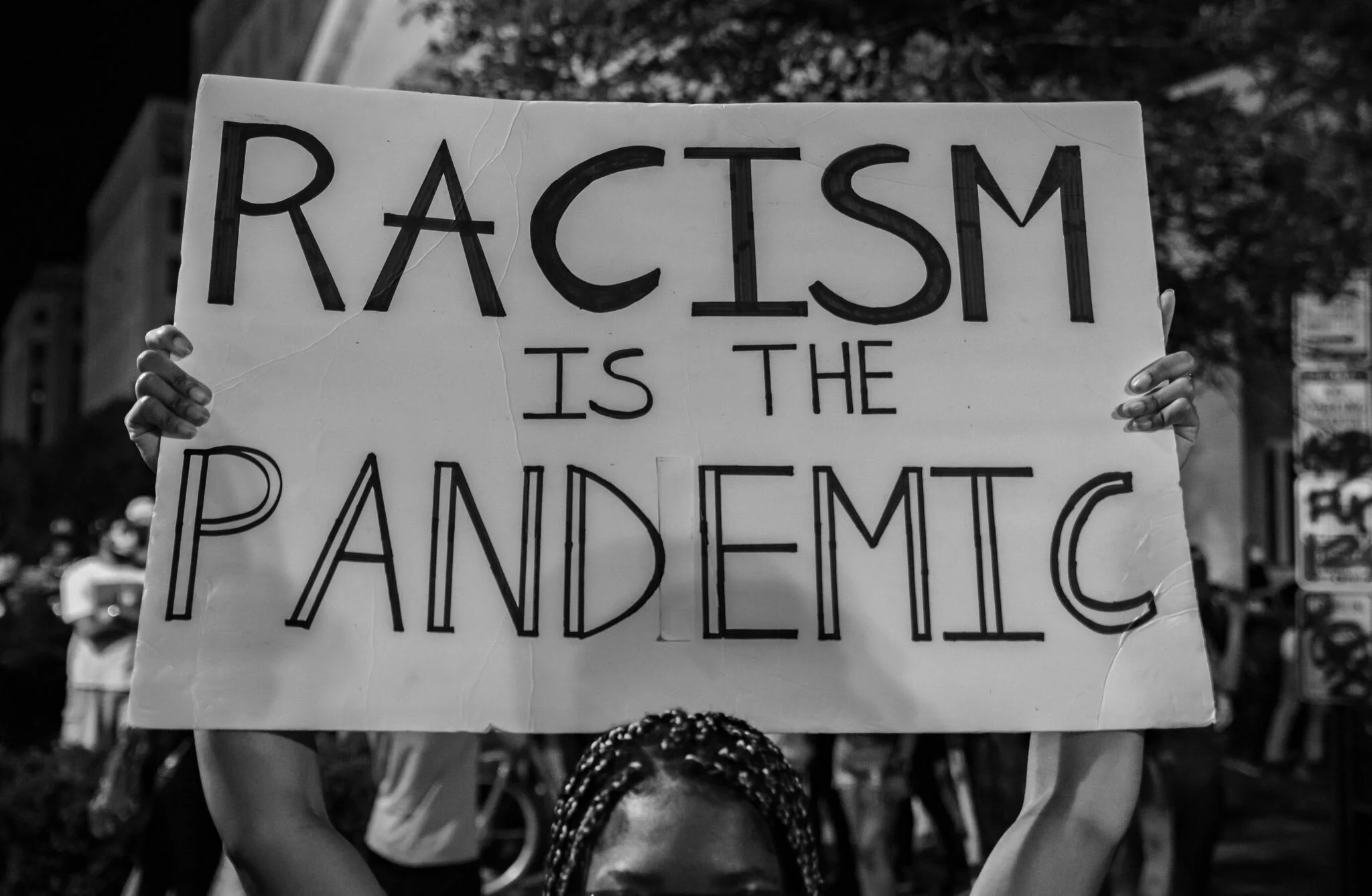
Today it was discovered that Muriel Bowser, mayor of Washington D.C. has renamed a section of 16th Street in front of the White House âBlack Lives Matters Plazaâ and had âBLACK LIVES MATTERâ painted on the street in 50-foot letters.
I hope that paint is permanent; this street will become iconic.
Iâm sure this is a real eyesore for Trump and his racist followers, but for anyone with a conscience, itâs a beautiful symbol of determination and hope.
âđźâđžâđż
From an opinion piece by Paul Krugman for The New York Times:
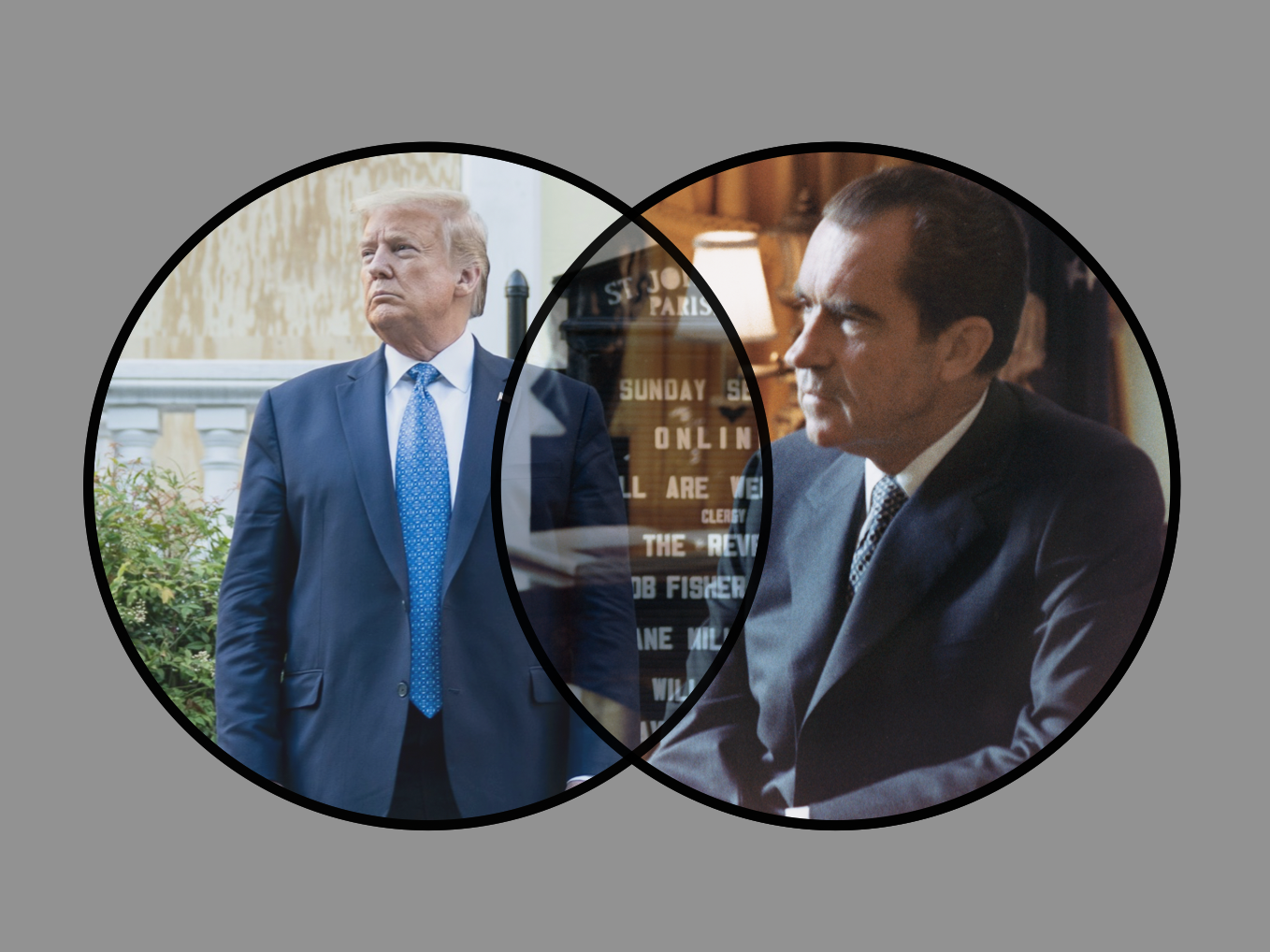
Donald Trump isnât Richard Nixon â heâs much, much worse. And America 2020 isnât America 1970: Weâre a better nation in many ways, but our democracy is far more fragile thanks to the utter corruption of the Republican Party. [âŚ] The Trump-Nixon comparisons are obvious. Like Nixon, Trump has exploited white backlash for political gain. Like Nixon, Trump evidently believes that laws apply only to the little people.
These guys have a few interesting parallels, including their utilization of concepts and dog whistles like the âsilent majorityâ and âlaw and orderâ, but their divergences are also stark and worthy of recognition.
Nixon, however, doesnât seem to have been a coward. Amid mass demonstrations, he didnât cower in the MAGAbunker, venturing out only after his minions had gassed peaceful protesters and driven them out of Lafayette Park. Instead, he went out to talk to protesters at the Lincoln Memorial. His behavior was a bit weird, but it wasnât craven.
And while his political strategy was cynical and ruthless, Nixon was a smart, hard-working man who took the job of being president seriously.
His policy legacy was surprisingly positive â in particular, he did more than any other president, before or since, to protect the environment. Before Watergate took him down he was working on a plan to expand health insurance coverage that in many ways anticipated Obamacare.
A Republican who didnât burn tires and thought people should have access to healthcare? Mustâve been a communist plant.
So Trump is no Nixon. And the country heâs trying to dominate â his favorite word â is very different, too. [âŚ]
A majority of Americans are willing to acknowledge that racism is real and see it as a problem, which represents huge moral progress. Nixonâs âsilent majorityâ is now a noisy minority.
At the time, Nixonâs silent majority was basically code for âwhite people who all agree that theyâre better than everyone elseâ. Now, Trumpâs silent majority is actually a noisy minority of white people who pretend that they donât think theyâre better than everyone else, but make arguments in bad faith that prop up systemic racism and facilitate the preservation of the status quo that makes them feel comfortable because it affords them a disproportionate amount of social power.
But itâs a very dangerous minority. While we are, as I said, in many ways a better nation than we were, weâre also a nation in which the rule of law and democratic values are very much under siege.
At this point itâs alarmingly easy to see how the United States could follow the path already taken by Hungary, becoming a democracy on paper but an authoritarian one-party state in practice. And Iâm not talking about the distant future: It could happen this year, if Trump wins re-election â or even, potentially, if he loses but refuses to accept the results.
Unfortunately, the way the electoral college is designed, it allows for the ballots of such a minority to have disproportional sway.
And the reason democracy is threatened in a way it never was under Nixon is not simply that Trump is a worse human being than Nixon ever was; it is the fact that he has so many enablers.
Trumpâs authoritarian instincts, his admiration for and envy of foreign strongmen, his desire to militarize law enforcement have long been obvious.
To paraphrase the hosts of a political (though admittedly left-biased) podcast I enjoy, countries donât typically enthusiastically adopt fascism on principle, itâs something they stumble into. The road to authoritarianism is a slippery slope, and Iâm afraid that Lady Liberty has one foot on that slope and the other on a skateboard.
These things wouldnât matter so much, however, if the Republican Party were still the institution it was in the 1970s â a big tent with room for a variety of views, represented in the Senate by many people with real principles. These were people willing to remove a president, even if he was a Republican, when he betrayed his oath of office.
The modern G.O.P., however, is nothing like that. Many of its leading figures â people like Senator Tom Cotton â are every bit as authoritarian and anti-democratic as Trump himself.
The rest, with hardly any exceptions, are loyal apparatchiks, intimidated into obedience by an angry base. This base gets its information from Fox and Facebook and basically lives in an alternate reality, in which protesters demonstrating peacefully against police brutality are actually a radical horde that will begin a violent insurrection any minute now.
The point is that todayâs Republican Party wouldnât object to a Trumpian power grab, even if it amounted to a military coup. On the contrary, the party would cheer it on.
Nixon isnât the only unsavory politician with whom Trump has some unfortunate similarities.
UPDATED: 7/15/20, 23:43
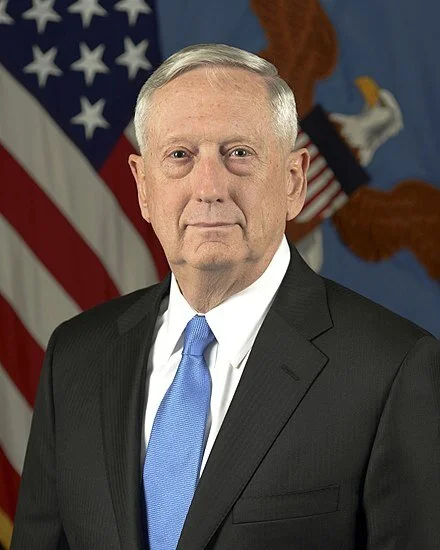
Just days after the current Secretary of Defense Mark Esper spoke out against Trumpâs handling of the protests in Washington D.C. and around the country, one of his predecessors has joined the fray, issuing a scathing criticism of Trumpâs actions.
I have watched this week's unfolding events, angry and appalled. The words "Equal Justice Under Law" are carved in the pediment of the United States Supreme Court. This is precisely what protesters are rightly demanding. It is a wholesome and unifying demand â one that all of us should be able to get behind. [âŚ]
When I joined the military, some 50 years ago, I swore an oath to support and defend the Constitution. Never did I dream that troops taking that same oath would be ordered under any circumstance to violate the Constitutional rights of their fellow citizens â much less to provide a bizarre photo op for the elected commander-in-chief, with military leadership standing alongside.
James Madison wrote in Federalist 14 that "America united with a handful of troops, or without a single soldier, exhibits a more forbidding posture to foreign ambition than America disunited, with a hundred thousand veterans ready for combat." [âŚ]
Instructions given by the military departments to our troops before the Normandy invasion reminded soldiers that "The Nazi slogan for destroying us ... was 'Divide and Conquer.' Our American answer is 'In Union there is Strength.'" [âŚ]
Donald Trump is the first president in my lifetime who does not try to unite the American people â does not even pretend to try. Instead he tries to divide us. We are witnessing the consequences of three years of this deliberate effort. We are witnessing the consequences of three years without mature leadership. [âŚ]
We must reject and hold accountable those in office who would make a mockery of our Constitution.
So I guess Jim Mattis has been brainwashed and is now a super lib? Or heâs bitter that Trump fired him? Stay tuned for the display of mental gymnastics by the GOP as they try to rationalize this one without considering that maybe Trump himself could be the problem.
This is just a small collection of statements, quotes, and responses from individuals and organizations that I found particularly moving, insightful, and appropriate for the events and the pain our country is experiencing. This compilation has been curated to strike a balance between amplifying black voices and casting a spotlight on constructive remarks from white people, because at the end of the day, the repsonsibility to address systemic racism lies with those of us who have benefited from centuries of privilege at the expense of those who were subjected to centuries of injustice (largely at the hands of those sworn to protect them).
I hope these sentiments will inspire you to start conversations and give you a starting point in the fight for change that our country so desperately needs and deserves.
Ben & Jerryâs very direct statement:
What happened to George Floyd was not the result of a bad apple; it was the predictable consequence of a racist and prejudiced system and culture that has treated Black bodies as the enemy from the beginning. What happened to George Floyd in Minneapolis is the fruit borne of toxic seeds planted on the shores of our country in Jamestown in 1619, when the first enslaved men and women arrived on this continent. Floyd is the latest in a long list of names that stretches back to that time and that shore. Some of those names we know â Ahmaud Arbery, Breonna Taylor, Oscar Grant, Eric Garner, Trayvon Martin, Michael Brown, Emmett Till, Martin Luther King, Jr. â most we donât.
Akilah Hughesâs monologue on Crooked Mediaâs daily news podcast, âWhat A Dayâ:
How many white men have you watched die in HD video? Can you name five? Cause I bet you canât name ten. The video footage is shorthand for desensitization. You know, ask yourself why youâre even comfortable looking at a video of someone being murdered. Then ask why youâd share it with everyone you know. If it was a dog, you wouldnât, so whatâs the reasoning? For what reason should we share footage of a person being murdered? [âŚ]
When I say âdonât look awayâ, I donât mean âconsume black death like itâs a meme on TikTokâ. I mean âlook in the mirror, look at your family, look at the community you live in, look at your friend group, look at the wealthy white woman with the rescue dog in the goddamn park, okay, and donât look away. Because we know what the problem is. No one is unclear on what the problem is. So where is the justice?
Niall Horanâs tweet:
Marques Brownleeâs vlog, âReflecting on the Color of My Skinâ:
J.K. Rowlingâs loss for words:
The University of Tennessee Athletic Departmentâs statement:
Wherever you're reading this, it likely holds true that the cultures that exist in the sports programs at your local high school or college are much healthier than the culture in your local community. Why do these healthy cultures exist in small sports teams' locker rooms all across the country, but not in our larger communities? [âŚ]
If you're going to support our Black student-athletes when they compete, please have the courage to support them and their families in their daily pursuit of peace, happiness and equity.
Logan Lermanâs offered some succinct yet widely applicable sentiments in response to a video of a peaceful protestor being arrested:
This incredible tweet:
Taylor Swift had a stern message for President Bone Spurs:
Apple CEO Tim Cook issued a poignant statement on behalf of the company:
To create change, we have to reexamine our own views and actions in ight of a pain that is deeply felt but too often ignored. Issues of human dignity will not abide standing on the sidelines. To the Black community â we see you. You matter and your lives matter.
This is a moment when many people may want nothing more than a return to normalcy, or to a status quo that is only comfortable if we avert our gaze from injustice. As difficult as it may be to admit, that desire is itself a sign of privilege. George Floydâs death is shocking and tragic proof that we must aim far higher than a ânormalâ future, and build one that lives up to the highest ideals of equality and justice.
Mugglenet points out that there really is a beautifully well fitted Harry Potter quote for almost any occasion.
âThere is no shame in what you are feeling, Harry,â said Dumbledoreâs voice. âOn the contrary . . . the fact that you can feel pain like this is your greatest strength.â
Keke Palmer had a very moving address to members of the military at a protest:
An important message from Bernice King, daughter of Dr. Martin Luther King Jr.:
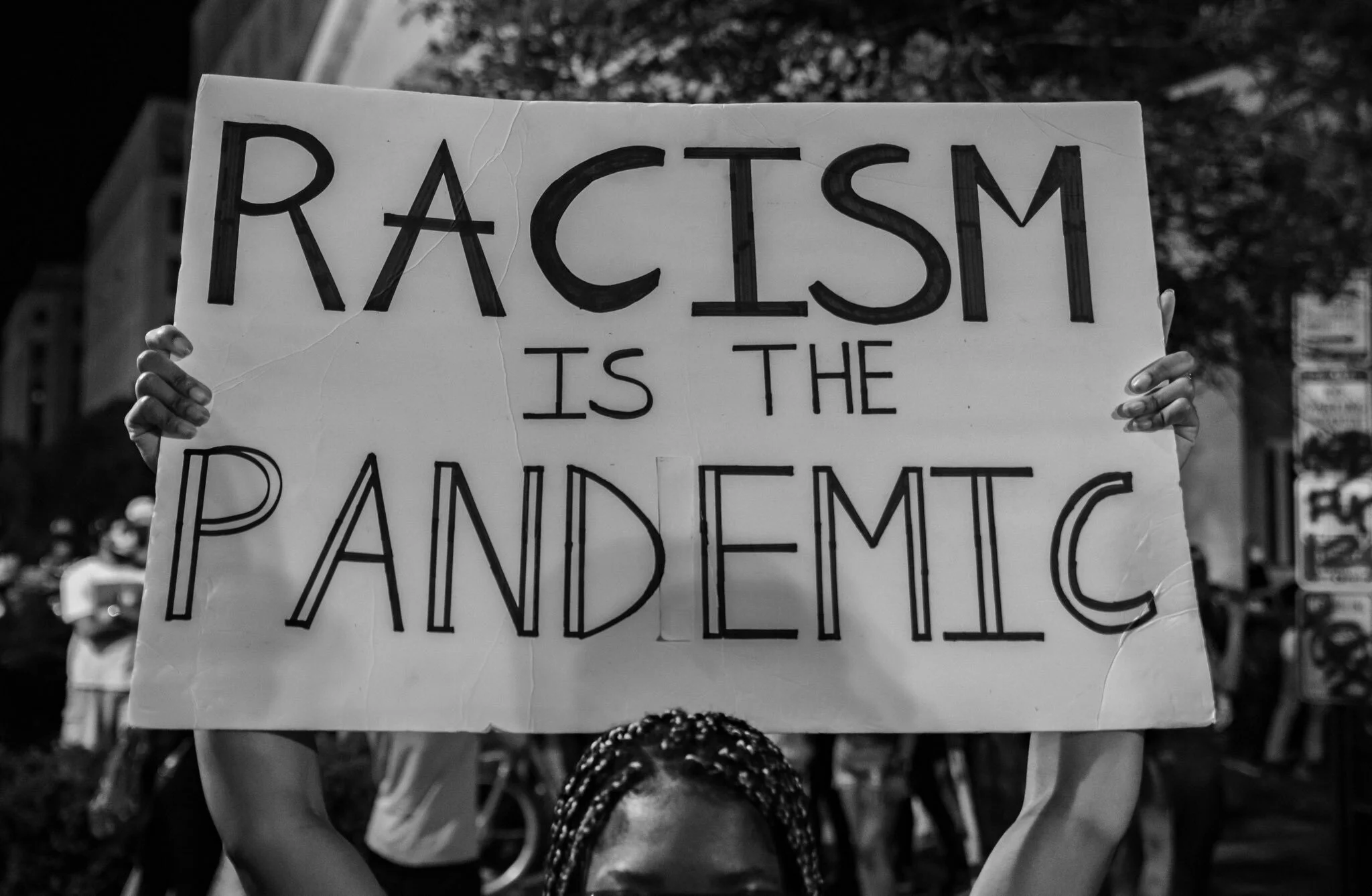
Finally, a powerful image taken at a protest in Washington D.C. by my good friend and former coworker, Derek Baker.
Black Lives Matter. âđźâđžâđż
If you disagree with that simple statement or are too willfully ignorant to educate yourself and try to understand it, you should be ashamed of yourself, and CopyrightBro does not welcome your readership.
For all you real Kings and Queens out there, click here to get started.
UPDATED: 09/28/20, 10:43
As any non-racist person can admit, police brutality is a systemic problem that permeates law enforcement culture. This is old news. But there comes a point when we have to channel our anger at the injustices of the system into productive ideas to improve it, rather than continue down a destructive path of allowing that anger to consume us. I donât have all the answers, but I do know that to address it, weâll need sweeping, cultural changes in how our country handles policing and how law enforcement officers view themselves and their role in our communities. Here are a few ideas, some borrowed, some of my own, that I think could lead to meaningful change.
Ideas to demilitarize police forces:
Adopt new uniforms that are brighter and more colorful. A hot pink or neon yellow uniform would make it easier for citizens to spot police officers and solicit their assistance when needed. It would also provide the opposite effect from the dark gray, navy, and black uniforms that are currently in use by making officers appear less intimidating. This approach has been adopted in many European countries, where police officers regularly wear brightly colored vests to attract attention.
Make police vehicles more easily identifiable in order to attract more attention, rather than camouflaging them to let them sneak up on unsuspecting drivers like wild predators.
Reduce funding for police departments. The trope is that police are overworked and have dangerous, impossible jobs, so letâs address that. Take some of the $112B the U.S. spends on police departments and put it toward new institutions that are better equipped to deal with issues like mental health emergencies, drug abuse incidents, traffic infractions/accidents, and homelessness issues. This will reduce the responsibilities of police officers and ensure that they can focus on stopping violent crimes, and it will allow us to send more appropriately trained, unarmed professionals to all other types of 911 calls that usually get relegated to police.
Ideas to encourage deescalation:
Ban the use of choke holds and other neck restraint techniques.
Hold officers accountable for using force unnecessarily.
Take immediate punitive action for any officer who conceals their badge number, deactivates their body cameras, or tells civilians not to video their actions.
Any time you see a police officer, video them. Record them whether theyâre arresting/questioning someone, eating a donut, getting aggressive, staring at their phone, etc. If we make a habit of videoing cops all the time, it will (a) communicate a widespread lack of trust, and (b) encourage them to restrain themselves if they know their actions are always going to be recorded.
Ideas to combat ingrained prejudice and racism:
Require more in-person training on diversity.
Adopt more stringent personality assessments to disqualify applicants whose answers indicate potentially harmful prejudices.
Require current members of the police force to pass personality assessments that test for prejudices.
Hold complicit officers accountable to the same degree as offending officers in cases of racial discrimination.
Publicly disclose the amount of money spent defending officers in lawsuits.
Adopt programs that take civilian reports seriously and result in swift punitive action.
There have been a lot of other good ideas shared in recent days. If you have an idea youâd like to see added to this list, get in touch.
UPDATED: 06/19/20, 10:45
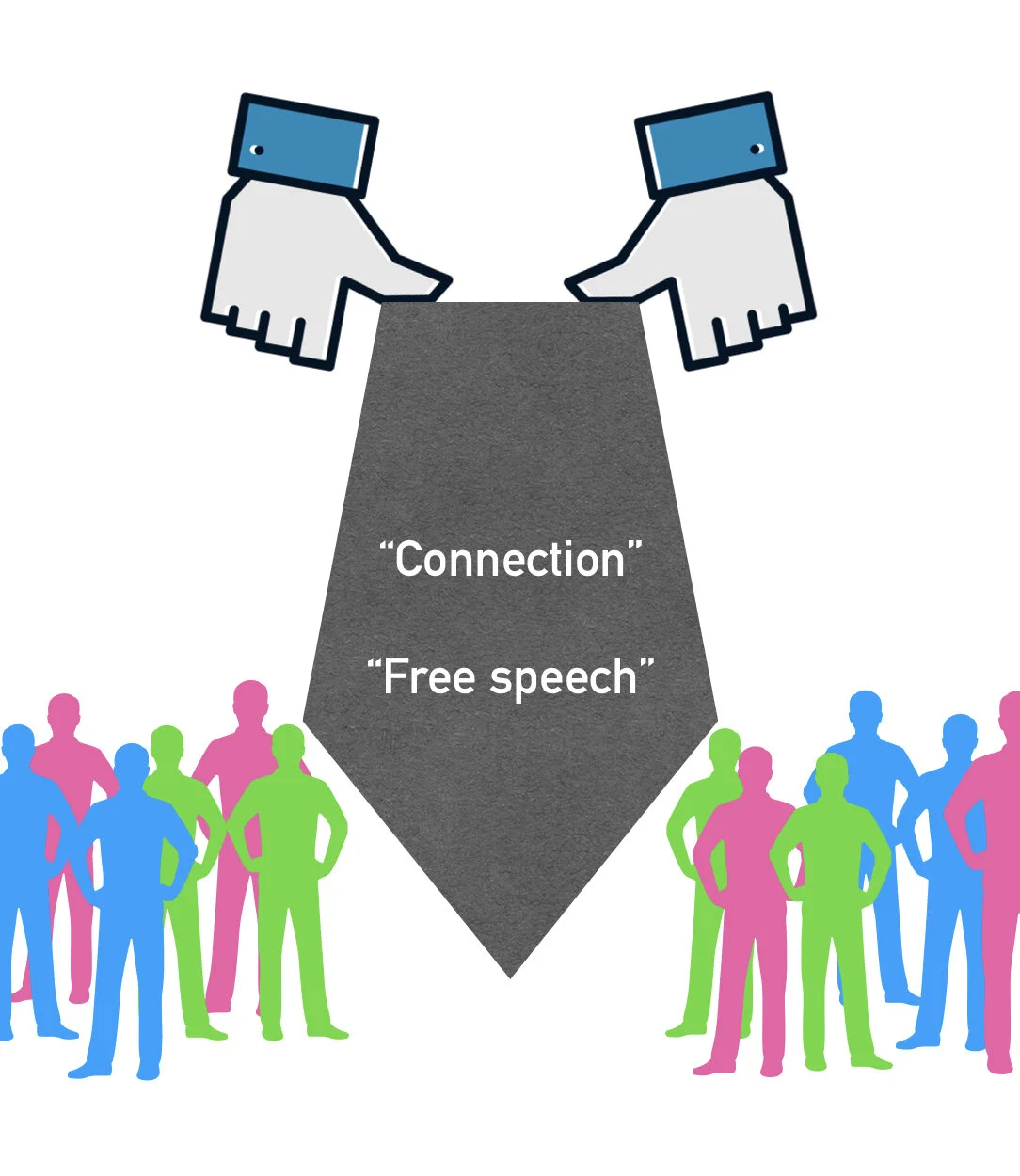
As everyone knows, like a hundred years ago (last week) Twitter made headlines by finally taking a stand against some of Trumpâs tweets for spreading misinformation and glorifying violence. This week, Facebook is making headlines for their refusal to take a stand against Trump for the same posts.
Of course, Zuckerberg has been defending this position under the guise of free speech, but we all know that on Facebook, sowing division reaps ad revenue. His creepily robotic statement was as follows: âPersonally, I have a visceral negative reaction to this kind of divisive and inflammatory rhetoric, but Iâm responsible for reacting not just in my personal capacity but as the leader of an institution committed to free expression.â Thatâs definitely how normal people talk, affirmative?
On Friday, Zuckerberg had a phone call with the President regarding the call. In an open call with employees, he expanded on the nature of the call, saying, âI used that opportunity to make him know I felt this post was inflammatory and harmful, and let him know where we stood on it.â He then reiterated his puzzling stance that the posts didnât technically violate the rules, because it was about âstate forceâ which is apparently allowed under Facebookâs rules. Okay.
To their (nominal) credit, Facebook employees are speaking out against him. On Monday, The New York Times reported that a few Facebook employees were so strongly opposed to this position that they have decided to leave the company, and hundreds participated in a âvirtual walkoutâ in protest. A large number of employees have made public remarks (usually on Twitter) criticizing Zuckerbergâs decision and saying that it makes them ashamed to work for the company. Here are a few remarks from Facebook employees:
âAlong with Black employees in the company, and all persons with a moral conscience, I am calling for Mark to immediately take down the Presidentâs post advocating violence, murder and imminent threat against Black people.â
âThe hateful rhetoric advocating violence against black demonstrators by the US President does not warrant defense under the guise of freedom of expression.â
âThe lack of backbone, and this weak leadership, will be judged by history. Hate speech should never be compared to free speech.â
Another employee explained his frustration with Facebook constantly moving the goalposts when it comes to holding Trump accountable. Ben Thompson and John Gruber had a good analysis of this employeeâs statement on their new podcast âDitheringâ. Essentially, they point out that when Zuckerberg was asked several months ago by Congress what sort of posts Facebook would remove, he explained that Facebook didnât want to be in the business of moderating or fact checking because they saw it as a free speech issue, but he also conceded that if anyone (including a politician) posted something that incited or promoted violence, that it would be taken down. The podcastâs assessment was that in making that commitment, Zuckerberg was trying to avoid being in this position by drawing a line in the sand so far out, that even Trump wouldnât cross it. Lo and behold, Trump crossed it, and Zuckerberg didnât keep his word. Not a good look.
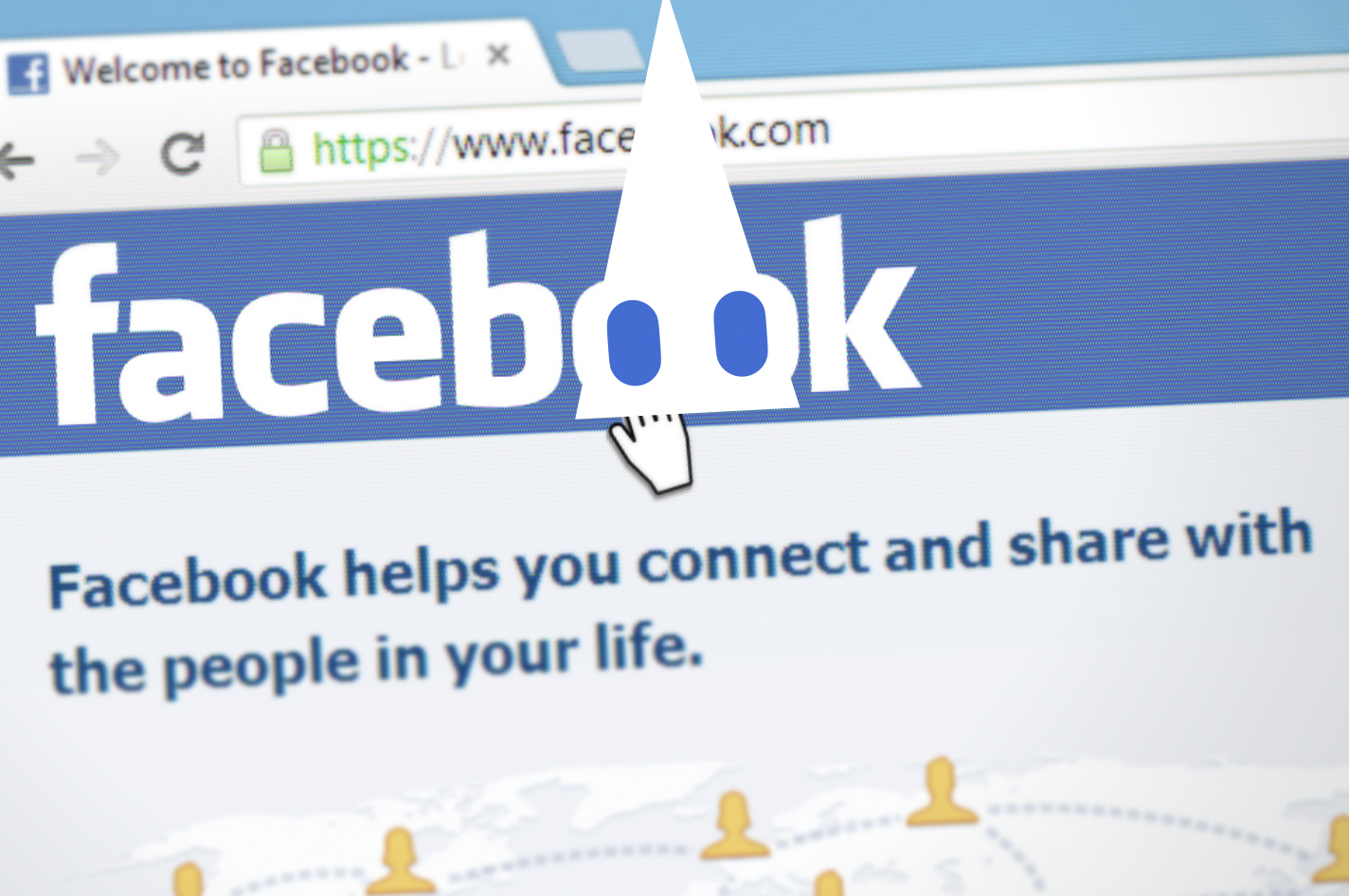
Facebookâs real risk here, as I see it, is getting branded as the social network for racists.
Hereâs the thing, Facebook is already the social network for racists, itâs just a matter of when people start to associate racism with their brand on a fundamental level. Of course, not everyone who uses Facebook is a racist, but based on anecdotal evidence and the many structural advantages Facebookâs platform provides them, I would be willing to bet a large sum of money that people who are racists prefer Facebook over any other social network.
Not only does Facebookâs platform work well for racists to share their opinions and find one another, it helps them breed and radicalize budding racists. Facebookâs Achille's heel is that their executives are too greedy to stop this cycle. But this isnât news, Iâve said it a hundred times: Facebookâs algorithms are designed to drive division because division drives engagement, and engagement equals ad revenue.
To back up my assessment, hereâs a quote from an article posted to Medium by former Facebook employee, David Schnitt:
Unfortunately, I do not think it is a coincidence that the choices Facebook makes are the ones that allow the most contentâthe fuel for the Facebook engineâto remain in the system. I do not think it is a coincidence that Facebookâs choices align with the least resources required, outsourcing important aspects to third parties. I do not think it is a coincidence that Facebookâs choices appease those in power who have made misinformation, blatant racism and inciting violence part of their platform. Facebook says, and may even believe, that it is on the side of free speech. In fact, it has put itself on the side of profit and cowardice.
Zachary Cohen, reporting for CNN:
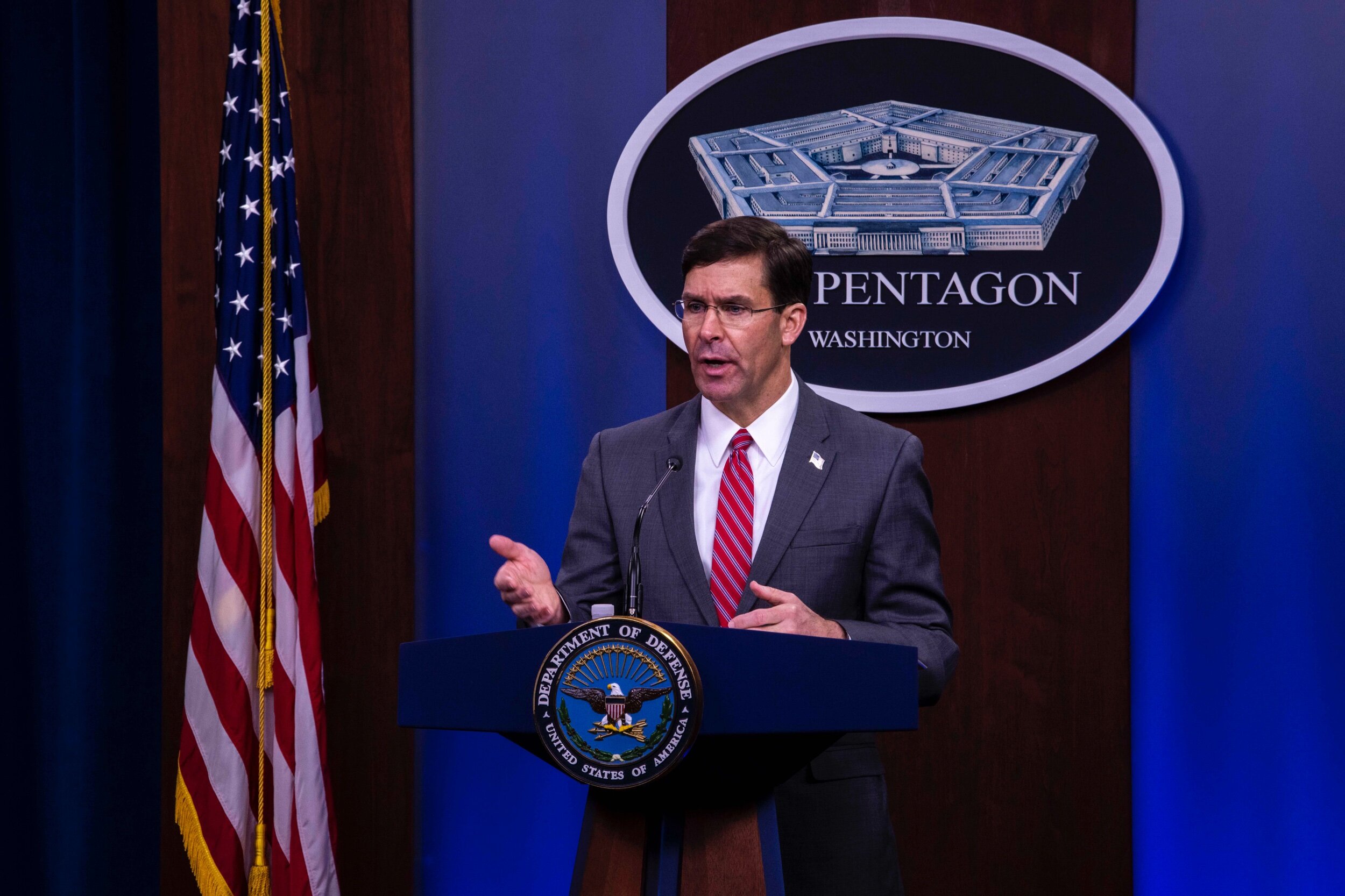
Secretary of Defense Mark Esper said Wednesday that he does not support using active duty troops to quell the large-scale protests across the United States triggered by the death of George Floyd and those forces should only be used in a law enforcement role as a last resort after President Donald Trump recently threatened to deploy the military to enforce order.
"The option to use active duty forces in a law enforcement role should only be used as a matter of last resort, and only in the most urgent and dire of situations. We are not in one of those situations now. I do not support invoking the Insurrection Act," he said during a briefing at the Pentagon.
The Insurrection Act of 1807 is a law that allows the federal government to deploy troops within the states. Its purpose is to protect the people from rebellions and insurgencies, not to oppress the people who are exercising their constitutional rights. Furthermore, legal scholars are divided on how the President could actually use the Insurrection Act, with many believing he would need a request for federal assistance from the states in question before he could utilize the act legally.
Esper also addressed the killing of Floyd, calling it a "horrible crime" and said "racism is real in America, and we must all do our very best to recognize it, to confront it, and to eradicate it."
"The killing of George Floyd by a Minneapolis policeman is a horrible crime. The officers on the scene that day should be held accountable for his murder. It is a tragedy that we have seen repeat itself too many times. With great sympathy, I want to extend the deepest of condolences to the family and friends of George Floyd from me and the Department. Racism is real in America, and we must all do our very best to recognize it, to confront it, and to eradicate it," he said.
Defense officials told CNN this week that there was deep and growing discomfort among some in the Pentagon even before Trump announced Monday that he is ready to deploy the military to enforce order inside the US.
Anyone who has convinced themselves that Trump cares about our troops is fooling themselves. This is far from the first time he has deployed the military irresponsibly. He does so because he doesnât value the sacrifices our troops make (hail Presidentďťż Bone Spurs), he does so because he is a coward, afraid of the power of the people (#bunkerDon), he does so because he likes the spectacle and badly wants to be seen as a wartime president (to the extent that heâd try to start a war).
It is a low bar, but itâs reassuring to see Esper clear it nonetheless. It is morally reprehensible and unconstitutional to stifle the peopleâs rights to protest (not to mention the blatant attacks on the free press).
I wonder how long until Trump comes up with a reason to fire Esper? Will that be good for our troops? Will it make us great? Stay tuned, The Shit Show will be right back after a message from one of our sponsors (queue NRA ad about protecting ourselves from the government).
Jeff Horwitz and Deepa Seetharaman, reporting for The Wall Street Journal:
In essence, Facebook is under fire for making the world more divided. Many of its own experts appeared to agreeâand to believe Facebook could mitigate many of the problems. The company chose not to.
Old news.
Another concern, they and others said, was that some proposed changes would have disproportionately affected conservative users and publishers, at a time when the company faced accusations from the right of political bias.
A 2016 presentation that names as author a Facebook researcher and sociologist, Monica Lee, found extremist content thriving in more than one-third of large German political groups on the platform. Swamped with racist, conspiracy-minded and pro-Russian content, the groups were disproportionately influenced by a subset of hyperactive users, the presentation notes. Most of them were private or secret.
Facebook is the social network for racists.
The high number of extremist groups was concerning, the presentation says. Worse was Facebookâs realization that its algorithms were responsible for their growth. The 2016 presentation states that â64% of all extremist group joins are due to our recommendation toolsâ and that most of the activity came from the platformâs âGroups You Should Joinâ and âDiscoverâ algorithms: âOur recommendation systems grow the problem.â
To their credit, some Facebook employees were concerned about this, and tried to implement new features and policies to correct course.
Building these features and combating polarization might come at a cost of lower engagement, the Common Ground team warned in a mid-2018 document, describing some of its own proposals as âantigrowthâ and requiring Facebook to âtake a moral stance.â
Zuck said ânah, imma passâ.
One early discovery: Bad behavior came disproportionately from a small pool of hyperpartisan users.
A second finding in the U.S. saw a larger infrastructure of accounts and publishers on the far right than on the far left. Outside observers were documenting the same phenomenon. The gap meant even seemingly apolitical actions such as reducing the spread of clickbait headlinesâalong the lines of âYou Wonât Believe What Happened Nextââaffected conservative speech more than liberal content in aggregate.
The fact that conservatives are more likely to publish clickbait headlines with misinformation to ensnare ignorant readers who may not be as invested in less sensationalized news says a lot about the state of conservatism in America today. The fact that they canât play by the rules and still win every now and then doesnât mean Facebook should write a new, less fair rule book for them.
Donât get it twisted: Facebook executives made a conscious decision to prioritize profit over ethics. They decided that their bottom line was more important than making sure that their platform wasnât making human beings more hostile and inflamed.
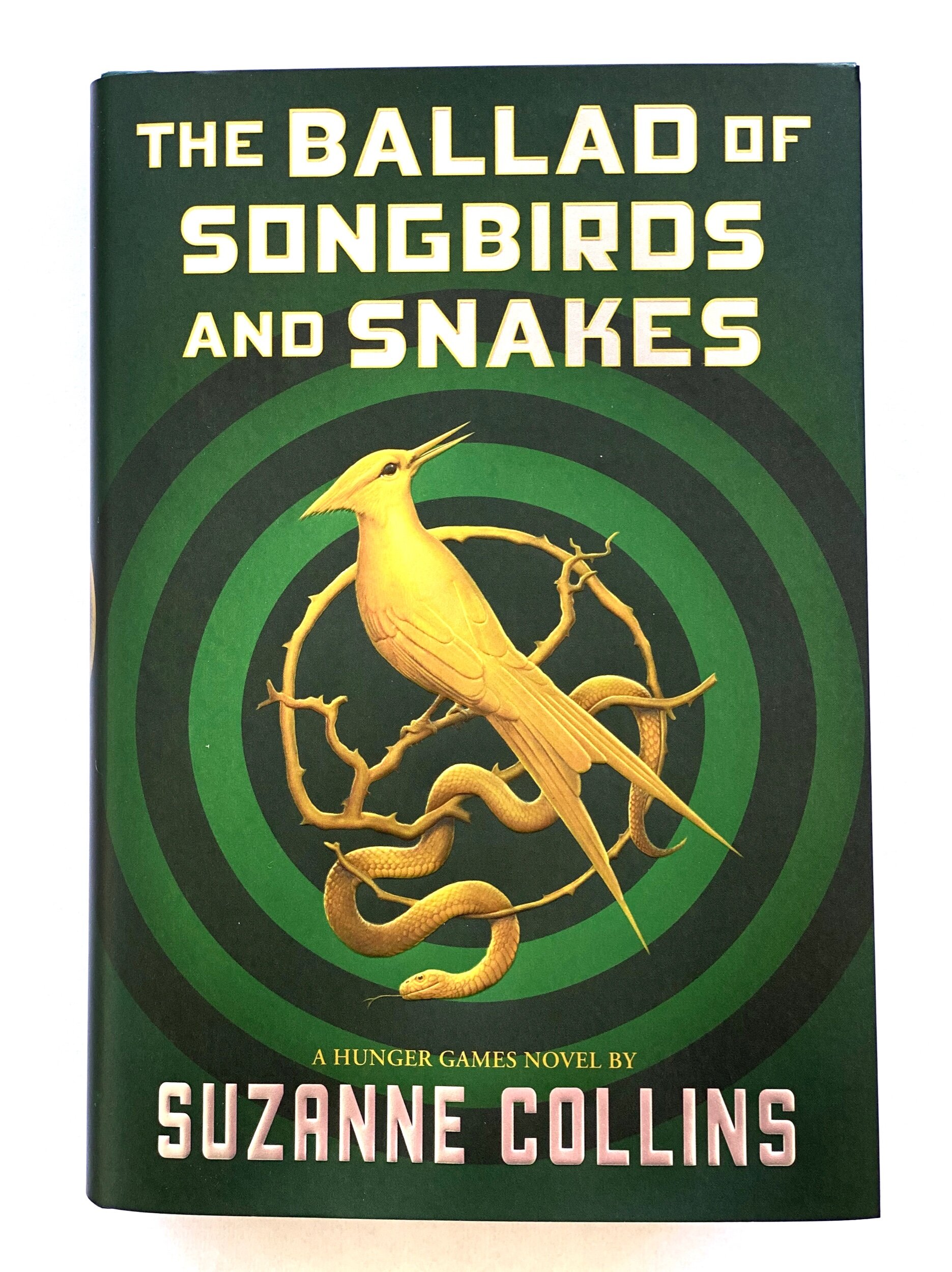
Iâve been meaning to finish this review for about two weeks now, but given the current climate, it got relegated to the back burner. Now that Iâm finally wrapping it up, hopefully thinking about a fictional story can serve as a nice, lighthearted break from the many heavy articles (on CopyrightBro and other sites) about the distressing state of affairs in our country.
After waiting for about a year, the Hunger Games prequel weâve been anticipating has finally arrived. A lot of people speculated that this would be a story about Magsâs games, but I didnât think that was very likely nor a particularly exciting premise, so I was enthusiastic to learn that it was about a young Coriolanus Snow. Some easily-triggered fans considered that controversial because they didnât want to âhumanize a fascist dictatorâ. I want to address that before I talk about the actual story. My response is threefold:
This is fiction. You need to calm down.
Find a source of self worth that doesnât require you to constantly exaggerate how oppressed and offended you feel all the time.
Donât judge a book by its cover; this story does not make Snow out to be a perfect hero, it provides context and depth to an obviously flawed character. Nobody will walk away from this book feeling sorry for him.
Now, on to the fun part.
â ď¸ Spoiler Warning
The Games
The games themselves are a bit different in this story than the ones we read about in the original series. While some differences could be reasonably expected, I was still surprised at how primitive and low-tech these games were. I suppose I didnât think they would change much over the years because of the obsessive level of planning suggested by Katnissâs observation in Catching Fire. When the Quarter Quell announcement card is read after being picked from a box full of other Quarter Quell cards, Katniss remarks that the Capitol âhad prepared for centuries of Hunger Gamesâ.
The fact that they took place in a physical stadium wasnât entirely surprising, but it does take a bit of the survival aspect out of it: Being able to start a fire or knowing what berries to pick wouldn't have helped the tributes in these games at all, and itâs interesting to speculate about how the games evolved from quick gladiator-style contests into a weeks-long AV production set in a custom-built, faux-natural arena where the tributes have to contend not only with one another, but also with Mother Nature, sponsors, and the Gamemakers throwing mutts into the mix.
The fact that the Capitol allowed the games to start with fewer than 24 tributes was also surprising; I expected that any tributes who died before they got to the arena would be replaced.
The Gamemakers are a bit less rigid and less concerned with fairness in these games (not that they didnât have their hands in the later games as well, but they at least attempted to conceal their meddling). In these games, they allow (force) Coriolanus to enter the arena, where he smashes Bobbinsâs head in with a plank. They also surprise the tributes when the games start by revealing that Marcus (aa tribute who escaped the Capitolâs custody) had been found, and as punishment for running, had been shackled to a metal bar high in the air with his teeth broken, waiting helplessly to eventually be murdered by one of the tributes. They make no effort to portray the games as a fair contest.
Characters
This book was full of Easter eggs, mainly in the form of names, from the original series. Surnames like Cardew, Flickerman, and Heavensbee are clear connections to the other books. In general, the characters in this story were quite as well fleshed out and three dimensional, but to be fair, this was one book compared to a whole trilogy.
Coriolanus
Coriolanus was initially a lot more likable than I expected. He had some problematic views in the beginning, but he also seemed open minded enough by the middle of the story that you think he may ultimately shed his more unjust beliefs. Obviously, his less pro-Capitol opinions donât take hold in the long run: in the last third of the book when his life really seems to be falling apart, his experiences in District 12 have him teeter tottering between more progressive ideas and some even more Capitol-glorifying ideas than he had in the beginning. It isnât that he lacks empathy, itâs just that he doesnât have enough to counter balance his obsessive greed. The New York Timesâ Sarah Lyall described his journey to finding his ultimate beliefs well:
His slide into evil seems the result of inertia and greed, not a specific come-to-Satan moment.
Towards the end, his obsession with his social status lead him to become quite annoying, and he whittles away any good faith he built up with the reader in the beginning.
One thing that isnât explained is how Snow becomes president. Itâs hinted at throughout the book that he could end up in that role, but thereâs never any explanation of how or why that could happen. We donât know enough about the Snow familyâs position in the Capitol to assume that his name alone is enough to earn him the position, and we know it isnât a dynasty: the current president is called Ravinstill. Was Snow elected by the citizens of the Capitol? Was he appointed? It just isnât clear, and weâre forced to assume that he just works his way up via his ravenous ambition and newfound penchant for poisoning enemies.
Lucy Gray
I found Lucy Gray to be a bit boring. Sheâs extremely cunning and she likes music, but her personality felt a bit flat, otherwise. Her journey also felt too similar to Katnissâs: District 12 female tribute makes a splash at the reaping, captures everyoneâs attention during the interviews, sings a song in the arena, and somehow wins the games against much stronger opponents. It felt a bit too familiar. Her presumptive death was also annoying to me. There was no explanation of how she knew Snow was going to leave her in the very end, and she disappears without any explanation, leading Coriolanus to go look for her. Had she not tried to run away, he wouldnât have grown suspicious enough to try to kill her. For someone with a remarkable track record of self preservation, it didnât make a lot of sense.
Sejanus
Sejanus was one of the purest, most well intentioned characters in the story. His death hit me like a ton of bricks. Coriolanus never treated him fairly, despite the fact that he cared deeply for Coriolanus.
Tigris
Assuming that this is the same Tigris from the original series, we never find out how she and Coriolanus came to their falling out. We didnât even see any real hints at where fault lines could form in their relationship, aside from one brief moment of tension thatâs quickly glossed over and never addressed again.
Dr. Gaul
Dr. Gaul seemed completely unhinged, to the point that itâs surprising she managed to actually accomplish anything. Given that the creator of the games only dreamt up the concept as a thought exercise and never intended to utilize it as an actual punishment, coupled with the fact that most of the citizens in the Capitol at this point werenât totally sold on the games and were turned off by the brutality, the notion that she and a handful of accomplices managed to get them from an admittedly twisted homework assignment to a nationally televised form of retribution in just a few short years requires suspension of disbelief.
Dean Highbottom
The epilogue where you learn about Dean Highbottomâs past with Crassus Snow was one of the most interesting chapters in the book. It was fascinating to learn that while Highbottom was credited with the creation of the Hunger Games, they only actually came to fruition because of Coriolanusâs father.
The Covey
âThe Coveyâ were very uninteresting. Theyâre more or less a band of musical misfits. They kinda travel but not really, and they've been in District 12 for years yet donât want to label themselves as âdistrictâ. None of these characters added anything to the story, and I thought their chosen name was a bit dumb, even if it does mean âa small flock of birdsâ.
Unorganized Observations On Miscellaneous Story Elements
The pacing for this book was a little off. It moved fairly quickly for a while, but it really slowed down in the second half after the games were over. It rambled about for a while without any clear direction, and there was a significant segment where I wondered what sort of conclusion it could possibly be building up to. Eventually, you do get a conclusion, but it felt rushed and too unclear to feel like a satisfactory ending.
The Snow familyâs poverty was unexpected. It made the story more dynamic.
As the title would imply, music plays a large role in this book. I was delighted to find out that Lucy Gray was the songwriter behind âThe Hanging Treeâ, but otherwise, the music part of the story was a bit boring and not incredibly useful for the plot. It does help Lucy Gray stand out and gain more sponsors than any of the other tributes, but given how cunning she was and the simplicity of her plan, she easily still couldâve won the games with an average number of sponsors.
Speaking of Lucy Gray winning the games, it wasnât terribly difficult to predict. Though, I will say that her use of poison was an interesting plot point and I can only assume something of a genesis for Snowâs preferred method of murder.
The notion that the arena would have lax enough security that someone could sneak in seems far fetched. The idea that the Capitol would send another Capitol child into the arena to rescue the one who snuck in is preposterous.
Overall, I would give The Ballad of Songbirds and Snakes 3.5 out of 5 stars. Iâm glad I read it and it provides useful context for the original series, even though some elements of the story didnât knock my socks off. This is a good example of how to properly expand a series: I wish the Harry Potter people would take some notes. I am excited for the alleged movie to come out.
Kevin Liptak and Betsy Klein, reporting for CNN:
"They said it would be a good time to go down and take a look because maybe sometime you're going to need it," Trump said, casting the episode as an appraisal of his security logistics rather than an emergency.
Time for some locker room talk: this dude is a total pussy.
At this point, itâa difficult to deny that thereâs something seriously awry deep within the personality of many of those who chose to become police officers in America. Many cops are just developmentally stunted boys who have deep rooted feelings of inadequacy, and in turn they subscribe to a militarized form of masculinity that leads them to sadistically need to hurt others to feel powerful. Change my mind.
If the protests over George Floydâs murder have shown us anything, itâs that police brutality is not a problem caused by a handful of bad apples, itâs something that plagues law enforcement agencies all over the country.
See:
An officer approaches a protestor (whose hands are raised) and pulls down his face mask to spray pepper spray in his face.
An officer shoving a man with his hands raised to the ground.
Two men being shot by cops at the end of the street.
A group of officers repeatedly punching a protestor.
An officer shoving a man to the ground without provocation.
Officers shooting paint canisters at citizens on their own property.
Ohio police officers spraying a woman with mace from behind as she walks away from them.
Some officers looting and destroying protestorsâ stock of bottled water and milk.
Some cops in Utah shoving and old man with a cane to the ground.
NYPD officers ramming a car into a crowd of protestors.
A two minute compilation that includes some of the above clips and a few others.
As it stands, exerting physical force over citizens is a fundamental and existentially important aspect of policing in our country, and it disproportionately affects black men. That must change.
UPDATED: 06/01/20, 22:00
Disclaimer: Everything youâre about to read is speculative, but I think it could explain why a lot of the violence, looting, and destruction occurring at the protests following George Floydâs murder seems to be initiated by a small group of agitators.
Itâs no secret that many of the protests occurring around the county have turned quite violent as night falls, and many people are wondering who is causing the violence. Thereâs not really a clear answer to that, but there are a few theories.
The most common theory of who is behind the violence at these protests seems to be that Antifa is bussing people into these cities to wreak havoc. This theory is usually coupled with the idea that a segment of unruly âanimalisticâ black people are showing their âtrue natureâ at these riots because the opportunity has presented itself. The theory about Antifa seems like it could hold water (given the many out-of-state arrests that have been made), but anyone propagating the theory about âopportunisticâ black people indulging their âanimalisticâ nature is an irrefutable racist.
In fact, thereâs a lot of evidence that suggests most of the violence is being started by white people. There are two reasonable explanations for this. The first explanation could be that Trump supporters and other extremely conservative white people are showing up to the protests to cause trouble, hoping to turn the protests into violent riots to delegitimize them. However, I donât think a terribly large number of Trump supporters are smart enough to come up with such a plan on their own, but maybe I'm wrong (hopefully Iâm not though, because that would mean conservatives are trying to sabotage the protests and maintain the status quo of systemic racism and police brutality).
The second, and I believe the most likely, explanation is that the violence is being caused by a completely unorganized group of extremely liberal white people who make up the ugly, selfish underbelly of the progressive movement. Based on my own observations, that group consists largely of white people who self identify as queer or trans, and likely subscribe unquestioningly to far left ideologies like socialism or Marxism. Not all, but a large percentage of people who fall into those categories are people who have been radicalized and trained by leftist media outlets to feel incredibly oppressed by society and the state in general; they have long been told by the media and by politicians that theyâre oppressed as a way to stoke their political engagement, and while thereâs no denying that LGB people, trans people, and those with far-left viewpoints have historically been oppressed, their experiences generally pale in comparison to those of black people in this country. I think those radicalized individuals are capitalizing on the current unrest by inciting violence and destroying property as a way to vent their own frustrations with the system (valid or not) under the premise of activism.
If this assessment is correct, then what those white people need to understand is that using a movement about race as a release for their own frustrations is irresponsible, ignorant, and selfish. In doing so, theyâre only propagating the systematic injustices that black people face, because their actions are contributing to the right wing mediaâs ability to delegitimize these protests, thereby squandering the chance we have to affect real change.
Itâs worth noting that while violence at protests is generally not helpful, if the police abuse protestors, then they should fight back. And donât get me wrong, I understand that a bit of destruction usually comes with successful protests, and no amount of destroyed property is worth more than a single personâs life. But having these protests turning into violent spectacles of fire and broken glass do not help black people in the long run, regardless of whether black people are the agitators or not. The people who are breaking into Apple stores, destroying gas stations, looting Gucci stores, and burning small businesses to the ground are either selfish or shortsighted, probably both.
White people do have a role to play in the fight against racism, but no matter what other persecution or injustices those white people may face, their role does not involve selfishly co-opting the Black Lives Matter movement as a way to vent. To do so is just as delegitimizing as saying âall lives matterâ. Intentionally or not, theyâre missing the point.
This is astounding.
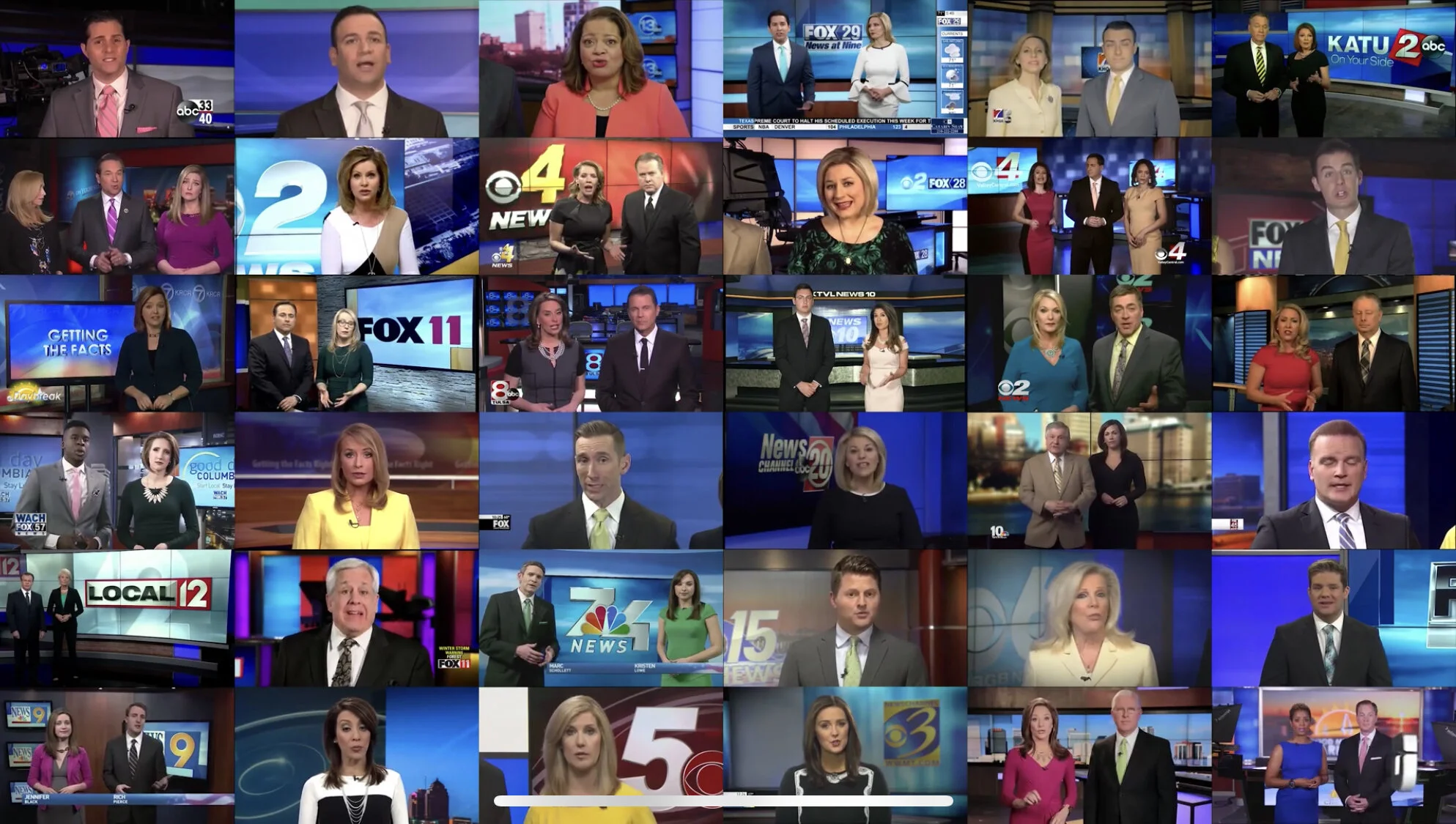
âFake newsâ is not when someone in the media reports something that exposes your wrongdoings, as the president believes. But when a media conglomerate issues the exact same, scripted narratives with obvious political bias to local news stations to present to their audiences as independent stories, that is undeniably fake news.
Check this list to find out which of your local news stations are owned by Sinclair, and then never tune into their programming again.
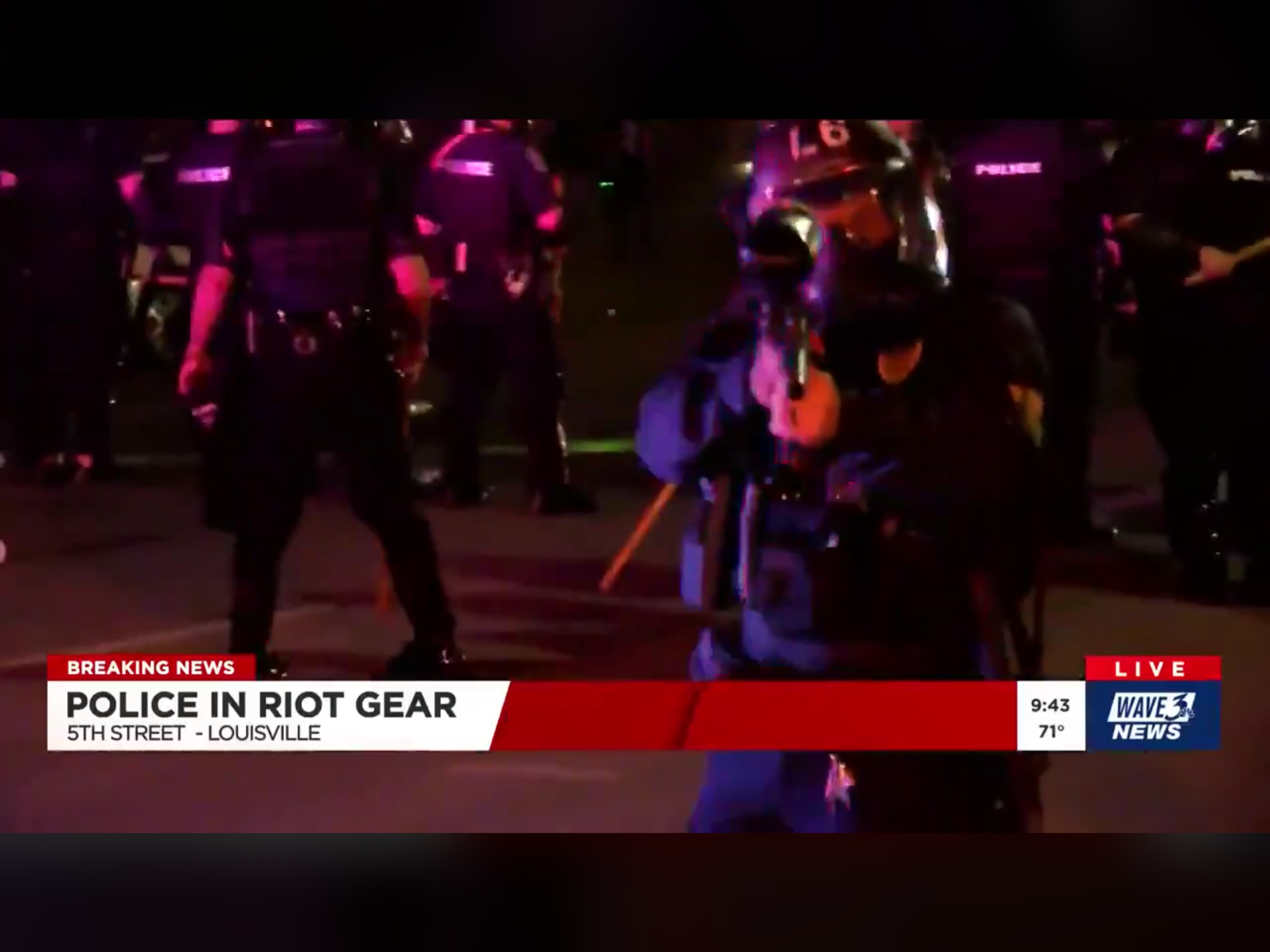
Another absolutely egregious attack (physical and metaphorical) on the free press. Is this what makes America great?
This desecration of the constitution, starting with the shredding of 1A protections for the press, will be Trumpâs legacy. Not gaudy gold skyscrapers.
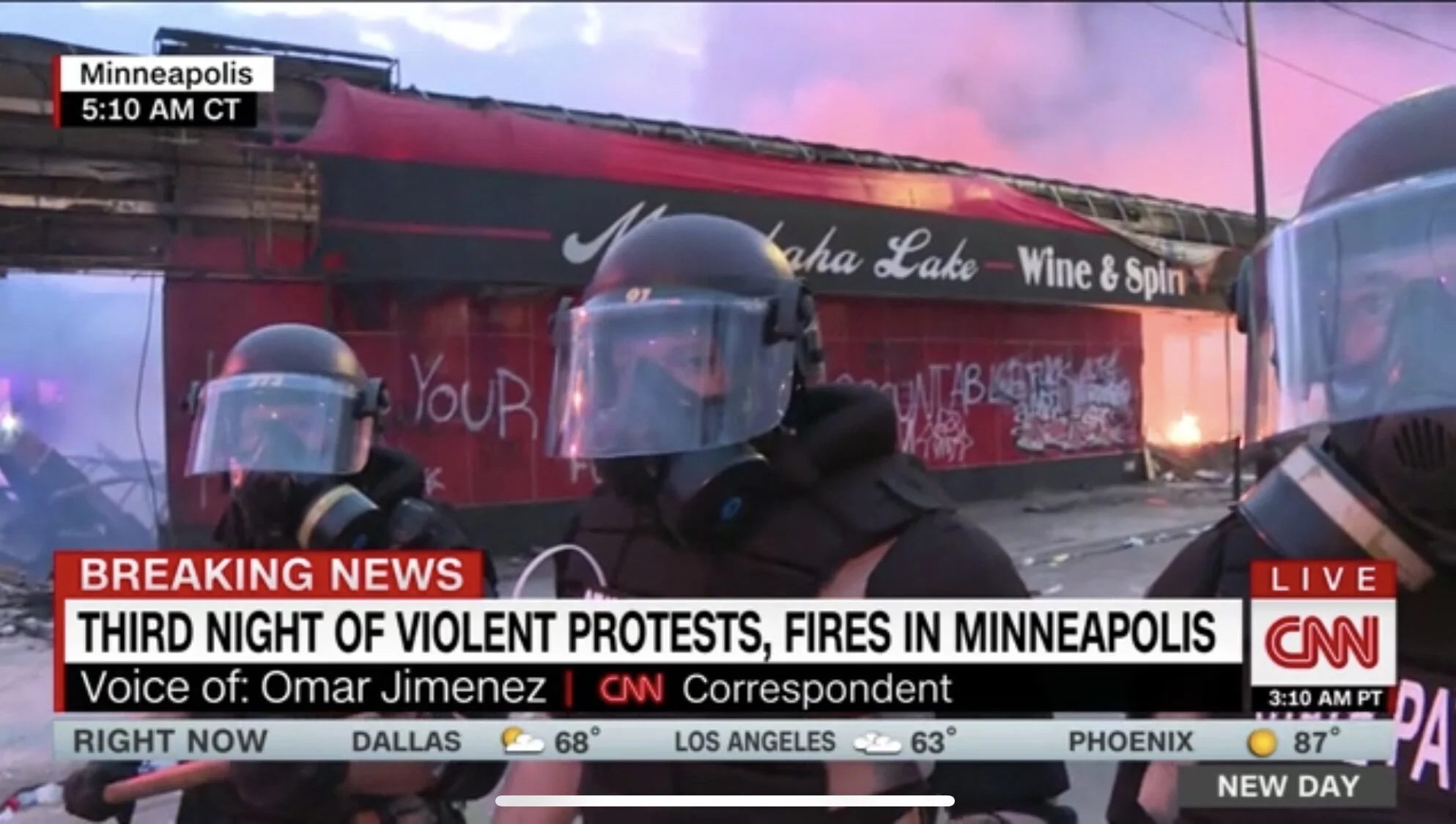
Itâs astonishing to see the constitution crumble before our eyes. We are clearly living in a police state where the freedom of the press matters less and less each day. At first it was just the president trying to delegitimize the media, but clearly the sentiment that journalists and reporters are âenemies of the stateâ has permeated the system to the lowest levels, down from the very top.
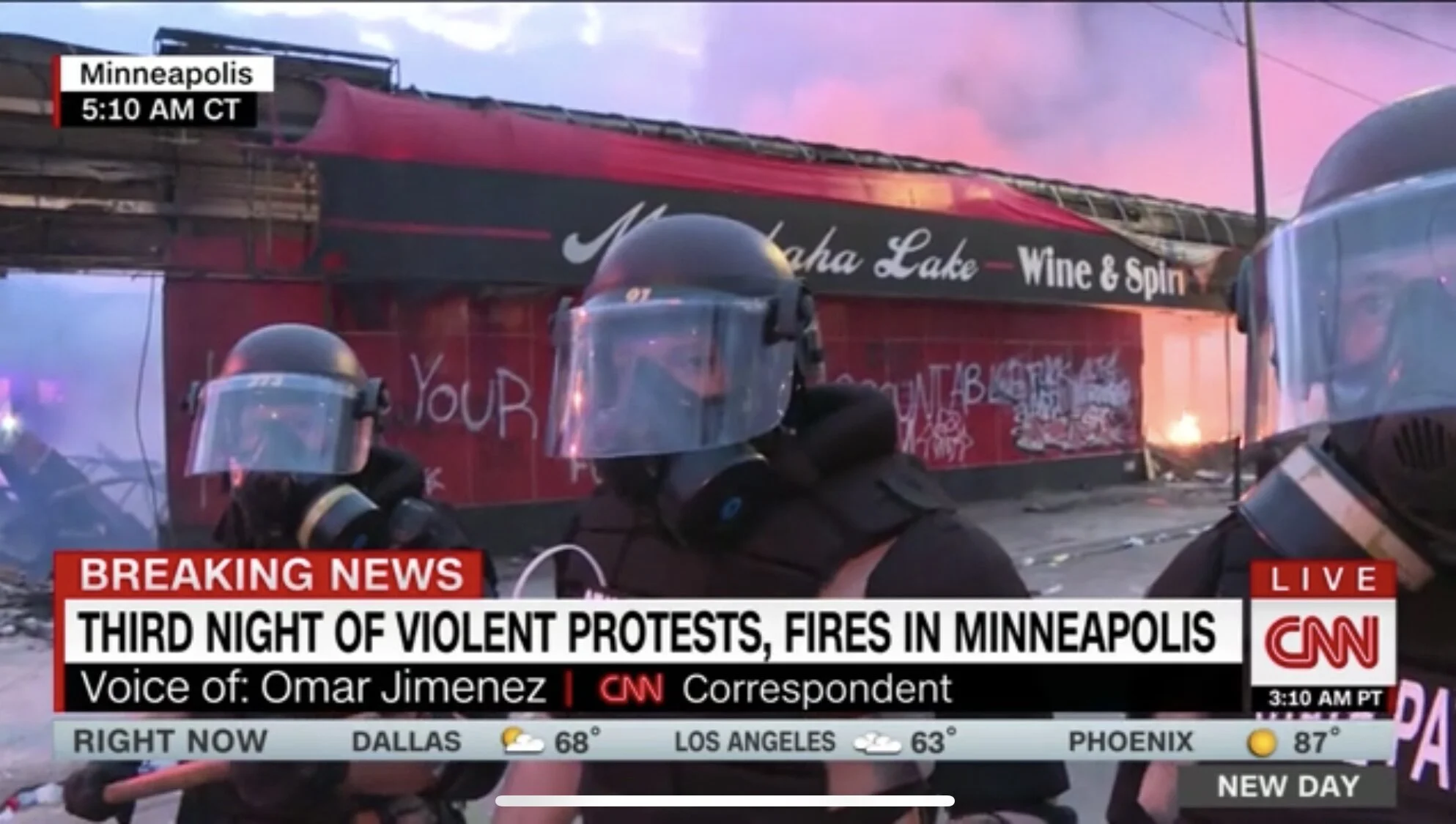
These cops look like mindless, robotic thugs. You can see it in their blank stares as Jimenez is explaining to them his status as a member of the press. They donât care that heâs trying to comply with them, theyâve decided that they want to arrest him (presumably for the crime of being in public during a protest while black) and donât know how to respond because he didnât resist their request. So they just waited, confused for a minute, and then proceeded to arrest him anyway. Atrocious.
God save America.
Admittedly, itâs a bit bush league to make fun of someoneâs name. But I find it incredibly fitting that the presumably tiny-cocked, white police officer who brutally murdered a handcuffed black man is called âChauvinâ.
For additional context, note that Chauvin has been involved in three other police shootings (in each case, the person he was shooting at was a person of color), and he had a dozen complaints lodged against him during his time with the Minneapolis Police Department.
From The American Heritage Dictionary:
Chauvinism (n):
Militant devotion to and glorification of one's country; fanatical patriotism.
Prejudiced belief in the superiority of one's own gender, group, or kind.
Fits like a glove.
Four days after his execution of George Floyd, Derek Chauvin has (finally) been arrested and (insufficiently) charged with third degree murder and manslaughter. As of yet, Chauvinâs three accomplices have not been arrested.
If you arenât outraged and disgusted by the lack of justice in this case, you are no patriot.
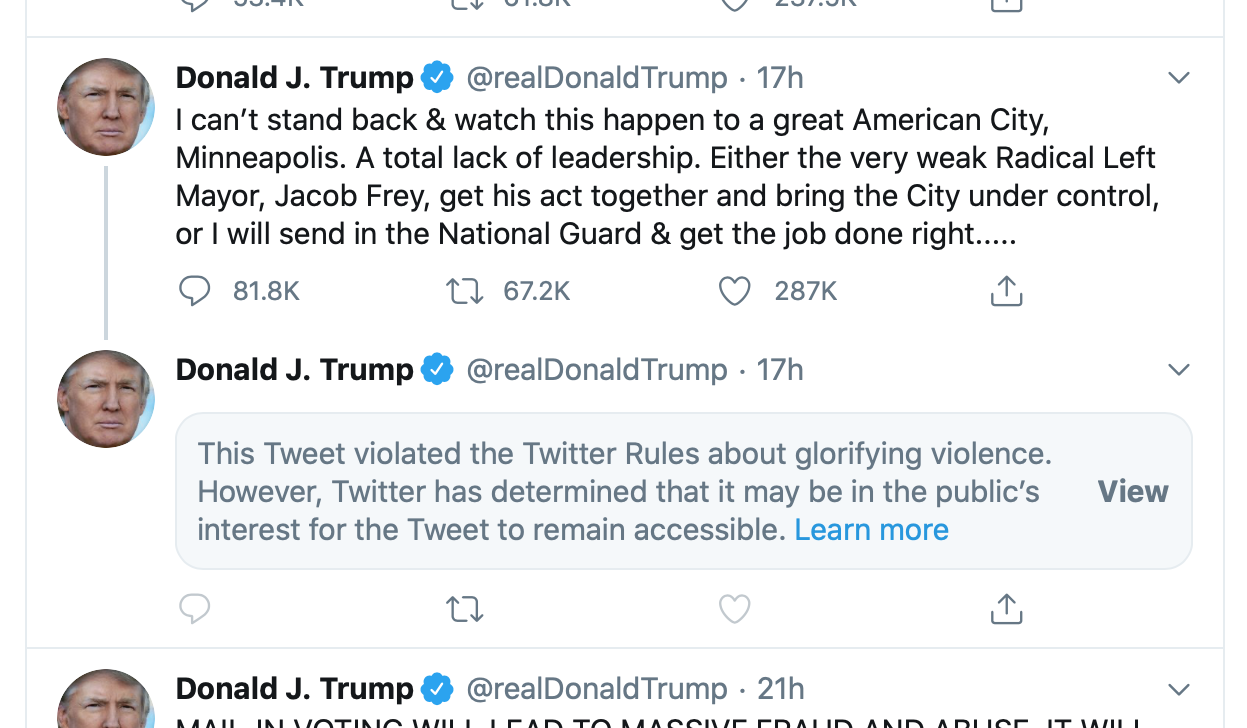
Hiding Trumpâs tweet with an explanation that he broke the rules by âglorifying violenceâ is is certainly a better response than adding a little âget the facts aboutâŚâ label to his bile. Hopefully Twitter will have the balls to keep enforcing their rules more forcefully*; the past few days do seem like steps in the right direction.
Taylor Swiftâs response was certainly a bit more pointed than Twitterâs, however. Enjoy:
I wonder if this plus her statement about Marsha Blackburn has resulted in Trump now liking her music 50% less?
*If you think this is a violation of free speech, think again (or read the constitution). Trump has the freedom to say whatever he likes, but Twitter, a private company, is under no constitutional obligation to give him a microphone.
In the wake of George Floydâs murder, Akilah Hughes, host of Crooked Mediaâs daily news podcast âWhat A Dayâ, had a powerful, raw monologue about racism and police brutality that pointed out the disturbing tendency our society has to consume footage of black people being murdered as if itâs entertainment.
I found Akilahâs monologue to be very moving, and I think itâs important that we listen to black voices on subjects that deal with racial injustice. Check out the episode for yourself.
Lori Klausutis was not murdered, and it is supremely cruel and selfish for Trump to reopen her familyâs wounds on the national stage. Read her widowerâs letter to Twitter CEO and founder, Jack Dorsey. He clearly is not interested in politics here, he just wants to protect his wifeâs memory. Twitter has a responsibility to do the right thing here: as Timothy Klausutisâ letter points out, Trump violated the Twitter Rules and Terms of Service. They should delete the tweets. Not just mark them as misleading. Anything shy of removing the tweets entirely is complacency on Twitterâs part.
As pointed out on Daring Fireball, when right wing publications are calling Trump out for being âvile and unworthy of his officeâ, you know things are getting slimy.