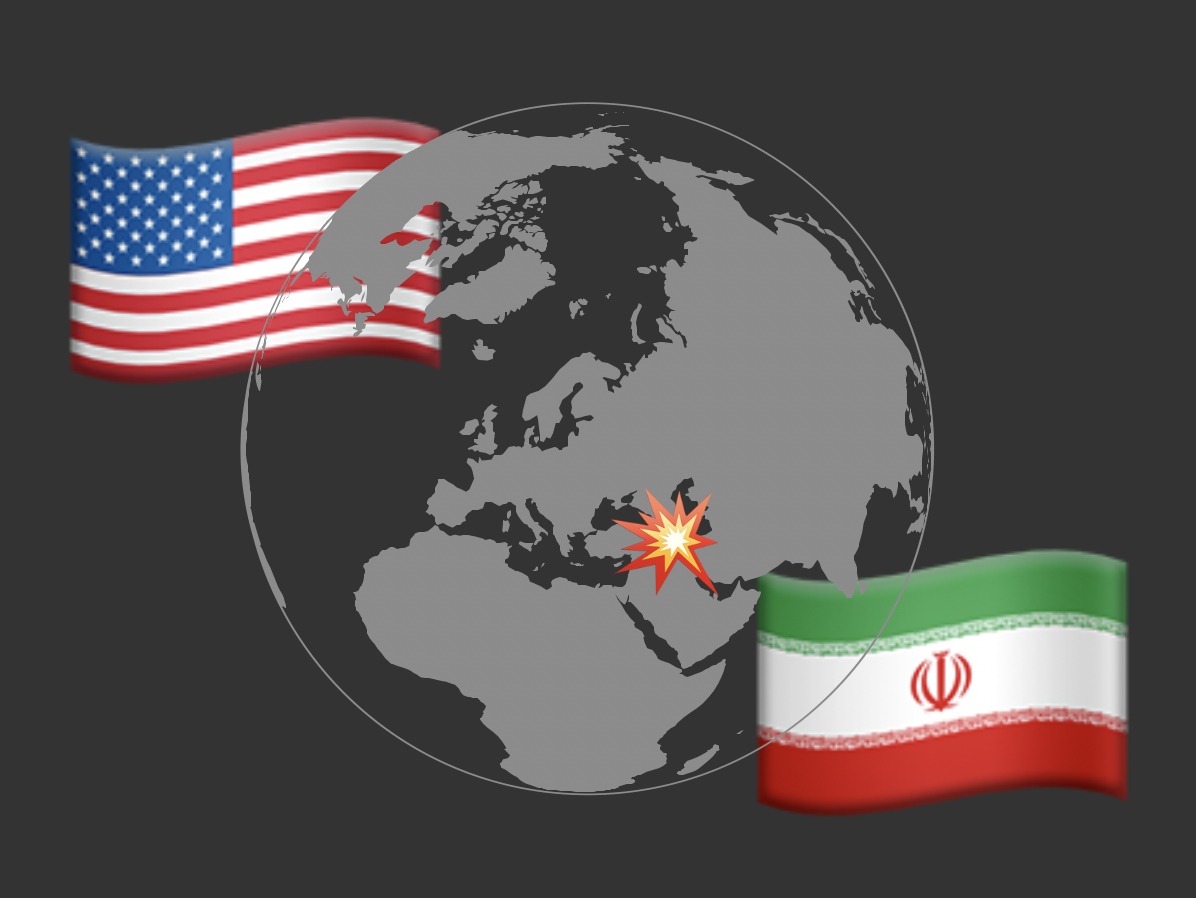
Iran Briefing

In the wake of what was very nearly a war between the United States and Iran, we need to ask ourselves how we ended up on the brink and take an uncomfortable look at what happened while we were there.

What Went Down

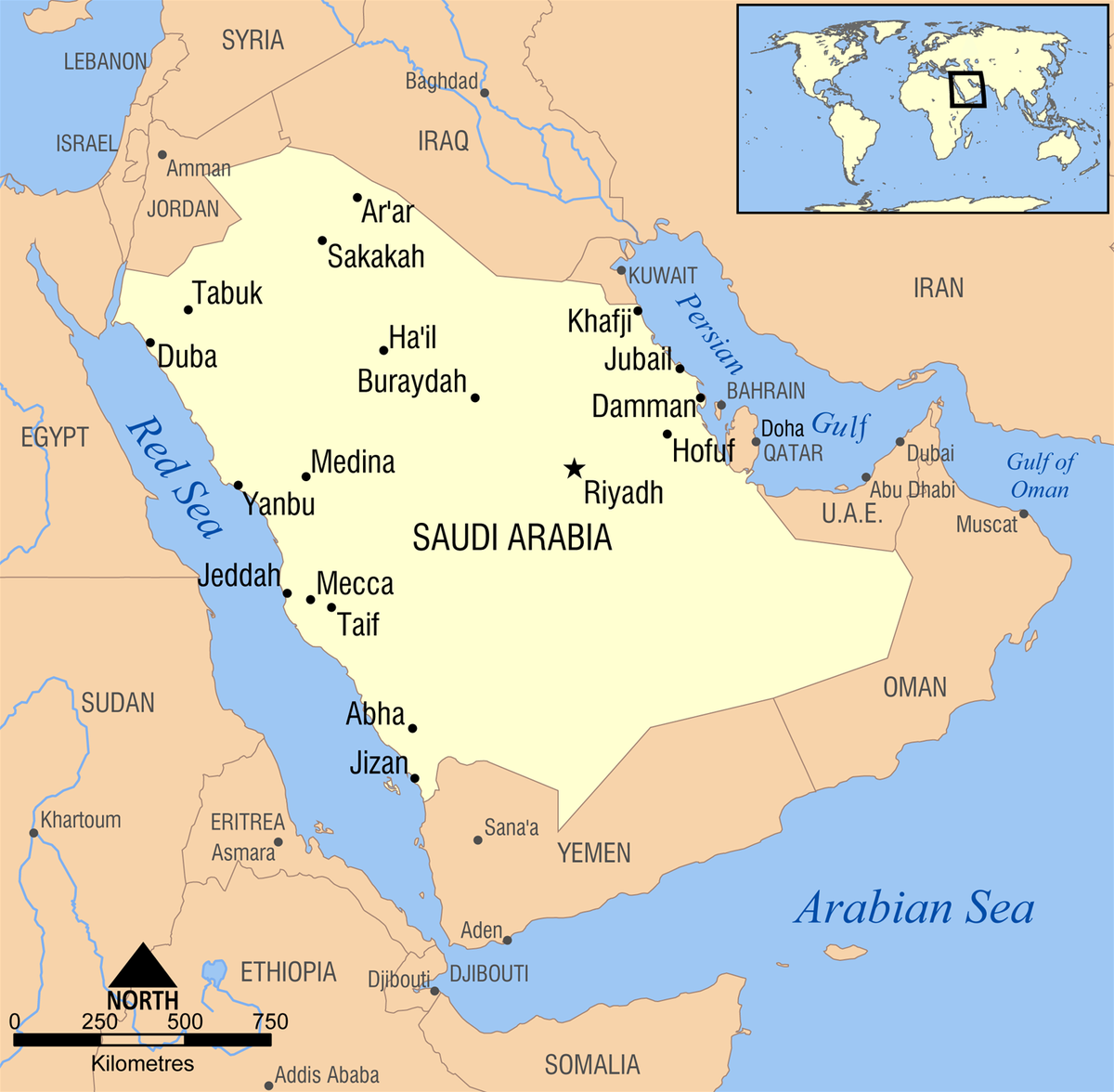
Background info: In 2017, Trump pulled the U.S. out of the Iran Nuclear Deal, an agreement between Iran and the U.S., the U.K., France, China, Germany, and Russia that was negotiated by President Obama in 2015 and arranged for the lifting of economic sanctions against Iran in exchange for them to ramp down their nuclear developments. The deal wasn’t perfect, but Iran was at least playing by the rules, and (for the most part) continued to do so even after the U.S. pulled out. The current conflict kicked off in May, 2019 with a report from Israeli intelligence officials that alerted the U.S. to an alleged Iranian plot to attack U.S. forces in the region, prompting the United States to send the USS Abraham Lincoln aircraft carrier to the Middle East as a reinforcement measure, leading to a month of threats between leaders of the two nations. Tensions grew worse a month later when Iran shot down a U.S. drone; they say the drone was in Iranian airspace, the U.S. claims it was over international water. Iran also bombed a Saudi oil field last September; this attack was largely unprovoked, though there was growing pressure within the country for their leaders to do something, due to the recession they were experiencing as a result of the sanctions reimposed by Trump when he pulled the U.S. out of the Iran Nuclear Deal (which caused a 75% decrease in Iranian oil exports). The attack on the Saudi oil field further damaged U.S.-Iranian relations because Saudi Arabia is a United States ally (for some reason).

December 27, 2019: A rocket attack on an Iraqi air base killed one American civilian-contractor, injured four American servicemen, and killed two Iraqis. The attack was allegedly carried out by Kata'ib Hezbollah, a military group supported by Iran.

December 29, 2019: The United States attacked five facilities in Iraq and Syria which had ties to Kata’ib Hezbollah; the attacks resulted in the deaths of at least 25 people.

December 31, 2019: An Iran-backed mob attacked the United States embassy in Baghdad, Iraq. No U.S. citizens were harmed because they were able to shelter in a safe room inside the compound, though the mob did start fires and vandalize the embassy. This prompted President Trump to deploy additional troops to Iraq.

January 3, 2020: President Trump authorizes a missile strike killing Qasem Soleimani (the second most powerful person in Iran and the figurehead of the Iranian military) at an airport in Baghdad. Trump warned Iran not to retaliate, and preemptively sent more troops the area as a precaution (at this point, 14,000 troops have been deployed to the Middle East since May, 2019).

January 4, 2020: Donald Trump threatens to attack Iranian cultural sites if they retaliate after Soleimani’s killing. Targeting cultural sites is a war crime under international law.

January 5, 2020: Secretary of Defense Mark Esper and Secretary of State Mike Pompeo have both explicitly contradicted the President’s statement that they intended to target cultural sites, leading Trump to double down on his commitment.

January 5, 2020: Iran announces that they will no longer honor the 2015 Iran Nuclear Deal, completely abandoning all the commitments they made to limit their nuclear development.

January 7, 2020: Iran attacks Iraq’s Al Asad and Erbil air bases, both of which house American troops. No casualties were reported, and Iranian officials indicated that this would be the extent of their revenge for the killing of Soleimani.

January 8, 2020: Donald Trump delivers an address announcing that the U.S. will refrain from using force in response to the 1/7/20 missile attacks, instead announcing further sanctions and encouraging other nations to withdraw from the Iran Nuclear Deal.

Things To Consider

We aren’t at war right now, and by all indications, this chapter of the saga is over. While I feel compelled to give Trump credit for showing the restraint it took to not respond to the Iranian attack on the Iraqi bases at Al Asad and Erbil with military force, that would be a bit like rewarding a toddler for safely exiting a pool after jumping into the deep end with no floaties. While the United States has had a complicated and troubled relationship with Iran for decades with more than a few points of contention, the U.S. seems responsible for exacerbating things this time. So, why did this whole thing spiral so quickly towards a war?

Simply put, it was because the Trump administration claimed that they had credible intelligence suggesting an imminent attack against Americans, and that killing Soleimani was an effort to stop it: that’s the big kickoff point for this whole thing. Yes, there were events that led up to it, but they were all pretty tit-for-tat, low consequence actions. The Soleimani strike was the headline grabbing event that really catapulted this ordeal to a much higher level.

So, was it justified? Evidence of an imminent attack has not been released, and the White House has so far refused to provide any further information. Democratic and Republican Senators have condemned the administration for providing little to no justification of their decision to kill Soleimani, after having received a briefing from the White House where they were given access to confidential details surrounding the strike (some Senators have also said that the information they receiving was not of a sensitive nature, and should be made available to the public). So, the question here is why the strike was ordered in the first place, given that it seems quite disproportionate to kill Iran’s second highest ranking official as a direct response to a far less significant attack on our Iraqi embassy where nobody was hurt.

A few potential answers to this question exist. Perhaps Trump was itching for a war. After all, he has publicly and repeatedly demonstrated in the past that starting a war with Iran is a good way to win reelection. Perhaps he wanted to distract from the impeachment proceedings at the start of the week when they could’ve potentially gotten ramped up again. Maybe he was expecting the unsavory headlines announcing that John Bolton — Trump’s previous National Security Advisor who was on the infamous Ukraine call at the heart of the impeachment inquiry — was willing to testify if subpoenaed by the Senate, and wanted to do something that take attention away from that development. However, let’s try to give Trump the benefit of the doubt, here. It’s not impossible that the action was truly taken to prevent an imminent attack against the U.S. Unfortunately, this seems less likely given that, after the White House’s briefing, even some Republicans have dismissed the intelligence on the alleged attack as being trivial and disingenuous.

Another thing that we need to ruminate upon is Trump’s willingness to commit war crimes. Soleimani’s killing, given his rank in the government of a sovereign state (and despite his role as a leader of paramilitary terrorist groups) can be categorized as an assassination and therefore a war crime in its own right. This is troubling, but it’s also a gray area. It’s easy to see that killing him wasn’t a proportionate response, but it’s hard to call it a war crime (even though it technically was) given that Soleimani has committed a long list of atrocities and certainly deserved to be taken out (a point where Democrats and Republicans seem to agree). More troubling, though, is that Trump threatened to attack Iranian targets of cultural significance. This displays a blatant disregard for international law, even while Trump’s advisors were adamantly against the idea. Yet, Trump doubled down. There’s not much we can analyze here: Trump threatened to willfully and indisputably break international law. Love him or hate him, that’s not something any voter with a conscience can ignore; it’s enough to give even the most passionate Trump fans pause.

It’s also appropriate that we acknowledge the loss of life that has transpired as a result of the actions our country has taken. Fortunately, only one American lost their life, but that’s not true for the Iranians. Soleimani’s death sent Iran into an emotional tailspin, and at least 56 people died after being trampled in a stampede at Soleimani’s huge, public, very emotional funeral procession. Additionally, 176 people died after Iran shot down a Ukrainian airliner shortly after it took off from Tehran, presumably by mistake, as a result of the heightened tensions and fear of attack that led them to more aggressively defend their airspace. I’m not saying that any of these deaths are the United States’ fault — they all boil down to Iranian government negligence — but none of those people would be dead if we hadn’t exacerbated this conflict by killing Soleimani. It’s not a great look, and our allies likely aren’t thrilled with us right now, as the plane that crashed was carrying not only Iranian citizens, but also Canadians, Brits, Germans, and Swedes.

We must also ask: are we safer? Trump said that killing Soleimani was an action taken to avoid a war, not start one. Unfortunately, one of the most significant consequences of his action against Iran was that it gave them an excuse to get out of the nuclear deal, and they’re now back to unbounded development of their nuclear program. Do you feel safer?

This whole episode is one that should cause Americans to reflect. We almost sent a bunch of nineteen year olds to war with a country who had done little to provoke such response, and for what? What did we stand to gain? What were we defending ourselves from? The American people and our allies deserve answers to those questions, and the Trump administration owes them to us. Hopefully those answers don’t lie in the lined pockets of America’s defense contractors.
UPDATED: 1/10/20, 20:21

Iran Attacks Iraqi Bases Housing American Troops Following Soleimani Assassination

Fortunately, early reports indicate that no Americans were killed.

If this is the case, we need to cut our losses and pull our troops out before American life is lost: we need to do everything we can to deescalate this whole situation immediately. Any further action from the U.S. will all but guarantee a war with Iran that nobody wants (except those at Lockheed Martin and anyone facing impeachment trials), and Iran has promised to attack on U.S. soil if we retaliate. Not that we should fear them, but we should have enough respect for the lives of Americans at home and abroad to stop antagonizing and provoking the Iranians.

UPDATE: 1/8/20, 11:40;

President Trump just announced that no military action will be taken against Iran, though he will impose economic sanctions. Though he mischaracterized Iran’s attack as “stepping down” when, in reality, that’s exactly what he’s doing, his decision not to pursue a military “solution” nonetheless seems appropriate, and assuming Iran was honest in indicating that they have no plans to further avenge Soleimani’s assassination, the United States is dodging a boomerang. However, let us not forget that Trump’s confirmation that was more than willing to commit war crimes, should this situation have escalated.

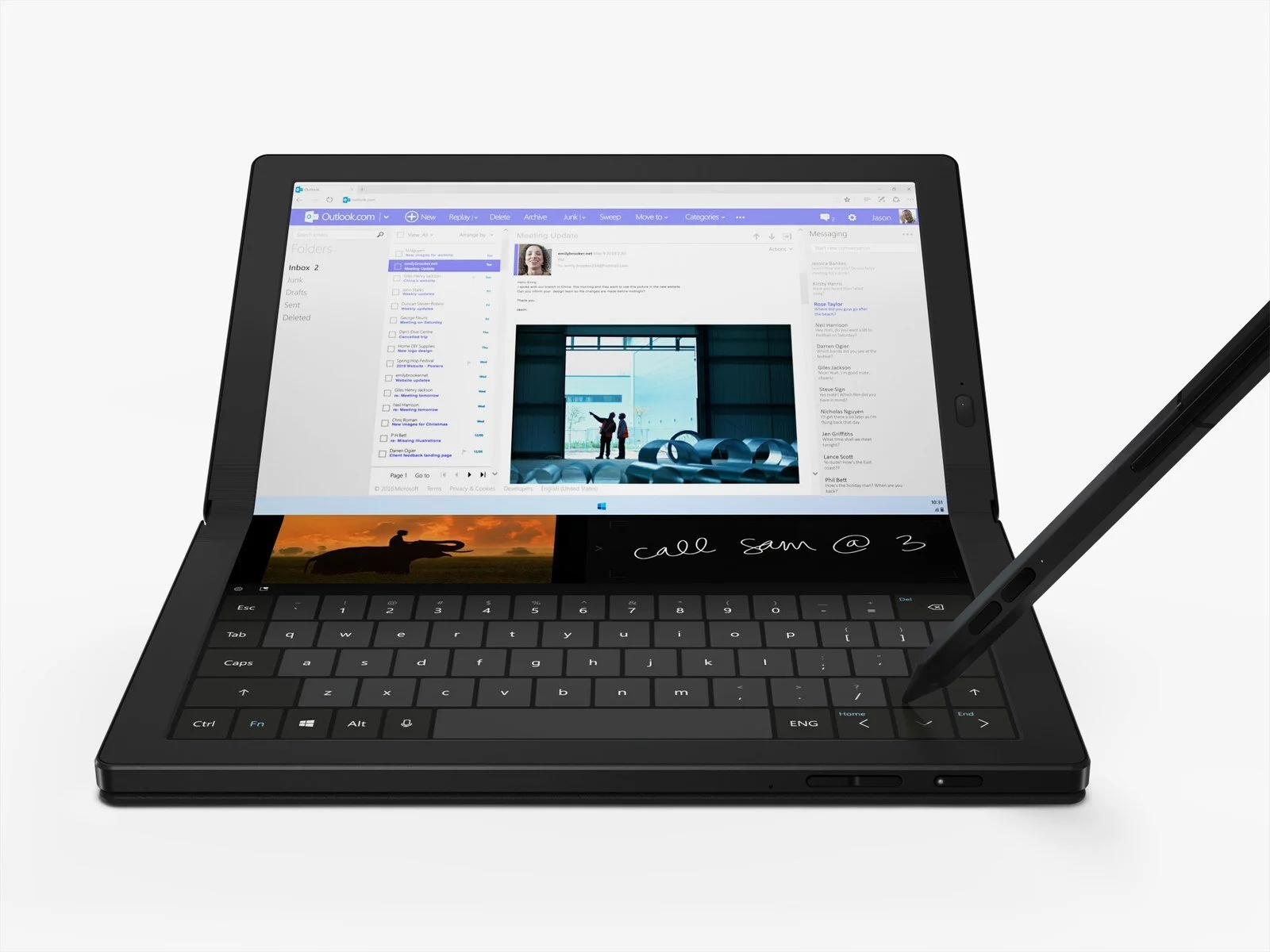
Lenovo Makes The First Folding-Screen Laptop, For Whatever That's Worth

Lauren Goode, writing for Wired:

The ThinkPad X1 Fold is expected to ship sometime in mid-2020, and will start at $2,499.

So far, I haven’t seen a compelling use case for foldable displays,* and certainly nothing worth $2,500 to a consumer.

The problem here is that two handed typing on a touchscreen keyboard kinda sucks. Even when it’s done well, its finicky and less precise than a hardware keyboard. If a horizontal touchscreen with a software keyboard and trackpad were good input methods, we’d already have laptops with horizontal screens: the fact that we couldn't, until now, bend the display at the device’s hinge to make one continuous screen from the horizontal to vertical surfaces was never an issue. This Lenovo thing is solving a problem that nobody has.

What I want is not a laptop with a horizontal screen. In my mind, a better solution would be something along the lines of Apple’s Touch Bar, but more expansive. I think it would be useful to have tiny displays, e-ink or otherwise, on each key of a keyboard so that they could change dynamically (they could adapt to show different characters to work with any language, show emojis, present app-specific controls, etc.). This would allow a much greater degree of flexibility while maintaining the tactile benefits of discrete, moving buttons.

*One legitimate (though not exactly consumer facing) use case for foldable displays that very few people know exists but which many benefit from: the iPhone X.

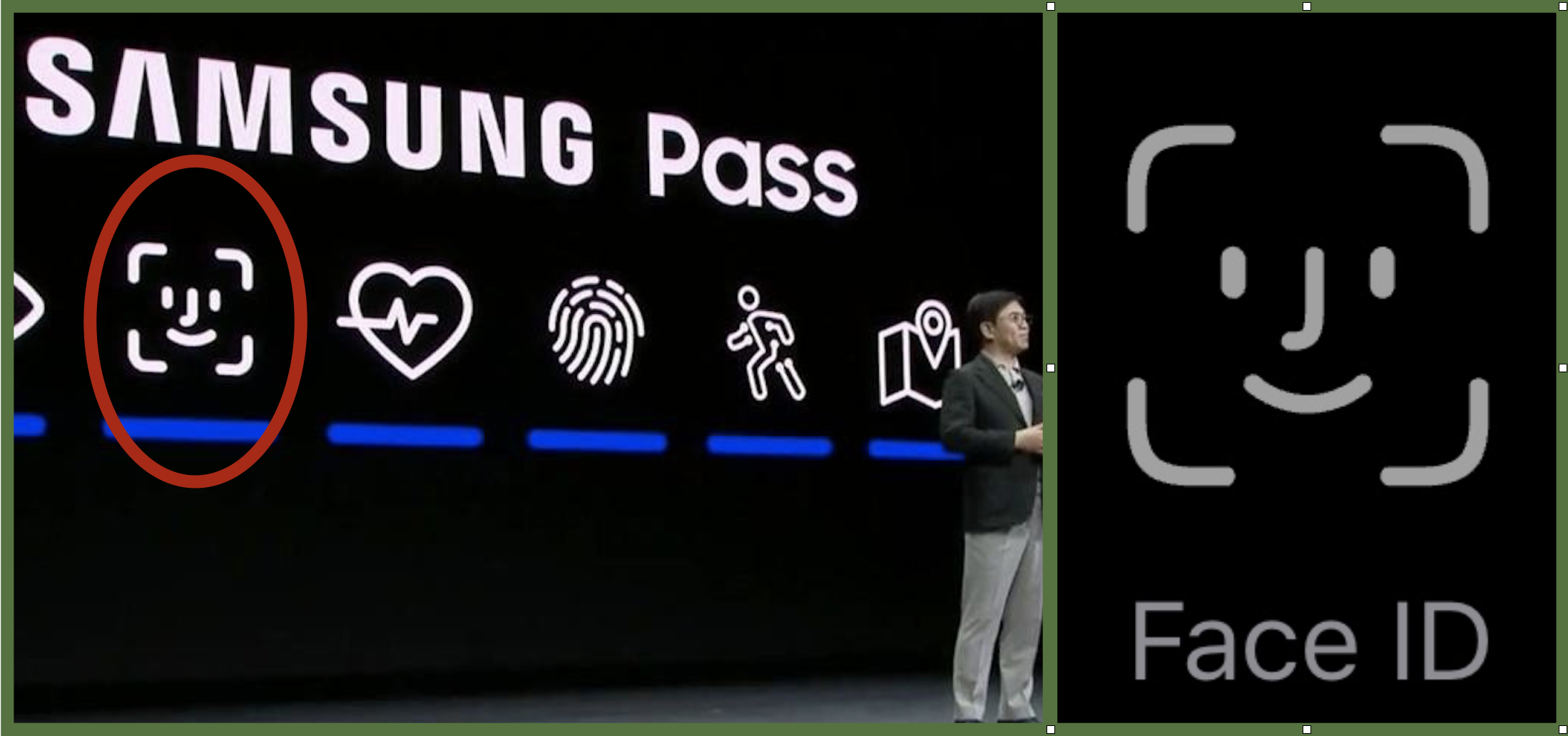
Samsung Steals Apple's Face ID Symbol

John Gruber’s take from Daring Fireball:

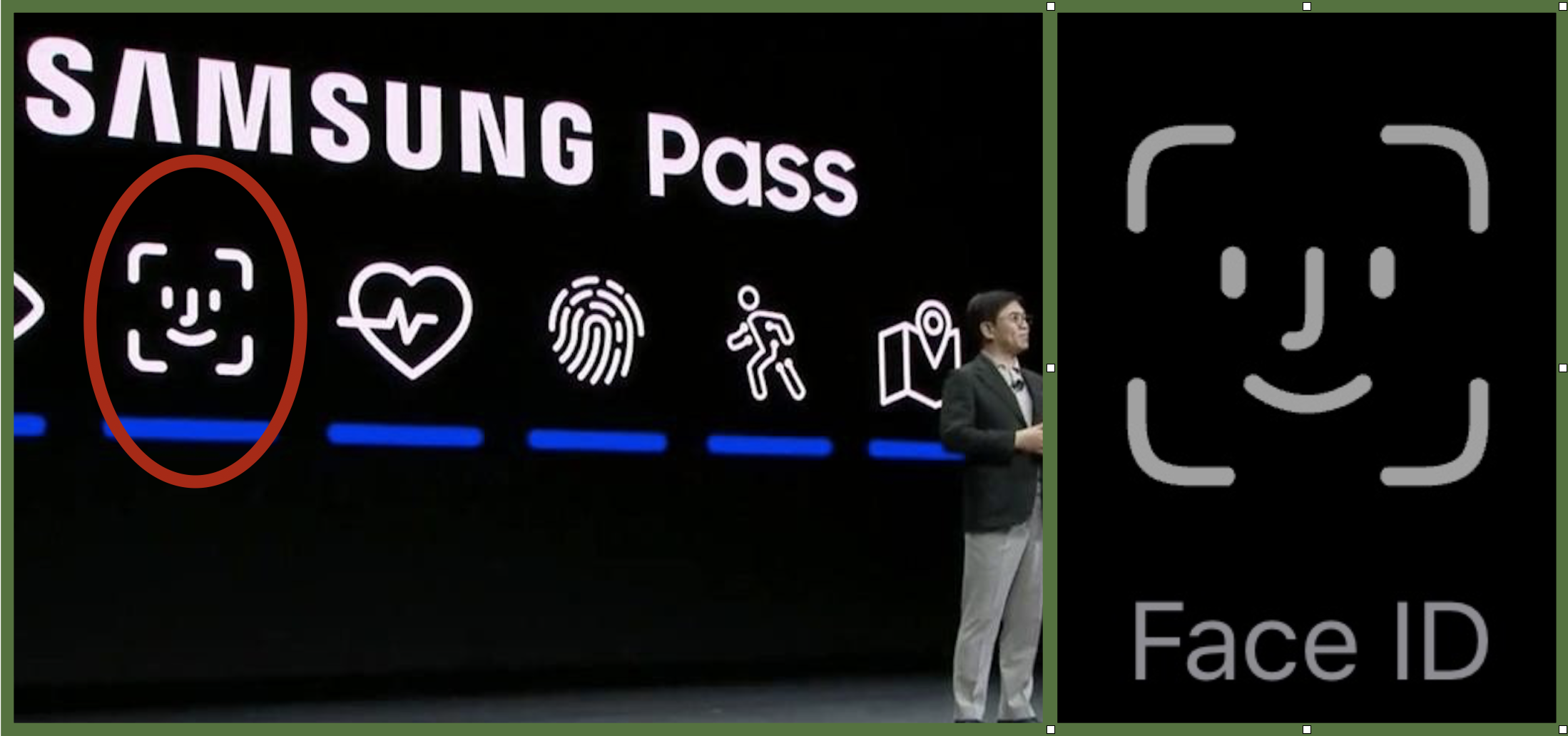
They didn’t even tweak it. Just outright copy-and-paste. […]

They might as well use an apple with a bite out of it, too.

Here’s the logo Samsung used on stage at CES on the left, with Apple’s Face ID symbol on the right.

Screen Shot 2020-01-07 at 7.44.33 PM.png
 

I suppose it’s just a cultural difference, but these Asian companies are absolutely shameless when it comes to stealing intellectual property. Gross.

Selective Service Is Sexist

Predictably, the whole Selective Service website reeks of nationalism. Less predictably, they don’t even try to hide the program’s ingrained sexism. From SSS.gov:

By registering, a man’s voluntary participation helps provide a hedge against unforeseen threats. It is a relatively low-cost insurance policy for our nation. […]

It’s what a man’s got to do. By registering, a young man stays eligible for jobs, college loans and grants, job training, driver’s license in most states, and U.S. citizenship for immigrant men.

The Selective Service System is a load of sexist bullshit. I bet you can't name a similar system where women must register to put their lives on the line or risk losing other rights and privileges like those withheld from men who fail to register.

If women are going to be allowed in combat roles, they should have to sign up for Selective Service. For some reason, though, we’re too politically correct now to acknowledge what everyone already knows and what science has always told us: women (generally) aren’t as physically strong as men. Yet, we pretend that they are by allowing women in combat roles where they could weaken a unit in measurable ways. The fact that the government requires men and only men to register for Selective Service acknowledges that men are physically stronger and more suited for combat than women. Period.

The argument that it’s sexist (against women) to suggest that women shouldn’t be allowed to serve in combat roles based on the notion that they simply aren’t wanted as a result of an established “boys club” in the military is a poor argument, primarily because of the physical differences that make women generally less aptly suited for combat, but for another reason as well: if you’re going to subject a group of young men to a sexist system that requires them to put their life on the line while women don’t face the same requirement, it’s not appropriate to fault them when a sort of “boys club” starts to form. While the sexism (against women) that can sometimes crop up in such “boys club” environments shouldn’t be encouraged, it’s an understandable side effect of a system where men are forced to work together in tight knit units to achieve physically and emotionally taxing goals, while women are spared from having to participate. If thinking of the military as a boys club affords those men a degree of exclusivity that helps them grapple with the sexism (against men) of their predicament, so be it.

If your biggest concern is addressing the boys club issue to make everyone feel better, true equality would mean requiring women to register. Alternatively, if you want the strongest possible military, don’t allow women in combat. If you want the best of both worlds, get rid of Selective Service completely and stick with a voluntary enlistment system where the strongest and most committed candidates will be able to join in whatever role is appropriate for them.

Why Are We Barking?

Everyone knows that dogs bark at other dogs when they want to challenge their alpha male status, and that the dominant dog doesn’t bark back because he knows his status is already recognized.

The attack on our Iraqi embassy was highly concerning, and increased troop presence in the area wasn’t a bad response, though, as I remarked a few days ago, we ought to tread lightly in order to avoid another long war. We also need to be asking a lot of questions, and then making sure that our leaders know where We The People stand on this issue. Killing one of Iran's top military leaders seems reckless and uncalled for. Yes we were threatened and everyone in the western world seems to agree that the world is better off without Soleimani, but that doesn’t mean we needed to take him out as a reaction. It was brash and just makes a volatile situation worse.


It’s also worth noting that Trump frequently accused Obama of planning to start a war with Iran to ensure his re-election. Seems like that idea never quite fell out of his head. It’s concerning that Trump is engaging with the Iranians in this tit for tat little showdown that could easily escalate into a proxy war. Trump has threatened the Iranians not to respond; what are the odds that they’re going to roll over and take this? Pretty low, and he knows it.


If push comes to shove, everyone on this big blue planet knows that the United States could handle the Iranians with both hands tied behind our back; we could literally wipe them off the map, and our allies would be grateful that we had (even if they’d publicly denounce such actions to save face). But why even engage Iran? Let them bark; we hardly ought to fear their bite. We only need to bite if we’re attacked; a subordinate dog won’t attack a dominant dog more than once.

When we bark back, we send them and the rest of the world a message that their attempts to fuck with us carry some weight, and that isn’t a message an alpha male ought ever send. Americans who are excited for war are just showcasing their ignorance and their inferiority complexes (@POTUS). We, as a nation, don’t need to prove ourselves.

Introducing: The CopyrightBro Newsletter!
Screen Shot 2019-12-30 at 10.29.16 PM.png

After receiving many requests, we are pleased to announce CopyrightBro CC, our brand new newsletter!

CopyrightBro CC will be offered as a free service to readers, and it will be sent out on a bi-weekly schedule. Newsletters are a great way to stay caught up with your favorite publications, and this one is no exception. CopyrightBro CC will offer a concise, enjoyable recap of the previous two weeks on CopyrightBro; with each edition, we’ll suggest some of our top recent articles, highlight the must-sees, and offer various other bite-sized sections with fun and informative content relevant to the CopyrightBro audience (such sections will include Privacy Palooza, Balls & Bros, Archive Dive, and more!).

The first edition of CopyrightBro CC will be sent out in the next few days, so subscribe now!

Interested in sponsorship opportunities for future editions of CopyrightBro CC? We’d love to hear from you! Reach out to broc@copyrightbro.com for more information.

Guest Userjanuary20
Apple Completes Rollout of Updated Maps

Apple’s updated maps are very nice, and you can tell they put a lot of time into really making them better. There’s a ton of detail in the landscaping and buildings that simply didn’t exist before.

After releasing a few services this year that were a bit less impressive than they were hyped up to be, I’m glad Apple was able to make good on their promise to roll out the new maps to the whole United States by the end of 2019, even if my region was the last to be added.

Screen Shot 2019-12-31 at 8.44.43 PM.png

Here’s Pittsburgh as an example: check out the crazy level of detail, from all the buildings, to the public parks and and natural areas, to the fields at PNC Park and Heinz Field. It’s remarkable.

Trump Re-Announces Flavored E-Cigarette Ban (Sort of)

According to The Washington Post, the Trump administration has reversed course (again) on their decision regarding restricting access to flavored vaping products. After originally announcing an aggressive ban (which I personally supported), fear of the political ramifications the ban would have amongst their base led them to backpedal on that announcement (a move I harshly criticized). Now, they’re compromising a bit.

This ban seems to be only on flavored e-cigarette pods (excluding tobacco and menthol flavors), sparing the liquids sold in vape shops. In other words: they’re coming for you, Juul.

As I’ve mentioned before, I try to give Trump credit when he deserves it: this is certainly better than not doing anything, but I liked the sound of their original promise better.

United States’ Iraqi Embassy Attacked

Falih Hassan, Ben Hubbard, and Allish J. Rubin, reporting for The New York Times:

Protesters broke into the heavily guarded compound of the United States Embassy in Baghdad on Tuesday and set fires inside in anger over American airstrikes that killed [25] members of an Iranian-backed militia over the weekend.

The U.S. needs to respond to this attack swiftly and forcefully, but we also need to avoid another decade of war.

Ryan Browne and Caroline Kelly, reporting for CNN:

The United States will send approximately 750 soldiers to the Middle East immediately, Defense Secretary Mark Esper confirmed in a written statement Tuesday, after attacks broke out in Baghdad among hundreds of protesters in response to airstrikes in Iraq and Syria conducted by US forces on Sunday. 

"At the direction of the Commander in Chief, I have authorized the deployment of an infantry battalion from the Immediate Response Force of the 82nd Airborne Division (in Fort Bragg, North Carolina) to the U.S. Central Command area of operations in response to recent events in Iraq," Esper said, adding that additional forces "are prepared to deploy over the next several days."

"This deployment is an appropriate and precautionary action taken in response to increased threat levels against U.S. personnel and facilities, such as we witnessed in Baghdad today.”

Obviously I hope for the safety for all of our troops, but as a North Carolina boy planning on joining the military, the deployment of troops from Fort Bragg hits close to home. Thoughts, prayers, good vibes, whatever you got: send ‘em to the boys heading to Iraq tonight. 🇺🇸 👏🏼🤙🏼✌🏼✊🏼🇺🇸

UPDATED: 1/8/20, 21:26

Netflix's 'What We Watched 2019' Ad

Jennifer Aniston, Woody Harrelson, Meryl Streep, Miley Cyrus, Jonathan Van Ness, Millie Bobbie Brown, Adam Sandler, Beyoncé Knowles, Ryan Reynolds; these are just a few of the icons featured in this ad. It’s only two minutes long, but at the end of it you feel like you’ve really seen something important. In addition to a star-studded cast, it boasts moving voiceover and music that couple beautifully with the dozens of rapid-fire scene snippets selected from Netflix’s original content, thereby doing an incredible job of showcasing their vast catalog. It uses humor and heart to inspire an impressive degree of cultural FOMO, and it really drives home the significance of storytelling in our society. Most importantly for Netflix, it genuinely excites you for what’s to come.

It’s a terrific ad.

One Nation, Tracked

Fantastic reporting from Stuart A. Thompson and Charlie Warzel for The New York Times:

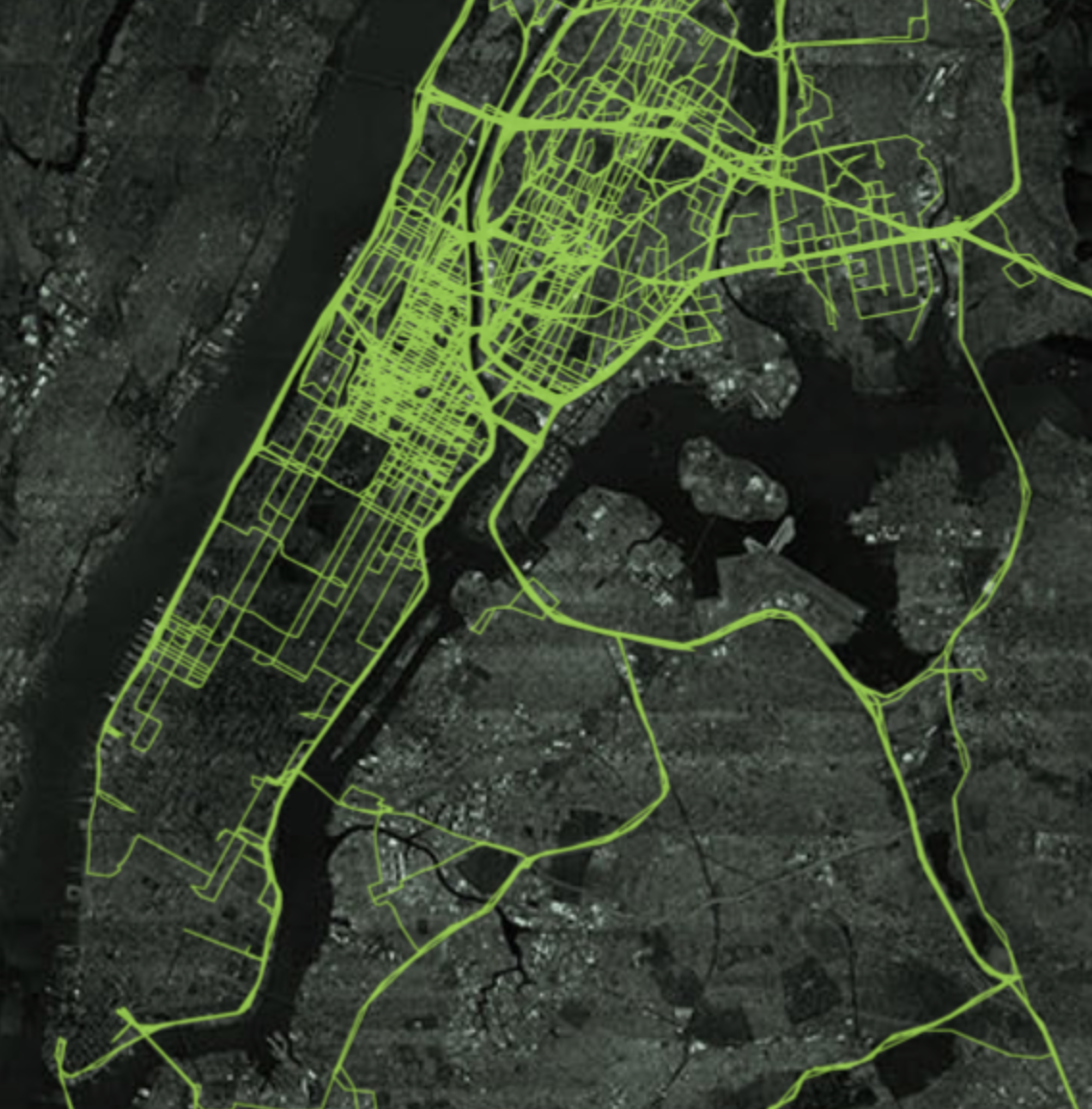
Every minute of every day, everywhere on the planet, dozens of companies — largely unregulated, little scrutinized — are logging the movements of tens of millions of people with mobile phones and storing the information in gigantic data files. The Times Privacy Project obtained one such file, by far the largest and most sensitive ever to be reviewed by journalists. It holds more than 50 billion location pings from the phones of more than 12 million Americans.

It’s about time that publications with big audiences start pounding this drum. Read their whole article, and begin to understand why this matters.

Location data is also collected and shared alongside a mobile advertising ID, a supposedly anonymous identifier about 30 digits long that allows advertisers and other businesses to tie activity together across apps. The ID is also used to combine location trails with other information like your name, home address, email, phone number or even an identifier tied to your Wi-Fi network.

The data can change hands in almost real time, so fast that your location could be transferred from your smartphone to the app’s servers and exported to third parties in milliseconds. […]

That data can then be resold, copied, pirated and abused. There’s no way you can ever retrieve it.

Unfortunately, there’s very little you can do to limit how your location data is shared. It’s important to wrangle in your location sharing settings (check out the “Privacy” section of CopyrightBro’s Digital Health Checkup), but even that isn’t enough to truly protect you. One of the best ways to limit companies’ ability to track you is to route all of your internet traffic through a VPN service. My family and I use ExpressVPN. These are paid services, but at $99/year for 5 devices (ExpressVPN’s best offer), it works out to 5¢ per device per day, which I think is worth the expense.

Is all of this surveillance and risk worth it merely so that we can be served slightly more relevant ads? Or so that hedge fund managers can get richer?

The answer here is obviously “no”. Targeted advertising is a user-hostile practice, and it deserves to be heavily regulated, if not outlawed entirely.

Today, it’s perfectly legal to collect and sell all this information. […] The companies profiting from our every move can’t be expected to voluntarily limit their practices. Congress has to step in to protect Americans’ needs as consumers and rights as citizens.

We are living in the world’s most advanced surveillance system. […] It was built to make money. The greatest trick technology companies ever played was persuading society to surveil itself.

Contact your lawmakers.

#deletefacebook

UPDATE: 12/31/19, 22:10;

As John Gruber points out on Daring Fireball, it is pretty hypocritical for The New York Times to publish such a piece while their own website is scraping up user data.

Starbucks' BYO Cup Program: A Tale of Disguised Corporate Waste

Let’s get this out of the way: Starbucks’ coffee usually tastes a bit burnt and is generally not as good as local coffee shops. But, Starbucks is convenient because they have a ton of locations (and drive-thrus), and they’re at least consistent in that each location uses the same ingredients (even if their baristas never put the same amount of them in your cup).

While I have favorite local coffee shops which I prefer to patronize, sometimes it’s just easier to go by Starbucks in the morning. In these cases, I will usually try to remember to bring my own Yeti cup so I can take advantage of their bring-your-own-cup program. Sure, call me a hippy dippy, tree-hugging liberal, but the biggest appeal is that my drink will stay hot for a lot longer. And, you know, if you can save a disposable cup from a landfill, why not? On top of that, Starbucks actually incentivizes customers to use the program, offering a 10¢ discount on your drink. I don’t go to Starbucks nearly enough for that to add up to anything worthwhile, but nonetheless, it’s slightly better than nothing. Combining those three very mild incentives (a tiny discount, feeling good about saving a cup, and having my drink stay hot) is enough to get me to play along.

Participating is a fairly straightforward process: I’ll place my order and let the barista know I’ve brought my own cup, and they proceed to take my cup and then a few minutes later I find it at the end of the bar with my beverage inside it. For the past several months, though, I’ve been noticing an aggravating and confusing trend.

Occasionally I’ll find myself watching as the barista prepares my drink, and lately I’ve been seeing a paper or plastic cup (depending on whether I’ve ordered something hot or cold) accompany my reusable cup as it makes its way down the line of drinks waiting to be prepared. What’s happening is the baristas are preparing my drink in the paper cup (which bears a sticker denoting what I’ve ordered), and then they simply pour the beverage from the paper cup into my reusable one before giving it back to me.

It doesn’t take a rocket scientist to recognize that this completely defeats the purpose of Starbucks offering a reusable cup discount program. From a financial perspective, Starbucks doesn’t save any money this way because they still end up using a paper or plastic cup anyway. From an eco-friendly perspective, there’s no difference here than if they’d just delivered the drink in the disposable cup anyway. While there’s a slight chance they could be recycling the plastic cups, Starbucks’ paper cups (like most paper cups) are lined on the inside to prevent liquid from breaking down the paper, and lined paper products can’t be recycled at all by most cities in the country. Those cups are definitely landfill bound.

CopyrightBro correspondents interviewed multiple Starbucks baristas and store managers in stores across the southeast, and we’ve been able to learn a bit more about this program and how it’s implemented. One Charlotte-area barista, when asked why she initially prepared the drink in the disposable cup, simply respond with “this is just how we were trained.” When our correspondent followed up with “doesn’t using a paper cup sort of defeat the purpose of having a reusable cup program?” she replied, “yeah, it’s a little off.” These sentiments were echoed by other baristas from other areas of the country, indicating that this is a pervasive issue stemming from a corporate directive, rather than a case of one or two rogue employees in charge of training. When asked what the purpose was behind this policy, one Memphis-area barista said “It kind of makes sense with the drive-thru because we don’t get their cup until they get to the window, but for customers in the cafe, it doesn’t make any sense, it is really stupid and wasteful.” When asked if they couldn’t just prepare drive-thru customers’ drinks in reusable containers before transferring them to the personal cups, he replied “yeah, there’s really no reason that wouldn’t work”.

This barista estimated that while roughly 20% of regular customers might bring their own cups, the total percentage would be far lower, likely around 1%. This figure is consistent with Starbucks’ Global Social Impact Report from 2018, which reported that in the preceding year, 1.3% of customers had received the personal cup discount. The report goes on to presume that the program therefore saved 42 million disposable cups, but this figure ignores reality, because we know that not nearly all of those 42 million transactions actually resulted in a saved cup.

Getting more into the numbers, back in 2011, Starbucks was at 1.9% adoption with their personal cup program, and they set a goal of reaching 5% adoption by 2015; clearly, they missed. By a lot. Interestingly, their 2018 report actually amends their goal and uses grandiose language like “double the use of reusable cups”, which sounds great but ignores the fact that personal cup use has actually declined by 32% since 2011. Doubling an adoption rate of 1.3% still only gets you to 2.6%, and doesn’t account for the fact that many of the transactions represented by those figures still waste plenty of cups. They’ve given themselves several years to achieve what they want you to believe is a lofty goal, aiming to achieve this measly 2.6% program adoption by 2022.

If the point of the personal cup discount is to incentivize customers to use the program for the benefit of the environment, then 10¢ is hardly enough to move anyone to action; if the point of the discount is to simply pass the savings from the one saved paper cup onto the customer, that’s nice of them, but kind of pointless if they end up using a paper cup in the process of preparing the drinks anyway. The barista from Memphis also expressed concerns that “the 10¢ discount is pointless”, and that it doesn’t really incentivize anyone to use the program — it’s hard to imagine that he could be wrong — you could find more than ten cents in a Starbucks parking lot at any given moment. If Starbucks wants people to take this program seriously, they need to stop wasting disposable cups, and they need to offer an incentive greater than a dime; a 25¢ discount as a part of a program that a less than two percent of their customers use seems manageable for a company as successful as Starbucks.

CopyrightBro reached out to the Starbucks Global Communications team for more information on why there’s such a defined trend of employees being trained to waste cups, and a Starbucks Spokesperson provided the following comment: “Starbucks baristas are encouraged to craft beverages directly in customers’ reusable cups whenever possible. Building on our long standing commitment to sustainability and an elevated customer experience, we are currently reviewing guidance to our partners about personal cup use as we continue to be mindful of waste.” While this comment shifts blame to the individual baristas, the pattern observed across a large geographic regions is too pronounced to be so easily explained away. The operative phrase from the comment provided seems to be “whenever possible”. This phrase could provide a tremendous amount of leeway to those mid-level corporate employees issuing directives to train employees in a manner contrary to the official guidance while deflecting the responsibility to the individual baristas by retorting that the official guidance is for them to use their own discretion. Otherwise, it’s hard to explain why so many baristas would report having been trained in a manner inconsistent with the comment provided.

The problem here doesn’t seem to be a few poorly trained employees, but rather a culture that focuses more on looking like they want to help the environment, rather than actually putting effort into doing so: it seems like their commitment to protecting the environment is just a P.R. move for Starbucks. Even more embarrassingly for a Fortune 500 company, it’s losing money from a financial standpoint. What kind of lunacy would lead a company to introduce a program that could cut costs on materials and make a positive environmental impact, only to have employees waste the same amount of materials anyway? They’ve effectively disguised a pattern of material and financial waste as a program designed to benefit the environment.

CopyrightBro does not encourage anyone to take advantage of corporate good will, but if you notice that a barista prepares your beverage in a disposable cup and then throws it away after transferring your drink to your personal cup, you can submit a complaint about what happened on Starbuck’s contact page, and they’ll typically credit your Starbucks Card with five or six bucks to get another drink, as well as pass down the feedback to the store your visited. Customers are going to have to hold Starbucks’ feet to the fire on this one: make sure you let them know how you feel next time their employees are unnecessarily wasteful on your behalf.

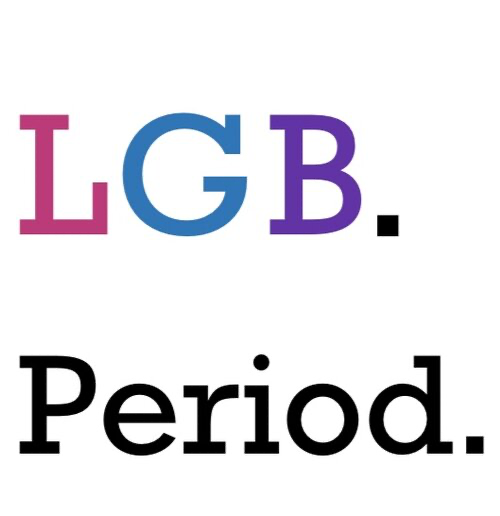
The LGB Alliance

In the midst of the recent J.K. Rowling controversy, a CopyrightBro correspondent stumbled across an interesting Twitter account, @AllianceLGB. After reading through some of their tweets and checking out their website, it’s clear that these folks are providing an important voice; they’re courageous enough to vocalize the feelings that cancel culture prohibits many in the LGB community from feeling free to express.

The LGB Alliance is a nonpartisan British nonprofit organization whose goal is to “advance the interests of lesbians, gay men and bisexuals at a time when we are under threat from concerted attempts to introduce confusion between biological sex and the notion of gender.“ This confusion sewn by aggressive trans rights advocates is to the direct detriment of people who experience same-sex attraction, who rightly believe that being associated and conflated with the transgender/transsexual/gender non-binary groups has a negative impact on the forward progress being made to advance LGB acceptance, particularly in less-progressive environments. The LGB Alliance is also working to “protect children and young people from being taught unscientific gender doctrines”, as well as asserting the scientific reality of the two biological sexes, while recognizing “that gender is a social construct which is used to impose often harmful and outdated stereotypes.”

The beliefs championed by the LGB Alliance are beliefs that CopyrightBro is proud to endorse, as we also believe that more dialogue is needed to establish a public understanding of the differences between folks who are same sex attracted and those with varying gender identities, and that increased awareness will be to the benefit of both groups. In fact, on CopyrightBro, you’ll notice that we rarely (if ever) use the “LGBT” acronym; instead, we opt for “LGB” when referring to issues that are specific to sexual orientation, and in rare cases where it does make sense to couple issues relating to sexual orientation with those that relate to gender identity, we use “LGB&T”, which invokes an ampersand to reiterate the important distinction between the two groups.

Everyone deserves equal rights and to be treated with dignity, but that doesn’t mean that unrelated groups need to be conflated, especially when such relationships aren’t always symbiotic. If you’d like to learn more about the LGB Alliance and the work they do to support equal rights through reason and common-sense solutions that are truly respectful of and fair to all groups, you can visit their website for more information or to make a donation in support of their mission.

Rowling Faces Trans Cancellation For Suggesting That Science Matters

J.K. Rowling has written some stupid things lately (see: “Cursed Child”), but this isn’t one of them; her sentiments in this tweet near-perfectly represent my take in this instance, as well as on the broader issue of trans rights: do what you want as long as it isn’t harming others or infringing on someone else’s rights. However, I’m not convinced that some of the rights and privileges sought by the trans community aren’t stepping on the toes of other groups.

The fact that people are lambasting her for merely agreeing with someone who basically just said that biological sex is still a thing, is absurd. If you’re offended by scientific facts, re-fucking-evaluate; it’s not the rest of the world’s prerogative to avoid the truth (note that I said THE truth, not your truth) because you find it inconvenient.

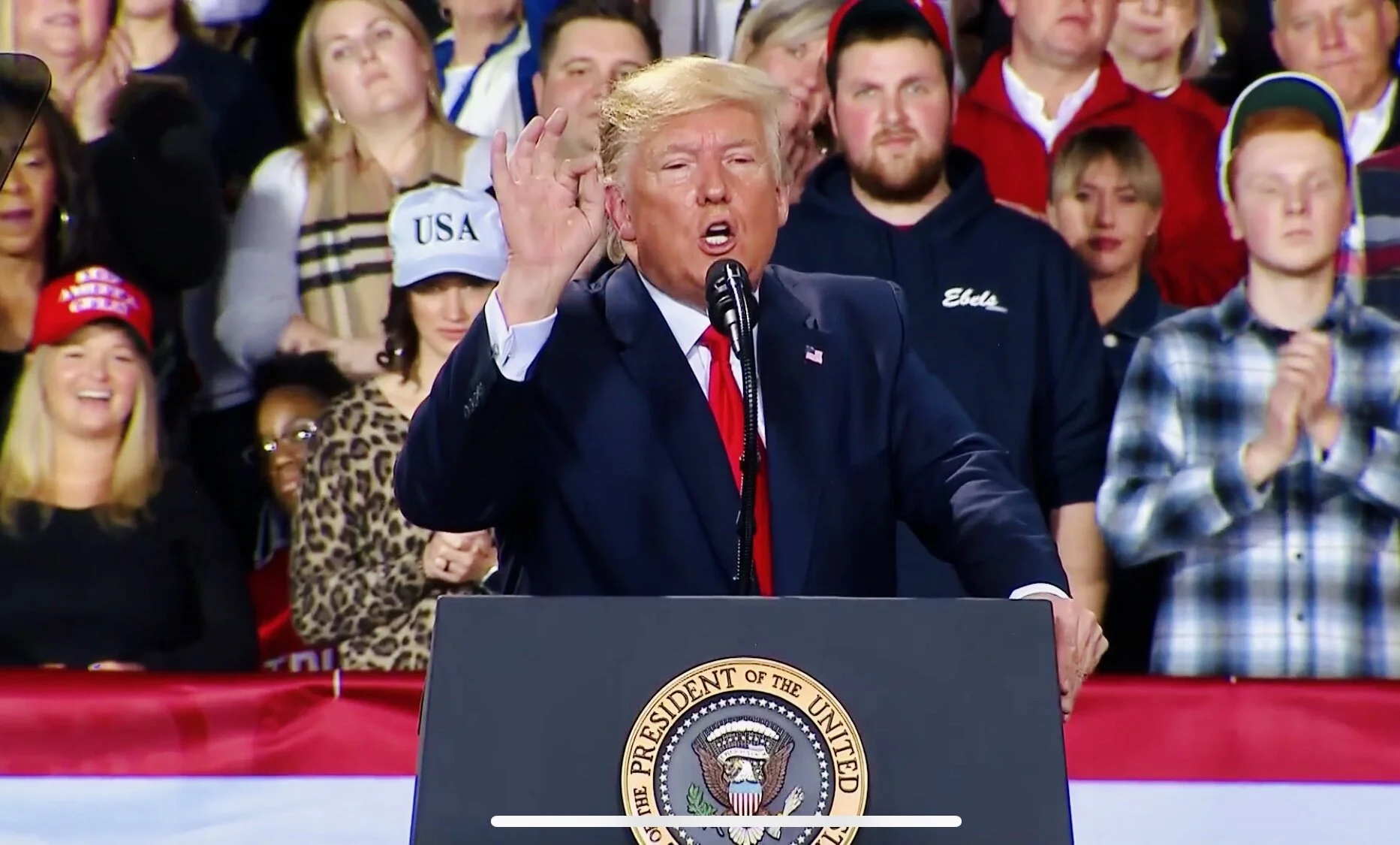
Trump Rally Attendants Cheer For Recent Polls That Support Impeachment

Donald Trump, implying his own allegedly-superb popularity among the American electorate during a rally in Michigan, just asked his audience “have you seen my polls for the last four weeks?”. Raucous applause ensued.

Obviously, those in the audience have not seen any recent polls. The latest poll from Fox News reports that 55% of Americans want Trump impeached and removed from office, compared to just 43% who don’t think he should be impeached.

PoliticsGuest Userdecember19