
iPhone 11 Pro Camera Review
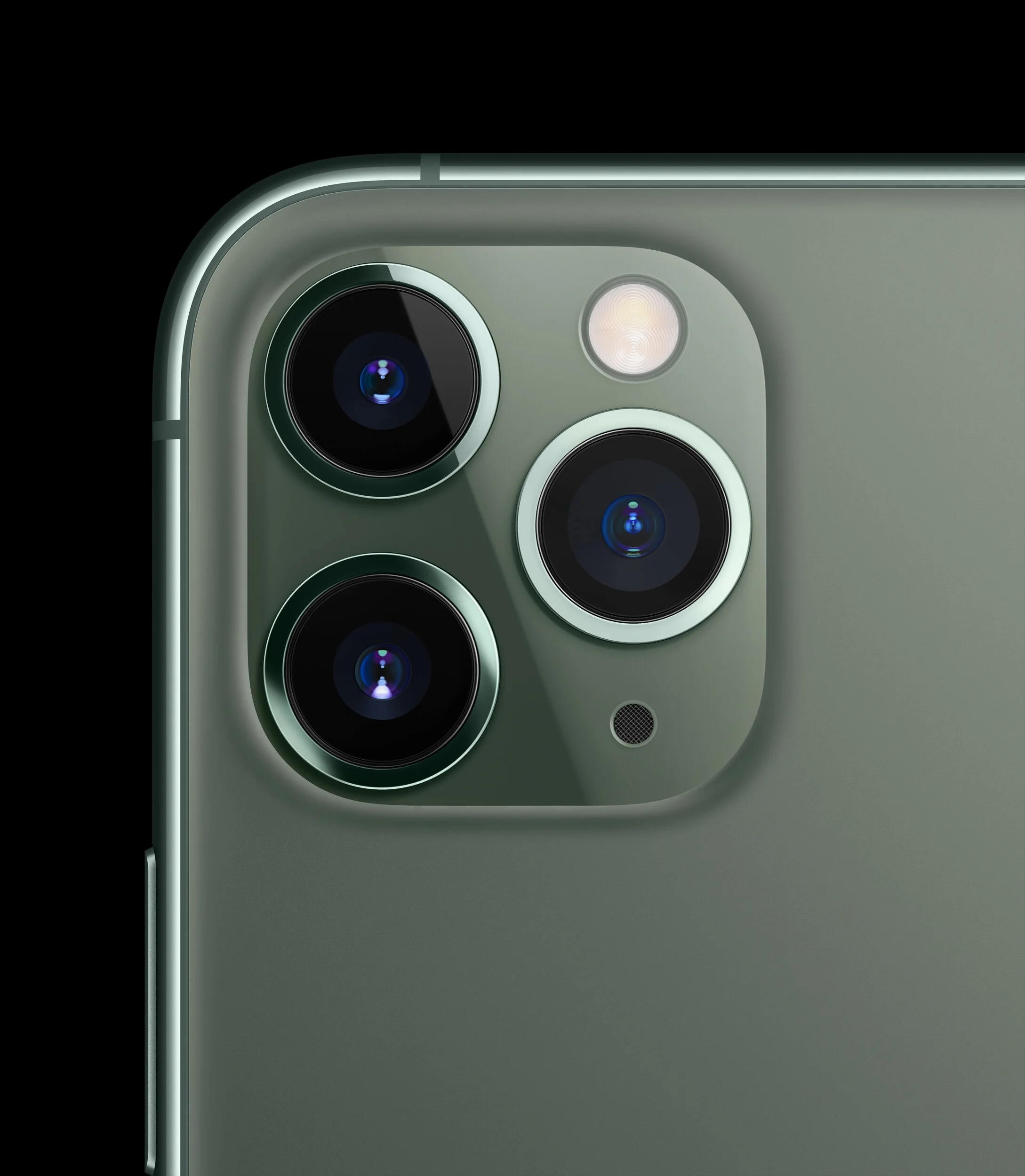
The most touted feature of the new iPhones, especially in recent years, is the camera. Each year, Apple delivers solid hardware advancements and software tweaks that usually add up to more than the sum of their parts. This year, the hardware is terrific, but the software works against it. The redesigned camera app absolutely sucks and I hate it. Here’s why:
The new drawer for the settings is redundant, but at least they finally got rid of that god awful square photo mode and just gave us an aspect ratio setting.
The zoom/lens switching interface is very inconsistent between camera modes, and it takes several seconds longer than before to go from a zoom distance somewhere between two lenses (like 1.8x zoom) back to any of the non-digitally zoomed options (0.5x, 1x, and 2x).
The app now also has an extremely annoying disregard for your manually adjusted settings. For instance, I wanted to use the flash for a photo but the iPhone thought night mode would be better (I tried it, and in this instance, it wasn’t). Moving my hand ever so slightly from the shutter button to toggle the flash setting at the top and back to the shutter button was enough movement to cause the iPhone to reanalyze the scene, and turn night mode back on. I had to do this four times while attempting to capture a single photo before I was able to hold the phone still enough that it didn’t override my choice to use the flash.
Deep Fusion was hyped up a whole lot on stage to be so astonishingly unremarkable in practice. My photos with deep fusion aren’t at all noticeably different than the ones without it.
A few positive notes:
Portrait mode still isn’t perfect, but it works a lot faster and more precisely than before.
The cool new feature that is supposed to use the wider lenses to capture what’s outside the frame so that you can rotate and adjust without cropping works very rarely and seemingly without any rhyme or reason, but when it does work, the photos are indistinguishable from the rest. Hopefully we’ll get to the point where the cameras are so tightly integrated that all three are used to capture each image, theoretically giving you remarkable detail regardless of how far away your subject happens to be.
Night mode impressed me.
And now for some real world examples: I wanted to put some of these features to the test, so my sister and I went kayaking to try and get some cool shots. They were good, but they weren’t overwhelmingly impressive. We left all of the settings on auto, only manually adjusting the zoom and focus.
The Auto Live feature was a disappointment, for some reason deciding not to capture a Live Photo despite obvious and intentional movement happening in the frame. The selfie camera was also very quick to refocus itself even after I’d just attempted to manually set the focus—the result was a bunch of photos like this one, where my face was fairly well exposed, but the sky was so overexposed that it appears almost completely white. The ultra wide angle camera was useful for shots like this, but generally it’s not very helpful and I think most people would benefit more from the telephoto lens—that would have been the better choice for the iPhone 11. Additionally, there seems to be so much software magic happening with each photo that you sometimes end up getting photos that are blurrier than they would’ve been before, which makes the whole thing feel a bit disingenuous. Look closely at the detail of the tree leaves and the surface of the water in this photo: it’s not exactly great.
The iPhone 11 Pro camera system can be summed up with one word: tradeoffs.