
Google's Filter Bubbles
This research done by DuckDuckGo’s SpreadPrivacy.com does a great job of illustrating why you can’t trust Google Search. It’s rather dense, but polls suggest that online privacy is becoming a mainstream issue, so it’s well worth the time it will take you to read it.
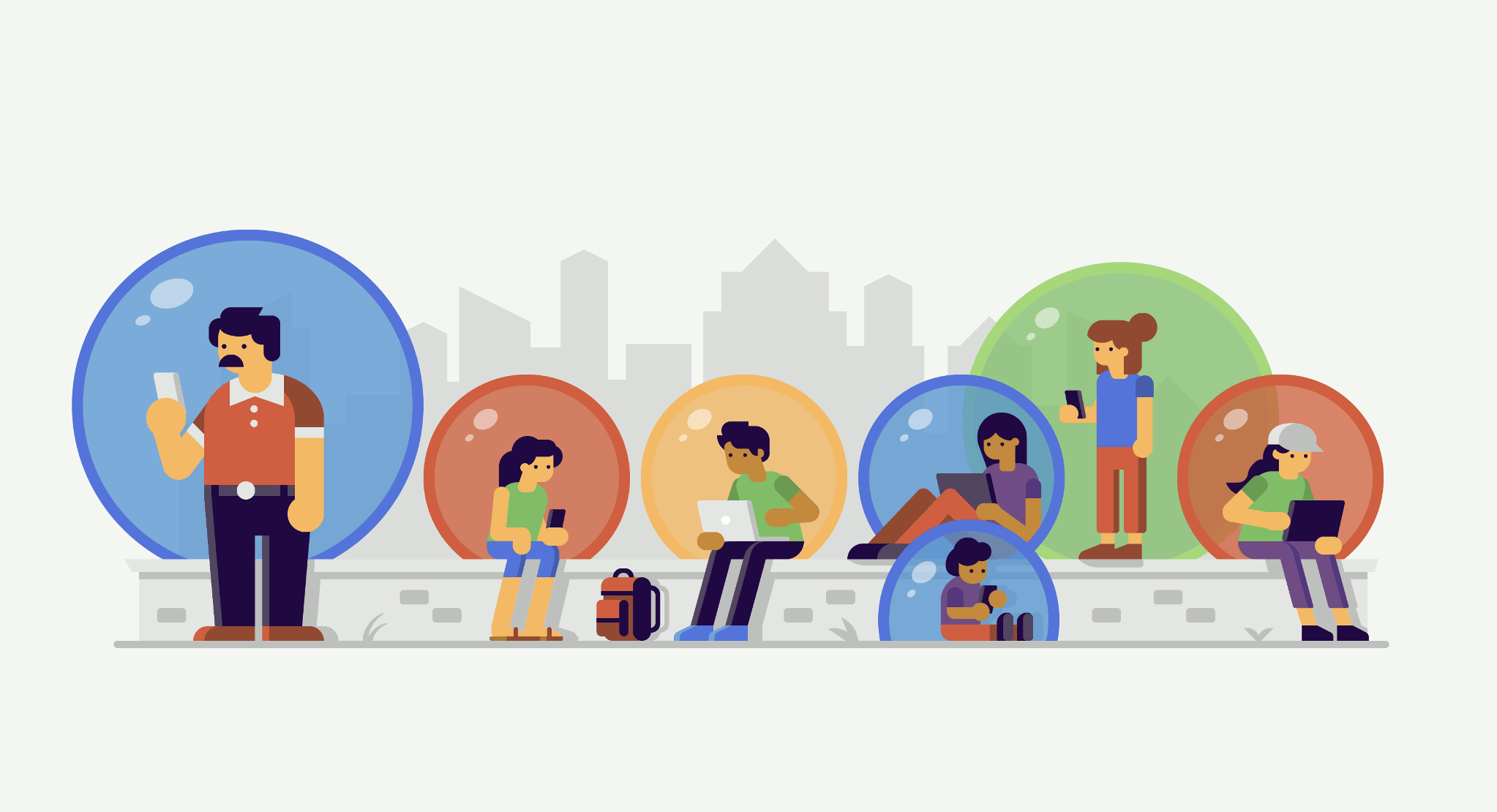
Basically, they had a bunch of participants search for the exact same search terms on Google, and then they analyzed the results. In each case, participants were given different results in different orders based on the personal information Google had collected about them and used to predict which search results might interest them the most, effectively putting each user in their own filtered bubble, regardless of whether they had been using private browsing mode. They do this because the more links a user clicks, the more money they make from advertising. And because they’re shady.
Why is that a bad thing, you ask? Well, if Google knows enough about you to predict which links you’re most likely to click on when you search for a given term, they know enough about you to do some serious damage. Imagine the case of a Google user with strong political beliefs; in a very short amount of time, Google could learn enough about that user to show them results that are most likely to appeal to their beliefs, and they will do so, even if it means promoting results that aren’t factually correct, hiding results that may challenge their beliefs, or taking that user down a habit hole that pushes their opinions further to the edge of the political spectrum. Personalized search results yield huge confirmation bias issues and result in case by case censorship.
I can’t stress enough that everyone should stop using Google as their default search engine; DuckDuckGo is a great alternative that yields accurate search results, and is available to be set as your default search engine on Apple devices.